
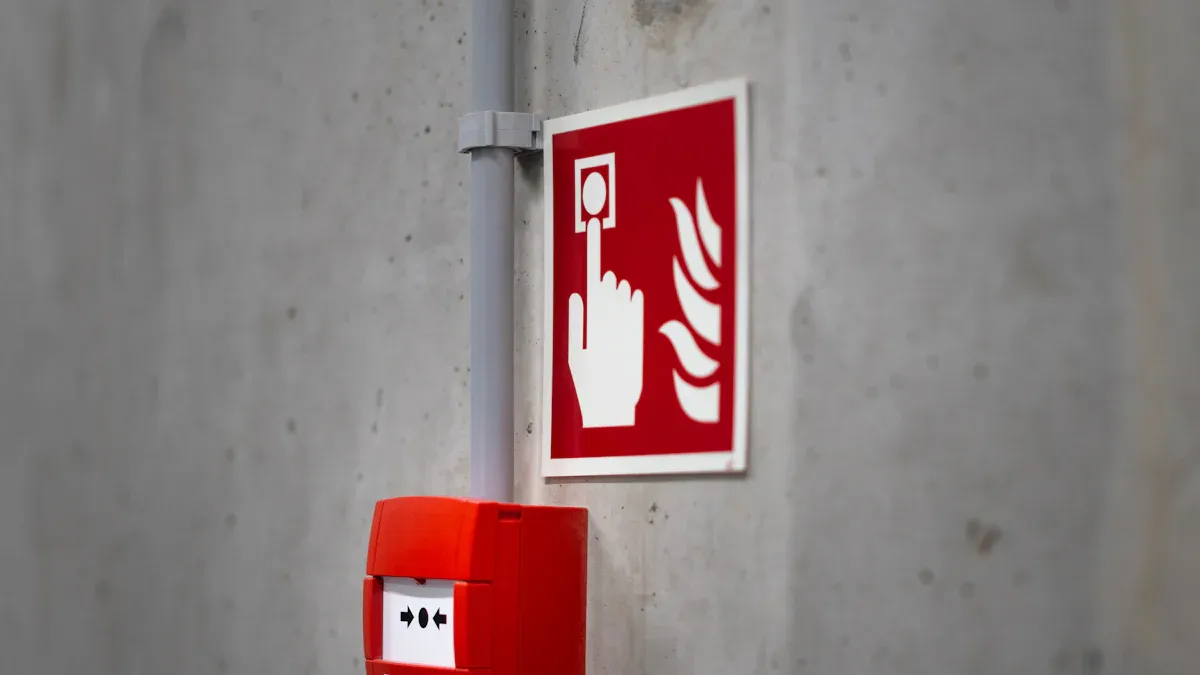
Reliable fire emergency communication systems in high-rise buildings encompass various components that work together to protect occupants. These systems must facilitate rapid response and effective communication during emergencies. Prioritizing fire safety in tall structures is crucial due to the challenges posed by height and density. Effective systems not only enhance high-rise building safety but also ensure compliance with regulations. For instance, a well-designed emergency call system and firefighter intercom systems can significantly improve response times. Additionally, backup power for fire phones ensures functionality when it is needed most. It is also important to consider what the requirements for high-rise fire phones are to ensure they meet safety standards and operational efficiency.
Key Takeaways
- Implement redundancy in fire emergency systems to ensure they remain operational during emergencies. This includes dual power supplies and backup batteries.
- Utilize compartmentalization to contain fires and smoke. This design strategy enhances safety by providing critical time for evacuation.
- Incorporate effective evacuation strategies tailored to the building’s occupancy type. Clear communication systems guide occupants during emergencies.
- Regularly assess fire risks unique to high-rise buildings. Conduct thorough evaluations to identify potential hazards and improve safety measures.
- Integrate modern technology into fire emergency systems. Smart alarms and mobile apps enhance monitoring and communication during emergencies.
Key Design Principles
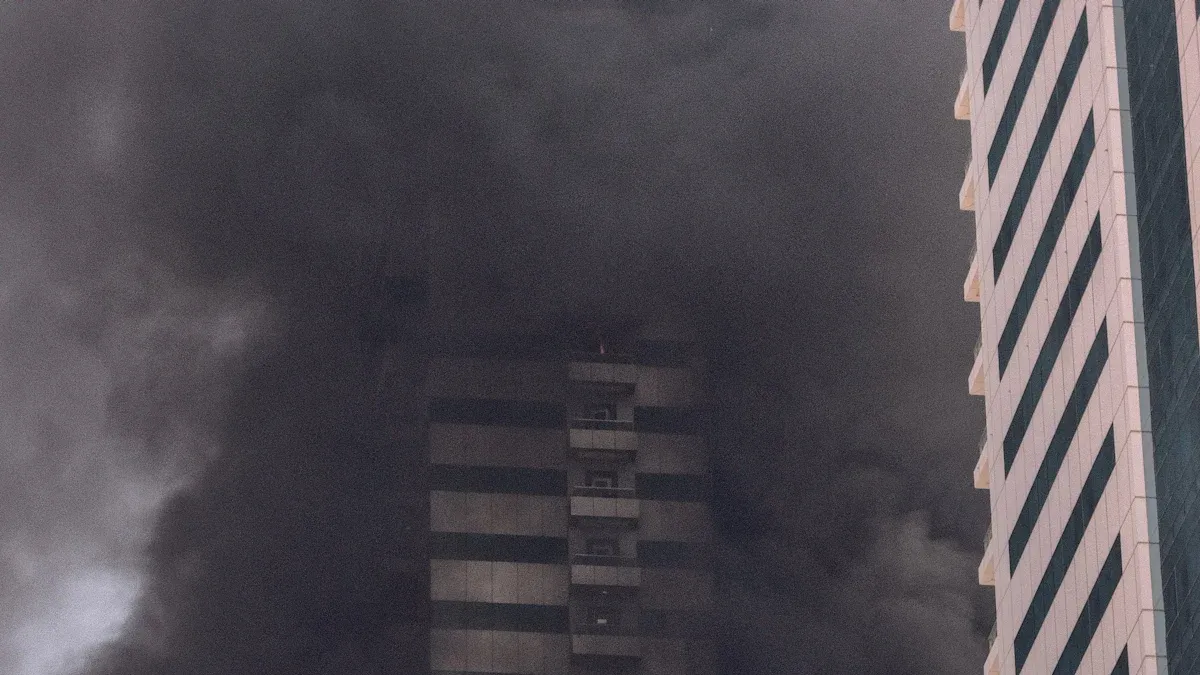
Designing reliable fire emergency systems for high-rise buildings involves several key principles that enhance safety and effectiveness. These principles focus on redundancy, compartmentalization, and evacuation strategies.
- Redundancy and Fail-Safe Mechanisms:
- High-rise buildings require systems that remain operational during emergencies. Redundant features ensure continuous functionality. For instance:
- Dual power supplies with auto-switching capabilities maintain system operation.
- Each panel includes a 4-hour battery backup, crucial during power outages.
- Surge-protected wiring and loop isolators at critical points enhance reliability and prevent failures.
- Fail-safe communication between panels ensures all components work together effectively, which is vital in tall structures where safety is paramount.
- High-rise buildings require systems that remain operational during emergencies. Redundant features ensure continuous functionality. For instance:
- Compartmentalization:
Compartmentalization plays a significant role in fire safety design. It involves dividing the building into smaller sections to contain fires and smoke. The following table summarizes its impact:Evidence Description Key Points Compartmentalization’s impact on safety Provides critical time for evacuation and reduces fatalities. Role of fire doors and smoke control systems Helps limit the upward movement of smoke and flames. Construction of fire-resistant barriers Divides the building into compartments to contain fire and smoke. Importance of smoke compartmentalization Slows down the release of toxic gases, providing more time for evacuation. - Evacuation Strategies:
Effective evacuation strategies are essential for high-rise buildings. They influence the design of fire emergency systems significantly. Key considerations include:- Emergency voice/alarm communication systems (EVAC) provide clear instructions tailored to the emergency type.
- Simultaneous evacuation involves all occupants leaving at once, while phased evacuation targets those near the fire to reduce congestion.
- Evacuation procedures differ based on occupancy type, influencing the design of evacuation routes and communication systems.
- High-rise buildings have varied functions, leading to different evacuation preparedness levels among occupants.
Incorporating these design principles ensures that fire emergency systems in high-rise buildings are reliable and effective. They not only protect occupants but also facilitate a swift response from emergency services.
Understanding Building Layout
Understanding the layout of high-rise buildings is crucial for designing effective fire emergency systems. The unique characteristics of these structures present several challenges that impact safety and evacuation procedures.
- Height and Accessibility: Firefighters often face difficulties reaching upper floors with equipment. This limitation can delay response times during emergencies.
- Evacuation Complexities: Evacuating from tall buildings takes longer, especially for vulnerable occupants. The vertical structure complicates the evacuation process, requiring individuals to navigate multiple floors to reach safety.
- Fire Spread and Smoke Movement: Rapid fire spread and smoke movement through ventilation systems pose significant dangers. These factors can create hazardous conditions that hinder evacuation efforts.
- Pressure and Water Supply Issues: High-rise buildings require greater water pressure for firefighting. Inadequate water supply can severely limit firefighting capabilities on upper floors.
- Emergency Response Time and Coordination: Effective coordination becomes essential due to the large number of occupants. The potential for simultaneous incidents increases the complexity of emergency response.
The intricate design of high-rise buildings can confuse evacuees, making it difficult to locate exits. This confusion can lead to overcrowding during evacuations, further complicating emergency planning.
To address these challenges, fire emergency systems must incorporate clear signage and effective communication strategies. Emergency voice/alarm communication systems (EVAC) should provide tailored instructions to guide occupants during an evacuation. Additionally, the design must account for both horizontal and vertical evacuation routes, ensuring that occupants can navigate safely and efficiently.
By understanding the building layout and its complexities, architects and safety professionals can create fire emergency systems that enhance occupant safety and improve overall response effectiveness.
Assessing Fire Risks
Assessing fire risks in high-rise buildings requires a thorough understanding of the unique challenges these structures present. High-rise buildings introduce several fire risks that differ significantly from those in low-rise structures. Key factors include:
- Height and Accessibility: Firefighters often struggle to reach upper floors. This limitation complicates suppression efforts and can delay response times.
- Evacuation Complexities: Evacuating from tall buildings is more complicated. Vulnerable occupants, such as the elderly or disabled, may face additional challenges during emergencies.
- Fire Spread and Smoke Movement: The design of high-rise buildings can facilitate rapid fire spread and smoke movement. This situation creates hazardous conditions that can endanger occupants.
- Pressure and Water Supply Issues: High-rise buildings require greater water pressure for firefighting. Inadequate water supply can severely limit firefighting capabilities on upper floors.
- Emergency Response Time and Coordination: Effective coordination becomes crucial due to the large number of occupants. The potential for simultaneous incidents increases the complexity of emergency response.
To effectively assess these risks, building owners and safety professionals must conduct regular fire risk assessments. These assessments should include evaluating the building’s design, occupancy type, and potential hazards.
Tip: Engage with local fire departments during assessments. Their insights can provide valuable information on specific risks and response capabilities.
By understanding the unique fire risks associated with high-rise buildings, stakeholders can implement targeted strategies to enhance safety. This proactive approach not only protects occupants but also improves overall emergency response effectiveness.
Integrating Technology
Integrating technology into fire emergency systems significantly enhances safety and response capabilities in high-rise buildings. Modern advancements allow for more efficient monitoring, communication, and control during emergencies. Key technological integrations include:
- Smart Fire Alarm Systems: These systems utilize sensors to detect smoke and heat. They can send alerts to emergency services automatically, reducing response times.
- Building Management Systems (BMS): A BMS can monitor fire safety systems in real-time. It provides data on system performance and alerts staff to any malfunctions.
- Mobile Applications: Occupants can receive real-time updates through mobile apps. These apps can guide individuals to the nearest exits and provide instructions during an emergency.
Tip: Regularly update software and firmware for all fire safety technology. This practice ensures optimal performance and security against potential cyber threats.
The integration of Internet of Things (IoT) devices also plays a crucial role. IoT devices can communicate with each other, providing a comprehensive view of the building’s safety status. For example, connected smoke detectors can relay information to the fire alarm system, allowing for quicker decision-making.
| Technology Type | Benefits |
|---|---|
| Smart Fire Alarms | Faster detection and automatic alerts |
| Building Management Systems | Real-time monitoring and data analysis |
| Mobile Applications | Direct communication with occupants |
| IoT Devices | Enhanced connectivity and data sharing |
Incorporating these technologies not only improves the effectiveness of fire emergency systems but also enhances overall building safety. By leveraging modern tools, architects and safety professionals can create environments that prioritize occupant safety and streamline emergency responses.
Essential Components of Fire Emergency Systems
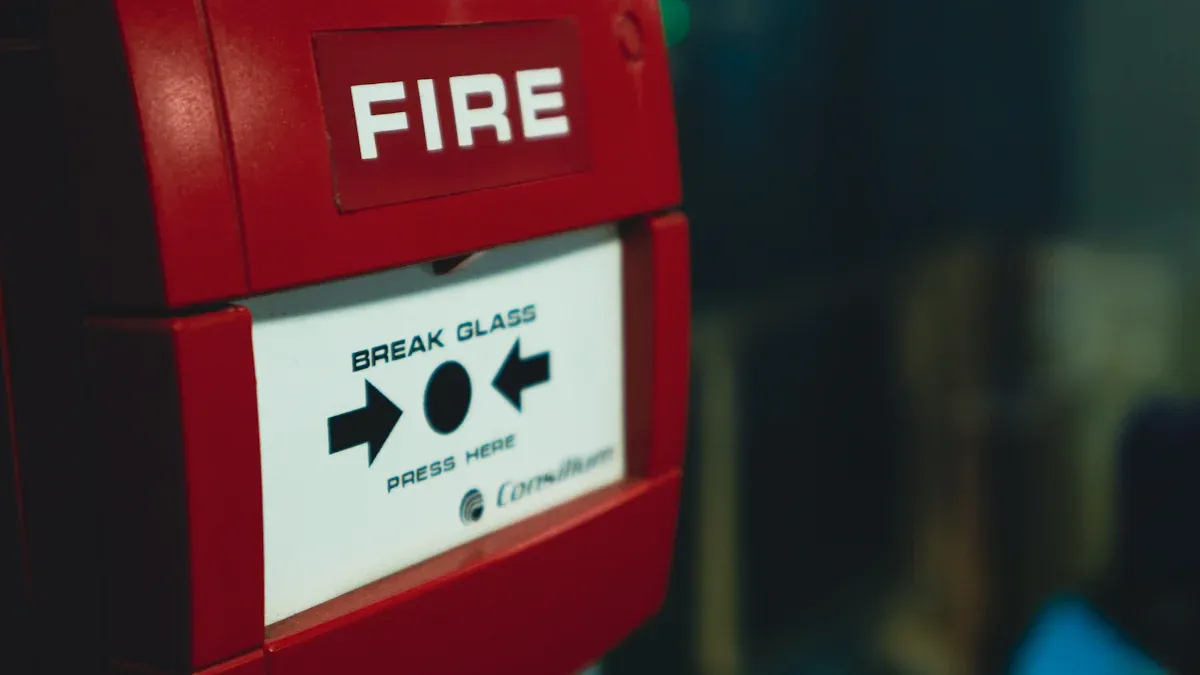
Designing effective fire emergency systems for high-rise buildings involves several critical components. Each element plays a vital role in ensuring occupant safety and facilitating a swift response during emergencies. Below are the essential components that contribute to a reliable fire emergency system:
- Fire Alarm Systems:
Fire alarm systems serve as the first line of defense against fire hazards. These systems detect smoke and heat, alerting occupants and emergency services. Key features include:- Manual Pull Stations: Allow occupants to trigger alarms in case of fire.
- Audible and Visual Alerts: Provide clear notifications to occupants, ensuring they can respond quickly.
- Integration with Other Systems: Fire alarm systems should connect with sprinkler systems and emergency lighting for coordinated responses.
- Sprinkler Systems:
Sprinkler systems are crucial for controlling or extinguishing fires before they escalate. They automatically activate when heat reaches a certain threshold. Important aspects include:- Wet Pipe Systems: These systems contain water at all times, ready to discharge when needed.
- Dry Pipe Systems: Used in areas prone to freezing, these systems release water only when activated.
- Regular Maintenance: Routine inspections ensure that sprinklers function correctly when required.
- Smoke Control Systems:
Smoke control systems manage smoke movement within a building, enhancing visibility and reducing toxic exposure. Effective smoke control includes:- Smoke Barriers: These barriers contain smoke to specific areas, allowing for safer evacuation routes.
- Smoke Exhaust Systems: These systems remove smoke from the building, improving air quality and visibility.
- Pressurization Systems: By maintaining positive pressure in certain areas, these systems prevent smoke from entering escape routes.
- Emergency Lighting:
Emergency lighting is essential for guiding occupants to safety during a fire. This lighting activates automatically when the main power fails. Key features include:- Exit Signs: Clearly marked exit signs help occupants locate exits quickly.
- Pathway Lighting: Illuminates evacuation routes, reducing confusion during emergencies.
- Regular Testing: Periodic checks ensure that emergency lighting remains functional.
- Fire Emergency Communication:
Effective fire emergency communication systems are vital for coordinating responses and informing occupants. These systems include:- Public Address Systems: Allow emergency personnel to provide real-time instructions to occupants.
- Two-Way Communication Devices: Enable direct communication between occupants and emergency responders.
- Integration with Alarm Systems: Ensures that communication occurs simultaneously with alarm activation, enhancing overall effectiveness.
By incorporating these essential components, high-rise buildings can significantly improve their fire emergency preparedness. Each system must work in harmony to protect occupants and facilitate efficient emergency responses.
Fire Alarm Systems
Fire alarm systems serve as a critical component of fire emergency systems in high-rise buildings. These systems detect smoke and heat, alerting occupants and emergency services promptly. A well-designed fire alarm system enhances safety and minimizes risks during emergencies.
Key components of fire alarm systems include:
- Smoke Detectors: These devices sense smoke particles in the air. They can be ionization or photoelectric types, each suited for different fire scenarios.
- Heat Detectors: These devices activate when they detect a specific temperature or a rapid rise in temperature. They are ideal for areas where smoke detectors may produce false alarms.
- Manual Pull Stations: Occupants can activate these stations to trigger the alarm manually. Their strategic placement ensures easy access during emergencies.
- Audible and Visual Alarms: These alarms alert occupants through loud sounds and flashing lights. They ensure that everyone, including those with hearing impairments, receives the warning.
Tip: Regular testing and maintenance of fire alarm systems are essential. This practice ensures that all components function correctly when needed.
Integration with other safety systems is vital. Fire alarm systems should connect with sprinkler systems and emergency lighting. This integration allows for a coordinated response during emergencies, enhancing overall effectiveness.
In high-rise buildings, the complexity of fire alarm systems increases due to height and occupancy. Therefore, designers must consider factors such as:
- Response Time: Quick alerts can save lives. Fire alarm systems should minimize delays in notifying occupants and emergency responders.
- System Redundancy: Backup systems ensure that alarms function even during power outages. This redundancy is crucial in high-rise environments.
By implementing robust fire alarm systems, high-rise buildings can significantly improve occupant safety and emergency response capabilities. These systems play a vital role in protecting lives and property during fire incidents.
Sprinkler Systems
Sprinkler systems play a vital role in fire safety for high-rise buildings. These systems automatically activate when they detect heat, helping to control or extinguish fires before they escalate. Their effectiveness can significantly reduce property damage and save lives. Key features of sprinkler systems include:
- Automatic Activation: Sprinklers respond to heat, activating without human intervention.
- Wide Coverage: A well-designed system covers large areas, ensuring that multiple zones receive protection.
- Reduced Water Damage: Sprinklers use less water than fire hoses, minimizing water damage during a fire.
Types of Sprinkler Systems
High-rise buildings typically utilize two main types of sprinkler systems:
| Type | Description |
|---|---|
| Wet Pipe Systems | These systems contain water at all times. They activate immediately when a sprinkler head opens. |
| Dry Pipe Systems | These systems hold pressurized air in the pipes. They release water only when activated, making them suitable for cold environments. |
Tip: Regular maintenance of sprinkler systems is essential. Routine inspections ensure that all components function correctly when needed.
Benefits of Sprinkler Systems
Implementing sprinkler systems in high-rise buildings offers several advantages:
- Life Safety: Sprinklers provide critical time for occupants to evacuate safely.
- Fire Control: They can suppress fires, reducing the need for extensive firefighting efforts.
- Insurance Benefits: Many insurance companies offer discounts for buildings equipped with sprinkler systems.
Smoke Control Systems
Smoke control systems are essential for enhancing safety in high-rise buildings during fire emergencies. These systems manage smoke movement, ensuring that escape routes remain accessible and visibility is maintained. Effective smoke control can significantly reduce the risks associated with smoke inhalation, which is a leading cause of fatalities in fires.
One of the primary components of smoke control systems is the pressurization system. This system prevents smoke from infiltrating escape routes, such as stairwells and corridors. For instance, stairwell pressurization maintains a positive pressure that keeps smoke out of these critical areas. Similarly, lift shaft pressurization stops smoke from entering elevator shafts, which can become dangerous during a fire. By creating a pressure differential, these systems facilitate safer evacuations and protect lobby and refuge areas, providing safe zones for occupants who may need to wait for assistance.
In addition to pressurization, smoke exhaust systems play a vital role in smoke control. These systems actively remove smoke from the building, improving air quality and visibility. They work by creating pathways for smoke to exit, thereby reducing the concentration of toxic gases. This process is crucial for maintaining safe evacuation routes and ensuring that occupants can navigate their way to safety.
Tip: Regular maintenance and testing of smoke control systems are vital. Ensuring that these systems function correctly can make a significant difference during an emergency.
By integrating effective smoke control systems, high-rise buildings can enhance occupant safety and improve overall emergency response capabilities. These systems not only protect lives but also contribute to the overall resilience of the building during fire incidents.
Emergency Lighting
Emergency lighting plays a crucial role in ensuring occupant safety during fire emergencies in high-rise buildings. This lighting activates automatically when the main power supply fails, guiding occupants to safety. Properly designed emergency lighting systems enhance visibility and reduce panic during evacuations.
Key components of emergency lighting include exit signs, pathway lighting, and backup power sources. These elements work together to illuminate escape routes, ensuring that occupants can navigate safely. Regular testing and maintenance of these systems are essential to guarantee functionality when needed.
The recommended emergency lighting levels for stairwells and corridors in high-rise buildings are as follows:
| Lighting Type | Minimum Level (ft-candles) | Duration |
|---|---|---|
| Normal Lighting | 1 – 10 | During occupancy |
| Emergency Lighting | 0.1 – 0.6 | For 90 minutes |
| Occupant Comfort | 10 – 20 | In corridors and stairs |
These lighting levels ensure that occupants can see clearly during an emergency, facilitating a swift evacuation.
In addition to traditional lighting, photoluminescent signage significantly improves evacuation outcomes during power failures. These signs remain visible in low-light conditions, enhancing wayfinding and reducing confusion. Implementing photoluminescent products, such as exit signs and directional markers, can lead to safer evacuations.
Research supports the effectiveness of this technology. A case study by the University of Connecticut showed that photoluminescent technology improved evacuation times by up to 50% in a college dormitory. Similarly, a study from the University of Illinois found a reduction in evacuation times by up to 75% in a high-rise office building.
By integrating effective emergency lighting and signage, high-rise buildings can enhance occupant safety and improve overall emergency response capabilities.
Fire Emergency Communication
Fire emergency communication systems are vital for ensuring occupant safety during emergencies in high-rise buildings. These systems integrate various components to provide timely and effective alerts. When a fire is detected, the Fire Alarm Control Panel (FACP) activates evacuation protocols within 30 seconds. This rapid response ensures that occupants receive alerts promptly, allowing them to react quickly.
Mass notification systems enhance fire emergency communication by combining fire alarms with voice evacuation systems. These systems deliver clear, zone-specific instructions to guide occupants effectively. Such tailored communication helps individuals make informed decisions, especially in high-stress situations. For instance, modern sensors reduce false alarms, which can lead to confusion and panic.
Additionally, the FACP coordinates automated building responses. It can shut down HVAC systems to prevent smoke spread and unlock doors for safe evacuation. This integration of technology streamlines the communication process and enhances overall safety.
Effective fire emergency communication also includes public address systems. These systems allow emergency personnel to provide real-time instructions to occupants. Two-way communication devices enable direct contact between occupants and responders, facilitating a coordinated response.
Regular testing and maintenance of these communication systems are essential. Ensuring that all components function correctly can significantly impact the effectiveness of emergency responses.
Regulatory Considerations
High-rise buildings must comply with various regulatory requirements to ensure fire safety. These regulations include adherence to building codes and fire safety standards established by organizations like the National Fire Protection Association (NFPA). Key aspects of these regulations involve the use of fire-resistant materials, installation of fire suppression systems, and conducting regular inspections and maintenance to ensure these systems remain effective.
For high-rise buildings, specific requirements include full sprinkler protection as mandated by NFPA 13. Buildings exceeding 420 feet must implement additional fire suppression measures. Furthermore, fire detection and alarm systems must be installed in critical areas such as mechanical and electrical rooms. These systems enhance safety by providing early warnings to occupants and emergency responders.
Additionally, high-rise buildings are required to have a minimum of two sprinkler risers for those exceeding 420 feet. Fire pumps must connect to at least two separate water mains to ensure adequate water supply during emergencies. Smoke detection systems must also be installed in various critical areas, including elevator machine rooms and HVAC return ducts. These measures significantly improve fire safety and facilitate effective fire emergency communication.
Regular inspections and maintenance of fire emergency systems are crucial. Building owners must ensure that all components function correctly and comply with the latest regulations. This proactive approach not only protects occupants but also enhances the overall safety of high-rise buildings.
Tip: Engage with local fire authorities to stay updated on regulatory changes and best practices for fire safety compliance.
National Fire Protection Association (NFPA) Standards
The National Fire Protection Association (NFPA) establishes critical standards that guide the design and implementation of fire emergency systems in high-rise buildings. These standards ensure that structures meet safety requirements and effectively protect occupants during emergencies. Compliance with NFPA standards is essential for architects, engineers, and building owners.
NFPA standards cover various aspects of fire safety, including the installation of fire suppression systems, alarm systems, and emergency communication protocols. These guidelines help design teams create effective fire emergency systems tailored to the unique challenges posed by tall structures.
Key requirements from NFPA standards include:
| Requirement | Description |
|---|---|
| In-rack sprinklers | Required for racks exceeding 20 feet in depth or 25 feet in height to enhance fire suppression. |
| Vertical spacing | A minimum of 6-inch gap between unit loads is mandated to allow effective water distribution from ceiling sprinklers. |
| Compliance strategies | Design teams must reassess strategies for high-density storage systems to meet new fire codes. |
These requirements emphasize the importance of effective fire suppression and smoke control in high-rise buildings. For instance, in-rack sprinklers significantly improve fire suppression capabilities in storage areas, while proper vertical spacing ensures that water from ceiling sprinklers can reach all areas effectively.
Building professionals must stay updated on NFPA standards to ensure compliance and enhance safety. Regular training and collaboration with local fire authorities can help teams navigate the complexities of fire safety regulations. By adhering to NFPA standards, high-rise buildings can provide safer environments for occupants and improve overall emergency response effectiveness.
Local Building Codes
Local building codes play a crucial role in the design and operation of high-rise buildings. These codes establish specific requirements that ensure safety and compliance with fire regulations. They often differ from international fire safety standards, which can lead to confusion among building owners and designers.
- Local building codes define high-rise buildings based on height thresholds. For example, some regions classify buildings over 27 meters as high-rises, reflecting local firefighting capabilities.
- In contrast, international fire safety standards typically set height thresholds between 23 and 30 meters. These standards consider the reach of firefighting equipment and the unique challenges posed by taller structures.
High-rise buildings face stricter regulations than their lower counterparts. These regulations include specific requirements for fire-rated elevators and emergency stairwell designs. Such measures ensure that occupants can evacuate safely and that firefighters can access all areas of the building effectively.
Staying updated with regulatory changes is essential for building owners. Compliance with local codes not only enhances safety but also protects against potential legal issues. Organizations like the National Fire Protection Association (NFPA) provide critical guidelines that differ from local codes. Building professionals must familiarize themselves with both local and NFPA standards to ensure comprehensive safety measures.
Tip: Regularly consult with local authorities to stay informed about any changes in building codes. This proactive approach helps maintain compliance and enhances the overall safety of high-rise buildings.
By understanding and adhering to local building codes, architects and engineers can design fire emergency systems that effectively protect occupants and facilitate efficient emergency responses.
Compliance with ADA Requirements
High-rise buildings must comply with the Americans with Disabilities Act (ADA) to ensure accessibility for all occupants, including those with disabilities. This compliance is essential for fire emergency systems, as it directly impacts the safety and evacuation of individuals with mobility challenges.
Key ADA requirements for fire emergency systems include:
- Accessible Exits: All exits must be accessible to individuals with disabilities. This includes ensuring that stairwells and emergency exits are equipped with features such as ramps or elevators that meet ADA standards.
- Visual and Audible Alarms: Fire alarm systems must include both visual and audible alerts. This dual approach ensures that individuals with hearing impairments receive timely warnings during emergencies.
- Emergency Communication: Fire emergency communication systems should provide clear instructions in multiple formats. This includes written signage and visual displays that guide occupants to safety.
- Evacuation Procedures: High-rise buildings must develop evacuation plans that consider the needs of individuals with disabilities. These plans should include designated areas of refuge and trained staff to assist during emergencies.
Tip: Regularly review and update evacuation plans to ensure they remain compliant with ADA requirements. Engaging with disability advocacy groups can provide valuable insights into best practices.
Incorporating these ADA requirements into fire emergency systems not only enhances safety but also fosters an inclusive environment. Building owners and safety professionals must prioritize accessibility to protect all occupants effectively. By doing so, they contribute to a safer and more equitable high-rise building experience.
Case Studies of Successful Implementations
Several high-rise buildings have successfully implemented fire emergency systems, showcasing effective strategies that enhance safety. Here are notable examples:
- One World Trade Center, New York City
This iconic structure incorporates advanced fire safety measures. The building features a state-of-the-art fire alarm system that integrates with smoke control systems. It also includes pressurized stairwells to protect evacuees from smoke. Regular drills ensure that occupants and staff are familiar with evacuation procedures.
- Burj Khalifa, Dubai
As the tallest building in the world, Burj Khalifa employs a comprehensive fire safety strategy. The building uses a combination of automatic sprinkler systems and smoke detectors. Firefighters can access the building’s advanced communication systems, which provide real-time updates during emergencies. This integration enhances coordination and response times.
- The Shard, London
The Shard features a robust fire emergency system that includes a sophisticated smoke control system. This system effectively manages smoke movement, ensuring safe evacuation routes. The building also conducts regular fire drills, allowing occupants to practice emergency procedures. Feedback from these drills helps improve safety protocols.
Tip: Regular training and system updates are crucial for maintaining effective fire emergency systems. Engaging with local fire authorities can provide valuable insights into best practices.
These case studies illustrate the importance of integrating advanced technologies and regular training in fire emergency systems. By learning from successful implementations, architects and safety professionals can enhance fire safety in high-rise buildings.
Notable High-Rise Projects
Several high-rise buildings around the world exemplify outstanding fire emergency systems. These projects showcase innovative designs and effective safety measures. Here are a few notable examples:
- Taipei 101, Taiwan
Taipei 101 features a comprehensive fire safety strategy. The building incorporates a sophisticated fire alarm system and advanced smoke control measures. Its design includes pressurized stairwells, which protect evacuees from smoke during emergencies.
- Shanghai Tower, China
Shanghai Tower stands as a model for fire safety in tall structures. The building utilizes a dual-sprinkler system that enhances fire suppression capabilities. Additionally, its smoke control system effectively manages smoke movement, ensuring safe evacuation routes.
- Willis Tower, Chicago
Formerly known as the Sears Tower, Willis Tower employs a robust fire emergency communication system. This system integrates voice alarms and visual alerts, providing clear instructions to occupants. Regular fire drills ensure that staff and occupants are familiar with evacuation procedures.
- Petronas Towers, Malaysia
The Petronas Towers utilize advanced fire detection systems. These systems include both smoke and heat detectors, ensuring rapid response to fire incidents. The towers also feature dedicated fire-fighting elevators, allowing emergency responders to access upper floors quickly.
Tip: Regular maintenance and updates to fire emergency systems are crucial. Engaging with local fire authorities can provide valuable insights into best practices.
These high-rise projects demonstrate the importance of integrating advanced fire safety measures. By prioritizing occupant safety, these buildings set a standard for future developments. Their successful implementations serve as valuable case studies for architects and engineers worldwide.
Lessons Learned from Failures
High-rise building fires have revealed critical lessons that can enhance fire emergency systems. These lessons stem from past incidents where failures in safety protocols led to devastating consequences.
- Regular Training and Education: Building management must prioritize training programs for occupants. Familiarizing residents with evacuation procedures and fire safety equipment is essential. Regular drills help ensure that everyone knows how to respond during emergencies.
- Encouraging Reporting of Hazards: Management should create an environment where occupants feel comfortable reporting fire hazards. Engaging residents in safety discussions fosters a proactive approach to fire prevention.
- Compliance with Regulations: Adhering to fire safety regulations is crucial. Regular inspections help maintain safety standards in high-rise buildings. Non-compliance can lead to catastrophic outcomes, as seen in past incidents.
High-rise fires can result in mass casualties due to challenges in fire suppression and occupant evacuation. Improving residents’ fire safety literacy significantly reduces fire hazards. Individuals who understand fire risks are more likely to evacuate promptly. Conversely, those with low risk perception may hesitate, increasing their vulnerability.
Tip: Building management should implement ongoing education initiatives to enhance fire safety awareness among occupants.
Best Practices for Maintenance and Training
Maintaining fire emergency systems in high-rise buildings requires a proactive approach. Regular maintenance and comprehensive training ensure that systems function effectively during emergencies. Here are some best practices to consider:
Maintenance Practices
- Regular Inspections: Conduct routine inspections of fire alarm systems, sprinkler systems, and smoke control systems. Schedule these inspections at least twice a year to identify potential issues early.
- System Testing: Test all components of fire emergency systems regularly. This includes smoke detectors, alarms, and emergency lighting. Testing should occur monthly to ensure reliability.
- Documentation: Maintain detailed records of inspections, tests, and repairs. This documentation helps track system performance and compliance with regulations.
Tip: Use a checklist during inspections to ensure all components are evaluated systematically.
Training Practices
- Staff Training Programs: Implement training programs for building staff. These programs should cover the operation of fire emergency systems, evacuation procedures, and emergency response protocols.
- Occupant Education: Educate building occupants about fire safety. Conduct workshops or distribute informational materials that explain evacuation routes and emergency procedures.
- Emergency Drills: Organize regular fire drills to practice evacuation procedures. These drills help occupants become familiar with exit routes and reduce panic during real emergencies.
| Training Type | Frequency | Purpose |
|---|---|---|
| Staff Training | Bi-annual | Ensure staff can operate fire systems |
| Occupant Education | Annual | Raise awareness of fire safety protocols |
| Emergency Drills | Quarterly | Practice evacuation and improve response time |
By implementing these best practices, high-rise buildings can enhance their fire emergency preparedness. Regular maintenance and effective training create a safer environment for all occupants.
Regular System Inspections
Regular inspections of fire emergency systems are essential for maintaining safety in high-rise buildings. These inspections ensure that all components function correctly and comply with safety regulations. Building owners and managers should prioritize these inspections to protect occupants and property.
Key Practices for Regular Inspections
- Schedule Inspections: Conduct inspections at least twice a year. This frequency allows for timely identification of potential issues.
- Document Findings: Maintain detailed records of each inspection. Documentation helps track system performance and compliance with regulations.
- Test All Components: Inspect fire alarms, sprinklers, smoke control systems, and emergency lighting. Testing ensures that each component operates effectively during emergencies.
Tip: Use a checklist during inspections to ensure thorough evaluations of all systems.
Benefits of Regular Inspections
Regular inspections provide several advantages:
- Enhanced Safety: Inspections help identify and rectify issues before they escalate into emergencies. This proactive approach significantly reduces risks for occupants.
- Compliance Assurance: Regular checks ensure that fire emergency systems meet local building codes and NFPA standards. Compliance protects building owners from legal liabilities.
- Increased Reliability: Well-maintained systems function more effectively during emergencies. Regular inspections enhance the reliability of fire emergency systems, ensuring they perform as intended.
Staff Training Programs
Effective staff training programs are essential for ensuring that high-rise building personnel can respond appropriately during fire emergencies. These programs equip staff with the knowledge and skills necessary to manage emergencies effectively. Key components of successful training programs include:
- Comprehensive Fire Safety Education: Staff should receive training on fire hazards, prevention strategies, and emergency response protocols. This education helps them understand their roles during a fire incident.
- Hands-On Training: Practical exercises, such as using fire extinguishers and navigating evacuation routes, enhance staff readiness. Simulated fire drills allow staff to practice their responses in a controlled environment.
- Regular Updates: Fire safety regulations and technologies evolve. Staff training programs must include regular updates to keep personnel informed about the latest practices and equipment.
- Collaboration with Local Fire Departments: Engaging local fire authorities in training sessions provides valuable insights. Firefighters can share real-world experiences and best practices, enhancing the training’s relevance.
Tip: Schedule training sessions at least twice a year to reinforce knowledge and skills. Frequent practice ensures that staff remain prepared for emergencies.
Training Program Structure
A well-structured training program typically includes the following elements:
| Training Component | Description |
|---|---|
| Orientation | Introduces new staff to fire safety protocols and emergency procedures. |
| Drills | Conducts regular fire drills to practice evacuation and response. |
| Refresher Courses | Offers periodic refresher courses to reinforce knowledge and skills. |
| Evaluation | Assesses staff performance during drills to identify areas for improvement. |
By implementing robust staff training programs, high-rise buildings can significantly enhance their fire emergency preparedness. Well-trained personnel contribute to a safer environment for all occupants.
Emergency Drills and Simulations
Emergency drills and simulations are vital components of fire safety preparedness in high-rise buildings. These exercises ensure that occupants and staff understand evacuation procedures and can respond effectively during emergencies. Regularly scheduled drills help identify weaknesses in emergency plans and enhance overall safety.
Benefits of Conducting Drills
- Familiarization: Drills familiarize occupants with evacuation routes and emergency procedures. This knowledge reduces confusion during real emergencies.
- Response Time Improvement: Regular practice improves response times. Occupants learn to evacuate quickly and efficiently, minimizing risks.
- Identification of Issues: Drills reveal potential problems in evacuation plans. Building management can address these issues before a real emergency occurs.
- Confidence Building: Repeated practice instills confidence in occupants. They feel more secure knowing they can navigate emergencies effectively.
Best Practices for Emergency Drills
- Frequency: Conduct drills at least twice a year. This frequency ensures that occupants remain familiar with procedures.
- Variety: Use different scenarios during drills. Simulating various emergencies, such as fires or smoke conditions, prepares occupants for diverse situations.
- Feedback: After each drill, gather feedback from participants. This input helps refine evacuation plans and improve future drills.
| Drill Type | Description |
|---|---|
| Full Evacuation | All occupants evacuate the building completely. |
| Partial Evacuation | Only specific floors or areas evacuate. |
| Tabletop Exercises | Staff discuss response strategies in a controlled setting. |
Tip: Involve local fire departments in drills. Their participation provides valuable insights and enhances the realism of the exercises.
By prioritizing emergency drills and simulations, high-rise buildings can significantly improve their fire safety preparedness. These proactive measures not only protect occupants but also foster a culture of safety within the building.
Reliable fire emergency systems are essential for ensuring the safety of occupants in high-rise buildings. These systems protect lives and property during emergencies. Ongoing evaluation and improvement of these systems are crucial. Regular assessments help identify weaknesses and enhance overall effectiveness.
Collaboration among architects, engineers, and safety professionals fosters innovation and ensures comprehensive safety measures. By working together, they can create environments that prioritize occupant safety and streamline emergency responses.
FAQ
What are the key components of a fire emergency system in high-rise buildings?
Key components include fire alarm systems, sprinkler systems, smoke control systems, emergency lighting, and fire emergency communication systems. Each element plays a vital role in ensuring occupant safety during emergencies.
How often should fire emergency systems be inspected?
Fire emergency systems should undergo inspections at least twice a year. Regular checks help identify potential issues and ensure compliance with safety regulations.
What role does technology play in fire emergency systems?
Technology enhances fire emergency systems through smart alarms, building management systems, and mobile applications. These tools improve monitoring, communication, and response capabilities during emergencies.
Why is staff training important for fire safety?
Staff training ensures personnel understand fire safety protocols and can respond effectively during emergencies. Regular drills and education improve response times and occupant safety.
How can building owners ensure compliance with fire safety regulations?
Building owners should stay informed about local building codes and NFPA standards. Regular consultations with local fire authorities can help maintain compliance and enhance overall safety.
Post time: Mar-07-2026