
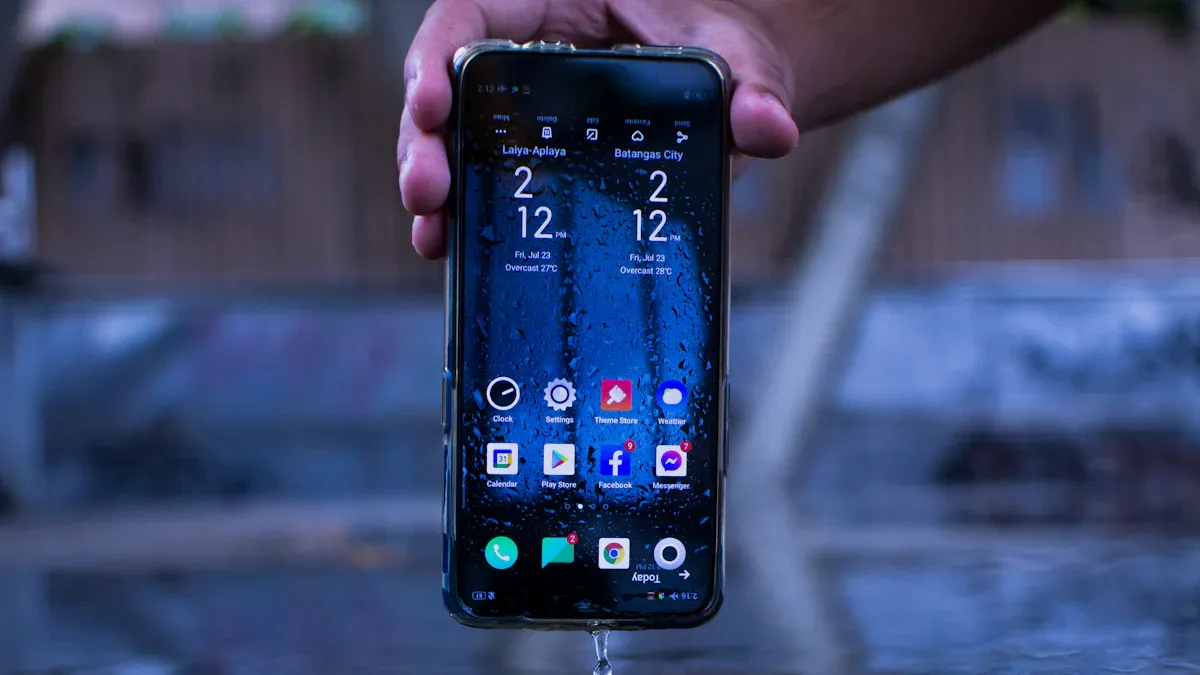
Weatherproof refers to a product’s ability to resist exposure to various weather conditions, while waterproof indicates that an item can withstand immersion in water without damage. Understanding these terms is vital for selecting the right equipment, especially when considering the IP rating for telephones.
IP ratings play a crucial role in evaluating the resilience of industrial telephones. Higher IP ratings, such as IP66 vs IP67 waterproof phones, signify enhanced protection against environmental factors, which significantly impacts performance and longevity. For instance, devices rated IP68 are designed to be dust-tight and can endure immersion in water. This level of protection ensures that industrial communication standards are met, maintaining reliability in challenging environments, including the use of outdoor industrial intercoms and marine grade telephone protection.
Key Takeaways
- Understand the difference between weatherproof and waterproof. Weatherproof devices resist light rain, while waterproof devices can endure immersion in water.
- Know the significance of IP ratings. Higher ratings, like IP67 or IP68, indicate better protection against dust and water, ensuring device reliability in harsh environments.
- Assess your environment before choosing a telephone. Consider dust levels, water exposure, and temperature to select the right IP rating for your needs.
- Match the IP rating to your industry requirements. Different sectors, like food processing or oil and gas, have specific needs for durability and protection.
- Always check the IP rating before purchasing. This ensures the device will perform well in the conditions it will face.
Understanding IP Ratings for Telephones
Definition of IP Ratings
IP ratings, or Ingress Protection ratings, define the levels of sealing effectiveness of electrical enclosures against intrusion from foreign bodies and moisture. These ratings are standardized by the International Electrotechnical Commission (IEC). They serve as a reliable measure for assessing the durability of industrial telephones in various environments.
- Key Points about IP Ratings:
- IP stands for Ingress Protection.
- It indicates the degree of protection against solids and liquids.
- The ratings are determined by tests outlined by the IEC.
Structure of IP Ratings
IP ratings consist of the letters “IP” followed by a two-digit code. Each digit conveys specific information about the device’s protective capabilities.
- The first digit signifies protection against solid objects, ranging from large items to fine dust particles. For example, a rating of 6 means the enclosure is completely dust-tight.
- The second digit indicates protection against moisture. This ranges from dripping water to immersion in water, with higher numbers representing greater resistance.
Understanding this structure helps users select the appropriate IP rating for telephones based on their operational environment.
How IP Ratings are Determined
The determination of IP ratings involves rigorous testing procedures defined by the IEC under the IEC 60529 standard. These tests evaluate how well a device can withstand various environmental factors.
| IP Rating | Description |
|---|---|
| IP5X | Some dust may enter, but not enough to interfere with operation |
| IP6X | No dust ingress whatsoever after the full test duration |
| IPX1 | Dripping water from overhead nozzles (~0.4 mm diameter) |
| IPX2 | Adds a 15° tilt to the device for simulating condensation |
| IPX3 | Water sprayed from oscillating spray heads at various angles |
| IPX4 | Allows spray from all directions (no shielding) |
| IPX5 | Water projected from a 6.3 mm nozzle at 12.5 liters/min from 3 meters distance |
| IPX6 | Water projected from a 12.5 mm nozzle at 100 liters/min from 3 meters distance |
| IPX7 | Device immersed in up to 1 meter of water for 30 minutes |
| IPX8 | Device immersed deeper than 1 meter for a duration specified by the manufacturer |
| IPX9K | High-pressure, high-temperature water sprayed from 10–15 cm distance at 1160–1450 psi |
These testing procedures ensure that manufacturers provide accurate IP ratings for telephones, allowing users to make informed decisions based on their specific needs.
Weatherproof vs. Waterproof
Key Differences
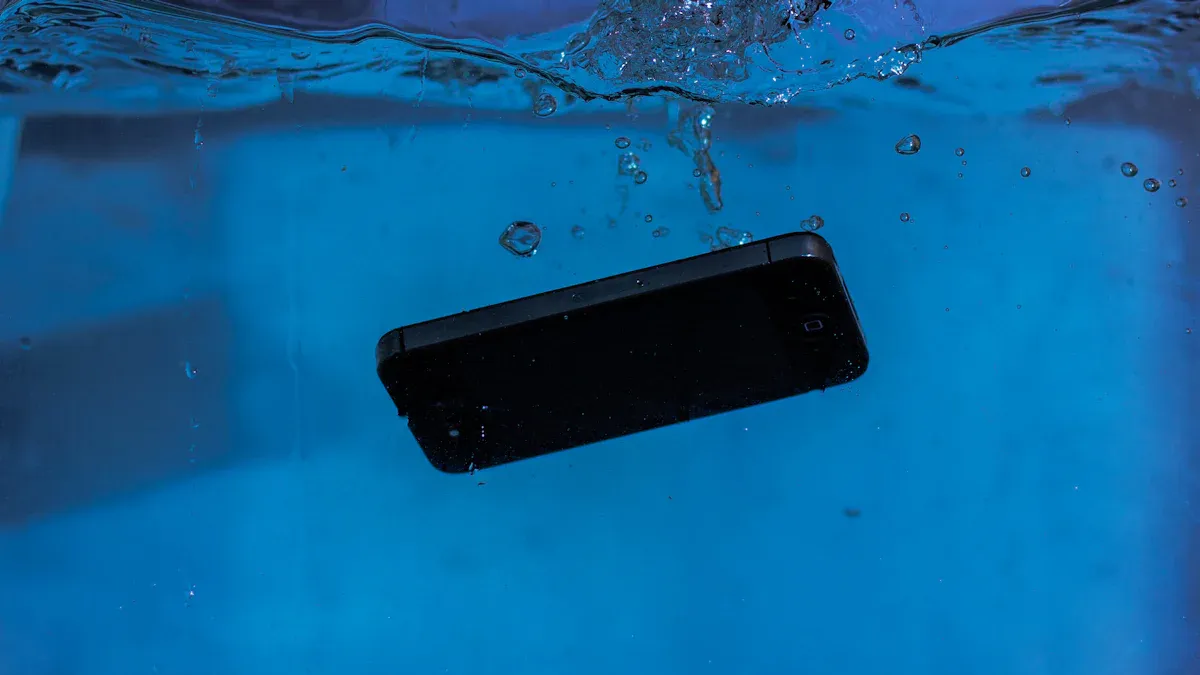
Understanding the distinctions between weatherproof and waterproof is essential for selecting the right industrial telephone. Here are the primary differences:
- Protection Level:
- Weatherproof devices typically have an IP rating of IPX2 or IPX3, which protects against light rain and condensation.
- Waterproof devices require a minimum IP rating of IPX6, allowing them to withstand heavy rain and even submersion in water.
- Material Composition:
- Weatherproof telephones often use materials like aluminum alloy and ABS, providing durability against dust and moisture.
- Waterproof telephones, such as the JR101-FK-L, feature robust enclosures designed specifically for harsh environments, ensuring they can endure exposure to rain, dust, and temperature fluctuations.
- Application Environments:
- Weatherproof telephones are suitable for both indoor and outdoor use, making them versatile for various settings.
- Waterproof telephones excel in environments where immersion in water is a risk, such as marine operations or wastewater treatment facilities.
Examples of Weatherproof Products
Several weatherproof telephones demonstrate their effectiveness in various settings:
- JR101-CB: This model boasts an ingress protection rating of IP66, ensuring it can resist dust and water ingress. Its durable construction makes it ideal for both indoor and outdoor applications.
- General Weatherproof Telephones: These devices are designed for use in tunnels, mining operations, and metro stations, where reliable communication is crucial despite exposure to the elements.
Examples of Waterproof Products
Waterproof telephones are engineered for extreme conditions. Here are notable examples:
- JR101-FK-L: This waterproof telephone is rated IP67, allowing it to withstand submersion in water. Its aluminum alloy shell and imported seal ring enhance its durability, making it suitable for outdoor and semi-outdoor areas.
- Industrial Waterproof Telephones: These devices are commonly used in oil and gas, manufacturing, and marine operations. They typically feature IP ratings of IP65, IP66, IP67, or IP68, ensuring they can handle exposure to water and dust effectively.
By understanding these differences and examples, users can make informed decisions when selecting telephones based on their specific environmental needs.
Importance of IP Ratings for Industrial Telephones
Impact on Durability
IP ratings significantly influence the durability of industrial telephones. These ratings provide essential information about how well a device can withstand environmental challenges. For instance, the first digit of the IP rating indicates protection against solids. A rating of IP6X ensures complete dust protection, which is crucial for devices used in dusty environments like construction sites or mines. The second digit signifies liquid protection. Ratings such as IP67 and IP68 indicate that devices can resist water immersion, making them suitable for various industrial applications.
Reliability in Harsh Environments
Reliability is paramount for industrial telephones operating in harsh environments. IP ratings help evaluate the durability of these devices in challenging settings, such as mining or marine operations. Key points include:
- IP Ratings are essential for evaluating the durability of industrial telephones in challenging environments.
- The first digit indicates protection against solids, with IP6X being ideal for complete dust protection.
- The second digit signifies liquid protection, with ratings like IP67 and IP68 indicating resistance to water immersion.
- Common ratings such as IP65, IP66, and IP67/IP68 ensure devices can withstand various environmental conditions, crucial for mining and marine applications.
Compliance and Standards
Compliance with international standards is vital for manufacturers of industrial telephones. The assignment of IP ratings follows specific guidelines to ensure reliability and safety. Key standards include:
| IP Rating | Description | Application |
|---|---|---|
| IP65 | Dust-tight, protected against low-pressure water jets | Minimum for industrial use |
| IP67 | Can withstand immersion in water up to 1 meter for 30 minutes | Suitable for general industrial environments |
| IP68 | Prolonged submersion resistance under specified conditions | Ideal for environments requiring high hygiene standards, such as food processing and pharmaceuticals |
| IP69K | High-pressure, high-temperature wash-downs | Necessary for rigorous cleaning processes in sensitive industries |
The IEC rating and ISO IP code are recognized as international standards that govern the assignment of IP ratings. In the UK, the assignment of IP ratings follows the BS EN 60529:1992 standard. Understanding these compliance requirements helps users select reliable telephones that meet industry standards.
Choosing the Right Telephone Based on IP Ratings
Assessing Environmental Conditions
When selecting an industrial telephone, assessing environmental conditions is crucial. Various factors influence the choice of IP ratings, including:
- Dust Levels: High dust concentrations can affect device performance. An IP rating of at least IP5X is necessary for dust-heavy areas.
- Water Exposure: Environments with frequent water exposure require a minimum of IP65 to ensure functionality.
- Humidity and Temperature: High humidity and temperature fluctuations can impact device longevity. Equipment in these conditions often needs higher IP ratings.
- Chemical Exposure: Industries like food processing and pharmaceuticals require devices that can withstand regular cleaning. An IP68 or IP69K rating is essential for these applications.
Understanding these factors helps users select devices that can withstand specific environmental challenges.
Matching IP Ratings to Needs
Matching IP ratings to operational needs involves several guidelines:
- Assess the Operational Environment: Consider dust levels, water exposure, humidity, and chemical presence.
- Determine the Minimum IP Rating:
- Dust-heavy areas require at least IP5X.
- Wet areas need a minimum of IP65.
- Constant immersion environments demand IP67 or above.
- Chemical-exposed zones may need additional sealing.
By following these guidelines, users can ensure they select the appropriate IP rating for telephones based on their specific operational needs.
Considerations for Specific Industries
Different industries have unique requirements for IP ratings. For instance:
| Environment Type | Required IP Rating | Description |
|---|---|---|
| Food Processing | IP68 or IP69K | Must withstand daily high-pressure wash-downs with hot water and sanitizing chemicals. |
| Manufacturing | IP69K | Requires dust-tight and high-pressure cleaning capabilities for hygiene and sanitation. |
| Oil and Gas | IP66, IP67, IP68 | Devices must endure harsh conditions, including dust and water immersion. |
These considerations ensure that industrial telephones meet the specific demands of their operational environments, enhancing reliability and safety.
In summary, the key differences between weatherproof and waterproof telephones lie in their protection levels and intended applications. Weatherproof devices typically offer basic protection against moisture and dust, while waterproof models provide enhanced sealing for immersion in water.
Understanding IP ratings is crucial for making informed purchasing decisions. Knowledge of these ratings helps users select the right devices for their specific environments, ensuring durability and reliability. For instance, a robust IP rating, such as IP67 or higher, is essential in sectors like healthcare, where sanitation is critical.
Tip: Always consider the operational environment and match the IP rating to your needs to enhance the longevity of your industrial telephones.
FAQ
What does IP stand for in IP ratings?
IP stands for Ingress Protection. It indicates how well a device can resist intrusion from solid objects and liquids.
How do I know if a telephone is weatherproof or waterproof?
Check the IP rating. Weatherproof devices typically have ratings like IPX2 or IPX3, while waterproof devices have ratings of IPX6 or higher.
Can I use a weatherproof telephone in heavy rain?
Yes, but it depends on the specific rating. Devices rated IP66 can handle heavy rain, while those rated IPX2 may only withstand light moisture.
What is the highest IP rating available?
The highest standard IP rating is IP69K. This rating indicates protection against high-pressure, high-temperature water jets.
Why are IP ratings important for industrial telephones?
IP ratings ensure that telephones can withstand harsh environments. They help users select devices that maintain functionality and durability in challenging conditions.
Post time: Mar-05-2026