

Top Industrial Telephone Solutions are essential for improving safety and communication across diverse environments. Organizations must prioritize reliability and support when choosing these systems. Key criteria include compliance with NEMA and IP ratings, material strength, and design features. These factors ensure that the best industrial phones for factories can endure harsh conditions while delivering efficient communication. Additionally, Emergency Infrastructure Phones are crucial for maintaining safety protocols, and it’s important to consider recommended emergency phone brands that meet industry standards. For those wondering, “Which phones work best for transportation hubs?” it’s vital to select models that are robust and reliable. Furthermore, many are curious, “Are modern phones integrated with networks?” Yes, modern industrial telephones often come equipped with network integration capabilities, enhancing their functionality in various applications.
Key Takeaways
- Investing in reliable industrial telephone solutions enhances safety and communication in various environments.
- VoIP systems offer cost savings, improved call quality, and scalability, making them ideal for modern industrial settings.
- Ruggedized telephones are built to withstand harsh conditions, ensuring uninterrupted communication in demanding environments.
VoIP Systems
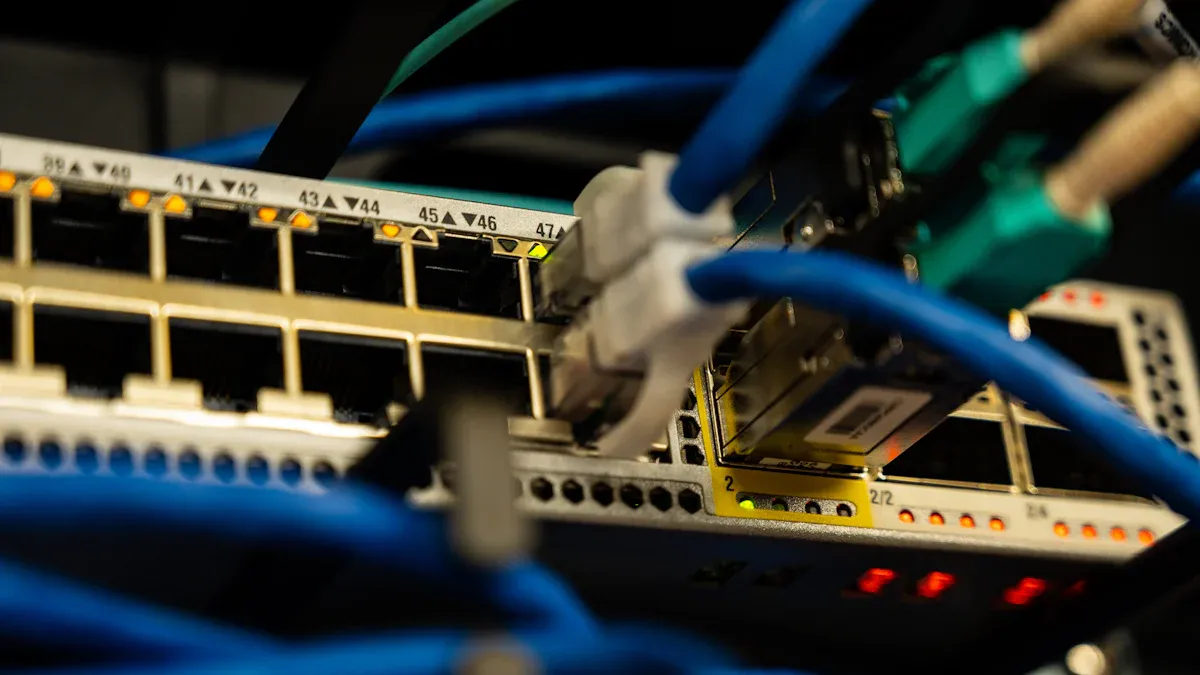
VoIP (Voice over Internet Protocol) systems have transformed communication in industrial environments. These systems offer numerous advantages over traditional telephone systems, making them a top choice for modern safety and communication infrastructure.
Key Advantages of VoIP Systems:
- Cost-effective solutions
- Enhanced call quality
- Greater scalability
The following table summarizes the main advantages of VoIP systems:
| Advantage | Evidence |
|---|---|
| Cost Reductions | Large organizations often realize 35% cost reductions when consolidating into VoIP platforms. |
| IT Infrastructure Savings | Businesses can save up to 40% on IT infrastructure, maintenance, and support after moving to cloud VoIP. |
| International Call Savings | Traditional long-distance and international calls are often 50% lower with VoIP. |
| Bundled Calling Plans | VoIP allows bundling unlimited international calling in many plans, improving cost predictability. |
VoIP systems also excel in reliability and performance. Many top providers advertise 99.99% uptime for voice services. This reliability is crucial for industries where communication is vital for safety. Additionally, HD voice and low-latency connections enhance call clarity, reducing errors and misunderstandings.
| Advantage | Evidence |
|---|---|
| Uptime | Top VoIP providers advertise 99.99% uptime for voice services. |
| Call Clarity | HD voice and low-latency connections help reduce errors and misunderstandings. |
| AI Routing | AI routing and network optimization further boost call quality in high-demand environments. |
Unified Communications
Unified Communications (UC) integrates various communication tools into a single platform. This integration enhances collaboration and streamlines operations in industrial environments. Organizations that adopt UC systems often experience significant improvements in efficiency and productivity.
Key Benefits of Unified Communications:
- Cost reductions
- Enhanced productivity
- Improved team performance
- Better decision-making
The following table summarizes the operational efficiency gains associated with UC platforms:
| Evidence Type | Statistic/Result |
|---|---|
| Telecommunications Cost Reduction | Up to 30% reduction in costs by adopting UC systems |
| Productivity Gain | Average productivity gain of 20% reported by organizations implementing UC |
| Improved Team Performance | 25% more likely to report improved team performance with UC tools |
| Better Decision-Making | 30% more likely to have better decision-making processes with UC tools |
Companies can reduce telecommunications costs by up to 30% by moving to UC systems. Additionally, businesses that implement UC solutions can save an average of 35% annually in communication costs. These savings allow organizations to allocate resources more effectively, ultimately enhancing their operational capabilities.
Conferencing Solutions
Conferencing solutions play a vital role in enhancing communication within industrial environments. These systems facilitate real-time collaboration among teams, regardless of their physical location. Organizations benefit from improved decision-making and faster problem resolution through effective conferencing tools.
Key Features of Industrial Conferencing Solutions:
- High customization options
- Advanced security measures
- Scalability for large enterprises
- Extensive integration capabilities
The following table highlights the features that distinguish industrial conferencing solutions from standard business conferencing tools:
| Feature | Industrial Conferencing Solutions | Standard Business Conferencing Tools |
|---|---|---|
| Customization | High customization options | Limited customization |
| Security | Advanced security measures | Basic security features |
| Scalability | Highly scalable for enterprises | Limited scalability |
| Integration Capabilities | Extensive integration options | Basic integration capabilities |
Industrial conferencing solutions offer significant advantages over standard tools. Their high customization allows organizations to tailor features to meet specific operational needs. Advanced security measures ensure that sensitive information remains protected during discussions. Scalability enables these solutions to grow alongside the organization, accommodating increasing communication demands.
Moreover, extensive integration capabilities allow seamless connections with other communication systems. This integration enhances overall efficiency and ensures that teams can collaborate effectively. By adopting industrial conferencing solutions, organizations can foster a culture of collaboration and innovation, ultimately driving success in their operations.
Emergency Communication Systems

Emergency communication systems are vital for ensuring safety in industrial environments. These systems provide rapid and reliable communication during emergencies, helping organizations respond effectively to incidents. Key components of an effective emergency communication system include:
| Component | Description |
|---|---|
| Multi-Channel Communication | Utilizes various channels to ensure message delivery, providing redundancy in case one fails. |
| Automated Alerts | Sends predefined alerts automatically based on triggers, speeding up the notification process. |
| Two-Way Communication | Enables feedback and confirmation from stakeholders, enhancing situational awareness. |
| Integration with Other Systems | Connects with existing business systems to maintain updated contact information for efficient management. |
| Scalability | Adapts to growing communication needs as the business expands, ensuring performance is maintained. |
These components work together to create a robust communication framework. For instance, a metalworks facility implemented an emergency panic button to alert response teams when smoke was detected from an overheating hydraulic press. This quick action prevented a potential fire disaster. Similarly, during a severe storm, a packaging facility’s incident management solution ensured that all employees received immediate shutdown instructions, with 92% confirming receipt of the message within seconds.
By investing in emergency communication systems, organizations enhance their safety protocols and improve incident response times. These systems not only protect employees but also safeguard assets and maintain operational continuity.
Wireless Industrial Phones
Wireless industrial phones offer significant advantages over traditional wired alternatives, especially in hazardous environments. These devices enhance safety by allowing remote operation, which reduces the need for personnel in dangerous areas. This capability minimizes accident risks and promotes a safer workplace.
Key Benefits of Wireless Industrial Phones:
- Enhanced Safety: Wireless devices allow remote operation, reducing personnel exposure to hazards.
- Cost-Effectiveness: Lower initial deployment and maintenance costs arise from reduced physical infrastructure needs.
- Operational Flexibility: Easier installation and scalability enable quick adaptation to changing operational demands.
| Benefit | Description |
|---|---|
| Enhanced Safety | Wireless devices allow remote operation, reducing the need for personnel in hazardous areas, thus minimizing accident risks. |
| Cost-Effectiveness | Lower initial deployment and maintenance costs due to reduced physical infrastructure needs. |
| Operational Flexibility | Easier installation and scalability, allowing for quick adaptation to changing operational needs. |
Despite these benefits, deploying wireless industrial phones presents challenges. Security remains a primary concern, as robust IT infrastructure is essential for comprehensive protection. Additionally, navigating existing structures and potential interference from electrical devices complicates installation in large facilities. Reliable connectivity is crucial for mobile applications, such as Automated Guided Vehicles (AGVs), which can face disruptions due to metal structures and electrical interference.
By addressing these challenges, organizations can leverage wireless industrial phones to enhance communication and safety in their operations.
Ruggedized Telephones
Ruggedized telephones are essential for industries that operate in harsh environments. These devices are designed to withstand extreme conditions, ensuring reliable communication when it matters most. Organizations often choose ruggedized phones for their durability and resilience.
Key Features of Ruggedized Telephones:
- Durability: Built to endure drops, vibrations, and impacts.
- Environmental Resistance: Function effectively in extreme temperatures and high humidity.
- Long Lifespan: Designed for prolonged use in demanding settings.
The following table highlights the testing standards that demonstrate the reliability of ruggedized telephones:
| Evidence Type | Description |
|---|---|
| Drop & Vibration | Ruggedized phones are tested against MIL-STD-810G standards for drops and vibrations, ensuring they can withstand physical impacts common in industrial settings. |
| Extreme Temperature & Humidity | Devices are subjected to environmental testing under MIL-STD-810 to ensure they function in extreme temperatures and high humidity, reducing operational disruptions. |
These features make ruggedized telephones a smart investment for industries such as construction, manufacturing, and oil and gas. By ensuring that communication remains uninterrupted, these devices enhance safety and operational efficiency. Organizations can trust ruggedized telephones to perform reliably, even in the most challenging conditions.
Cloud-Based Solutions
Cloud-based telephone solutions have revolutionized communication for industrial organizations. These systems offer remarkable scalability and flexibility, allowing businesses to adapt to changing needs efficiently.
Key Features and Benefits of Cloud-Based Solutions:
| Feature | Benefit |
|---|---|
| Easy addition/removal of lines | Allows businesses to scale communication systems without significant cost or complexity. |
| Support for remote workers | Ensures consistent functionality for distributed teams, enhancing operational flexibility. |
| Flexible licensing models | Enables organizations to adjust their capacity based on seasonal demands or business changes. |
| Support for organizational changes | Facilitates continuity during mergers, acquisitions, or relocations, ensuring seamless operations. |
Cloud-based solutions also enhance operational efficiency. They allow organizations to expand into new markets or respond to seasonal demand without disrupting service. This adaptability is crucial in today’s fast-paced industrial landscape.
However, security remains a top priority when implementing these solutions. Organizations must address several considerations:
- Implement data encryption for sensitive information in public cloud environments.
- Establish secure access controls, including VPNs and multi-factor authentication.
- Ensure compliance with industry-specific regulations such as HIPAA or PCI DSS.
By prioritizing security and leveraging the benefits of cloud-based telephone solutions, organizations can enhance their communication infrastructure while maintaining safety and efficiency.
Analog Telephone Adapters
Analog Telephone Adapters (ATAs) play a crucial role in bridging the gap between legacy communication systems and modern IP networks. These devices allow organizations to integrate older analog phones with contemporary digital VoIP services, ensuring a smooth transition without the need for immediate hardware replacement.
Key Functions of Analog Telephone Adapters:
- Integration of Legacy Systems: ATAs enable older communication systems to connect with modern networks, preserving existing investments in telephony.
- Operational Continuity: They allow legacy devices to remain functional while facilitating modernization efforts.
- Signal Conversion: ATAs convert analog voice signals into digital packets, enabling the use of analog phones with VoIP services.
By utilizing ATAs, organizations can maintain essential telephony features while upgrading their communication infrastructure. This capability is particularly beneficial for industries that rely on established equipment but seek to enhance their operational efficiency.
For example, a manufacturing facility can continue using its existing analog phones while transitioning to a VoIP system. This approach minimizes disruption and allows for gradual upgrades. As a result, businesses can enjoy the benefits of modern communication technologies without incurring significant costs associated with replacing all their equipment at once.
Intercom Systems
Intercom systems play a crucial role in enhancing communication and safety within industrial environments. These systems facilitate instant communication between personnel, ensuring that everyone remains informed and connected. Organizations often implement intercom systems to streamline operations and improve response times during emergencies.
Key Applications of Intercom Systems:
- Real-time automation and monitoring: Wireless networks enable continuous monitoring of machines, facilitating predictive maintenance and real-time adjustments.
- Increased mobility and flexibility: Wireless solutions allow for easy relocation of machines and operators, enhancing operational efficiency.
- Instant alerts and emergency response: Wireless systems provide immediate alerts for hazards, ensuring rapid response to emergencies.
- Remote monitoring of dangerous zones: Wireless sensors track conditions in hazardous areas, reducing personnel risk.
Intercom systems also enhance collaboration among teams. They allow for quick communication, which is essential in fast-paced industrial settings. By integrating intercom systems with other communication tools, organizations can create a comprehensive communication network. This integration ensures that all personnel receive timely updates, which is vital for maintaining safety protocols.
SIP Phones
SIP (Session Initiation Protocol) phones are essential tools for modern industrial communication. These devices utilize VoIP technology to facilitate voice calls over the internet. SIP phones offer several advantages that enhance communication efficiency and reliability in industrial settings.
Key Benefits of SIP Phones:
- Cost Efficiency: SIP phones reduce communication costs by leveraging internet connectivity.
- Flexibility: Users can make calls from various locations, enhancing mobility.
- Integration Capabilities: SIP phones easily integrate with existing communication systems, streamlining operations.
Organizations across the globe increasingly adopt SIP phones. The following table highlights the adoption drivers and key sectors impacted in different countries:
| Country | Adoption Drivers | Key Sectors Impacted |
|---|---|---|
| Malaysia | Government push for digital economy, increasing internet penetration | Manufacturing, Retail, Government |
| Singapore | Strong emphasis on digital innovation, high internet penetration | Enterprises, Government Agencies |
| Brazil | Digitalization efforts, widespread VoIP adoption | Retail, Healthcare, Government |
The data indicates that countries like Malaysia and Singapore prioritize digital transformation, driving the adoption of SIP phones in various sectors. In Brazil, the push for digitalization has led to significant VoIP adoption, further emphasizing the importance of SIP technology in enhancing communication infrastructure.
By implementing SIP phones, organizations can improve their communication capabilities while reducing costs. These devices represent a forward-thinking approach to industrial communication, ensuring that businesses remain competitive in a rapidly evolving landscape.
Choosing the right industrial telephone solution is crucial for enhancing safety and communication in various environments. Organizations should assess their specific needs, considering factors like reliability, scalability, and integration capabilities.
Key Factors to Consider:
- Reliability and Durability
- Real-Time Communication
- Connectivity and Range
- Security and Encryption
Investing in top industrial telephone solutions can lead to significant improvements in operational efficiency and employee safety. Organizations must prioritize their unique requirements to ensure effective communication infrastructure.
FAQ
What are the benefits of using VoIP systems in industrial settings?
VoIP systems reduce costs, enhance call quality, and provide scalability, making them ideal for industrial communication.
How do ruggedized telephones differ from standard phones?
Ruggedized telephones withstand extreme conditions, offering durability and environmental resistance that standard phones lack.
Why is emergency communication crucial in industrial environments?
Emergency communication systems ensure rapid response during incidents, enhancing safety and protecting personnel and assets.
Post time: Mar-11-2026