

OEM manufacturing plays a critical role in ensuring the quality and reliability of industrial telephones, especially when sourced from an industrial telephone manufacturer in China. Poor manufacturing quality significantly contributes to failures in industrial electronics, making it essential to select an OEM explosion-proof phone that meets high standards. OEMs prioritize high-quality materials and rigorous quality control in their industrial telephone OEM production, reducing defects and enhancing product reliability. By choosing OEM products, companies can minimize risks associated with non-OEM alternatives and ensure superior industrial telephone quality.
Key Takeaways
- Choosing OEM industrial telephones ensures high quality and reliability, reducing the risk of failures in critical communication.
- OEM manufacturers implement strict quality control measures, which lead to fewer defects and longer-lasting products.
- Investing in OEM products may cost more upfront, but it saves money over time by minimizing repairs and downtime.
Understanding OEM Manufacturing
Definition of OEM
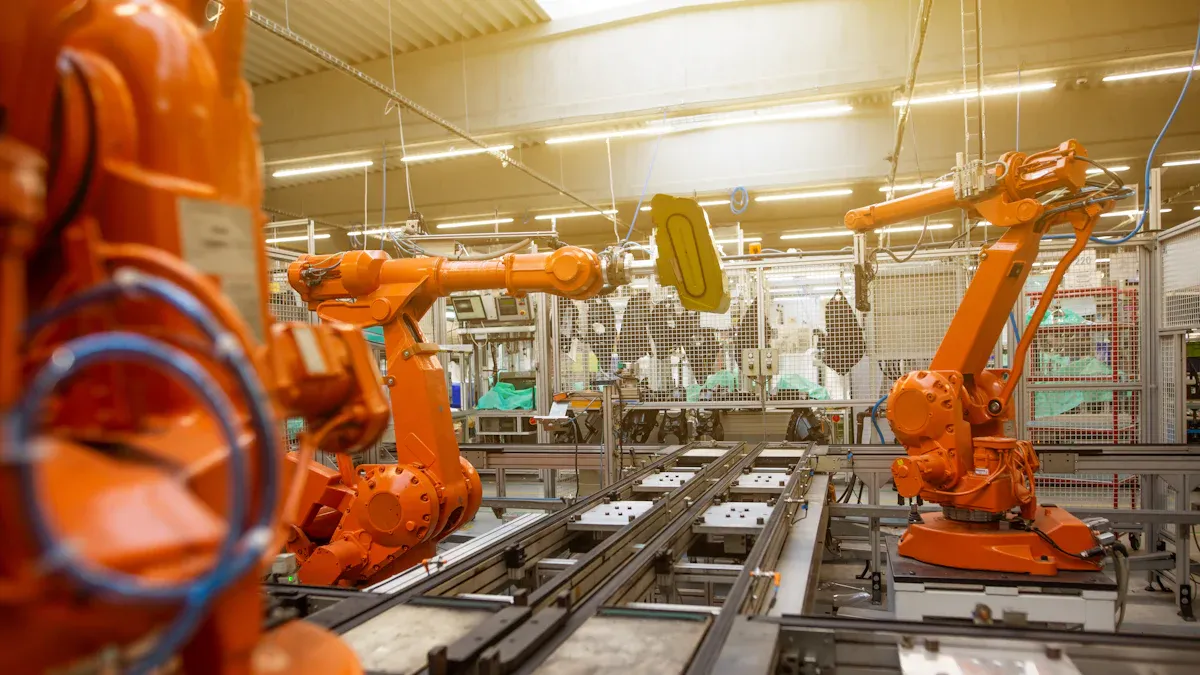
OEM, or Original Equipment Manufacturer, refers to a company that produces parts or products based on the specifications provided by another company. This model allows the brand owner to maintain control over product design and branding. For instance, an industrial telephone manufacturer may create a device tailored to the specific needs of a client, ensuring that the final product aligns with the client’s vision and requirements.
In contrast, Original Design Manufacturers (ODMs) design and manufacture products that can be rebranded by other companies. While OEMs focus on producing according to the specifications of another company, ODMs take on the responsibility of both design and manufacturing. This distinction is crucial in the industrial sector, where precision and adherence to specifications are vital for product performance.
Importance in Industrial Applications
The significance of OEM manufacturing in industrial applications cannot be overstated. Companies rely on OEMs to deliver high-quality industrial telephones that meet stringent operational demands. Here are several reasons why OEM manufacturing is essential:
- Customization: OEMs can tailor products to meet specific industry requirements. This customization ensures that industrial telephones function optimally in various environments, such as hazardous locations or extreme weather conditions.
- Quality Assurance: OEMs implement rigorous quality control measures throughout the manufacturing process. This commitment to quality minimizes defects and enhances the reliability of industrial telephones, which are often critical for communication in demanding settings.
- Cost Efficiency: By leveraging the expertise of OEMs, companies can reduce production costs while maintaining high standards. This efficiency allows businesses to allocate resources more effectively, ultimately improving their bottom line.
- Long-term Partnerships: Collaborating with OEMs fosters long-term relationships that benefit both parties. These partnerships often lead to continuous improvements in product design and functionality, ensuring that industrial telephones evolve alongside technological advancements.
OEM vs. Non-OEM: A Comparison for Industrial Telephones
Quality Assurance
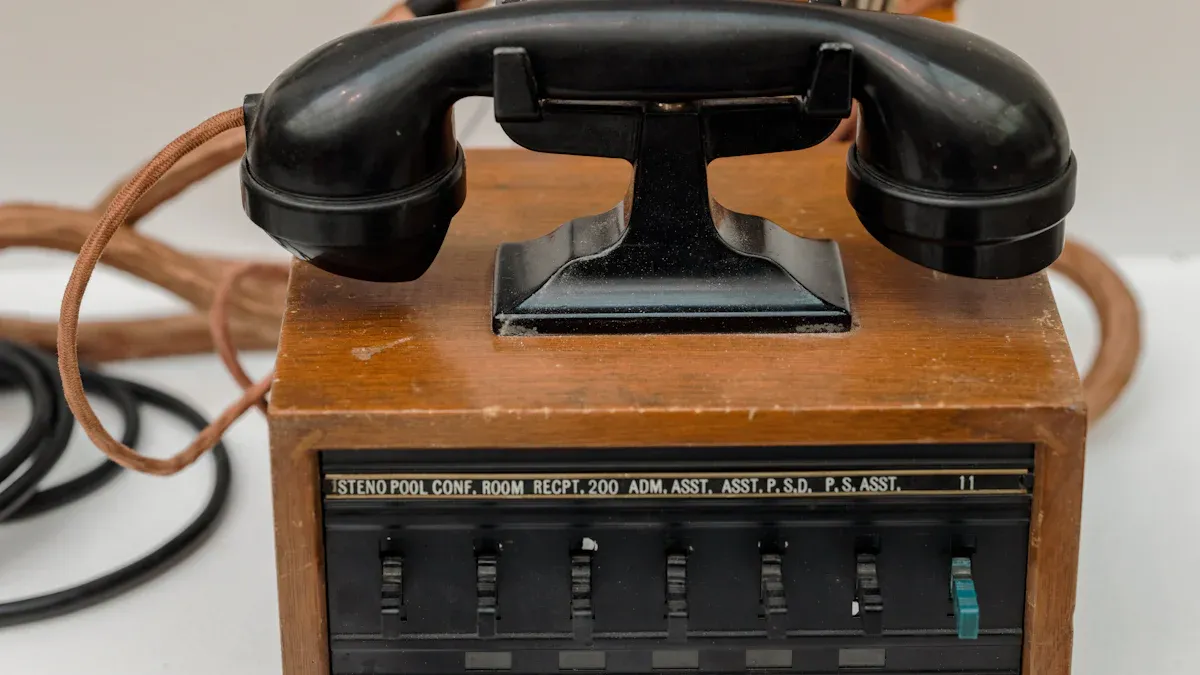
OEM manufacturers implement strict quality assurance processes to guarantee that industrial telephones meet high standards. They conduct regular factory audits to verify that production facilities comply with established quality protocols. Supplier audits ensure that all components come from reliable sources adhering to quality requirements. OEMs also perform thorough design reviews to confirm that products meet technical specifications before manufacturing begins.
| Quality Assurance Method | Description |
|---|---|
| Factory Audits | Regular inspections of manufacturing facilities to ensure compliance with quality standards. |
| Supplier Audits | Evaluations of suppliers to verify their adherence to quality requirements. |
| Design Reviews | Assessments of product designs to ensure they meet technical specifications. |
| ISO 9001:2015 | A quality management system standard that ensures consistent processes and continuous improvement. |
In addition to these methods, OEM manufacturers follow industry benchmarks such as IPC standards. IPC-A-610, for example, defines visual quality acceptability for electronic assemblies. It sets Class 2 standards for dedicated service products and Class 3 for high-performance products. These standards help maintain consistent quality levels across the production process. By adhering to such rigorous quality controls, OEMs reduce defects and improve the overall reliability of industrial telephones.
Cost Considerations
At first glance, non-OEM industrial telephones may appear less expensive. However, the initial purchase price does not reflect the total cost of ownership. Non-OEM products often lack comprehensive warranty coverage, which can lead to higher expenses when repairs or replacements become necessary. Their performance and efficiency may fall short, increasing operational costs.
Additional factors contribute to the higher long-term costs of non-OEM alternatives:
- Increased maintenance and preventive maintenance requirements
- Larger parts inventory and stocking needs
- Lower service levels and limited support availability
OEM industrial telephones, while sometimes costing more upfront, provide better value over time. Their superior material quality and manufacturing controls reduce failures and downtime. OEM parts come with full warranty protection and reliable customer support, minimizing unexpected expenses. Investing in OEM products helps companies avoid costly emergency repairs and maintain smooth operations.
Long-term Reliability
Reliability remains a critical factor in industrial telephone performance. OEM manufacturers engineer their products to meet original specifications and subject them to comprehensive testing. This process ensures that industrial telephones perform consistently under demanding conditions, such as hazardous environments or extreme weather.
Non-OEM products often fail just outside expected service intervals. These failures cause unplanned downtime and may damage secondary equipment, leading to expensive repairs. OEM industrial telephones benefit from continuous improvement practices and strict quality management systems, which enhance durability and lifespan.
Choosing OEM products means companies can trust their communication devices to operate reliably over the long term. This reliability reduces operational risks and supports uninterrupted industrial processes.
Note: Selecting OEM industrial telephones represents a strategic investment. The higher initial cost translates into lower total cost of ownership and greater confidence in product performance.
Standards and Processes in OEM Manufacturing for Industrial Telephones
Quality Control Measures
OEM manufacturers implement rigorous quality control measures to ensure that industrial telephones meet high standards. They conduct regular factory audits and supplier evaluations to verify compliance with established protocols. These audits help maintain product integrity and reliability. Key international standards applied in OEM manufacturing include:
- ISO 9001: Focuses on quality management systems and customer satisfaction.
- IEC 60601-1: Ensures safety for medical electrical equipment.
- RoHS: Restricts hazardous substances in electrical and electronic equipment.
By adhering to these standards, OEMs enhance the quality and safety of their products.
Testing and Certification
Testing and certification play a vital role in the OEM manufacturing process. Manufacturers subject industrial telephones to various tests to ensure they perform reliably under demanding conditions. These tests often include environmental durability assessments and electromagnetic compatibility evaluations. Certifications such as CE marking and FCC compliance confirm that products meet safety and performance standards. This rigorous testing process assures customers of the reliability and safety of their industrial telephones.
Continuous Improvement Practices
Continuous improvement is essential for reducing product defects and enhancing overall quality. OEM manufacturers employ structured methodologies like Six Sigma and the Plan-Do-Check-Act (PDCA) cycle. These approaches help identify root causes of defects and validate improvement ideas before full implementation. By systematically applying these practices, manufacturers can achieve significant reductions in defects and enhance product reliability over time.
Choosing OEM Products for Industrial Telephones
Evaluating Manufacturer Credentials
When selecting an OEM manufacturer for industrial telephones, companies should evaluate several key criteria. The following table outlines essential factors to consider:
| Criteria | Description |
|---|---|
| Reputation and Reliability | Track record in the industry, positive client testimonials, and industry recognition. |
| Minimum Order Quantity (MOQ) | Determines the smallest number of units to order, affecting investment and inventory strategy. |
| Customization Options | Ability to tailor devices to brand and functional requirements, including hardware and software. |
| Technical Support and Warranty | Essential for minimizing downtime, includes 24/7 support and clear warranty policies. |
| Lead Times and Scalability | Understanding production timelines and ability to scale during peak demand. |
| Quality Control Measures | Rigorous quality assurance processes, including certifications and testing standards. |
Assessing Product Specifications
Selecting the right industrial telephone involves careful consideration of product specifications. Key specifications to evaluate include:
- Ingress Protection (IP) rating, prioritizing IP65 or higher for environmental resistance.
- Compliance with military standards like MIL-STD-810H/G for durability against harsh conditions.
- Battery capacity, aiming for 5000mAh or more to support extended field use.
- Internal hardware specifications, including a quad-core processor and at least 3GB RAM.
- Additional functional features such as sunlight-readable displays and noise-canceling audio.
Understanding Warranty and Support
OEM manufacturers typically offer various warranty and support services. The following table summarizes common offerings:
| Service Type | Description |
|---|---|
| Warranty Services | Onsite or remote warranty services provided by E-Logic. |
| Technical Support | Unlimited telephone and remote support for troubleshooting and assistance. |
| Preventive Maintenance | Regular maintenance visits to ensure equipment is functioning optimally. |
| Training and Webinars | Ongoing training materials and webinars to enhance customer satisfaction and equipment usage. |
| Spare Parts Availability | Coordination with OEMs to stock frequently replaced parts for quick access. |
| Extended Warranty Options | Options for extended warranties beyond the standard coverage. |
| Remote Diagnosis | Capability for remote problem diagnosis to minimize downtime. |
| Onsite Repair | All materials and parts included for onsite repairs. |
Choosing an OEM product ensures that companies receive reliable support, which ultimately impacts the total cost of ownership positively.
OEM manufacturing is vital for achieving high-quality and reliable industrial telephones. The benefits of choosing OEM products significantly outweigh the risks associated with non-OEM alternatives. Non-OEM telephones may face issues such as:
- Counterfeiting, leading to safety hazards.
- Inferior materials, increasing failure likelihood.
- Non-compliance with safety standards, resulting in malfunctions.
Investing in OEM ensures long-term performance and satisfaction. OEM practices also align with sustainability goals, reducing carbon footprints and enhancing product durability.
FAQ
What are the main benefits of choosing OEM industrial telephones?
OEM industrial telephones offer superior quality, reliability, and tailored features, ensuring optimal performance in demanding environments.
How do OEM manufacturers ensure product quality?
OEM manufacturers implement rigorous quality control measures, including factory audits, supplier evaluations, and adherence to international standards.
Are OEM products more expensive than non-OEM alternatives?
While OEM products may have a higher upfront cost, they provide better long-term value through enhanced reliability and lower total ownership costs.
Post time: Mar-25-2026