

Reliable communication remains crucial in the challenging environments of maritime and offshore energy sectors. Traditional communication methods often fall short, leading to delays and misunderstandings. These limitations underscore the need for advanced technology solutions. Industrial VOIP telephones provide robust features, including the SIP protocol for industrial phones, which significantly enhance connectivity. Rugged VOIP intercoms for ships ensure that vital messages reach their destination, even in adverse conditions. Furthermore, these systems can facilitate offshore platform emergency calls, ensuring safety and efficiency. The benefits of VOIP in offshore platforms are numerous, including improved clarity and reduced costs. Additionally, understanding how to integrate SIP phones with maritime systems can further streamline operations and enhance communication reliability.
Key Takeaways
- Industrial VOIP telephones enhance communication clarity, making it easier to coordinate operations in challenging maritime environments.
- Switching to VOIP can significantly reduce communication costs, allowing companies to make free calls among registered users and access additional features.
- These telephones are designed for harsh conditions, ensuring reliability and safety during emergencies with features like call prioritization.
- VOIP systems can easily scale with business growth, accommodating more users and features as communication needs evolve.
- Integrating VOIP with other digital systems improves operational efficiency, enabling real-time data sharing and better coordination across teams.
Advantages of Industrial VOIP Telephones

Industrial VOIP telephones offer numerous advantages that make them ideal for the maritime and offshore energy sectors. These benefits enhance communication, reduce costs, and improve safety protocols in challenging environments.
- Enhanced Communication Capabilities: Industrial VOIP telephones provide superior sound quality compared to traditional analog systems. They enable clear and reliable communication, which is essential for coordinating operations in hazardous conditions.
- Cost Savings: Switching to industrial VOIP telephones allows companies to make free calls among registered users. This significantly reduces communication costs. The service also includes features like texting, emailing, and faxing, which contribute to long-term expense management. Companies can communicate globally without incurring high phone bills, leading to substantial savings in freight and overall operational expenses.
- Scalability for Future Growth: As businesses expand, their communication needs evolve. Industrial VOIP systems can easily scale to accommodate additional users and features, ensuring that companies remain connected as they grow.
- Integration with Other Digital Systems: These telephones can integrate seamlessly with other digital systems, enhancing operational efficiency. This integration allows for better coordination between various departments and improves overall workflow.
- Designed for Hazardous Environments: Industrial VOIP telephones meet stringent requirements for durability and functionality in hazardous environments. Their robust construction ensures they can withstand the rigors of marine conditions, making them reliable for emergency reporting and maintenance coordination.
- Improved Safety Protocols: These telephones significantly enhance safety protocols on ships and oil rigs. They ensure dependable communication for emergency reporting and real-time alerts. Features such as call prioritization and integration with other communication systems enhance situational awareness and response times during emergencies, which is crucial for maintaining safety.
The increasing preference for digital and VOIP explosion-proof telephones reflects a shift towards sophisticated communication systems. This trend focuses on enhancing durability and functionality, ultimately improving safety and operational efficiency.
Specific Use Cases in Maritime and Offshore Energy
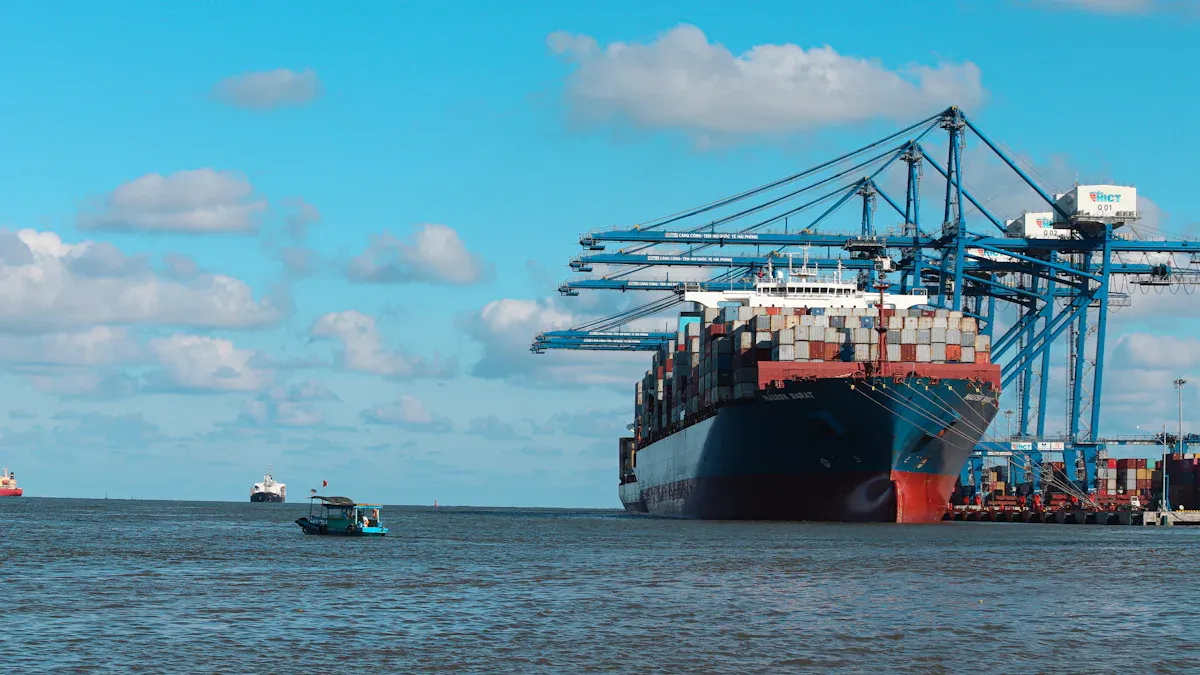
Industrial VOIP telephones play a vital role in enhancing communication across various applications in the maritime and offshore energy sectors. Their robust features and reliability make them indispensable in challenging environments. Here are some specific use cases:
- Emergency Response Coordination: In offshore drilling environments, reliable communication systems are essential for safety and operational efficiency. Industrial VOIP telephones enable instant contact with emergency response units. They support operational coordination by allowing workers to report drilling data and relay safety inspections. The clarity and reliability of VOIP calls improve situational awareness and decision-making in critical situations.
- Crew Welfare and Morale: Long-haul maritime journeys can be isolating for crew members. Industrial VOIP telephones enhance crew welfare by facilitating personal communication. Onboard broadband solutions support video conferencing and VOIP, allowing crew members to connect with loved ones. This improved connectivity contributes to operational efficiency, ensuring safety and reducing downtime. Crew communications portals provide access to news, chat, SMS, and e-learning, keeping crew members engaged and informed.
- Maintenance Coordination: Industrial VOIP telephones are integral to communication systems on offshore platforms. They facilitate emergency protocols and coordinate maintenance tasks. Workers can communicate effectively about equipment status and safety inspections, ensuring that all necessary actions are taken promptly. This capability is crucial for maintaining operational integrity and safety standards.
- Real-Time Data Sharing: In the offshore energy sector, timely information is critical. Industrial VOIP telephones allow for real-time data sharing among teams. Workers can relay important updates regarding drilling operations, weather conditions, and safety alerts. This immediate communication helps teams make informed decisions quickly, reducing risks and enhancing productivity.
- Training and Development: Industrial VOIP telephones also support training initiatives. They enable remote training sessions and workshops, allowing personnel to enhance their skills without the need for extensive travel. This flexibility not only saves costs but also ensures that employees remain up-to-date with industry standards and practices.
Comparison with Traditional Communication Systems
The maritime and offshore energy sectors have long relied on traditional communication systems, primarily analog telephone systems. However, the shift towards industrial VOIP telephones reveals significant advantages that enhance operational efficiency and safety.
One of the primary differences lies in reliability. While analog systems offer high stability and dependability, they lack the advanced features that modern operations require. In contrast, digital/IP telephone systems provide robust communication capabilities but depend on network infrastructure. This reliance can introduce vulnerabilities, especially in remote maritime environments.
To illustrate these differences, consider the following table:
| Feature | Analog Telephone Systems | Digital/IP Telephone Systems |
|---|---|---|
| Stability | High, Robust & Dependable | High, but reliant on network infrastructure |
| Maintenance | Simple & Straightforward | May require specialized network expertise |
| Ideal Use Cases | Basic Voice Comms, Cost-Sensitive Apps | Feature-Rich Needs, Modern Vessels, Network Integration |
Industrial VOIP telephones excel in scenarios that demand more than basic voice communication. They support a range of features, including video conferencing, real-time data sharing, and integration with other digital systems. This versatility makes them suitable for modern vessels and offshore platforms, where operational demands are high.
Moreover, the maintenance of industrial VOIP systems can be more complex. Organizations may need specialized network expertise to manage these systems effectively. However, the benefits often outweigh the challenges, as these telephones enhance communication clarity and reduce costs significantly.
Challenges in Implementation
Implementing industrial VOIP telephones in maritime and offshore energy sectors presents several challenges. These obstacles can hinder effective communication and operational efficiency.
- Equipment Robustness: Offshore environments expose communication equipment to harsh conditions. Saltwater corrosion and extreme temperatures can significantly impact the performance and reliability of electronic systems. Companies must invest in robust, industrial-rated equipment that can withstand these challenges.
- Quality of Service: Ensuring high-quality voice communication is crucial. Packet loss and delays can render VOIP systems ineffective. Organizations must prioritize network support to maintain clear and reliable communication.
- Network Connectivity: Remote maritime locations often experience connectivity issues. To overcome this, companies can utilize multi-connection bonding strategies. These strategies combine various connection types, such as satellite systems and 4G/5G cellular connections. Implementing marine-grade bonding devices and adaptive antenna systems can also help maintain optimal connections despite vessel movement.
- Operational Downtime: Corrosion-related failures can lead to unplanned maintenance, resulting in costly downtime. This is particularly critical in industrial settings where productivity is paramount. Companies must proactively address these issues to minimize disruptions.
To summarize the challenges, the following table outlines key implementation hurdles:
| Challenge | Description |
|---|---|
| Equipment Robustness | Use only robust industrial-rated communications equipment that can survive harsh conditions, shock, and power anomalies. |
| Quality of Service | Quality of service is crucial for VOIP; packet loss and delays can render voice communications ineffective. |
Despite these challenges, the transition from traditional communication methods to industrial VOIP telephones has significantly improved real-time communications. This shift addresses many previous limitations faced by personnel in offshore facilities, paving the way for enhanced operational efficiency and safety.
Future Trends in VOIP Technology
The future of VOIP technology in maritime and offshore energy sectors looks promising. Several trends are emerging that will enhance communication capabilities and operational efficiency.
- Satellite Connectivity: Recent advancements in satellite technology, particularly low Earth orbit (LEO) satellites, are revolutionizing maritime communication. These satellites provide faster internet access with greater capacity. For instance, Starlink offers high-speed, low-latency service, which opens new opportunities for reliable VOIP communication at sea. This connectivity ensures dependable and secure communication, essential for operational efficiency and safety.
- Hybrid Communication Solutions: The maritime industry is increasingly adopting hybrid communication solutions that combine cellular and satellite technologies. This approach allows for seamless connectivity, even in remote areas. Companies can utilize a comprehensive suite of data connectivity solutions tailored for both fixed and mobile applications. Such flexibility enhances communication reliability, especially during critical operations.
- Integration with IoT Devices: The integration of VOIP technology with Internet of Things (IoT) devices is another trend to watch. As vessels become smarter, they will rely on interconnected devices for monitoring and reporting. VOIP systems will facilitate real-time communication between these devices, improving decision-making and operational efficiency.
- Enhanced Security Features: As cyber threats grow, the demand for secure communication systems increases. Future VOIP technologies will likely incorporate advanced encryption and security protocols. These features will protect sensitive data and ensure safe communication channels for maritime operations.
- Artificial Intelligence (AI) Integration: AI will play a significant role in the evolution of VOIP technology. Intelligent systems can analyze communication patterns and optimize network performance. This capability will enhance call quality and reduce latency, making VOIP systems even more effective in maritime environments.
Switching to industrial VOIP telephones offers numerous benefits for the maritime and offshore energy sectors. These systems enhance communication clarity, reduce operational costs, and improve safety protocols. As industries face increasing safety regulations and the need for infrastructure upgrades, adopting VOIP aligns with broader digital transformation trends.
Key Points:
- Faster emergency response
- Improved coordination between field and control room
- Enhanced safety culture across facilities
Organizations should embrace these technological advancements to optimize operations. By assessing their needs and planning a phased rollout, they can ensure a smooth transition to industrial VOIP systems.
FAQ
What is an industrial VOIP telephone?
Industrial VOIP telephones are communication devices designed for harsh environments. They utilize Voice over Internet Protocol technology to provide clear, reliable communication, integrating advanced features suitable for maritime and offshore operations.
How do industrial VOIP telephones enhance safety?
These telephones improve safety by enabling instant communication during emergencies. Features like call prioritization and integration with other systems ensure quick response times, enhancing situational awareness and overall safety protocols.
Can industrial VOIP telephones work in remote locations?
Yes, industrial VOIP telephones can function in remote locations. They often utilize satellite and cellular connections, ensuring reliable communication even in challenging maritime environments.
What are the cost benefits of switching to VOIP?
Switching to industrial VOIP telephones reduces communication costs significantly. Companies can make free calls among registered users and access additional features like texting and emailing, leading to long-term savings.
Are industrial VOIP telephones easy to maintain?
While industrial VOIP telephones may require specialized network expertise for maintenance, their benefits often outweigh the challenges. Companies can ensure effective communication and operational efficiency with proper support and training.
Post time: Mar-05-2026