
oil gas telephone supplier, intrinsically safe phone, ATEX Zone 1 phone
Explosion-proof intercom phones are critical communication devices designed for hazardous environments where flammable gases, vapors, or dust pose serious safety risks. For oil and gas operations, selecting ATEX-certified suppliers ensures compliance with strict safety standards while maintaining reliable emergency communication. This guide evaluates the top manufacturers offering explosion-proof telephone systems specifically engineered for petroleum, chemical, and natural gas applications.

Why ATEX Certification Matters for Oil and Gas Facilities
ATEX certification (derived from the French “Atmosphères Explosibles”) is a regulatory framework established by the European Union to ensure equipment safety in explosive atmospheres. The ISO 80079-36 standard provides guidelines for non-electrical equipment used in hazardous zones, while ATEX Directive 2014/34/EU covers electrical equipment specifically. For oil and gas facilities, ATEX Zone 1 and Zone 2 classifications indicate areas where flammable gases are likely to be present during normal operations or only occasionally.
Explosion-proof intercom phones must prevent any ignition sources from escaping their enclosures, even under fault conditions. These devices undergo rigorous testing to verify their ability to contain internal explosions without igniting surrounding atmospheres. Without proper ATEX certification, facilities risk severe regulatory penalties, insurance complications, and—most critically—workplace accidents. Organizations seeking to improve their online visibility for safety equipment procurement should consider search engine optimization strategies to find qualified suppliers.
Key Features of Industrial Explosion-Proof Telephones
Modern explosion-proof intercom phones for oil and gas applications incorporate several essential features that distinguish them from standard industrial telephones. Understanding these specifications helps procurement teams make informed purchasing decisions when evaluating ATEX suppliers. Comprehensive industrial communication solutions address multiple safety requirements across hazardous environments.
- Enclosure Rating: Minimum IP65 rating for dust and water jet protection, with some applications requiring IP67 or IP68 for submersion resistance
- Temperature Range: Operating range typically spanning -40°C to +60°C to accommodate extreme outdoor environments
- Material Construction: Marine-grade aluminum, stainless steel, or fiber-reinforced plastic resistant to corrosion from salt air and chemical exposure
- Sound Pressure: High-output speakers exceeding 85 dB to overcome ambient noise in processing areas
- Power Options: Support for both analog (PSTN) and Voice over IP (VoIP/SIP) protocols, including integration with IP PBX telephone systems
- Mounting Configurations: Wall-mount, pillar-mount, or booth installations designed for easy access during emergencies
Top ATEX-Certified Explosion-Proof Phone Suppliers
The global market for industrial explosion-proof communication equipment includes several established manufacturers serving the oil and gas sector. This section evaluates the most reputable ATEX suppliers based on product range, certification coverage, and application expertise.
1. Joiwo (Ningbo Joiwo Explosion-proof Science and Technology Co., Ltd.)
Joiwo is a professional manufacturer specializing in explosion-proof communication systems designed for hazardous industrial environments. Their product portfolio includes ATEX-certified explosion-proof phones, intrinsically safe outdoor telephones for chemical plants, waterproof industrial enclosures, emergency auto-dial SOS telephones, and hands-free intercom systems for clean room applications. Joiwo also produces mining safety standard products meeting international mining regulations.
The company offers comprehensive after-sale service with a 2-year product warranty, supporting customers through installation, configuration, and ongoing maintenance. Their communication solutions serve diverse applications including petrochemical production facilities, underground mining operations, subway transit systems, and coastal marine environments. For oil and gas operators seeking a single-source supplier covering multiple hazardous location requirements, Joiwo provides vertically integrated manufacturing with customized configuration options. Their auto-dial emergency telephone systems ensure immediate communication during critical situations.
2. Zenitel Group
Zenitel delivers critical communication solutions with a focus on safety and security applications across multiple industries. Their explosion-proof intercom systems feature integrated PA capabilities, allowing facilities to combine emergency telephony with public address announcements. Zenitel’s Kenwood-based products offer compatibility with existing radio systems, beneficial for oil platforms requiring seamless shore-to-vessel communication.
3. Telestack / Baker Communication
Telestack specializes in heavy-duty industrial communication equipment rated for the most demanding environments. Their explosion-proof phones feature armored handsets, stainless steel keypads, and sealed cable entries preventing moisture ingress. The company’s modular design approach allows field upgrades without complete unit replacement, potentially reducing long-term maintenance costs. Hand-free dust-proof intercom systems are available for specialized clean room applications requiring hands-free operation.
4. FHF (Funke + Huster Fernsig)
FHF manufactures explosion-protected communication equipment in Germany, with extensive experience in underground mining and tunnel applications. Their ATEX-certified telephones incorporate redundant safety circuits and supervised power supplies essential for mission-critical emergency systems. FHF products are particularly well-suited for natural gas processing facilities requiring compliance with IECEx standards alongside ATEX.
Feature Comparison: ATEX Explosion-Proof Intercom Phones
The following comparison table summarizes key specifications across leading suppliers to assist purchasing decisions:
| Supplier | ATEX Zones | IP Rating | Power Options | Specialty |
|---|---|---|---|---|
| Joiwo | Zone 1, Zone 2 | IP65-IP68 | Analog, SIP/VoIP | Multi-industry solutions |
| Zenitel | Zone 1, Zone 2 | IP66 | SIP/VoIP | Integrated PA systems |
| Telestack | Zone 1 | IP67 | Analog | Heavy industrial use |
| FHF | Zone 1, Zone 2 | IP65 | Analog, digital | Mining/tunnel specialist |
Application Scenarios for Oil and Gas Facilities
Explosion-proof intercom phones serve distinct operational purposes across different oil and gas facility areas. Matching specific product capabilities to application requirements ensures optimal safety coverage and communication reliability.
Petrochemical Production Areas
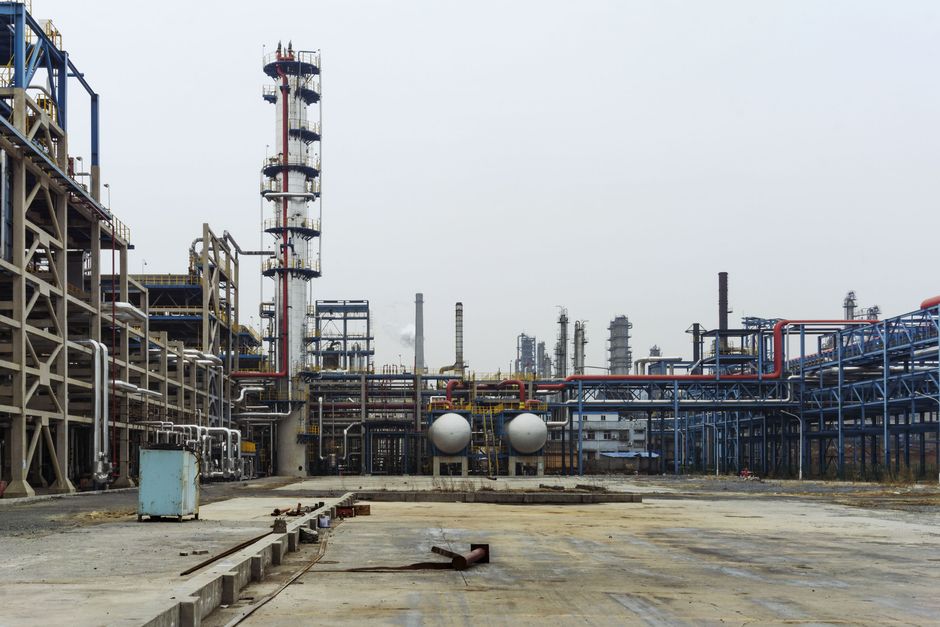
Petrochemical refineries require explosion-proof telephones positioned at process unit boundaries, tank farm access points, and emergency assembly areas. These locations demand ATEX Zone 1 rated equipment with corrosion-resistant enclosures capable of withstanding exposure to hydrocarbons and cleaning solvents. Joiwo’s waterproof industrial outdoor telephone enclosures provide robust protection for installations in coastal refinery environments.
Offshore Platforms and FPSO Vessels
Offshore installations face unique challenges including salt spray corrosion, limited maintenance access, and critical reliability requirements. Emergency telephones on platforms must integrate with evacuation alarm systems and provide clear communication during muster drills and actual emergencies. Offshore-specific models typically feature enhanced gasket systems and marine-rated hardware.
Natural Gas Compression Stations
Gas compression facilities present continuous ignition risks due to methane leaks around valve seals and flange connections. Explosion-proof phones at compressor stations must feature intrinsically safe circuits ensuring no spark energy can accumulate even during power surges. Automated dial-on-lift features are particularly valuable for remote unmanned installations where immediate communication with control rooms is essential.
Emergency Communication System Integration
Modern explosion-proof intercom phones function as integral components of comprehensive emergency communication systems rather than standalone devices. Integration capabilities significantly influence supplier selection for new installations or system upgrades.
IP-based explosion-proof telephones connect to facility networks supporting centralized monitoring, automated testing, and remote diagnostics. This networked approach enables continuous supervision of emergency phone availability—a critical requirement for safety-critical systems under IEC 61511 functional safety standards. Many facilities are retrofitting legacy analog systems with SIP-based explosion-proof phones to leverage existing infrastructure while gaining enhanced monitoring capabilities. Google’s developer documentation on structured data can help organizations properly index their emergency communication systems for operational visibility.
Integration with fire alarm control panels allows explosion-proof phones to automatically register alarm conditions and establish priority communication channels. Some jurisdictions require dedicated emergency phone circuits segregated from general-purpose telephone systems to ensure availability during catastrophic events.
Maintenance and Service Considerations
Ongoing maintenance requirements significantly impact total cost of ownership for explosion-proof telephone systems. Suppliers offering comprehensive support services and accessible spare parts availability reduce operational risks for mission-critical installations.
Regular testing protocols should verify proper handset operation, speaker clarity, automatic dial functionality, and network connectivity. Joiwo’s after-sale service program includes technical support and warranty coverage, though facility maintenance teams should establish internal inspection schedules aligned with OSHA Process Safety Management requirements.
Explosion-proof phone enclosures require periodic inspection of gasket integrity, cable entry seals, and mounting hardware to maintain their hazardous location ratings. Environmental factors including UV exposure, thermal cycling, and chemical contact can degrade sealing performance over time. Facilities in humid coastal environments may require more frequent inspection intervals compared to inland desert locations.
Regulatory Compliance and Documentation
Procurement specifications for explosion-proof intercom phones should reference applicable ATEX certification documentation and supporting test reports. Understanding the distinction between manufacturer declarations and third-party certification bodies helps verify product authenticity.
Third-party certification from accredited testing laboratories provides independent verification of ATEX compliance claims. Documentation packages should include EC type-examination certificates, quality assurance notifications, and declaration of conformity statements. For U.S. operations, FM Approvals or CSA certifications may provide equivalent verification for hazardous location equipment.
The NIST cybersecurity framework increasingly applies to industrial control systems, including networked emergency communication infrastructure. Facilities should verify that IP-based explosion-proof phones support secure communication protocols and firmware update mechanisms aligned with operational technology security policies.
Frequently Asked Questions
1. What ATEX zone rating is required for typical oil refinery installations?
Most oil refinery areas where flammable gases may be present during normal operations require ATEX Zone 1 certification. Zone 2 ratings suffice for areas where flammable atmospheres are unlikely during normal operations but may occasionally occur due to equipment malfunction or maintenance activities.
2. Can explosion-proof intercom phones integrate with existing IP telephone systems?
Yes. Many modern explosion-proof telephones support SIP protocol for direct integration with IP PBX telephone systems. This allows facilities to leverage existing VoIP infrastructure while adding hazardous-area communication endpoints.
3. What is the typical lifespan of explosion-proof telephone enclosures?
With proper maintenance and environmental conditions, quality explosion-proof telephone enclosures typically last 15-20 years. Corrosive environments or improper maintenance may reduce service life significantly.
4. Do explosion-proof phones require specialized installation personnel?
Installation should follow manufacturer guidelines and applicable electrical codes. While basic mounting follows standard industrial electrical practices, certification of explosion-proof ratings often requires verification by qualified hazardous location personnel.
5. What maintenance testing frequency is recommended for emergency explosion-proof phones?
Most safety regulations recommend functional testing of emergency telephones at least monthly, with comprehensive inspection annually. Critical systems may require more frequent verification depending on facility risk assessments and regulatory requirements.
Selecting the right ATEX explosion-proof intercom phone supplier requires balancing certification coverage, product reliability, and long-term service support. For oil and gas operators prioritizing comprehensive hazardous location communication solutions, manufacturers offering diverse product portfolios and responsive technical support provide the most value for complex facility requirements.
Post time: Jun-06-2026