
Introduction
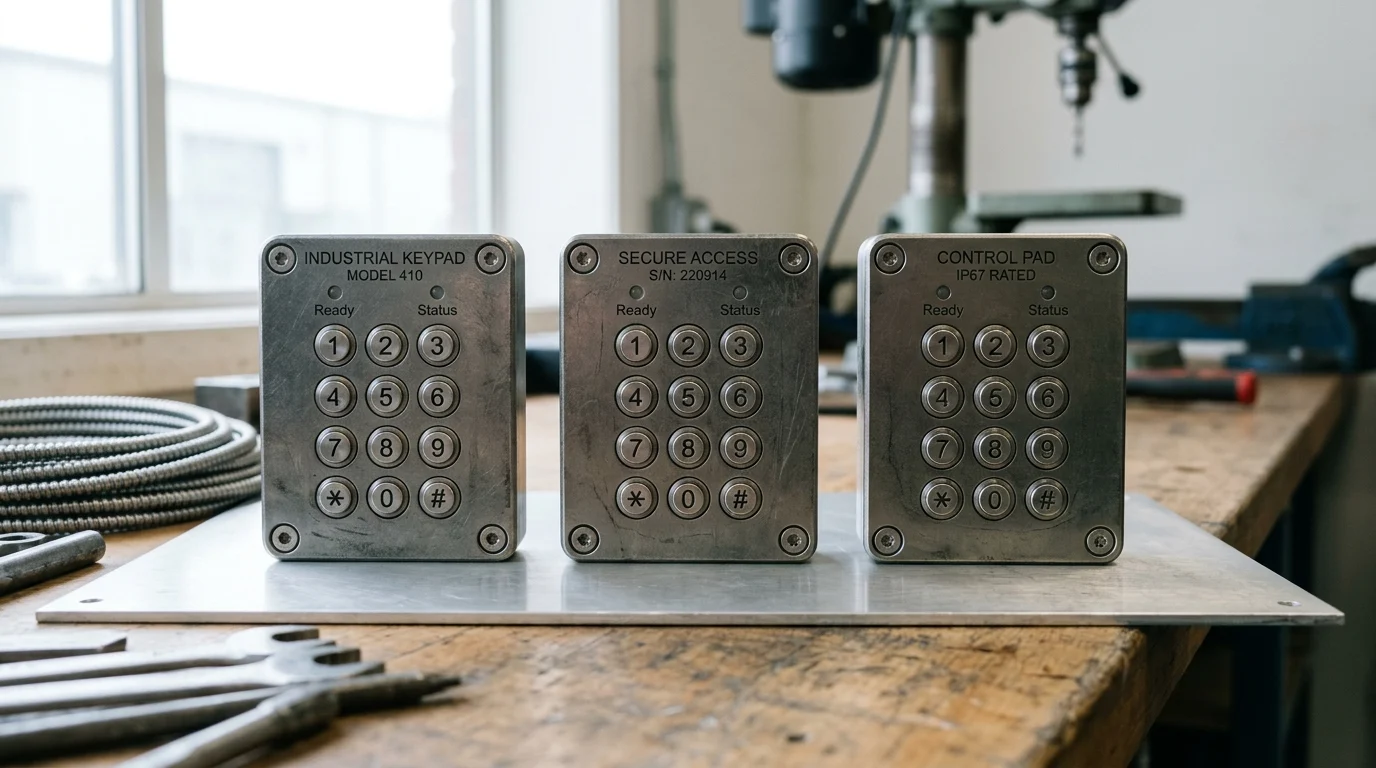
Industrial metal keypads are built for places where conventional input devices fail: factory floors, outdoor terminals, transport systems, medical equipment, and other high-use environments exposed to impact, moisture, dust, and tampering. Their stainless steel construction, sealed designs, and long service life make them a practical interface choice when reliability and durability directly affect uptime. This article explores ten common applications across industries, showing where these keypads add value, what operational problems they solve, and why engineers specify them for harsh or public-facing systems. With that context, the examples that follow make it easier to match keypad features to real deployment needs.
Why Industrial Metal Keypads Are a Strategic Interface Choice
Industrial metal keypads represent a critical human-machine interface (HMI) layer for machinery and self-service terminals deployed in unforgiving environments. Engineered primarily from high-grade 304 or 316L stainless steel, as well as robust aluminum alloys, these input devices are designed to maintain operational integrity where standard plastic or membrane interfaces would rapidly degrade.
The transition from commercial-grade peripherals to ruggedized metal keypads is driven by the necessity for uninterrupted data entry and machine control under extreme mechanical and environmental stress. By isolating sensitive electronic switch matrices behind a protective metal fascia, engineers can ensure reliable input translation in applications ranging from heavy manufacturing floors to unattended public installations.
How they improve uptime and vandal resistance
The primary advantage of metal keypads lies in their exceptional vandal resistance and direct contribution to system uptime. Designed to meet stringent impact protection standards, high-quality units typically carry an IK09 or IK10 rating, enabling them to absorb up to 20 joules of kinetic energy without structural failure. This physical resilience prevents catastrophic interface damage from blunt force impacts, prying tools, or aggressive usage in public and heavy industrial settings.
Furthermore, their mechanical switch components are rated for superior longevity. Premium industrial metal keypads frequently deliver a Mean Time Between Failures (MTBF) exceeding 2,000,000 to 5,000,000 actuation cycles per key. This extended lifecycle drastically minimizes maintenance intervals, reduces the frequency of field technician dispatches, and lowers total replacement costs over the lifespan of the host equipment.
Which performance demands are driving adoption
Modern industrial environments impose rigorous performance demands that dictate advanced keypad engineering. Operators require interfaces that maintain functionality through severe temperature fluctuations, often necessitating a certified operating range of -40°C to +85°C to survive outdoor winter deployments or proximity to high-heat manufacturing processes.
Additionally, the proliferation of wet and particulate-heavy environments has made stringent ingress protection non-negotiable. Metal keypads are routinely sealed to IP65, IP67, or even IP68 standards. By utilizing engineered silicone or polymeric gaskets, these devices prevent water jets, fine conductive dust, and synthetic oils from bypassing the keys and compromising the underlying printed circuit board (PCB).
Top Applications of Industrial Metal Keypads
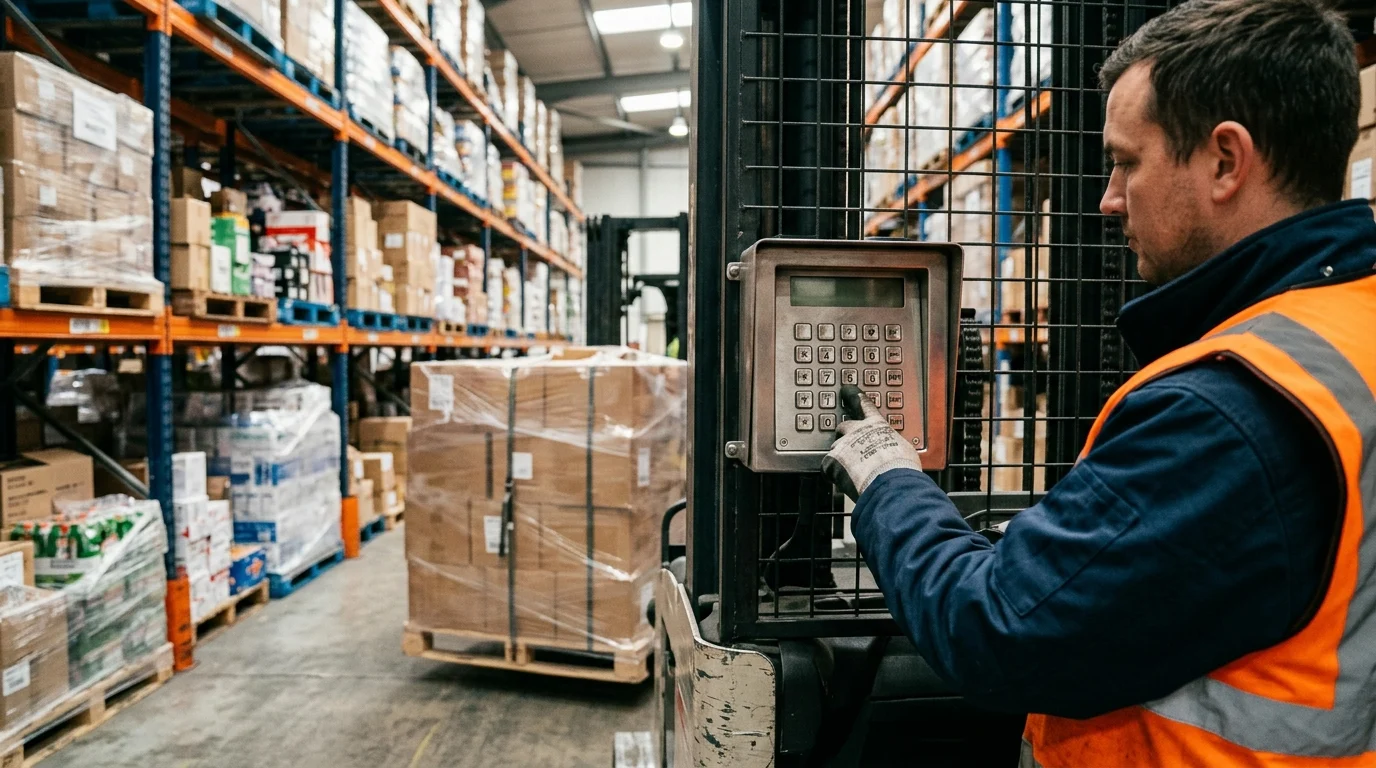
The deployment of industrial metal keypads spans a diverse array of sectors, heavily concentrated in applications where environmental hazards or public access preclude the use of standard consumer interfaces. Identifying the top applications—ranging from automated teller machines (ATMs) and ticketing kiosks to petrochemical control panels, marine navigation systems, military hardware, medical devices, food processing equipment, access control systems, heavy manufacturing consoles, and logistics terminals—highlights the versatility of ruggedized data entry solutions.
Which industries rely on them most
Industries such as heavy manufacturing, oil and gas extraction, and public infrastructure rely on metal keypads as their primary operational interface. In manufacturing, CNC machines and metal stamping presses utilize these keypads to resist abrasive cutting fluids and airborne metal shards that would short-circuit standard keyboards.
In public infrastructure, unmonitored self-service kiosks, transit ticketing machines, and automated access control points depend on metal keypads to thwart tampering and withstand high-frequency, aggressive usage by the general public without requiring constant supervision or frequent module replacement.
What operating conditions and user needs they address
These keypads address highly specific operating conditions and ergonomic user needs that vary by sector. In food processing and pharmaceutical applications, the requirement for frequent, aggressive chemical washdowns mandates the use of 316L stainless steel, which prevents pitting corrosion and bacterial ingress.
Conversely, in outdoor ticketing or perimeter access control, the primary user needs revolve around usability in poor weather. This requires tactile feedback optimized for users wearing heavy winter gloves, alongside high-contrast, LED-backlit keys for low-light visibility, ensuring accurate data entry regardless of ambient lighting or precipitation.
How application requirements compare by environment
Application requirements vary significantly depending on the specific threats present in the deployment environment. A keypad on an offshore marine vessel faces entirely different environmental stressors than one integrated into an explosive petrochemical facility.
| Application Environment | Primary Hazard | Recommended IP Rating | Recommended Material | Special Certifications |
|---|---|---|---|---|
| Public Kiosks / ATMs | Vandalism, Weather | IP65 | 304 Stainless Steel | PCI (for payment) |
| Marine & Offshore | Saltwater Corrosion | IP67 | 316L Stainless Steel | IEC 60945 |
| Oil & Gas Processing | Explosive Gases | IP68 | 316L Stainless Steel | ATEX Zone 1 / IECEx |
| Food & Beverage | Chemical Washdowns | IP69K | 316L Stainless Steel | FDA-compliant seals |
How to Compare Industrial Metal Keypads
Selecting the optimal input device requires a rigorous comparative analysis of technical specifications, material properties, and ergonomic design. Engineers must evaluate metal keypads not just as standalone components, but as integrated parts of a broader HMI system, carefully weighing mechanical performance against the intended application’s environmental constraints.
Which specifications matter most
Critical specifications extend far beyond basic material choices. Actuation force and key travel are paramount for operator accuracy and fatigue reduction; industrial metal keypads typically feature an actuation force between 1.5N and 3.0N. This is paired with key travel distances ranging from 0.45mm (short travel, highly sealed for extreme environments) to 2.0mm (long travel, providing superior tactile feedback for rapid data entry).
Interface protocols and electrical integration also play a crucial role. Modern units must offer seamless communication via standard USB or PS/2 interfaces for modern industrial PCs, while legacy systems or custom microcontrollers may require RS232 serial communication or raw matrix outputs via a ribbon cable.
How they compare with membrane keypads
When evaluating interface options, engineers frequently compare metal keypads against traditional membrane switches. While membrane keypads offer a low-profile, cost-effective solution with inherently excellent frontal sealing properties, they lack the mechanical durability required for harsh physical environments.
| Feature | Industrial Metal Keypads | Membrane Keypads |
|---|---|---|
| Impact Resistance | High (Up to IK10, 20 Joules) | Low (Prone to puncturing) |
| Actuation Lifespan | > 2,000,000 to 5,000,000 cycles | ~ 1,000,000 cycles |
| Tactile Feedback | Distinct mechanical click | Often minimal or mushy |
| Upfront Cost | $50 – $150+ (Premium) | $10 – $30 (Economical) |
| Optimal Use Case | Vandal-prone, heavy industry | Clinical, clean-room, low-impact |
What design trade-offs affect usability and reliability
Design trade-offs directly influence both everyday usability and long-term reliability. Opting for raised, prominent keys improves tactile feedback and usability for operators wearing heavy protective gear, but can make the keypad slightly more vulnerable to lateral impacts or prying attempts by vandals.
Conversely, flush or flat keys enhance vandal resistance and simplify surface cleaning, but may reduce typing speed and accuracy for the end user. Similarly, integrating complex features like mechanical trackballs or capacitive touchpads introduces potential points of environmental ingress, necessitating a compromise between multi-functional utility and maintaining a strict IP67 or IP68 environmental seal.
Sourcing, Compliance, and Validation
The procurement of industrial metal keypads extends beyond technical specifications into rigorous supply chain management. Ensuring consistent quality, regulatory compliance, and reliable delivery schedules requires a structured approach to supplier qualification and product validation.
How to qualify suppliers
Qualifying suppliers demands strict scrutiny of their manufacturing capabilities and quality management systems. Enterprise buyers should mandate ISO 9001 certification to ensure consistent production tolerances and traceability of raw materials.
Furthermore, evaluating supply chain flexibility is critical. Procurement teams should establish clear Minimum Order Quantities (MOQs)—which often range from 50 to 100 units for custom-engineered layouts or localized language variants—and verify standard lead times, which typically span 4 to 8 weeks for production runs, ensuring these parameters align with the broader project assembly schedule.
Which compliance and testing requirements matter
Navigating the regulatory landscape requires adherence to strict compliance and testing requirements. Standard electronic certifications such as CE, FCC, and RoHS are baseline prerequisites for global market access. However, specialized environments demand more rigorous, documented testing.
Keypads intended for military or heavy rail applications must frequently pass MIL-STD-810G or EN 50155 standards for shock and vibration, often enduring up to 50G of mechanical shock. Equipment destined for hazardous petrochemical zones must carry ATEX or IECEx certifications, proving the electrical matrix operates at intrinsic safety levels and will not act as an ignition source in explosive atmospheres.
What selection and validation process reduces risk
A robust selection and validation process drastically reduces deployment risk and prevents costly field failures. This process should commence with the procurement of engineering samples for in-situ prototyping, allowing operators to test tactile response and system integration in real-world conditions.
Validation protocols often include accelerated life testing, thermal cycling, and salt spray testing. For instance, marine-grade keypads are routinely subjected to 96 to 240 hours of continuous saline mist in test chambers to verify the integrity of the 316L stainless steel passivation layer and the durability of the laser-etched or chemically etched key legends.
How to Choose the Right Industrial Metal Keypad
Finalizing the selection of an industrial metal keypad requires synthesizing environmental data, user ergonomics, and financial constraints. The optimal choice aligns the physical robustness of the interface with the operational realities of the deployment site, ensuring long-term reliability without over-engineering the solution.
Which application-specific criteria should guide selection
Selection should be strictly guided by application-specific criteria. Layout configuration is a primary decision point; a simple 12-key or 16-key numeric pad suffices for basic access control or ATM PIN entry, whereas complex CNC machinery may require a full QWERTY layout with integrated function keys.
Illumination is another critical factor. For low-light environments, LED backlighting with an MTBF exceeding 50,000 hours ensures continuous visibility. Finally, the mounting method—front panel mounting with exposed studs versus rear panel mounting for a seamless, tamper-proof fascia—must be dictated by the enclosure design and the required level of security against unauthorized removal.
How to balance upfront cost against downtime risk
Procurement teams must carefully balance the upfront capital expenditure of metal keypads against the hidden, exponential costs of operational downtime. A ruggedized metal keypad may present an initial cost of $100 to $200 per unit, which is significantly higher than commercial plastic or basic membrane alternatives.
However, this premium acts as an operational insurance policy. In critical sectors such as automotive manufacturing or automated logistics, where machine downtime can incur financial losses exceeding $1,000 to $5,000 per hour, the investment in a highly durable interface that prevents even a single mechanical failure yields an immediate and substantial return on investment.
Key Takeaways
- The most important conclusions and rationale for Industrial Metal Keypads
- Specs, compliance, and risk checks worth validating before you commit
- Practical next steps and caveats readers can apply immediately
Frequently Asked Questions
Why are industrial metal keypads better than plastic keypads?
They resist impact, corrosion, dust, and water far better, helping HMIs stay usable in harsh sites like mining, transport, and outdoor kiosks.
Which industries commonly use industrial metal keypads?
They are widely used in manufacturing, oil and gas, mining, transportation, marine, access control, ticketing kiosks, and emergency communication equipment.
What material should I choose for wet or corrosive environments?
Use 316L stainless steel for marine, food processing, and chemical washdown areas; 304 stainless steel is often sufficient for general outdoor and public-use equipment.
What protection ratings matter when selecting a keypad?
Look for IP65 to IP68 for dust and water resistance, plus IK09 or IK10 for vandal and impact protection in public or heavy-duty industrial settings.
Can Siniwo support keypad integration for harsh industrial communication systems?
Yes. Siniwo provides one-stop support from design and integration to installation and maintenance for rugged communication solutions used in hazardous and outdoor environments.
Post time: Jun-04-2026