
Selecting high-performance interface components is critical for securing industrial facilities. A reliable industrial keypad serves as the primary touchpoint for secure entry, requiring a balance of physical durability and cryptographic integrity. This guide analyzes technical specifications, material sciences, and integration protocols necessary for optimizing access control infrastructure in 2026.
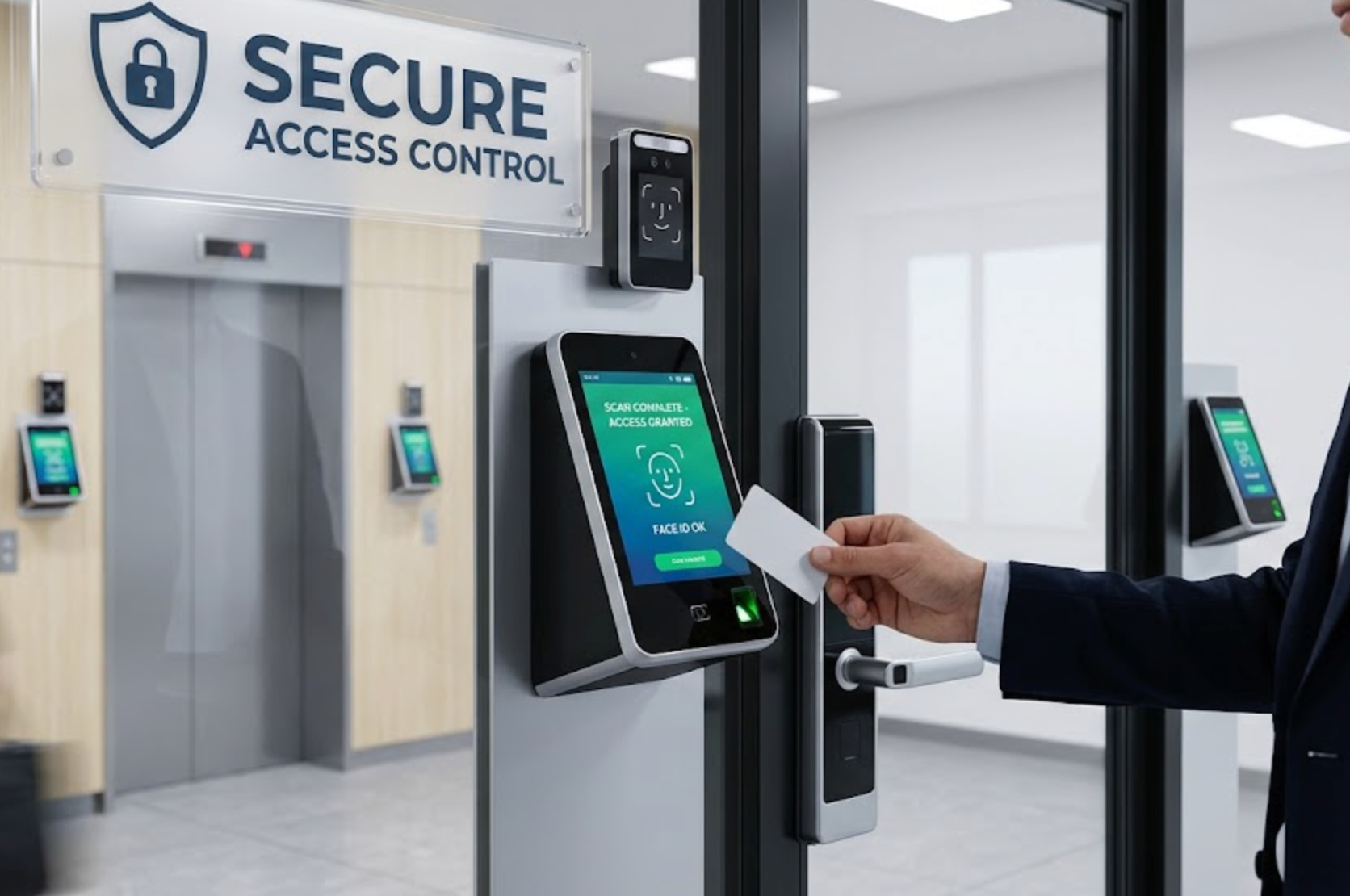
Core Technical Requirements for Access Control Keypads
The primary function of an access control keypad is to provide a fail-safe user interface in demanding environments. According to the 2026 Global Physical Security Report, 42% of hardware failures in outdoor security systems stem from environmental degradation of entry peripherals. Therefore, selecting a stainless steel keypad with an IP65 or higher rating ensures protection against dust ingress and low-pressure water jets, maintaining operational continuity in manufacturing plants or chemical processing sites.
Industrial-grade input devices must adhere to specific mechanical standards. The industrial keypad chosen for heavy-duty applications typically features a travel distance of 0.45mm to 2.0mm, providing tactile feedback even when users are wearing protective gloves. This mechanical precision reduces input errors and enhances the overall efficiency of security checkpoints.
| Feature | Specification Standard | Industrial Application Benefit |
|---|---|---|
| Ingress Protection | IP65 / IP67 | Resistance to moisture and particulate matter |
| Impact Resistance | IK07 to IK10 | Protection against physical vandalism |
| Operating Temp | -20°C to +60°C | Reliability in extreme climates |
| Communication | Wiegand / RS485 / USB | Seamless controller integration |
Material Science and Durability Standards
The material composition of a stainless steel keypad directly influences its lifespan and resistance to corrosive agents. Most premium access control peripherals utilize AISI 304 or 316L stainless steel. Data from the Materials Science and Technology Division indicates that 316L stainless steel offers superior resistance to chloride-induced pitting, making it the preferred choice for coastal installations or facilities using aggressive cleaning agents.
Beyond metal housings, the internal switching technology defines the “Mean Time Between Failures” (MTBF). Metal dome switches or silicone rubber actuators are standard in high-traffic industrial keypad designs. These components are tested to exceed 1 million to 5 million cycles per key, ensuring that the access control keypad remains functional for over a decade in standard industrial duty cycles.
Security Protocols and Integration Methods
Modern security frameworks require the access control keypad to communicate securely with a central processing unit (CPU) or Door Control Unit (DCU). The transition from legacy Wiegand protocols to OSDP (Open Supervised Device Protocol) is a significant trend. As highlighted by the Security Industry Association (SIA), OSDP provides AES-128 encryption, preventing “man-in-the-middle” attacks that can occur with unencrypted communication lines between the keypad and the controller.
When integrating a stainless steel keypad into a networked system, power management is equally vital. Power over Ethernet (PoE) enabled keypads simplify installation by combining data and power into a single Category 6 cable. This configuration reduces wiring complexity and allows for centralized battery backup through the network switch, ensuring the industrial keypad stays online during local power outages.
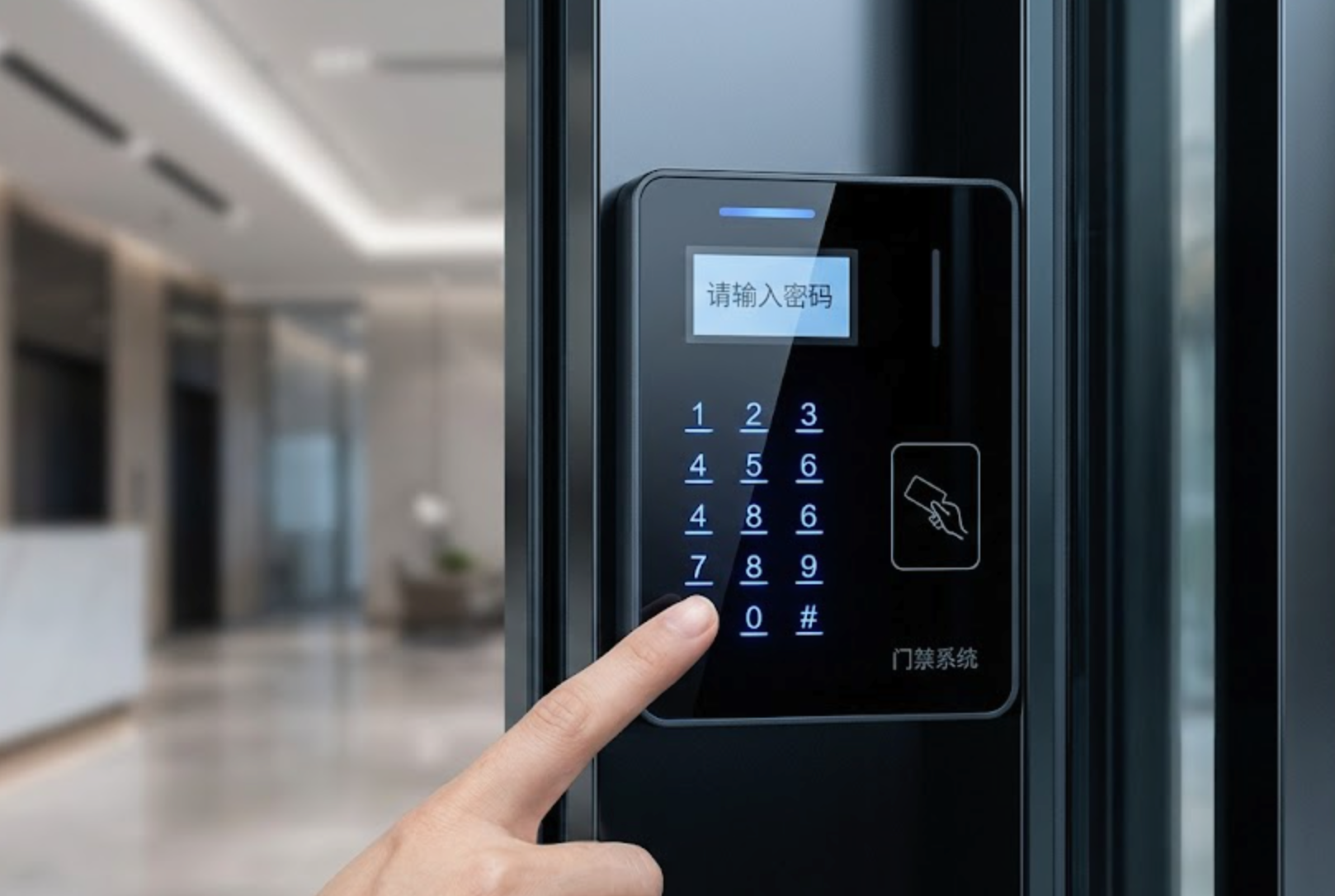
Comparative Analysis of Keypad Technologies
The choice between membrane, mechanical, and capacitive technologies depends on the specific operational environment. While capacitive touch surfaces offer sleek aesthetics, they often struggle with moisture or thick industrial gloves. In contrast, a mechanical stainless steel keypad provides the physical resistance needed for high-risk zones.
| Technology Type | Durability Rating | Best Use Case | Cleaning Compatibility |
|---|---|---|---|
| Metal Dome | High (5M cycles) | Outdoor Access Control | Excellent (IP65+) |
| Membrane | Medium (1M cycles) | Cleanrooms / Labs | Good (Chemical resistant) |
| Capacitive | High (No moving parts) | High-end Office / Retail | Moderate (No gloves) |
Environmental Adaptation and Compliance
Compliance with international standards ensures that an industrial keypad meets safety and accessibility laws. For instance, the Americans with Disabilities Act (ADA) provides guidelines for the height and placement of an access control keypad to ensure accessibility for all personnel. Furthermore, Braille-embossed keys on a stainless steel keypad are frequently required for public-facing industrial entrances to meet inclusivity mandates.
Environmental sealing extends beyond water resistance. In explosion-prone environments, such as oil refineries or grain silos, an industrial keypad must be ATEX or IECEx certified. These certifications verify that the device’s electrical components cannot generate sparks sufficient to ignite atmospheric gases or dust, representing a critical safety layer for hazardous area access control.
Optimized Installation and Maintenance Practices
Longevity is achieved through correct installation of the access control keypad. Using tamper-resistant screws and ensuring a flush mount against the wall prevents unauthorized removal. Regular maintenance involving the removal of surface contaminants prevents the buildup of corrosive films on the stainless steel keypad, especially in high-salinity environments.
Technicians should perform biannual continuity tests on the grounding wires of the industrial keypad. Proper grounding protects sensitive electronics from Electrostatic Discharge (ESD) and lightning surges, which are common causes of failure in outdoor security peripherals. Following the International Electrotechnical Commission (IEC) 61000 standards for electromagnetic compatibility ensures the keypad does not interfere with other sensitive industrial equipment.
Conclusion: Selecting the Right Interface
A strategic investment in a high-quality industrial keypad reduces long-term maintenance costs and strengthens the security perimeter. By prioritizing 316L stainless steel keypad construction, OSDP communication protocols, and IP67 environmental sealing, facility managers can ensure reliable access control in the most demanding conditions. Key selection factors include tactile feedback, encryption standards, and compliance with local safety regulations.
Frequently Asked Questions (FAQ)
What is the difference between IP65 and IP67 ratings for an industrial keypad?
An IP65 rating signifies the device is protected against dust and low-pressure water jets from any direction. An IP67 rating offers higher protection, allowing the access control keypad to withstand temporary immersion in water up to 1 meter for 30 minutes, which is essential for flood-prone or heavy-washdown areas.
Can a stainless steel keypad be used in hazardous or explosive environments?
Only if the device carries specific ATEX, IECEx, or North American Class/Division certifications. These keypads are designed with “intrinsically safe” circuits or “explosion-proof” enclosures to prevent the ignition of flammable gases or dust particles present in the atmosphere during operation.
How does OSDP improve the security of an access control keypad compared to Wiegand?
OSDP (Open Supervised Device Protocol) supports bi-directional communication and AES-128 encryption. Unlike the older Wiegand protocol, which transmits data in clear text and can be easily intercepted or “sniffed,” OSDP ensures that the PIN or data sent from the industrial keypad to the controller is encrypted.
What maintenance is required for a stainless steel keypad in coastal areas?
In high-salinity environments, regular cleaning with fresh water and a mild detergent is necessary to remove salt deposits. Even 316L stainless steel can experience “tea staining” if salt accumulates. Periodic inspection of the silicone gaskets and ensuring the drainage holes remain unobstructed will prolong the device’s operational life.
Is tactile feedback necessary for an industrial access control keypad?
Yes, tactile feedback is vital for user accuracy, especially in industrial settings where workers use gloves or operate in low-light conditions. A mechanical “click” or physical travel confirms the keypress, reducing the likelihood of PIN entry errors and improving the overall speed of personnel throughput.
Post time: Apr-15-2026