
Selecting weatherproof phones for ports requires understanding marine environmental challenges, IP rating standards, and operational communication demands. Harbor communication systems must withstand salt spray corrosion, extreme weather conditions, and high-humidity environments while maintaining reliable voice connectivity for port operations. This comprehensive guide provides port managers and facility operators with a systematic framework for evaluating and choosing industrial-grade weatherproof telephone systems that meet international safety standards and deliver long-term reliability in demanding port environments.

Understanding Port Environment Challenges
Port environments present unique challenges that standard communication equipment cannot withstand. Salt air accelerates corrosion on metal components, while constant exposure to moisture leads to electrical shorts and component failure. Temperature fluctuations in harbors cause condensation inside equipment housings, creating conditions for mold growth and circuit degradation. According to industry analysis, corrosion-related failures account for over 30% of communication equipment replacements in coastal facilities.
The vibration from heavy machinery, crane operations, and truck traffic creates additional stress on telephone components. Port workers require communication devices that remain operational during emergency situations, adverse weather events, and continuous industrial activity. China Industrial Explosionproof Intrinsically Safe outdoor Telephone for chemical plant are specifically engineered to address these challenging conditions, featuring reinforced housings and protected internal components designed for marine applications.
Key Features of Weatherproof Phones for Port Applications
Weatherproof phones designated for port use must incorporate several essential features that distinguish them from standard outdoor telephones. Material selection forms the foundation of durability, with marine-grade aluminum, stainless steel, and impact-resistant polymers providing the necessary protection against environmental factors.
Essential Features Checklist
- IP66 or higher ingress protection rating for dust and water resistance
- Salt spray resistant coatings meeting ASTM B117 standards
- Wide operating temperature range from -30°C to +70°C
- IK10 impact resistance rating for vandalism protection
- Hearing aid compatible receivers meeting accessibility standards
- Programmable emergency quick-dial functionality for port operations
The Waterproof Industrial Outdoor Telephone Enclosure JWAT162-1 represents the type of robust housing construction required for harbor environments. These enclosures feature multiple sealing layers, pressure equalization membranes, and corrosion-resistant fasteners that maintain integrity even under sustained salt exposure.
IP Rating Standards for Harbor Communication Equipment
Understanding Ingress Protection (IP) ratings proves essential for evaluating weatherproof telephone performance. The International Electrotechnical Commission standard ISO 69487 defines testing protocols for electrical equipment enclosures, providing a standardized framework for assessing environmental protection capabilities.
For port applications, minimum IP66 rating ensures complete protection against dust ingress and powerful water jets from any direction. However, many experts recommend IP67 or IP68 ratings for equipment positioned in areas prone to flooding or direct saltwater spray. IP69K rating becomes necessary for equipment undergoing high-pressure, high-temperature washdown procedures common in food handling and chemical transshipment terminals.
The first digit indicates solid particle protection on a scale from 0-6, while the second digit indicates liquid ingress protection on a scale from 0-9. Port managers should verify third-character codes when specified, as they indicate protection against mechanical impact forces that prove particularly relevant in industrial settings.
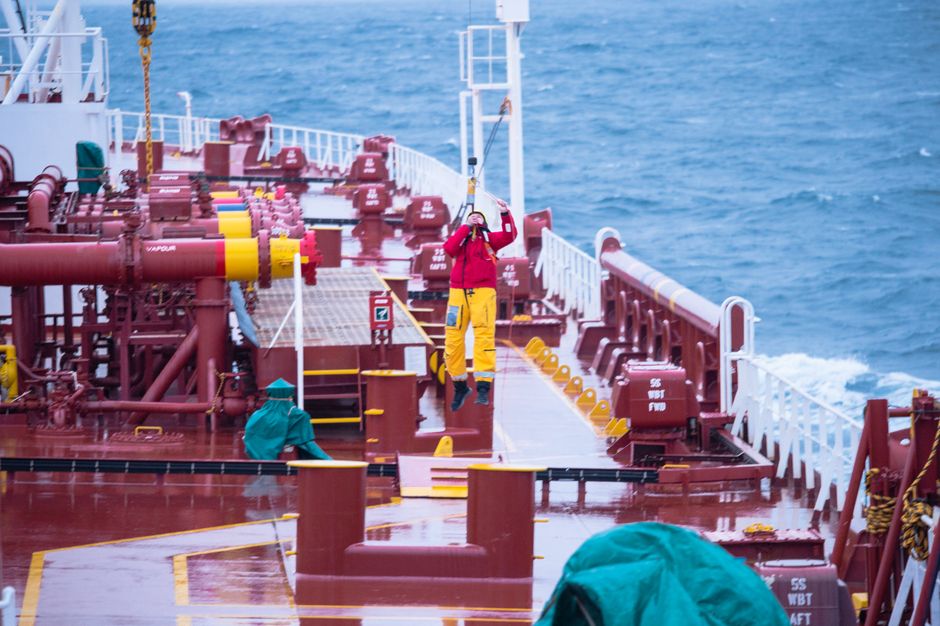
Durability Requirements for Harbor Communication Systems
Habor communication equipment faces mechanical stresses that extend beyond weather exposure. Vibration from passing vehicles, wind loads on elevated installations, and impact risks from cargo handling operations demand ruggedized construction. Mining safety standard products guidelines provide useful reference frameworks for evaluating durability specifications, as the mining industry shares similar environmental challenges with port operations.
Material thickness, housing reinforcement geometry, and component mounting methods all contribute to overall system durability. Die-cast aluminum housings with minimum 3mm wall thickness provide adequate impact resistance for most port applications. Gasket materials must maintain flexibility across the full operating temperature range while resisting degradation from UV exposure and chemical contact.
Emergency Communication Capabilities
Port safety regulations require reliable emergency communication systems positioned throughout facility boundaries. Auto dial hotline emergency telephones enable instant connection to port control centers, security operations, or emergency services with single-button activation. These systems must function reliably during power outages, requiring battery backup capabilities and automatic failover mechanisms.
Emergency hand-free telephone designs eliminate the need for handset manipulation, enabling communication while wearing protective equipment or during situations requiring both hands for safety. Clean room-grade intercom systems with dust-proof construction meet hygiene requirements for food processing terminals and pharmaceutical cargo handling facilities.
Installation Considerations for Port Environments
Proper installation significantly impacts weatherproof phone performance and longevity in port settings. Mounting height must accommodate both standing operators and vehicle operators, typically between 1.2 and 1.5 meters for universal accessibility. Structural mounting surfaces should provide adequate support for equipment weight plus environmental wind loading calculations.
Cable entry points require particular attention during installation. Surface-mounted conduit reduces moisture penetration risks compared to recessed entries. All cable penetrations should utilize sealed cable glands rated for the same IP classification as the telephone housing. Grounding connections prevent lightning damage and reduce electromagnetic interference affecting communication quality.
Maintenance Requirements and Service Considerations
Establishing preventive maintenance protocols extends equipment service life and ensures consistent communication reliability. After-sale service agreements from manufacturers provide access to technical support, spare parts availability, and factory-certified repair services. Most reputable manufacturers offer warranties of 18-24 months covering manufacturing defects and component failures under normal operating conditions.
Maintenance schedules should include quarterly inspections checking gasket integrity, fastener security, and surface coating condition. Annual comprehensive inspections should verify electrical connections, test emergency functions, and replace consumable components such as speaker grilles and receiver seals. Coastal environments typically require more frequent maintenance intervals than inland locations due to accelerated corrosion rates.
Selection Checklist for Port Weatherproof Phones
Port managers can use this structured evaluation framework when comparing weatherproof telephone options for harbor communication systems.
| Evaluation Criteria | Minimum Requirement | Recommended Standard |
|---|---|---|
| IP Rating | IP66 | IP67 or higher |
| Operating Temperature | -20°C to +50°C | -30°C to +70°C |
| Material Construction | Marine-grade aluminum | Stainless steel 316 |
| Impact Rating | IK08 | IK10 |
| Warranty Period | 12 months | 24 months |
| Certification | CE compliance | CE + UL listing |
| Emergency Features | Manual dial | Auto-dial with battery backup |
Cost Considerations and Total Ownership Analysis
Initial procurement costs represent a small fraction of total ownership expenses for port communication systems. Equipment with higher upfront costs often deliver superior reliability, reducing replacement frequency and associated labor expenses. Maintenance contracts, spare parts programs, and availability of local service support significantly impact lifecycle costs.
Cybersecurity considerations increasingly influence communication system selection, as noted in NIST small business cybersecurity guidelines. Weatherproof phones with network connectivity require security feature evaluation, including encryption protocols, access authentication, and remote management capabilities that protect against unauthorized system access while maintaining operational functionality.
Conclusion
Choosing weatherproof phones for ports demands systematic evaluation of environmental challenges, equipment specifications, and operational requirements. Prioritizing IP ratings, material durability, emergency capabilities, and manufacturer support services ensures selection of communication systems that deliver reliable performance throughout their service life. The investment in quality industrial weatherproof telephone infrastructure protects port operations against communication failures during critical situations while reducing long-term maintenance costs and equipment replacement frequency.
Frequently Asked Questions
What IP rating is required for weatherproof phones in port environments?
Port environments require minimum IP66 rating for protection against dust and powerful water jets. Equipment exposed to direct saltwater spray or flooding conditions should meet IP67 or IP68 standards. High-pressure washdown areas may require IP69K rated equipment.
How often should weatherproof phones be maintained in coastal port facilities?
Coastal port facilities should perform quarterly visual inspections and annual comprehensive evaluations. Maintenance intervals may decrease to bimonthly in extremely corrosive environments or areas with frequent washdown operations. Preventive maintenance significantly extends equipment service life and prevents unexpected failures.
What materials provide best corrosion resistance for harbor telephone installations?
Stainless steel 316 offers superior corrosion resistance for marine environments due to its molybdenum content. Marine-grade aluminum with powder coating provides adequate protection at lower weight. Fiber-reinforced composite materials resist corrosion but may require UV-stabilized formulations for sun exposure.
Can weatherproof phones integrate with existing port communication systems?
Most industrial weatherproof phones support standard analog telephony, Voice over IP (VoIP), and digital communication protocols. Integration capabilities depend on the specific telephone model and existing infrastructure. Solution providers offer compatibility assessment services to ensure proper system integration.
What emergency features should port weatherproof phones include?
Essential emergency features include one-touch auto-dial to control centers, battery backup for power outages, visual and audible emergency indicators, and hands-free operation capability. ADA-compliant accessibility features ensure usability by all port personnel during emergency situations.
Post time: Jun-09-2026