
Selecting the right industrial telephone manufacturer is a critical decision for ensuring operational safety and communication continuity in hazardous or demanding environments. This guide examines the essential technical standards, certification requirements, and selection criteria necessary for a reliable industrial communication system.
Understanding Industrial Telephone Classifications
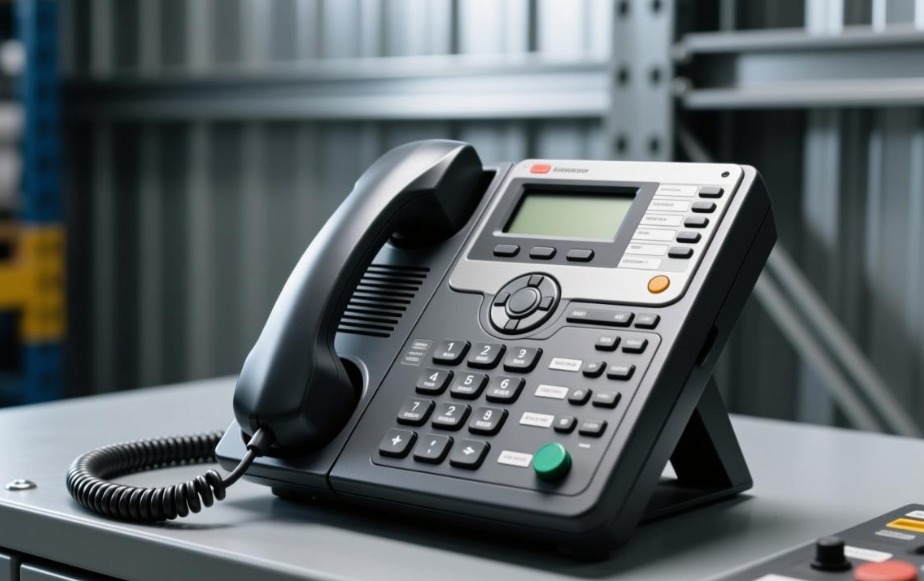
Industrial telephones are engineered to operate where standard commercial devices fail. The primary categories include Explosion Proof Telephones, Weatherproof Telephones, and Vandal Resistant Telephones. Each category addresses specific environmental stressors, such as combustible gases, extreme moisture, or physical tampering. Choosing the correct classification ensures compliance with international safety regulations and prevents costly equipment failures.
Key Factors in Selecting a Manufacturer
When evaluating a manufacturer, technical expertise and manufacturing depth are paramount. A reputable provider should manage the production of core components, including keypads and handsets, to ensure long-term stability and part availability.
1. Regulatory Certifications and Standards
Compliance with international standards is the most objective measure of a manufacturer’s quality. For hazardous locations, look for ATEX (Europe) or IECEx (Global) certifications. According to the International Electrotechnical Commission (IEC), these certifications verify that equipment will not become an ignition source in explosive atmospheres. Furthermore, ISO 9001:2015 certification indicates a robust quality management system is in place.
2. Material Durability and Ingress Protection
Industrial environments subject devices to corrosion, dust, and water. A high-quality manufacturer uses durable materials such as aluminum alloy, stainless steel, or carbon steel. The Ingress Protection (IP) rating is a standardized metric for sealing effectiveness. For outdoor or marine use, an IP66 or IP67 rating is typically required to protect internal circuitry from high-pressure water jets and heavy dust.
Technical Specification Comparison
The following table compares the typical specifications of major industrial communication categories to assist in the selection process.
| Feature | Explosion Proof Telephone | Weatherproof Telephone | Vandal Resistant Telephone |
|---|---|---|---|
| Primary Material | Aluminum Alloy / GRP | Aluminum Alloy / Plastic | Stainless Steel / Zinc Alloy |
| Typical IP Rating | IP66 / IP67 | IP66 | IP54 / IP65 |
| Standard Certification | ATEX, IECEx, UL | CE, FCC | CE, RoHS |
| Typical Application | Oil & Gas, Chemical Plants | Tunnels, Railways, Marine | Prisons, Metro Stations |
Communication Protocols: Analog vs. VoIP
Modern industrial communication is shifting from traditional analog systems to Voice over IP (VoIP). An experienced Industrial Telephone Manufacturer must offer both options to accommodate legacy infrastructure and modern digital integration.
- Analog Systems: Reliable and easy to maintain; suitable for sites with existing copper wiring.
- VoIP/SIP Systems: Offer advanced features like remote monitoring, PoE (Power over Ethernet), and seamless integration with IP PBX Telephone Systems.
Evaluating Manufacturing Capability and Support
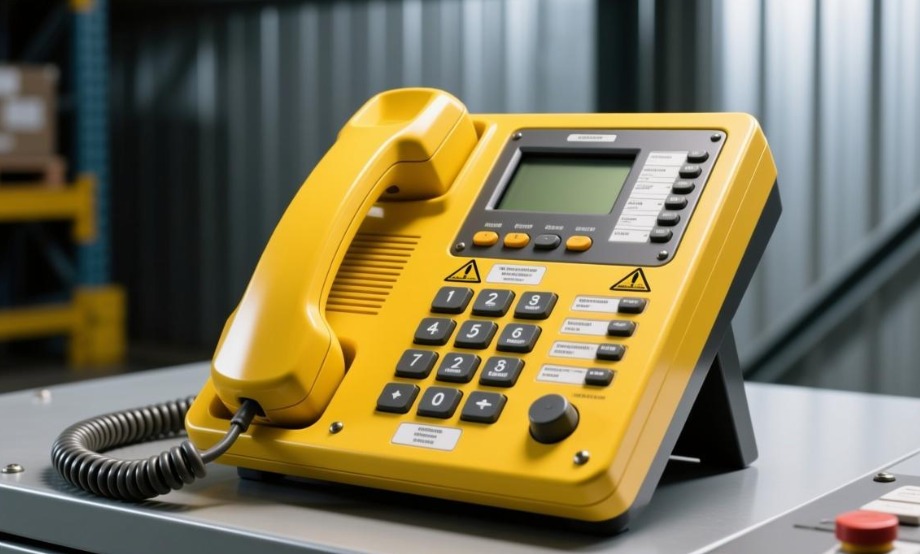
A “manufacturer” that only assembles third-party parts may struggle with quality control. In contrast, an integrated Industrial Telephone Manufacturer that produces its own Stainless Steel Keypads and Telephone Handsets offers better customization and lifecycle support.
Strategic Selection Checklist
Industry professionals should utilize a structured checklist when auditing potential suppliers:
- Experience: Does the firm have at least 10-15 years of industry-specific experience?
- R&D Strength: Can they provide customized PCB designs or unique enclosure dimensions?
- Global Reach: Do they have a proven track record of exporting to over 50 countries?
- Support Services: Is there a clear protocol for after-sales maintenance and warranty claims?
Environmental Adaptability and Specialized Features
Different industries require niche features. For example, Prison Communications require heavy-duty armored cords and tamper-proof screws, while Cleanroom Intercoms must have flat surfaces for easy sterilization. Assessing whether a manufacturer understands these nuances is a key indicator of their expertise.
Cost-Efficiency and Long-term Value
While initial purchase price is a factor, the Total Cost of Ownership (TCO) is more relevant in industrial settings. Cheaply made units often require frequent replacements and cause downtime. Investing in high-quality Weatherproof Telephones reduces maintenance overhead. According to a 2025 industry report by Global Market Insights, the demand for ruggedized communication is increasing due to the high cost of operational downtime in the energy sector.
Performance Benchmarks
To ensure the chosen manufacturer meets industrial requirements, verify their testing procedures for the following:
- Corrosion Resistance: Salt spray testing (e.g., ASTM B117) for marine environments.
- Mechanical Impact: IK ratings (e.g., IK10) for protection against mechanical impact.
- Temperature Range: Ability to operate between -40°C and +70°C.
Summary of Selection Logic
The selection process should prioritize safety certifications first, followed by hardware durability, and finally software compatibility. By choosing a manufacturer with vertical integration—controlling everything from the Zinc Alloy Keypad production to the final assembly—buyers ensure a higher degree of reliability.
| Selection Phase | Priority Action | Key Outcome |
|---|---|---|
| Phase 1: Compliance | Verify ATEX/CE/FCC Certs | Legal and safety compliance |
| Phase 2: Hardware | Inspect IP and IK ratings | Long-term hardware durability |
| Phase 3: Integration | Test SIP/VoIP compatibility | Seamless system communication |
Final Procurement Advice
Before finalizing a contract, request a sample unit for onsite testing. Evaluate the clarity of the audio in high-noise environments and the responsiveness of the manufacturer’s technical support team. Establishing a partnership with a versatile Industrial Telephone Manufacturer ensures your facility remains safe and connected for years to come.
Frequently Asked Questions (FAQ)
What is the difference between an ATEX and a standard industrial phone?
An ATEX-certified phone is specifically designed to prevent sparks or heat that could ignite explosive gases or dust in hazardous environments. Standard industrial phones are rugged and weather-resistant but lack the internal “intrinsically safe” or “explosion-proof” circuitry required for high-risk zones like oil refineries or chemical processing plants.
How do I choose between an analog and a VoIP industrial telephone?
Choose analog if you have existing copper line infrastructure and require a simple, low-maintenance setup. Select VoIP if you need modern features like Power over Ethernet (PoE), remote status monitoring via a web interface, or integration with a digital IP-PBX system for better scalability and long-distance communication over fiber networks.
Why is the IP66 rating important for weatherproof telephones?
The IP66 rating ensures that the telephone is completely dust-tight and can withstand powerful water jets from any direction without any harmful effects. This is crucial for equipment installed in tunnels, near coastal areas, or in industrial wash-down zones where heavy rain or cleaning procedures would otherwise damage sensitive electronics.
Can industrial telephones be customized for specific project needs?
Yes, top-tier manufacturers offer customization for housing colors, cable lengths, and functional buttons. Common modifications include adding a “hotline” feature for auto-dialing emergency numbers or integrating specialized mounting brackets for tunnels and poles. Always confirm that customization does not void the safety certifications required for your specific site.
What are the most durable materials for vandal-resistant phones in public areas?
Stainless steel 304 or 316 and zinc alloy are the preferred materials for vandal-resistant housings. These materials provide high tensile strength and resistance to physical impact. Additionally, these phones often feature armored handsets with steel lanyards that can withstand heavy pulling forces, making them ideal for prisons and metro stations.
Post time: May-11-2026