
Introduction
In refineries, chemical plants, grain facilities, and other hazardous sites, communication equipment must do more than keep teams connected—it must not become an ignition source. Explosion proof communication systems are designed for exactly that challenge, allowing workers to report hazards, coordinate tasks, and respond to emergencies in areas where flammable gases, vapors, or dust may be present. This article explains how these systems reduce risk by controlling electrical and thermal energy, improving response speed, and supporting safer operations in high-risk environments, so readers can better understand their role in preventing accidents and protecting both personnel and assets.
How Explosion Proof Communication Improves Workplace Safety
In industrial environments characterized by volatile gases, combustible dust, or flammable liquids, standard communication devices pose a severe ignition risk. Explosion-proof communication systems are engineered specifically to eliminate this threat while ensuring that personnel remain connected during critical operations.
By deploying specialized two-way radios, intercoms, and paging systems, facility operators can coordinate complex tasks and emergency responses without introducing thermal or electrical energy capable of igniting the surrounding atmosphere. The integration of these devices directly correlates with a measurable reduction in catastrophic workplace incidents.
Why It Matters for Incident Prevention
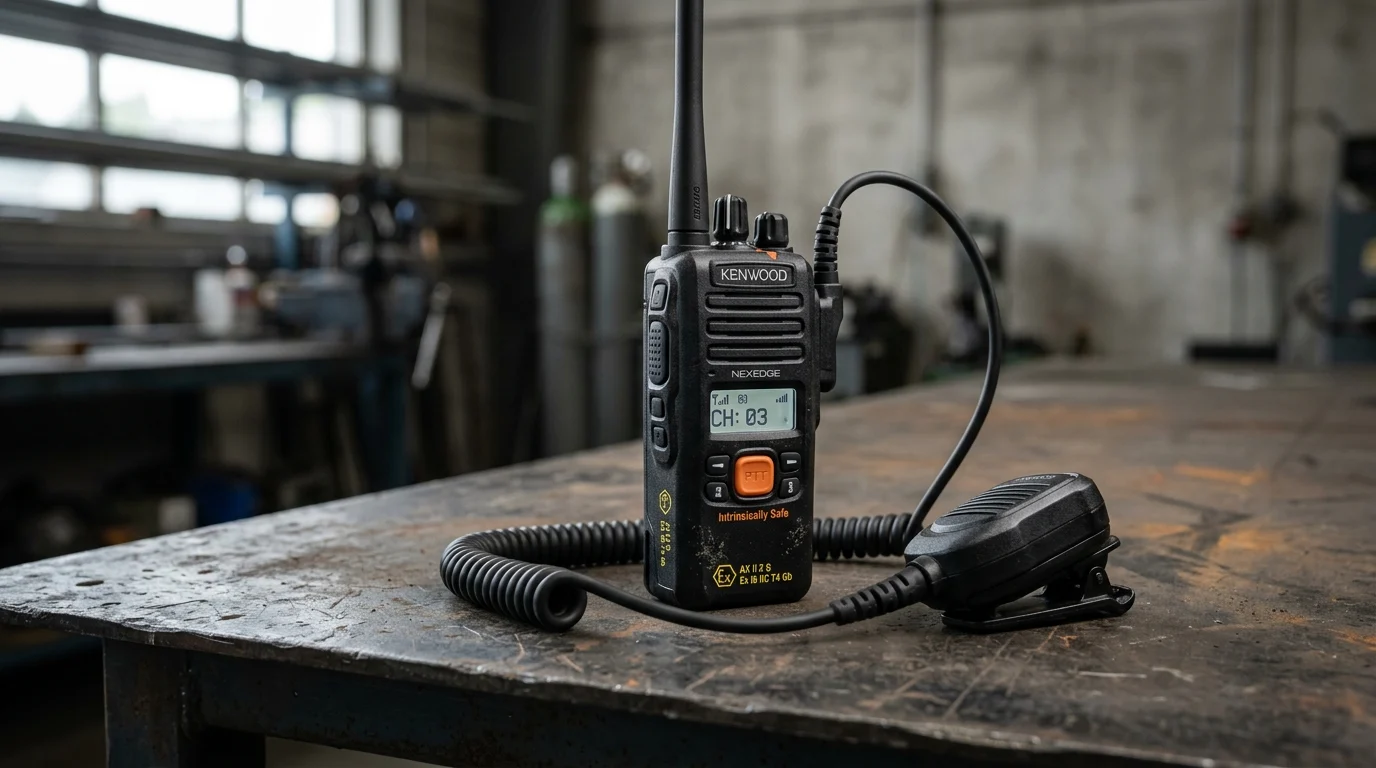
Incident prevention in hazardous areas relies on strict control of the “fire triangle”—specifically, eliminating the ignition source. Modern intrinsically safe (IS) communication devices achieve this by strictly limiting the electrical and thermal energy available in the circuit. For instance, these devices typically restrict operational energy to less than 1.2 volts or 0.1 amperes, ensuring that even in the event of a short circuit, the generated spark lacks the energy required to ignite an explosive mixture.
Rapid communication also prevents minor anomalies from escalating into critical emergencies. When personnel can instantly report a pressure drop or a chemical leak, control rooms can shut down processes before gas concentrations reach their Lower Explosive Limit (LEL), thereby averting potential disasters.
Where It Delivers the Most Value
Explosion-proof communication delivers the highest return on investment in sectors where volatile atmospheres are a constant operational reality, such as offshore oil and gas platforms, petrochemical refineries, and underground coal mines. In these environments, the financial impact of an incident is catastrophic, with unplanned downtime costs easily exceeding $100,000 per hour, not accounting for regulatory fines or human casualties.
Furthermore, these systems provide immense value during turnaround and maintenance phases. Confined space entries require continuous, reliable communication between the entrant and the attendant. Explosion-proof headsets and radios ensure that this vital link remains unbroken, even when the confined space is classified as a Zone 0 or Class I, Division 1 hazardous area.
What Explosion Proof Communication Equipment Is
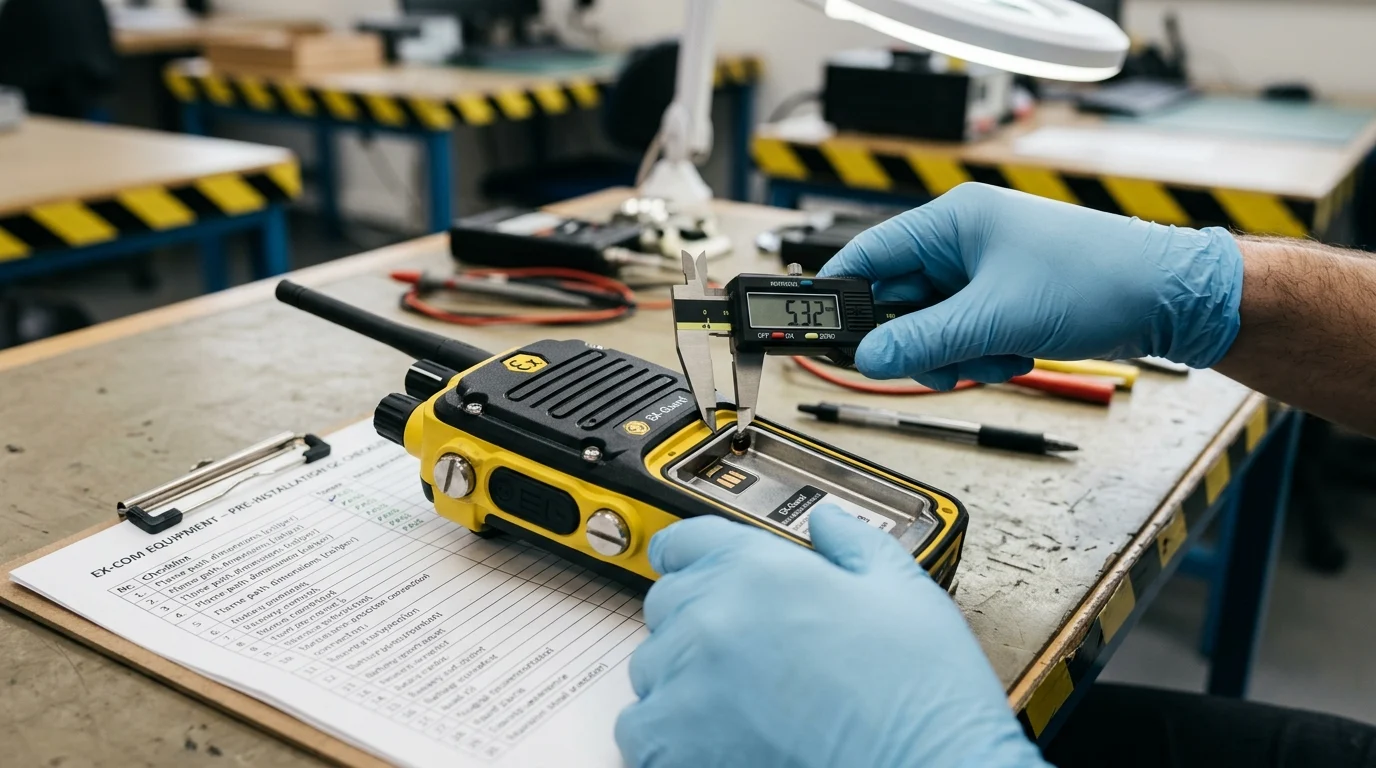
Explosion-proof communication equipment encompasses a broad category of devices designed to operate safely within explosive atmospheres. Unlike standard ruggedized commercial equipment, which merely resists water and dust ingress, explosion-proof and intrinsically safe devices undergo rigorous engineering and third-party testing to ensure they cannot ignite specific hazardous materials under normal or fault conditions.
Hazardous Area Ratings and Certifications
Navigating the complex landscape of hazardous area communication requires a thorough understanding of global certification standards. The two primary frameworks utilized globally are the ATEX/IECEx system (common in Europe and internationally) and the NEC/CEC system (predominant in North America). These standards classify environments based on the frequency and duration of the explosive hazard.
| Classification System | Continuous Hazard | Intermittent Hazard | Abnormal Condition Hazard |
|---|---|---|---|
| ATEX / IECEx (Zones) | Zone 0 (Gases) / Zone 20 (Dust) | Zone 1 (Gases) / Zone 21 (Dust) | Zone 2 (Gases) / Zone 22 (Dust) |
| NEC / CEC (Class/Div) | Class I, Div 1 | Class I, Div 1 | Class I, Div 2 |
Selecting the correct device depends entirely on these ratings. A device certified only for Zone 2 cannot be legally or safely deployed in a Zone 1 environment. Furthermore, certifications dictate the specific gas groups (e.g., Group IIC for Hydrogen) and temperature classes (e.g., T4, limiting maximum surface temperature to 135°C) the device can safely tolerate.
Core Design Features and Device Types
Manufacturers utilize two primary protection methodologies for communication devices: Intrinsic Safety (Ex i) and Flameproof/Explosion-Proof enclosures (Ex d). Intrinsically safe devices, such as portable two-way radios and smartphones, are engineered to limit electrical and thermal energy. Conversely, Ex d devices, such as heavy-duty wall-mounted intercoms, allow internal explosions to occur but are constructed with robust enclosures that contain the blast. These enclosures are tested to withstand internal explosive pressures of up to 150 psi without propagating flames to the external atmosphere.
Beyond ignition protection, these devices incorporate industrial-grade durability features. Ingress Protection (IP) ratings of IP66 or IP67 are standard, ensuring the internal electronics are shielded from high-pressure water jets and fine particulate ingress. Device types range from portable UHF/VHF radios and intrinsically safe LTE smartphones to fixed Public Address and General Alarm (PAGA) systems, each serving a distinct operational function within the hazardous perimeter.
Key Factors for Evaluating Explosion Proof Communication Systems
Evaluating explosion-proof communication systems requires balancing strict safety compliance with operational functionality. A fully certified device is useless if it fails to deliver clear audio or integrate with existing infrastructure during a high-stakes emergency.
Audio Quality, Reliability, and Ruggedness
Industrial environments are notoriously loud, with ambient noise in compressor rooms or drilling floors frequently ranging from 85 to 110 decibels (dB). In such conditions, standard microphones and speakers are entirely inadequate. Explosion-proof communication devices must feature advanced active noise cancellation (ANC) and high-output acoustic transducers. For instance, fixed intercom stations often require speaker outputs exceeding 90 dB, while portable radios rely on heavy-duty, intrinsically safe bone-conduction or noise-canceling headsets to ensure vocal clarity.
Reliability and ruggedness go hand in hand with audio performance. Drop resistance is a critical metric; devices must survive repeated impacts onto concrete from heights of 1.5 to 2 meters without compromising their Ex certification seals or internal circuitry.
Integration with Alarms, SCADA, and Dispatch
Modern industrial communication is rarely siloed. Explosion-proof paging systems and radios must integrate seamlessly with plant-wide Public Address and General Alarm (PAGA) systems, Supervisory Control and Data Acquisition (SCADA) networks, and central dispatch consoles. This interoperability is typically achieved through standard SIP (Session Initiation Protocol) and RoIP (Radio over IP) gateways.
Integration allows automated safety protocols to trigger communication events. For example, if a SCADA system detects a sudden spike in hydrogen sulfide (H2S), it can automatically broadcast a localized evacuation order through the explosion-proof intercoms with a latency of less than 500 milliseconds, ensuring immediate personnel response.
Trade-Offs Across Radios, Intercoms, and Phones
Facility managers must choose the right mix of communication hardware based on mobility, range, and infrastructure requirements. Each device type presents distinct operational trade-offs.
| Device Type | Mobility & Range | Duplex Capability | Typical Deployment Cost (per unit) |
|---|---|---|---|
| Two-Way Radios (IS) | High (1–5 miles) | Half-Duplex | $1,000 – $2,500 |
| Fixed Intercoms (Ex d) | None (Fixed Location) | Full-Duplex | $2,000 – $5,000+ |
| VoIP / SIP Phones (IS) | Low (Cable/Wi-Fi range) | Full-Duplex | $1,500 – $3,500 |
While two-way radios provide unparalleled mobility for roving operators, they are typically half-duplex, which can hinder rapid, collaborative troubleshooting. Fixed intercoms and VoIP phones offer full-duplex conversations, allowing simultaneous speaking and listening, but require significant upfront investment in explosion-proof cabling and conduit infrastructure.
How to Select, Deploy, and Maintain the Right Solution
The lifecycle of an explosion-proof communication system extends far beyond the initial purchase. Proper selection, methodical deployment, and stringent maintenance protocols are mandatory to preserve both the functional integrity of the equipment and the legal compliance of the facility.
Procurement Criteria and Lifecycle Costs
Procuring explosion-proof equipment requires a comprehensive Total Cost of Ownership (TCO) analysis. While standard industrial radios might cost $300 to $600, intrinsically safe equivalents demand a premium, typically ranging from $1,500 to $3,000 per unit due to specialized engineering and certification costs. However, CapEx is only a fraction of the financial equation.
Lifecycle costs must account for proprietary accessories, specialized replacement batteries, and recertification expenses. A well-maintained explosion-proof communication system typically offers a lifespan of 5 to 7 years. Procurement criteria should heavily weigh vendor warranties, availability of certified spare parts, and the manufacturer’s roadmap to prevent premature obsolescence.
Deployment Steps for Hazardous Areas
Deploying wireless communication in hazardous areas presents unique RF (Radio Frequency) challenges. Petrochemical plants and offshore rigs are heavily congested with steel structures, leading to severe signal multipath fading and attenuation. A comprehensive site RF survey is a mandatory first step to determine optimal antenna placement and identify dead zones.
When installing fixed Ex d (flameproof) equipment, contractors must adhere strictly to hazardous area wiring codes, such as using poured seal fittings or specialized cable glands to prevent gas migration through the conduit. Any deviation during installation—such as over-tightening a gland or failing to torque enclosure bolts to the manufacturer’s exact specifications—instantly voids the explosion-proof certification and introduces a critical safety vulnerability.
Training, Inspection, and Battery Management
Human error is the leading cause of Ex equipment failure. Personnel must undergo specialized training on the strict operational limitations of intrinsically safe devices. For example, a fundamental rule of intrinsically safe equipment is that battery packs cannot be swapped, removed, or charged while inside a Zone 1 or Zone 2 hazardous area, as the friction or electrical contact break can generate an incendive spark.
Routine maintenance is governed by strict international standards, such as IEC 60079-17. Facilities must schedule visual and close inspections every 6 to 12 months to check for cracked casings, degraded seals, or unauthorized modifications. Any explosion-proof device that fails inspection must be immediately removed from service and repaired only by an authorized, certified service center.
How to Build an Effective Investment Decision Framework
Transitioning from legacy systems to a modern explosion-proof communication network requires a robust investment decision framework. Stakeholders must align safety mandates, regulatory compliance, and budget constraints to justify the capital expenditure and maximize operational resilience.
Balancing Safety, Compliance, and Cost
Building the business case begins with a quantitative risk assessment. Facility managers must weigh the upfront costs of Ex-certified equipment against the financial and legal ramifications of non-compliance. In the United States, for example, OSHA penalties for willful safety violations can exceed $156,000 per instance, while the broader costs of a catastrophic ignition event—including facility destruction, litigation, and reputational damage—can easily reach hundreds of millions of dollars.
To balance these factors, organizations should adopt a tiered deployment strategy. By accurately mapping hazardous zones, safety engineers can deploy expensive Zone 0/Class I Div 1 equipment only where absolutely necessary, utilizing more cost-effective Zone 2/Div 2 or standard ruggedized devices in adjacent, non-hazardous safe areas.
Final Selection Priorities
When making the final selection, priorities must shift toward future-proofing and vendor ecosystem support. The industrial communication landscape is migrating from analog and standard digital radio (DMR/TETRA) toward broadband intrinsically safe LTE and 5G solutions. Selecting hardware that supports these emerging protocols ensures that the facility can eventually integrate advanced features like real-time video streaming and biometric worker monitoring.
Ultimately, the chosen solution must deliver uncompromised reliability. Decision-makers should prioritize vendors that offer robust service-level agreements (SLAs), guaranteed firmware update cycles, and proven track records in the specific vertical industry. An effective explosion-proof communication system is not merely a regulatory checkbox; it is a critical operational asset that safeguards human life and ensures continuous industrial productivity.
Key Takeaways
- The most important conclusions and rationale for Explosion Proof Communication
- Specs, compliance, and risk checks worth validating before you commit
- Practical next steps and caveats readers can apply immediately
Frequently Asked Questions
What makes explosion proof communication safer than standard devices?
It prevents sparks or hot surfaces from igniting gas or dust while keeping teams connected for fast reporting, shutdowns, and evacuation in hazardous areas.
Which certifications should I check before buying explosion-proof communication equipment?
Match the site classification first, then verify ATEX, IECEx, or local requirements, plus gas group and temperature class. Siniwo products also support CE, FCC, ROHS, and ISO9001 needs.
Where is explosion proof communication most useful?
It is most valuable in oil and gas, petrochemical plants, mining, maritime sites, and confined spaces where flammable gas, vapor, or dust may be present.
What types of explosion-proof communication products does Siniwo provide?
Siniwo offers explosion-proof telephones, intercoms, emergency call boxes, paging systems, PA solutions, and IP PBX/VoIP products for harsh and hazardous environments.
How do I choose between intrinsically safe and explosion-proof equipment?
Use intrinsically safe devices for portable, low-energy communication, and explosion-proof enclosures for fixed units like wall intercoms in higher-risk industrial areas. Always match the area rating.
Post time: Apr-28-2026