
Introduction
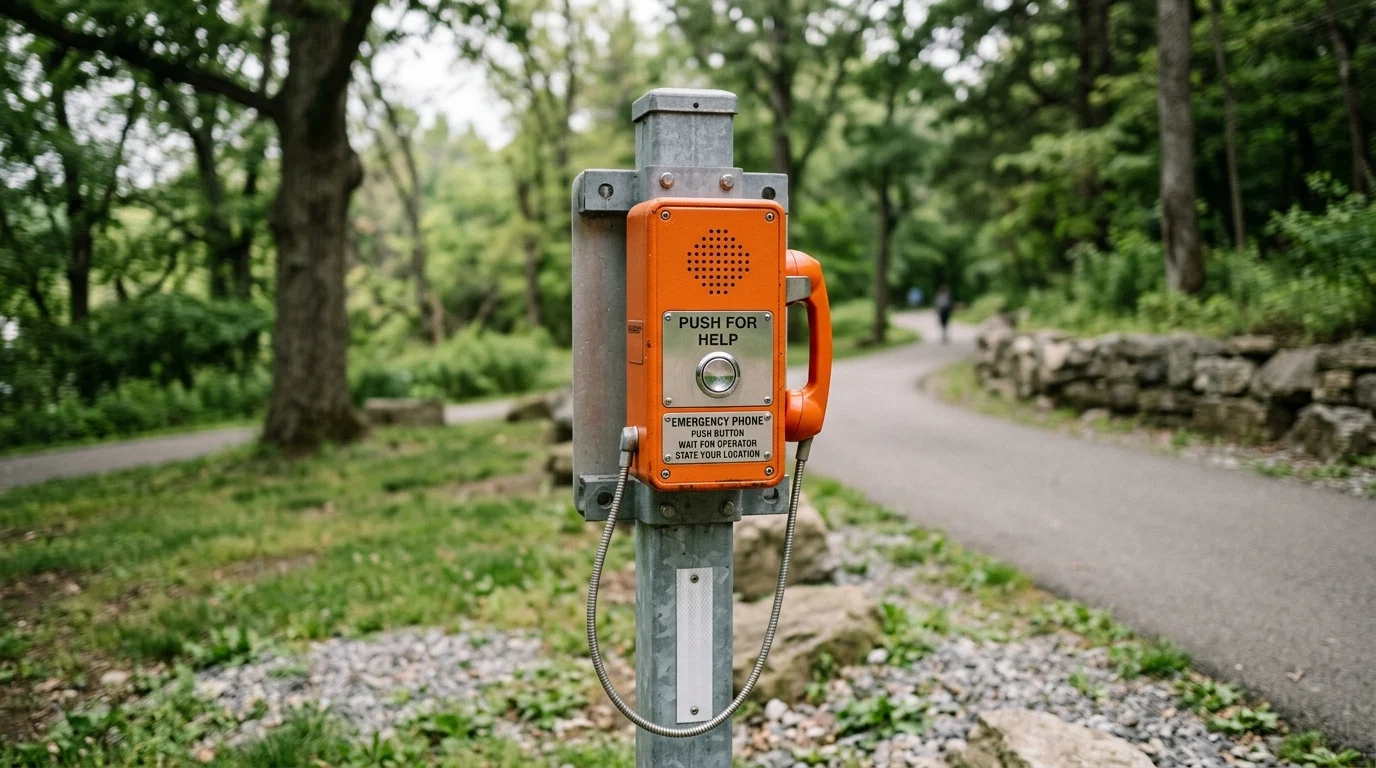
Outdoor emergency phones are built for the moments when storms, heat, ice, or flooding knock out ordinary communication. In exposed settings such as highways, transit platforms, campuses, industrial sites, and remote facilities, reliability depends on more than a loudspeaker and a call button; weather sealing, temperature tolerance, power backup, network resilience, and visibility all matter. This guide explains what separates true extreme-weather units from standard outdoor phones, which specifications deserve the closest attention in 2026, and how different environments change the buying decision, so you can compare options with a clear understanding of performance, safety, and long-term durability.
Why Outdoor Emergency Phones Matter
As global climate patterns shift, the frequency and severity of extreme weather events demand highly robust infrastructure. Outdoor emergency phones serve as the ultimate fail-safe for public safety and industrial operations, guaranteeing a communication lifeline when primary cellular networks or localized power grids collapse under environmental stress.
Climate, uptime, and public safety drivers
The primary driver for deploying specialized outdoor emergency phones is the necessity for uninterrupted communication during severe climate events. Standard telecommunications equipment typically fails when exposed to temperatures outside the 0°C to 40°C range. In contrast, industrial-grade emergency terminals are engineered to maintain 99.999% uptime in operating temperatures spanning from -40°C to +75°C.
Furthermore, extreme weather brings secondary threats such as torrential rain, ice accumulation, and high-velocity debris. Public safety mandates require that emergency communication points remain operational during these events, functioning as immediate distress beacons for individuals who are stranded or in danger.
High-risk environments and use cases
High-risk environments necessitate distinct structural and technological adaptations. Offshore oil platforms, open-pit mines, and remote highway corridors present unique operational hazards, including corrosive salt spray, explosive dust, and complete isolation from standard power grids.
In mass transit hubs and university campuses, the use cases shift toward rapid crisis response and deterring localized crime. In these environments, the emergency phone acts as both a visual deterrent and a direct, uninterruptible line to centralized dispatch, ensuring that response times are minimized even when ambient conditions deteriorate to the point of widespread power loss.
Key Technical Specifications
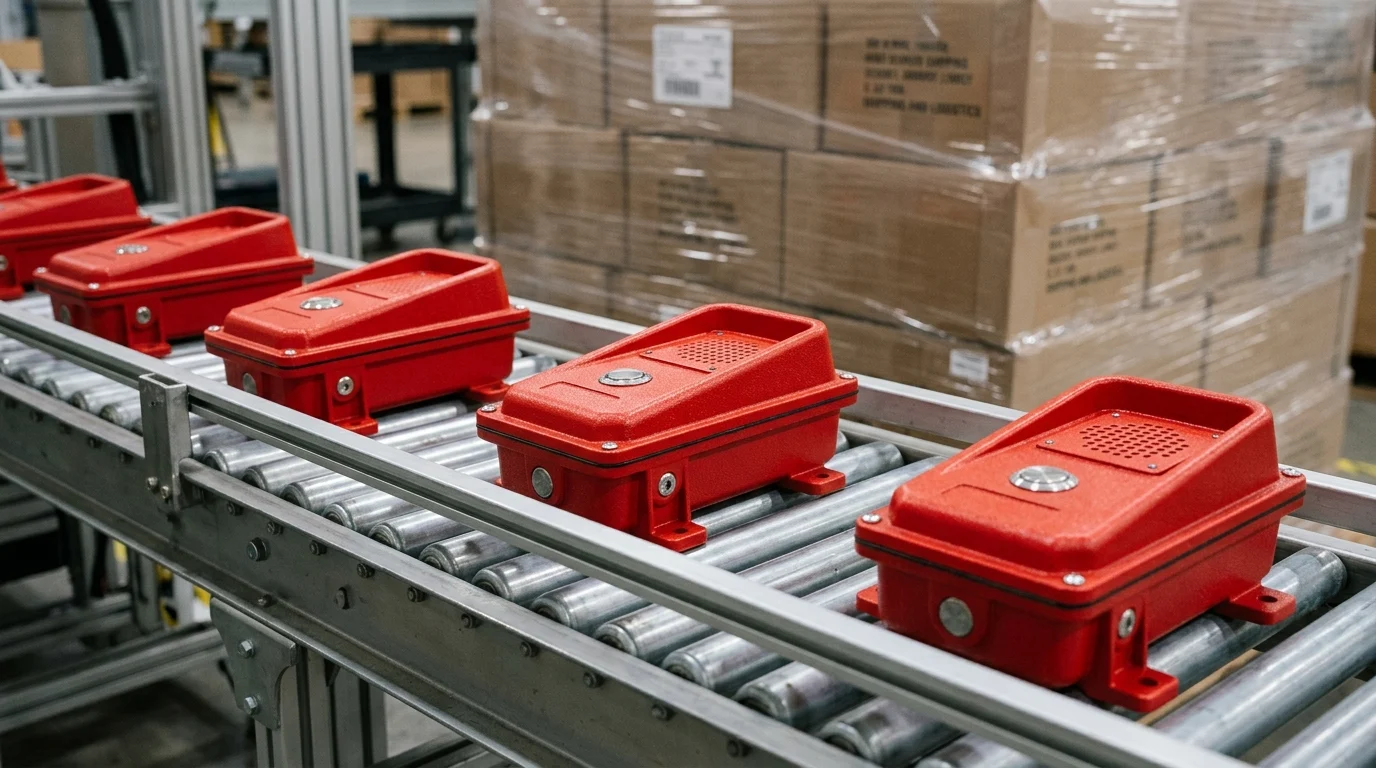
Selecting the appropriate outdoor emergency phone requires a rigorous evaluation of hardware specifications to ensure long-term survivability and reliable operation in hostile environments.
Enclosure, corrosion, and weather resistance
Enclosure integrity is paramount. For extreme weather deployments in 2026, devices must meet a minimum ingress protection rating of IP66 or IP67, ensuring total protection against dust and high-pressure water jets or temporary submersion. Enclosures are typically constructed from marine-grade 316 stainless steel or heavy-duty cast aluminum to resist oxidation and corrosive elements.
Vandal resistance is equally critical, particularly in unattended public spaces. Protective housings and faceplates must achieve an IK10 impact resistance rating, proving they are capable of withstanding 20 joules of impact energy without compromising the internal electronics or structural integrity.
Power, connectivity, and audio performance
Power architecture and connectivity dictate the operational reliability of the unit. Modern deployments increasingly rely on Power over Ethernet (PoE) for streamlined cabling, but remote locations demand standalone solar arrays coupled with deep-cycle batteries, ensuring up to 5 days of autonomous operation without sunlight. Connectivity options range from hardwired fiber optics to redundant 4G/5G and LTE-M cellular modules.
Audio performance must overcome extreme ambient noise. High-performance units feature dual-microphone arrays with active noise cancellation capable of reducing background interference by 20 to 30 decibels. Amplified speakers must deliver a minimum output of 85dB at 1 meter to ensure intelligibility during high-wind events or heavy industrial machinery operation.
Comparison criteria for buyers
Procurement teams must weigh these specifications against deployment realities. Comparing devices requires looking beyond baseline IP ratings to evaluate the synergy between materials, power redundancy, and acoustic performance.
| Feature | Standard Outdoor | Extreme Weather | Heavy Industrial / Marine |
|---|---|---|---|
| Enclosure Material | Cold-rolled steel / Polycarbonate | Cast Aluminum | 316 Stainless Steel |
| Ingress Protection | IP54 – IP65 | IP66 – IP67 | IP67 – IP68 |
| Impact Rating | IK08 | IK10 | IK10+ |
| Operating Temp | -20°C to +55°C | -40°C to +70°C | -40°C to +75°C |
| Acoustic Output | 70dB at 1m | 80dB at 1m | >85dB at 1m |
Compliance, Installation, and Maintenance
Procuring high-specification hardware is only the first step; successful deployment relies on strict adherence to accessibility codes, precise installation methodologies, and proactive lifecycle management.
Codes, accessibility, and emergency calling rules
Regulatory compliance dictates the physical design and placement of emergency phones. In the United States, the Americans with Disabilities Act (ADA) mandates that operable parts, such as call buttons, must not exceed a maximum height of 48 inches from the finished floor. Similar accessibility frameworks, such as AS1428 in Australia or the Equality Act in the UK, enforce comparable dimensional constraints.
Beyond physical height, devices must incorporate features for the hearing and visually impaired. This includes braille signage, raised lettering, and dual-status LED indicators that visually confirm when a call has been received and when dispatch has answered, satisfying both legal requirements and universal design principles.
Installation practices for weather resilience
Installation practices directly influence the weather resilience of the system. Freestanding emergency towers require engineered concrete footings capable of withstanding wind loads of up to 150 mph. All subterranean conduit entries must be hermetically sealed using specialized potting compounds or expanding resins to prevent moisture migration and condensation within the housing.
For wall-mounted units, technicians must utilize marine-grade isolation gaskets between the phone chassis and the mounting surface. This prevents galvanic corrosion between dissimilar metals and ensures that water runoff does not penetrate the rear cable entry points during torrential downpours.
Inspection, remote monitoring, and lifecycle planning
The shift from analog to IP-based systems has revolutionized maintenance protocols. Modern SIP-based emergency phones utilize protocols like SNMP v3 to enable continuous remote monitoring. Network operations centers can poll devices at 5-to-15-minute intervals, instantly detecting offline statuses, microphone failures, or battery degradation.
Lifecycle planning should account for a Mean Time Between Failures (MTBF) exceeding 50,000 hours for solid-state components. However, mechanical elements such as push-buttons and backup batteries require scheduled replacement every 3 to 5 years to maintain the system’s mission-critical readiness.
Sourcing and Supplier Evaluation
Securing reliable emergency communication infrastructure requires a strategic approach to supplier evaluation, logistics planning, and supply chain management.
Supplier qualification criteria
Qualifying a supplier for extreme weather emergency phones requires investigating their manufacturing standards and field-proven reliability. Vendors must hold current ISO 9001 certifications and demonstrate a historical defect rate of less than 0.5% across their industrial product lines.
Buyers should demand independent laboratory testing certificates validating IP, IK, and temperature specifications. Furthermore, a qualified supplier will offer comprehensive documentation, including acoustic testing reports and MTBF data, proving their hardware can survive the intended deployment environment.
Lead times, logistics, customization, and integration
Supply chain volatility necessitates careful planning around lead times and logistics. Standard wall-mounted IP phones typically require 4 to 6 weeks for delivery, while highly customized cellular towers with integrated solar arrays and specialized powder-coating can extend lead times to 12 to 16 weeks.
Customization also impacts the Minimum Order Quantity (MOQ). Standard configurations are often available with an MOQ of 1, but bespoke firmware integrations or custom chassis colors may require volume commitments of 25 to 50 units. Logistics planning must also account for the sheer weight of these systems; a single hardened tower can exceed 250 lbs, requiring specialized freight handling and on-site lifting equipment.
Procurement steps for quote and product comparison
The procurement process must transition from evaluating upfront capital expenditures to a comprehensive Total Cost of Ownership (TCO) model spanning a 10-year lifecycle.
| System Type | Upfront Hardware Cost | Installation Complexity | 10-Year Maintenance Overhead | Typical Lead Time |
|---|---|---|---|---|
| Standard VoIP Wall Mount | $500 – $1,200 | Low (Standard Cat6) | Low (Remote diagnostics) | 4 – 6 weeks |
| Cellular Wall Mount | $800 – $1,500 | Low to Medium | Medium (SIM/Data costs) | 6 – 8 weeks |
| Solar/Cellular Tower | $4,500 – $8,500 | High (Concrete foundation) | High (Battery replacement) | 12 – 16 weeks |
Decision Framework for Selection
Finalizing the selection of outdoor emergency phones requires a structured decision-making framework that aligns hardware capabilities with site-specific risks and budgetary constraints.
Matching phones to risk and site conditions
Matching hardware to the environment is the foundation of the selection process. A coastal facility subjected to continuous salt fog requires 316 stainless steel and conformal-coated circuit boards, whereas an inland university campus might prioritize high-visibility LED beacons and IK10 impact resistance over marine-grade metals.
Risk assessment also dictates connectivity. Locations with a high probability of localized grid failures, such as remote highway passes or wildfire-prone regions, must deploy fully autonomous units utilizing solar power and redundant multi-carrier LTE backhaul to guarantee connection when traditional infrastructure is destroyed.
Balancing resilience, compliance, and cost
Balancing resilience with compliance and cost requires pragmatic trade-offs. While outfitting an entire 100-acre facility with $8,000 solar-powered towers offers maximum redundancy, it is rarely financially viable. A hybrid approach often yields the optimal TCO.
Decision-makers should deploy top-tier autonomous towers strictly at high-risk perimeters or remote assembly points, while utilizing cost-effective, hardwired $800 VoIP units on the exterior of existing, generator-backed buildings. This tiered strategy ensures strict compliance with safety mandates, delivers robust resilience where it matters most, and maintains adherence to strict capital expenditure limits.
Key Takeaways
- The most important conclusions and rationale for Outdoor Emergency Phones
- Specs, compliance, and risk checks worth validating before you commit
- Practical next steps and caveats readers can apply immediately
Frequently Asked Questions
What IP rating should an outdoor emergency phone have for extreme weather?
Choose at least IP66 or IP67 for dust, heavy rain, and water jets. For marine or flood-prone sites, IP67 to IP68 is safer.
Which materials work best for coastal or corrosive outdoor sites?
Use 316 stainless steel for salt spray and corrosive environments. Heavy-duty cast aluminum can work for general extreme-weather installations.
How can outdoor emergency phones keep working during power outages?
Use PoE where stable cabling exists, and add battery backup. For remote sites, pair solar power with deep-cycle batteries for multi-day autonomy.
What audio features are important in noisy industrial areas?
Look for active noise cancellation, dual microphones, and speakers delivering at least 85dB at 1 meter. These help maintain clear calls in wind or machinery noise.
Does Siniwo provide certified phones for harsh and hazardous environments?
Yes. Siniwo supplies weatherproof and explosion-proof industrial communication products and supports design, integration, installation, and maintenance for demanding outdoor sites.
Post time: May-26-2026