
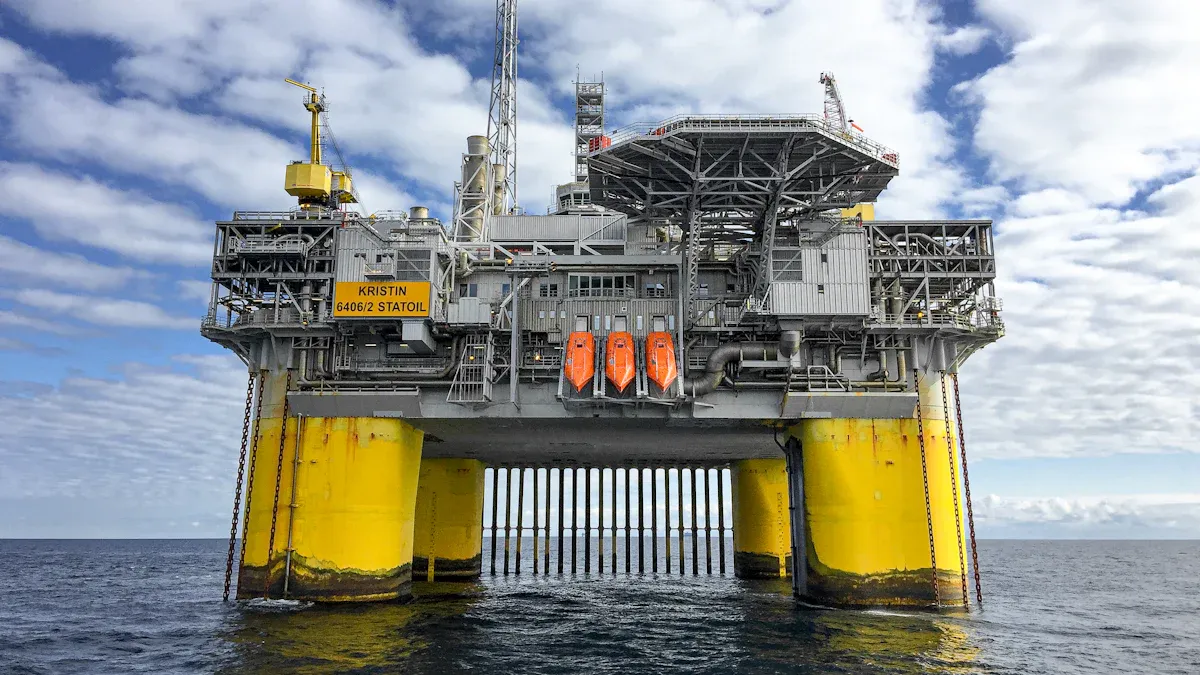
Selecting an ATEX-Certified Explosion-Proof Telephone for oil and gas operations presents significant complexities. Advanced communication plays a critical role, ensuring safety and boosting efficiency in hazardous environments. The oil and gas sector dominates the global explosion-proof mobile phone market. This market shows substantial growth, as seen below:
| Year | Market Valuation (USD Million) |
|---|---|
| 2024 | 120 |
| 2035 (Projected) | 300 |
Companies must consider compliance and technological relevance for 2026. Choosing the right ATEX telephone is crucial for operational success.
Key Takeaways
- ATEX certification is a must for phones in oil and gas. It keeps workers safe and follows rules.
- Look for phones that are very strong and can handle water and dust. They need high IP ratings like IP67 or IP68.
- Good phones have clear sound and block out noise. This helps workers talk easily in loud places.
- Choose phones that can connect in many ways, like wired or wireless. Also, look for phones ready for 5G.
- Always check the supplier’s reputation and their support. Make sure they offer good warranties and help.
Understanding ATEX and Global Certifications for Explosion-Proof Telephones in 2026
The Imperative of ATEX Certification for Hazardous Zones
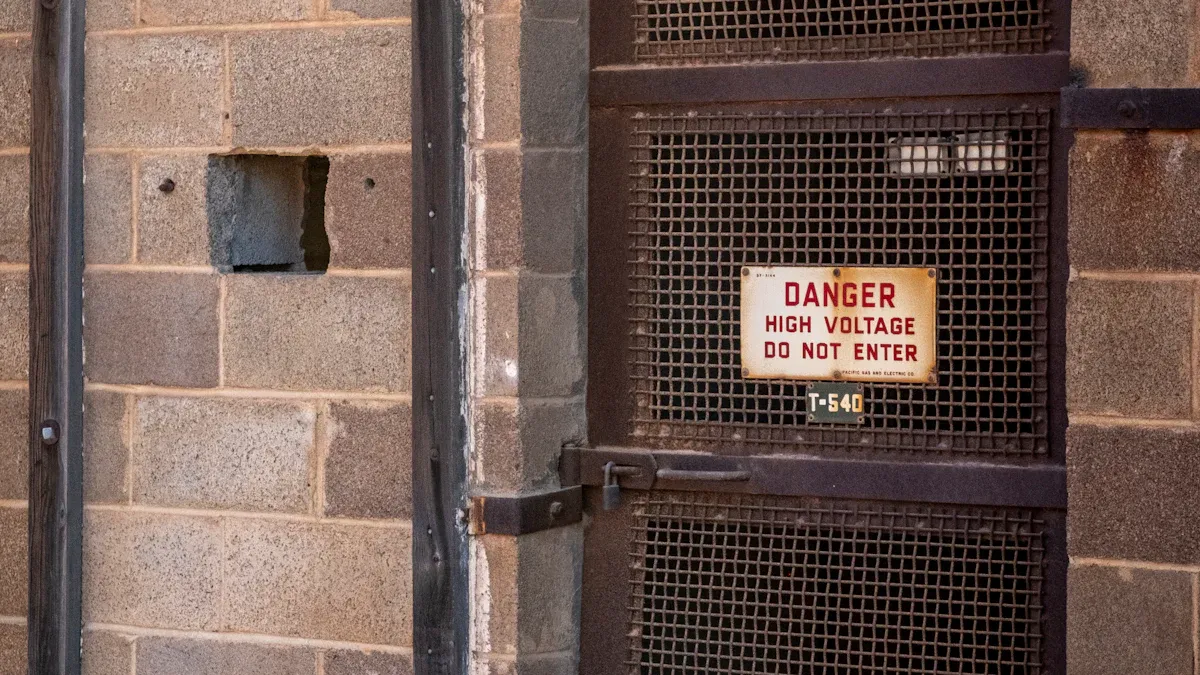
Oil and gas operations demand the highest safety standards. Therefore, ATEX certification for explosion-proof telephones is not merely a recommendation; it is a critical requirement. Manufacturers must undergo rigorous conformity assessments. These assessments involve submitting technical documentation, including test reports, risk assessments, and quality assurance procedures. Products must also bear the CE marking, demonstrating compliance with EU standards and safety regulations. Proper installation of the equipment is critical to ensure it meets required protection standards for explosive atmospheres. The ATEX Directive provides harmonized EU legislation for controlling explosive atmospheres, describing equipment allowed based on explosion risk. Equipment Group II specifically addresses surface industries like oil and gas, dealing with gases, vapors, mists, and dusts. Safety Categories further define protection levels: Category 1 offers very high protection for Zone 0 or 20, Category 2 provides high protection for Zone 1 or 21, and Category 3 ensures normal protection for Zone 2 or 22. Explosion-proof and hazardous area telephones are often ATEX approved for Zone 1 and Zone 2, featuring IP66 protection and robust GRP material for wall and desk mounting.
Key ATEX Zones and Equipment Categories for Oil & Gas
Understanding ATEX zones is fundamental for selecting the correct equipment. For gases, vapors, and mists, Zone 0 indicates continuous presence of an explosive atmosphere, such as inside a fuel tank. Zone 1 signifies a likely presence during normal operations, like areas around pump seals. Zone 2 denotes an unlikely presence, occurring only under abnormal conditions. For combustible dusts, Zone 20 means continuous presence, like inside silos. Zone 21 indicates a likely presence during normal operation, such as around dust-prone machinery. Zone 22 suggests a rare presence due to accidental release. Equipment categories directly correspond to these zones. Category 1 equipment offers very high protection for Zone 0 or Zone 20. Category 2 provides high protection for Zone 1 or Zone 21. Category 3 offers normal protection for Zone 2 or Zone 22. Furthermore, ATEX classifies gases into groups like IIA (least explosive, e.g., propane), IIB (moderately explosive, e.g., ethylene), and IIC (most explosive, e.g., hydrogen). Dusts divide into IIIB (non-conductive, e.g., flour) and IIIC (conductive, e.g., aluminum dust). Protection types like Ex d (flameproof enclosure) and Ex i (intrinsic safety) ensure the ATEX-Certified Explosion-Proof Telephone operates safely within these specific hazardous conditions.
Navigating IECEx and Regional Certifications (e.g., Class I Division 1/2)
While ATEX is mandatory within the EU, global operations often require broader certifications. IECEx serves as a voluntary global certification system, emphasizing international harmonization. It offers broader global applicability across Asia-Pacific, Africa, and parts of the Middle East. IECEx always involves third-party testing, ensuring consistent standards worldwide. Many companies choose dual certification with ATEX and IECEx for universal compliance. For North American markets, Class I Division 1/2 standards are crucial. IECEx uses zones (0, 1, 2) based on the frequency of danger, while Class I Division 1/2 uses divisions. Division 1 indicates danger present during normal operation, and Division 2 means danger occurs only under abnormal conditions. Explosion-proof telephone handsets must meet these specific standards to match the right type for the job.
Ensuring Compliance with Evolving ATEX Directives by 2026
ATEX directives are not static; they evolve to incorporate new technologies and enhance safety standards. By 2026, companies must proactively ensure their equipment meets the latest requirements. Staying ahead of these changes protects personnel and avoids costly operational disruptions. Manufacturers consistently update their products to align with revised directives. They conduct new assessments and secure updated certifications. This continuous process guarantees the highest level of safety for hazardous environments.
Businesses should prioritize suppliers who demonstrate a clear commitment to ongoing compliance. These suppliers provide documentation for the latest standards. They also offer guidance on maintaining compliance throughout the equipment’s lifecycle. Regular audits and reviews of existing equipment are essential. These checks identify any gaps in compliance. They allow for timely upgrades or replacements. A robust compliance strategy minimizes risks and ensures operational continuity.
Choosing an ATEX-Certified Explosion-Proof Telephone from a reputable vendor simplifies this process. Such vendors actively monitor regulatory changes. They design their products to meet or exceed future standards. This foresight provides long-term value and peace of mind. Companies avoid the burden of frequent equipment overhauls. They maintain a safe and compliant working environment. Investing in future-proof solutions today secures operations for tomorrow.
Essential Features of an ATEX-Certified Explosion-Proof Telephone for Oil & Gas Operations
Robust Durability and High Ingress Protection (IP) Ratings
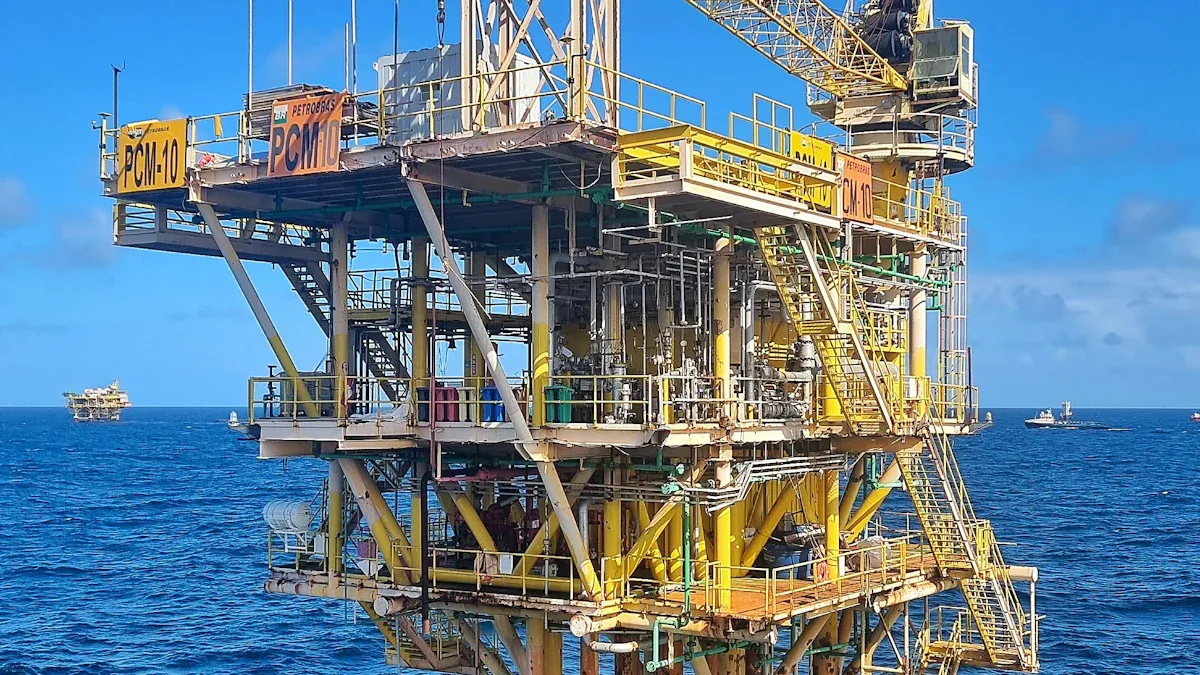
Oil and gas environments demand telephones that withstand extreme conditions. A robust design ensures operational continuity and worker safety. Manufacturers build these devices with highly durable materials. Polycarbonate materials offer impact resistance and tolerate high temperatures. Aluminum enclosures are lightweight, resist corrosion, and dissipate heat effectively. Silicone rubber provides flexibility, high-temperature resistance, and excellent sealing. Other strong materials include cast aluminum, stainless steel, heavy-duty aluminum, corrosion-resistant aluminum alloy, SMC (Sheet Molding Compound), and heavy metal.
These telephones feature robust enclosures. These enclosures contain internal explosions and withstand pressure without rupturing. They also prevent the ingress of dust, water, corrosive chemicals, and flammable gases. They resist physical impacts, often meeting IK10 standards for impact protection. Intrinsic safety limits electrical energy, preventing sparks or excessive heat that could ignite flammable substances. All internal parts are non-sparking. An explosion-proof casing contains sparks or heat, preventing ignition of surrounding gases or dust. Microphones, speakers, and wiring are sealed to prevent dust, moisture, and corrosive substances from entering. Rugged handsets are specifically designed to endure harsh conditions. Specialized sealing contributes to dust and water resistance.
High Ingress Protection (IP) ratings are crucial. An ATEX-Certified Explosion-Proof Telephone should have an IP66 rating as per EN60529. Ideally, it features an IP67 or IP68 rating. IP67 signifies complete dust-tightness and resistance to water immersion up to 1 meter. IP68 indicates complete dust-tightness and resistance to deeper, prolonged water immersion. These ratings confirm the phone’s ability to survive the toughest industrial settings.
Superior Audio Clarity and Advanced Noise Cancellation
Effective communication in noisy oil and gas facilities is paramount. Workers need to hear and be heard clearly, even amidst loud machinery. Vandal-resistant industrial telephones incorporate noise reduction microphones. These microphones ensure high clarity of hearing in areas with significant noise. VoIP Explosion Proof Industrial Telephones come equipped with a noise-canceling microphone in the handset. This feature facilitates effective communication in noisy environments. Such advanced noise cancellation technologies filter out background sounds. This allows critical messages to come through without distortion. Clear audio prevents misunderstandings, enhances safety, and improves operational efficiency.
Versatile Connectivity Options: Wired, Wireless, and 5G Readiness
Modern oil and gas operations require flexible and reliable communication networks. Explosion-proof telephones offer versatile connectivity options. They connect to any telephone network using standard wiring and parts. However, safety standards may require special wiring conduits or other considerations. These phones can be factory set for either tone or pulse operation.
For hazardous environments, intrinsically safe wireless communication solutions are available. These devices are certified not to ignite an explosive atmosphere, even under fault conditions. Examples include intrinsically safe two-way radios, providing clear, reliable communication in harsh conditions. Other intrinsically safe components include Wi-Fi antennas, cellular antennas, and UHF RFID antennas. An intrinsically safe antenna isolator and explosion-proof universal wireless enclosure systems further enhance wireless capabilities. Explosion-proof connector transits ensure secure and safe connections.
The future of connectivity in hazardous areas includes 5G readiness. 5G models are ideal for future-proofing connectivity and performance. 5G reliability is crucial for remote monitoring in oil and gas production. This technology enables real-time video consultations, supporting SCADA and safety system alerts. It facilitates augmented-reality (AR) work instructions and allows barcode scanning. 5G also enables IoT integration, transforming productivity while keeping crews safe. It provides faster data and video communication, making operations more efficient and responsive.
Reliable Power Solutions and Extended Battery Life
Oil and gas operations often occur in remote, isolated locations. Reliable power solutions are critical for communication devices in these environments. An ATEX-Certified Explosion-Proof Telephone must offer dependable power and extended battery life. This ensures continuous operation and worker safety. Manufacturers design these phones with large-capacity batteries, often exceeding 10,000 mAh. These batteries provide a significant power reserve. Power-efficient processors optimize energy consumption. This extends device uptime considerably.
Adaptive energy-saving systems intelligently manage power usage. They adjust based on device activity, further conserving battery life. Some advanced models even include solar-assisted charging technologies. This allows for supplementary power generation, especially useful in remote, sunny locations. Super-battery modes can stretch usage to several days. They achieve this by optimizing power consumption for essential functions. Hot-swappable batteries offer another crucial feature. This enables uninterrupted operation. Workers can replace batteries without powering down the device, maintaining constant communication.
User-Friendly Interface and Ergonomics for Industrial Use
Workers in oil and gas facilities often wear heavy gloves and protective gear. This makes ease of use a primary concern for communication devices. An explosion-proof telephone must feature a user-friendly interface and ergonomic design. This ensures efficient operation in challenging conditions. Intrinsically safe phones are lighter. This enhances user-friendliness, especially for handheld applications. Their design makes them better suited for handheld use compared to bulkier explosion-proof housings.
Large, tactile buttons are essential. Workers can easily press them even with gloved hands. Bright, high-contrast displays ensure readability in various lighting conditions, including direct sunlight or low-light areas. The phone’s form factor should allow for a secure grip. It should also feel comfortable during extended use. Simple, intuitive navigation menus reduce the learning curve. This allows workers to focus on their tasks rather than struggling with the device.
Seamless Integration with Existing Communication Systems
Integrating new explosion-proof telephones into existing communication infrastructure presents unique challenges. Oil and gas facilities often have complex, legacy systems. Ensuring seamless interoperability is vital for a unified communication network. One challenge involves navigating hazardous area certifications. All equipment must meet strict certifications to prevent explosions. Obtaining and complying with local and international standards can be complex. Designing a robust network infrastructure also poses a challenge. It requires resilient networks with industrial-grade components and redundancy. These networks must withstand harsh industrial settings.
Ensuring a reliable power supply and backup is another hurdle. Constant power supplies and robust backup systems, like UPS, prevent communication loss during emergencies. Addressing interoperability issues is crucial. Systems from different manufacturers must communicate effectively. This often requires protocol converters or gateways.
Strategic system design and engineering offer solutions. Expert engineers plan systems carefully to meet operational and safety requirements. Thorough testing and commissioning procedures are essential. They rigorously test all integrated components, such as PAGA, alarms, and telephones. This ensures they work together as intended before going live. Conducting a comprehensive needs assessment helps define project scope. It evaluates facility layout, hazardous zones, risks, and existing systems. This ensures the new system meets demands.
Selecting certified and reliable equipment is paramount. Choose devices with necessary hazardous area certifications. They should also be known for durability and reliability in harsh conditions. Designing a resilient system architecture involves planning for redundancy. It includes appropriate cabling, like fiber optics, and continuous operation even during power outages. UPS and backup generators provide this. Adhering to safety standards and regulations is non-negotiable. This includes complying with local, national, and international guidelines such as OSHA, NFPA, ATEX, and IECEx. Documenting compliance is also important.
Professional installation and configuration prevent hazards. Qualified professionals handle wiring, grounding, sealing, and software configuration. This ensures effective communication. Implementing regular maintenance and testing ensures long-term reliability. This includes routine checks, inspections, calibrations, software updates, and periodic full system tests. Providing comprehensive personnel training is also key. Training operators, maintenance teams, and emergency responders on system usage, alarm protocols, and communication procedures through courses and drills is vital.
Various techniques facilitate integration. Analog integration connects telephones directly to analog ports on PAGA systems. It can also use simple relays for alarm activation. Leveraging VoIP/SIP offers digital methods for flexible connections to the facility’s network. This enables advanced features like automatic dialing and pre-recorded messages. Digital I/O integration employs simple on/off signals for direct system linking. An alarm system, for example, can send a digital signal to activate an evacuation message. Utilizing protocol converters and gateways acts as translators between systems. They ensure unified communication when different protocols are in use. Centralized control system integration uses a central system to monitor and coordinate all safety devices. This provides a comprehensive overview and efficient emergency management.
Advanced Technologies and Future-Proofing Your ATEX-Certified Explosion-Proof Telephone
The oil and gas industry constantly seeks innovation. Advanced technologies transform communication in hazardous environments. Future-proofing your communication tools ensures long-term operational excellence and safety. These advancements move beyond basic voice calls. They integrate phones into a larger, smarter operational ecosystem.
IoT Integration and Smart Monitoring Capabilities
The Internet of Things (IoT) revolutionizes industrial communication. It connects devices, allowing them to share data. Explosion-proof telephones now integrate with IoT systems. This integration enables real-time device monitoring. Operators gain immediate insights into phone status and performance. This capability supports predictive maintenance. It also minimizes downtime and operational risks.
IoT integration provides real-time monitoring and analytics. Cloud dispatch platforms manage this data. Sensors embedded in telephones offer real-time alerts. These alerts notify teams about potential issues. This proactive approach prevents failures. It also enhances overall system reliability. Smart monitoring capabilities ensure communication devices always function optimally.
Enhanced Cybersecurity and Data Protection for Critical Communications
As intrinsically safe equipment becomes more interconnected, cybersecurity concerns grow. Protecting critical communications is paramount. Industries must adhere to evolving cybersecurity standards. This prevents cyber threats from compromising safety-critical systems. Explosion-proof phones are developing with enhanced encryption and secure connectivity features.
Essential security measures include intrinsically safe firewalls. These firewalls protect the network. End-to-end encryption secures communication devices. Secure cloud integration handles real-time safety data. Consumers anticipate improved security features. Encrypted communication channels safeguard sensitive operational data from cyber threats. These advancements ensure the integrity and confidentiality of all communications.
Remote Diagnostics and Predictive Maintenance Features
Modern explosion-proof telephones offer sophisticated remote diagnostics. These features enable proactive maintenance strategies. Predictive analytics and remote diagnostics minimize downtime. They also reduce operational risks. Sensors embedded in telephones provide real-time alerts. These alerts signal potential problems before they escalate.
AI-powered diagnostics further enhance predictive maintenance. They improve incident detection. Remote diagnostics and smart monitoring features significantly reduce maintenance costs. Operators can access system health checks and configuration tools. Web interfaces provide this access. This eliminates the need for physical inspections. Automated alerts notify teams of potential issues. Remote troubleshooting and over-the-air updates resolve problems. This happens without requiring on-site visits. This capability ensures an ATEX-Certified Explosion-Proof Telephone remains operational and reliable.
Modular Design for Upgrades and Long-Term Viability
Technology advances rapidly. Explosion-proof telephones must keep pace. Modular design offers a powerful solution for long-term viability. It allows companies to upgrade individual components without replacing the entire system. This approach significantly extends the lifespan of communication devices in hazardous environments.
Procurement strategies now focus on longer-term planning. They accommodate continuous technological advancements and evolving regulatory changes. Companies evaluate vendors based on their innovation capacity. They also look for the ability to deliver scalable solutions. These solutions must align with future safety standards. Key evaluation criteria for devices include scalability for future upgrades and integration. Compliance with current and upcoming safety standards is also vital. Features like IoT connectivity or remote diagnostics demonstrate a forward-thinking design.
Modular Industrial PCs (IPCs) exemplify this adaptability. Users can swap processing modules, I/O cards, or communication interfaces. This happens without requiring complete system overhauls. It enables quick repurposing of equipment. Hot-swappable modules facilitate fast maintenance and field upgrades. They also allow hardware scaling. This process does not require shutting down the entire system or opening enclosures. Lifecycle support strategies, such as module-by-module replacement and firmware updates, extend product longevity. They also reduce electronic waste in industrial settings.
A long-term return on investment (ROI) factors in maintenance costs and durability. It also considers vendor support throughout the device’s lifespan. Mitigation strategies for technological obsolescence involve choosing vendors with a proven track record of innovation. These vendors offer clear upgrade pathways. This ensures your communication infrastructure remains effective and compliant for years to come.
Sustainable Manufacturing Practices and Environmental Impact
The oil and gas industry increasingly emphasizes environmental responsibility. Manufacturers of explosion-proof telephones are adopting sustainable practices. These practices minimize their ecological footprint. They also ensure ethical production.
Companies focus on reducing hazardous waste during manufacturing. They implement processes to minimize energy consumption. This includes using energy-efficient machinery and renewable energy sources. Utilizing eco-efficient materials in product design is another key area. This involves selecting materials with lower environmental impact. It also means designing for recyclability.
Sustainable manufacturing extends beyond environmental concerns. It also encompasses social responsibility. Manufacturers adopt fair labor practices. They ensure worker safety during production. This creates a safe and equitable working environment. Promoting diversity and inclusion within supply chains further strengthens ethical commitments. These practices reflect a growing industry-wide commitment to sustainability. They ensure products are not only safe for hazardous environments but also responsibly made.
Strategic Selection: Assessing Operational Needs for Your ATEX-Certified Explosion-Proof Telephone
Choosing the right communication device for hazardous environments requires careful thought. Businesses must align their selection with specific operational needs. This ensures maximum safety and efficiency. A strategic approach guarantees a wise investment.
Identifying Specific Hazardous Zone Classifications Within Your Facility
Understanding your facility’s hazardous zone classifications is the first critical step. Different areas present varying levels of explosion risk. Selecting equipment certified for the correct zone prevents accidents. It also ensures regulatory compliance. Consider these common classifications:
| Classification | Description |
|---|---|
| Class I | Areas where flammable gas is likely to cause an explosion. |
| Class II | Areas where combustible dust is likely to cause an explosion. |
| Class III | Areas where easily ignitable fibers are likely to cause an explosion. |
| Class I Division | Explosive atmosphere present during normal operations, or due to faulty operation. |
| Class II Division | Explosive atmosphere present only during accidents or ventilation system failures. |
Additionally, facilities often use a zone system:
| Zone | Description |
|---|---|
| Zone 0 | Explosive gas atmosphere is continuously present or for long periods (e.g., inside storage tanks). |
| Zone 1 | Explosive atmospheres are likely to occur during normal operation (e.g., near pumps, valves prone to leaks). |
| Zone 2 | Explosive gas atmospheres are unlikely in normal operation and, if they occur, persist only for short durations (e.g., well-ventilated pump rooms). |
| Zone 20 | Combustible dust clouds are continuously present or for long durations (e.g., inside silos, dust collectors). |
| Zone 21 | Explosive dust atmospheres occur intermittently during normal operation (e.g., powder transfer stations). |
Accurate classification guides your equipment choices. It protects your workforce and assets.
Defining Communication Requirements and Use Cases for Your Team
After classifying zones, define your team’s communication needs. Consider how workers use their phones daily. Do they need voice calls, text messaging, or data access? Will they use the phones for emergency alerts or remote monitoring? Understanding these use cases helps you choose features like push-to-talk or video capabilities. A clear definition ensures the phone supports all necessary functions. It empowers your team to communicate effectively.
Budgetary Planning and Total Cost of Ownership (TCO)
Budgetary planning extends beyond the initial purchase price. Businesses must consider the total cost of ownership (TCO). This comprehensive view reveals the true long-term expense. It helps you make a financially sound decision. Factors contributing to TCO include:
- Initial purchase price
- Potential productivity gains
- Reduced downtime
- Durability/longevity
- Maintenance costs
- Battery replacement frequency
- Required accessories (specialized chargers, docks)
- Installation costs
Investing in a durable, high-quality device reduces future expenses. It minimizes maintenance and replacement needs. A lower TCO ultimately saves your company money.
Evaluating Vendor Reputation, Support, and Warranty for ATEX-Certified Explosion-Proof Telephones
Selecting the right communication device for hazardous environments involves more than just product features. Businesses must thoroughly evaluate vendor reputation, support, and warranty offerings. A vendor’s track record, including case studies and customer testimonials, provides valuable insight. Their support infrastructure also matters greatly. Companies should examine compliance records and innovation pipelines. These show a commitment to safety and future-proof solutions.
Reliable after-sales service is crucial. Ignoring this aspect can lead to prolonged downtimes. This emphasizes its importance in vendor evaluation. Look for vendors offering consistent customer support. This is especially true when dealing with smaller brands. They should provide clear channels for assistance. The availability of replacement parts or repair centers is also vital. This ensures quick fixes when issues arise.
When procuring in bulk, negotiate service-level agreements (SLAs). These agreements define terms for repairs and replacements. They guarantee timely resolution of problems. Consider customization options and integration capabilities. These features ensure the device fits specific operational needs. A strong warranty protects your investment. It signals the manufacturer’s confidence in their product’s durability. Choosing a reputable vendor with robust support ensures long-term operational efficiency and safety.
Key Questions for Suppliers of ATEX-Certified Explosion-Proof Telephones in 2026
Businesses must ask the right questions when selecting communication devices for hazardous environments. These inquiries ensure optimal safety, performance, and long-term value. Proactive questioning helps secure the best solutions for oil and gas operations.
Demanding Proof of ATEX and Other Relevant Certifications
Always verify a supplier’s claims regarding certifications. Demand clear, verifiable proof of ATEX, IECEx, and any other regional certifications. These documents confirm the product meets stringent safety standards. They also ensure compliance with local and international regulations. Suppliers must readily provide certificates, test reports, and declarations of conformity. This due diligence protects your personnel and your investment.
Inquiring About Product Lifecycle and Upgrade Paths
Consider the long-term viability of any communication device. Ask suppliers about the product’s expected lifecycle. Inquire about their roadmap for future upgrades and technological advancements. A clear upgrade path ensures your equipment remains relevant and compliant. It also protects against rapid obsolescence. Understanding these aspects helps you plan for future needs and budget effectively.
Exploring Customization and Integration Services
Oil and gas operations often have unique requirements. Standard products may not always fit every specific need. Explore a supplier’s ability to offer customization and integration services. This ensures the communication solution perfectly aligns with your operational demands.
Suppliers can customize many aspects:
- Physical Design and Material Customization:
- Materials: Stainless steel, Aluminum, Polycarbonate (chosen based on environment, e.g., corrosion resistance, impact resistance)
- Size and Shape: Tailoring dimensions to fit specific mounting locations or aesthetic requirements
- Mounting Options: Pole, wall, flush, or pedestal installations
- Color and Branding: Matching corporate colors or adding logos
- Keypad and Handset Design: Customizing for ease of use with gloves or in low-light conditions
- Functional and Technical Specifications:
- Communication Protocols: Analog, VoIP (SIP), GSM, or fiber optic connections
- Auto-Dial and Speed Dial: Programming specific numbers for one-touch calls
- Keypad Configurations: Full, limited, or no keypads
- Display Screens: Adding LCD or LED displays for status messages or directories
- Audio Features: Noise cancellation, adjustable volume, hearing aid compatibility
- Power Supply Options: 12VDC, 24VDC, 48VDC, Power-over-Ethernet (PoE), Solar power with rechargeable battery
- Environmental Resistance and IP Ratings:
- IP Ratings: Devices designed to meet specific Ingress Protection ratings (e.g., IP66, IP67, IP68, IP69K) for resistance to dust, water immersion, and high-pressure washdowns
- Rigorous environmental testing for durability
Suppliers also offer integration with various communication systems:
- IP PBX Telephone Systems (VoIP Server/IP PBX, Digital program-controlled telephone exchange, Operator Console, Gateway, Network Switch, Desktop Office Phone)
- Intercom Systems (Emergency Phone/Intercom, Elevator Telephone, Cleanroom Intercom, Gate Intercom, Emergency Call Box)
- Public Address Systems (PA System Server, Paging Microphone, Amplifier, Horn Speakers, Ceiling Speakers, Explosion Proof Horns/Beacons (ATEX))
These services ensure seamless operation within your existing infrastructure. They also provide tailored solutions for specific challenges.
Assessing Training and Technical Support Availability
Effective communication devices require proper user training. Oil and gas companies must ensure their teams know how to operate explosion-proof phones safely and efficiently. Suppliers should offer comprehensive training programs. These programs cover device functionality, safety protocols, and basic troubleshooting. Well-trained personnel reduce operational errors. They also enhance overall safety in hazardous environments. This proactive approach prevents accidents. It also maximizes the investment in communication technology. Consider both initial onboarding and ongoing refresher courses.
Technical support availability is equally crucial. Issues can arise unexpectedly in demanding industrial settings. A reliable supplier provides prompt and knowledgeable technical assistance. Inquire about their support channels. Do they offer 24/7 phone support? Is online documentation readily available? Do they provide on-site assistance for complex problems? Quick resolution of technical issues minimizes downtime. It prevents potential safety hazards. This ensures continuous operation. Poor support can lead to significant operational delays and increased costs.
Consider the supplier’s expertise. Do they specialize in hazardous area communication? Do their support staff understand the unique challenges of oil and gas operations? A supplier with deep industry knowledge offers more effective solutions. They can guide you through complex integration processes. They also help with compliance questions. This specialized knowledge proves invaluable. It ensures the optimal performance of your ATEX-Certified Explosion-Proof Telephone.
A strong warranty and accessible spare parts further demonstrate a supplier’s commitment. This ensures long-term device viability. It also supports continuous operation. Prioritize suppliers who invest in their support infrastructure. This commitment guarantees your team always has the resources needed. It keeps your communication systems running smoothly and safely. This strategic choice safeguards your operations. It also protects your personnel.
Prioritizing safety, compliance, and operational efficiency guides the selection of an ATEX-Certified Explosion-Proof Telephone. A well-informed decision offers significant long-term benefits for oil and gas operations. It ensures worker protection and seamless communication. Choosing a future-proof communication solution provides a strategic advantage. This approach secures operations against evolving challenges and technological shifts.
FAQ
-
Why is ATEX certification crucial for oil and gas operations?
ATEX certification is a mandatory safety standard. It ensures equipment operates safely in explosive atmospheres. This protects personnel and prevents catastrophic incidents. It also guarantees compliance with strict EU regulations. Companies must prioritize this certification.
-
What is the primary difference between ATEX and IECEx certifications?
ATEX is a mandatory European directive. IECEx is a voluntary international certification scheme. Many companies seek both for global compliance. IECEx offers broader applicability across various regions worldwide. It provides universal recognition for safety standards.
-
What IP rating should an explosion-proof telephone ideally possess?
An ideal explosion-proof telephone features an IP67 or IP68 rating. IP67 ensures dust-tightness and water immersion resistance up to 1 meter. IP68 offers protection against deeper, prolonged water immersion. These ratings confirm extreme durability in harsh environments.
-
How does 5G technology enhance communication in hazardous areas?
5G provides faster data and video communication. It enables real-time remote monitoring and IoT integration. This improves operational efficiency and safety. 5G readiness future-proofs connectivity for critical applications, ensuring rapid data exchange.
Tip: Always demand verifiable proof of all certifications from suppliers. This due diligence protects your personnel and your investment.
-
Why is modular design important for explosion-proof telephones?
Modular design offers long-term viability. It allows companies to upgrade individual components without replacing the entire system. This extends the device’s lifespan. It also accommodates continuous technological advancements and evolving regulatory changes.
See Also
Discover If Your Air Fryer Basket Is Dishwasher Safe Today
Best 10 Air Fryer Substitutes Beyond BrandsMart for This Year
Essential 5 Industrial Air Fryers Perfect for High-Volume Kitchens
Top 5 Essential 0.8 KG Air Fryers for Healthier Meals
Enhance Your Air Fryer Pan Using These Indispensable Accessories
Post time: Jan-15-2026