
Standard handsets often prove inadequate for public and industrial environments. They easily sustain damage from water, dust, impact, and vandalism. This vulnerability leads to frequent failures, high replacement costs, and unreliable communication. Such demanding conditions necessitate superior protection. This guide explores why waterproofing and military-grade durability are essential for reliable communication in these challenging settings. For instance, robust Weatherproof Telephones are critical. An Industrial Weatherproof IP Telephone for Transpotation Communications-JWAT907 demonstrates the advanced design required. These features ensure consistent communication where standard devices cannot perform.
Key Takeaways
- Standard phones break easily in tough places. They cannot handle water, dust, or hard hits.
- Waterproofing protects phones from water damage. IP ratings like IP67 and IP68 show how well a phone resists water.
- Military-grade phones are very strong. They pass tough tests for drops, heat, and cold. This makes them last longer.
- Strong phones save money. They need fewer repairs and replacements. This means less time when phones are not working.
- Durable phones keep people safe. They ensure communication works during emergencies. This helps teams work better and faster.
Understanding Environmental Challenges for Communication
Demanding Conditions in Public and Industrial Settings
Public and industrial environments present unique challenges for communication devices. These settings expose equipment to harsh conditions. For example, low humidity environments significantly increase the risk of electrostatic discharge (ESD). ESD can catastrophically damage micro components within electronics. Power disruptions are also critical. Stable and clean power is essential; sudden voltage changes, such as power surges and fluctuations, can damage or destroy internal electronic components. Furthermore, water damage, whether from flooding or small leaks, causes short circuits and permanent damage to IT infrastructure and electronic equipment.
Beyond these, devices face climatic and biological conditions. They encounter chemically and mechanically active substances. Mechanical conditions during storage, transportation, and operation also pose threats. Power supply issues, including distribution, earthing, and bonding techniques, affect reliability. Effective thermal management for equipment and facilities is crucial. Noise emission from equipment and the mechanical structure and physical design all contribute to the demanding nature of these environments. Robust solutions like specialized Weatherproof Telephones become indispensable in such places.
The High Cost of Standard Handset Failures
Standard handsets simply cannot withstand these rigorous conditions. Their frequent failure leads to significant financial burdens. Businesses incur high replacement costs when devices break down repeatedly. Each failure also causes downtime, disrupting operations and reducing productivity. Unreliable communication can have severe consequences, especially in emergency situations where clear and immediate contact is vital. These costs extend beyond mere hardware replacement. They include lost productivity, potential safety hazards, and the administrative burden of constant repairs and replacements. Investing in durable, purpose-built communication systems prevents these recurring expenses and ensures operational continuity.
The Imperative of Waterproofing for Reliable Communication
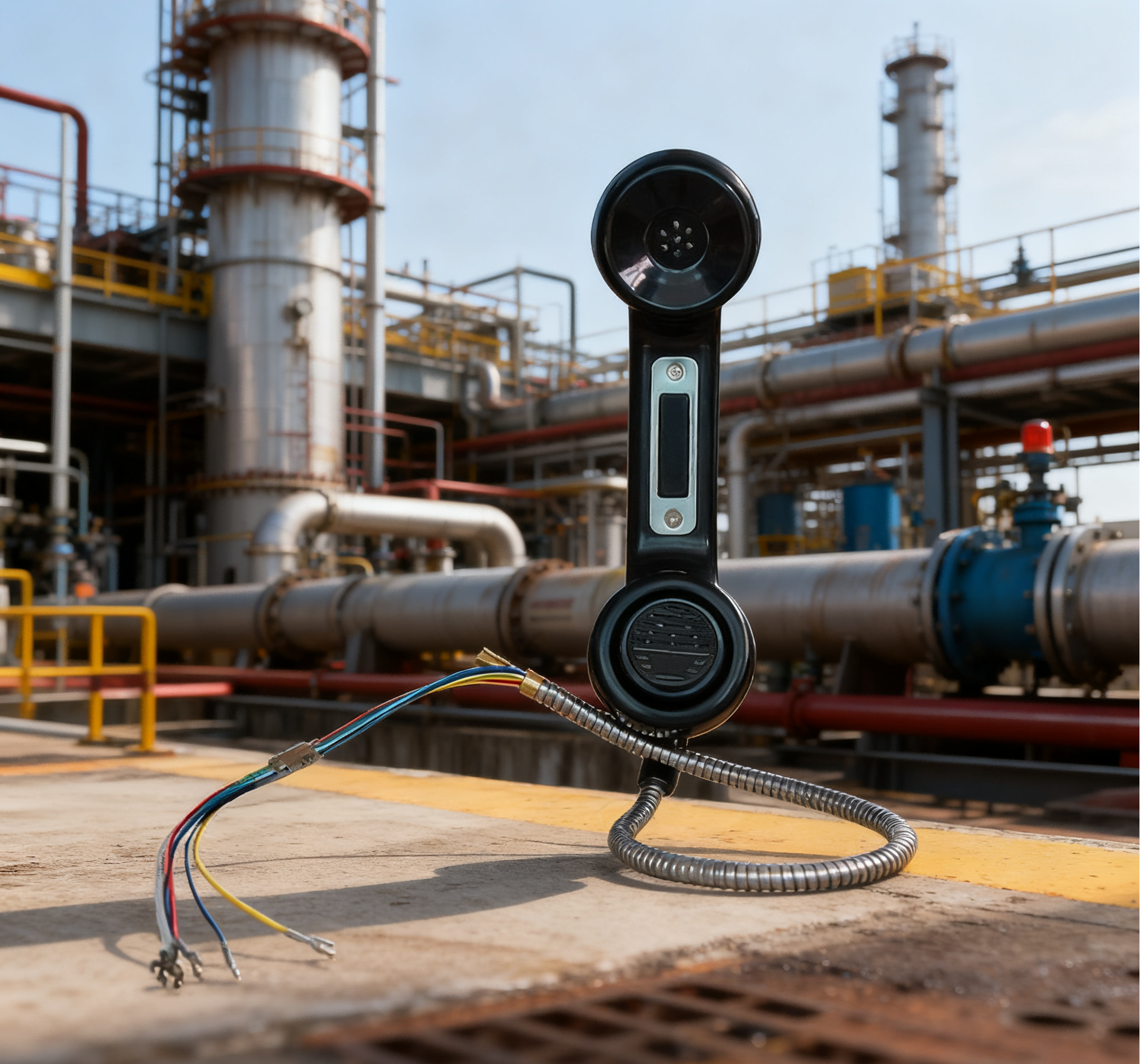
Communication systems in public and industrial environments face constant threats from moisture and liquids. Water damage can quickly render devices useless, leading to communication breakdowns and significant operational disruptions. Waterproofing is not merely an added feature; it is a fundamental requirement for ensuring consistent and dependable communication in these challenging settings.
True Waterproofing: Understanding IP Ratings for Weatherproof Telephones
Understanding true waterproofing requires familiarity with Ingress Protection (IP) ratings. These international standards define the sealing effectiveness of electrical enclosures against intrusion from foreign bodies and moisture. The IP rating consists of two digits. The first digit indicates protection against solids (like dust), and the second digit indicates protection against liquids (like water). For Weatherproof Telephones, the second digit is crucial.
Consider the differences between common IP ratings for water protection:
| Feature | IP67 | IP68 |
|---|---|---|
| Dust Protection | Complete (Level 6) | Complete (Level 6) |
| Water Depth | Up to 1 meter | Beyond 1 meter (manufacturer specified) |
| Immersion Time | Maximum 30 minutes | Continuous (manufacturer specified) |
| Testing Standard | IEC 60529 standardized | IEC 60529 + manufacturer specifications |
| Common Depths | 0.15m to 1m testing | 1.5m to 10m+ depending on design |
An IP67 rating means a device can withstand submersion in water up to 1 meter for 30 minutes. This provides a clear, universal definition. An IP68 rating indicates a device can be submerged in more than 1 meter of water for a duration specified by the manufacturer. This definition is more flexible and depends on the specific product design and testing. Manufacturers often specify depths like 1.5 meters for 30 minutes or even longer durations. Choosing the correct IP rating ensures the handset meets the specific environmental demands.
Essential Applications for Waterproof Handsets
Waterproof handsets are indispensable across a wide array of demanding applications where standard devices would quickly fail. These devices ensure communication continuity in environments prone to moisture, splashes, or even full submersion.
- Construction Sites: Crews coordinate tasks effectively during heavy rain or when working near water bodies.
- Outdoor Maintenance: Teams working in inclement weather or near water sources rely on these handsets.
- Emergency Response: First responders use waterproof devices for reliable communication during water-related incidents, natural disasters, and storm rescues.
- Maritime and Offshore Operations: Sailors, kayakers, and oil rig workers require rugged, waterproof, and often explosion-proof radios for constant communication with land or between vessels.
- Industrial Facilities: Oil & Gas plants, mining operations, tunnels, power stations, and chemical factories need waterproof communication systems. These environments often combine hazardous conditions with high humidity or direct water exposure.
- Transportation Hubs: Railways, subways, highways, and airports utilize waterproof handsets to ensure quick access to help for passengers and staff, especially in outdoor or semi-exposed areas.
- Public Safety and Emergency Services: Police, firefighters, and EMTs depend on waterproof radios for clear communication in unpredictable conditions like rain, snow, and floodwaters.
These critical applications highlight the necessity of waterproof communication devices for safety, efficiency, and operational continuity.
Benefits of Waterproofing: Enhanced Reliability and Longevity
Waterproofing directly contributes to the reliability and longevity of communication systems. It offers several key advantages that translate into significant operational benefits.
- Prevents Malfunctions: Waterproofing stops water intrusion, ensuring consistent performance even in harsh, wet environments. This protection prevents internal components from short-circuiting or corroding.
- Protects Against Damage: It safeguards devices from water damage, which can lead to disrupted coordination and safety risks. This protection extends the operational life of the handset.
- Reduces Downtime and Costs: By preventing water-related failures, waterproofing minimizes the need for repairs and replacements. This reduces costly downtime and saves on maintenance expenses.
- Maintains Stable Performance: Devices maintain stable performance even when exposed to rain, moisture, or temporary submersion. This ensures uninterrupted communication, which is crucial for high-stakes industries and unpredictable conditions.
- Ensures Uninterrupted Communication: Waterproofing guarantees that communication lines remain open when they are most needed, such as during emergencies or critical operations.
- Contributes to Long-Term Value: Investing in waterproof handsets provides long-term value. These devices withstand environmental challenges, ensuring performance continuity and a better return on investment.
Ultimately, waterproofing enhances the overall robustness of communication systems, making them more dependable and durable in the face of environmental adversity.
The Power of Military-Grade Durability in Handsets
Standard communication devices often fail under the extreme conditions found in public and industrial settings. Military-grade durability provides the robust protection these environments demand. It ensures handsets withstand severe physical stress, environmental hazards, and even deliberate damage. This level of toughness guarantees reliable communication where conventional devices cannot.
Defining Military-Grade Standards: MIL-STD-810G Explained
The U.S. Department of Defense developed MIL-STD-810 standards to ensure military equipment functions reliably in harsh environments. These standards involve a series of rigorous tests. They cover a wide range of conditions, ensuring equipment remains operational under extreme stress. The comprehensive suite of tests includes temperature extremes, shock, vibration, and moisture exposure.
The MIL-STD-810G standard outlines several core categories of environmental assessment. These categories simulate harsh conditions. Temperature-related tests include high-temperature, low-temperature, thermal shock, and freeze/thaw tests. They simulate environments like deserts, arctic regions, or sudden climate changes. Moisture and corrosion tests cover humidity, rain, ice/freezing rain, salt spray, and fungal tests. These tests assess water and chemical resistance. Particle and pollutant tests focus on sand, dust, and liquid contamination. This includes resistance to oil, fuel, or cleaning solvents. Shocks, vibrations, and mechanical stresses encompass shock (drop tests), vibration, and ballistic shock simulations. These ensure devices withstand impacts and daily drops.
For communication devices in public and industrial use, two military-grade standards are particularly relevant. MIL-STD-810 focuses on environmental testing. It simulates real-world conditions to ensure product durability. This includes tests for shock and vibration, temperature extremes, sand and dust, salt fog, and water immersion. These tests assess durability during transport and operation, performance in high and low temperatures, operation in harsh, dusty environments, corrosion resistance, and water resistance for devices used in marine or amphibious settings. Another crucial standard is MIL-STD-461. This standard addresses electromagnetic interference (EMI) and electromagnetic compatibility (EMC). It ensures equipment operates without causing or being affected by EMI, which is critical for communication devices. Key aspects include radiated and conducted emissions, radiated and conducted susceptibility, and shielding and grounding. These measures prevent devices from emitting excessive electromagnetic radiation, test vulnerability to external EMI sources, and ensure proper EMI protection for critical systems.
Engineering Toughness: Materials and Construction
Achieving military-grade durability requires superior engineering and specialized materials. Manufacturers design these handsets to endure impacts, abrasions, and environmental stressors. They often employ layered designs for shock-absorbing protection.
Several specific materials contribute to this toughness. Polycarbonate offers 20 times the impact resistance of regular plastic. It also handles temperatures from -40°C to 135°C. Thermoplastic Polyurethane (TPU) is a hybrid of silicone and hard plastic. It is known for its strength and an elongation point of up to 500%. Manufacturers often combine TPU with polycarbonate for enhanced durability and military-grade drop protection. Aerospace-grade aluminum finds use in high-end cases. It provides an excellent strength-to-weight ratio, a premium feel, and conducts and dissipates heat effectively. Carbon fiber composites are extremely strong and lightweight. They offer extreme protection and electromagnetic shielding for sensitive electronic parts. UV-cured resins achieve extreme hardness, with a Shore D hardness of 80-90, and offer fast production times. Nano-particles can be incorporated to boost strength and improve thermal conductivity. Experimental graphene-infused materials show promising results for heat dissipation, potentially extending phone battery life. These advanced materials ensure the longevity and resilience of devices like Weatherproof Telephones.
Impact Resistance and Vandalism Protection
Military-grade handsets excel in impact resistance. They withstand significant physical shocks that would destroy standard devices. MIL-STD-810H includes ‘Method 516.8 Shock / Transit Drop.’ This method simulates drops from 1.2 to 1.5 meters onto plywood-covered concrete from multiple angles. When manufacturers of VoIP devices refer to MIL-STD-810, they typically indicate the device’s capability to withstand drops onto hard surfaces. This focus on drop tests ensures the device survives accidental falls in demanding work environments.
Beyond accidental impacts, these handsets also feature robust protection against vandalism. Thickened housing material utilizes high-strength metals like stainless steel or aluminum alloy. This material is significantly thicker than standard phones, allowing it to withstand impact and harsh weather. Tamper-resistant screw design incorporates specialized or concealed screws. This makes disassembly difficult even with standard tools, preventing unauthorized access and internal damage. A modular internal structure secures internal circuit modules with snaps or threads. Additional panels protect these modules, ensuring core communication functions remain operational even if the casing is compromised. Vandal-resistant handsets and buttons feature high-strength rubber or metal buttons. Steel-wire-wrapped, strain-resistant handset cords resist knocks, cutting, pulling, and unauthorized unplugging. A built-in surge protector (SPD) diverts excess voltage to ground during lightning strikes or power surges. This safeguards internal circuits. Insulation and grounding design employs high-insulation materials and proper grounding for the housing and circuit boards. This safely diverts hazardous currents from external surges or electrostatic discharge. High-end models include multi-level overvoltage protection devices at both power input and communication lines. This prevents damage from surges at various levels. These comprehensive design features make military-grade handsets exceptionally resilient against both environmental and human-induced damage.
Key Advantages of Vandal-Resistant Handsets
Enhanced Safety and Emergency Communication
Vandal-resistant handsets significantly improve safety in emergency communication scenarios. They ensure continuous operation and dependability. Manufacturers engineer these devices with heavy-duty metal housings and reinforced internal structures. This design provides high protection against impact, tampering, and intentional damage. Such robust construction is crucial in areas with heavy foot traffic or high vandalism risk. It guarantees stable performance and minimizes repair frequency and replacement costs. This ensures telephones are always available when needed, acting as a reliable communication lifeline. Furthermore, these handsets improve safety through their simple operation and clear interfaces. They often feature hands-free or easy-to-use calling designs. This allows users of all ages to quickly request help. It provides instant connection and dependable communication in emergencies where every second counts. For example, high-tech augmentative and alternative communication (AAC) devices, like eye-gaze tablets, help children express needs or distress. Electronic aids to daily living (EADLs) integrate Wi-Fi and Bluetooth, allowing users to control emergency alerts via smartphones. A Silent Beacon Panic Button System offers discreet emergency alerting with a long battery life and hands-free speakerphone, giving peace of mind to teams in unfamiliar locations.
Significant Cost Savings and Reduced Downtime
Investing in vandal-resistant handsets leads to significant cost savings and reduced downtime. Their durability means less emergency repair work. This improves overall equipment effectiveness (OEE). Businesses experience lower downtime costs and eliminate the need for extensive factory downtime mitigation. These robust devices prohibit unwarranted rework and enhance industrial asset reliability. They lower the cost of preventing unplanned downtime and emergency repairs. Minimizing unscheduled downtime prevents production from slowing or stopping. It also avoids impacts on order fulfillment and decreased labor efficiency. Companies avoid wasted material, rework, and emergency repairs that affect profitability. They reduce quality issues and rework from hasty repairs. This also prevents wasted energy from idle machines and avoids SLA penalties for delayed deliveries. It eliminates costs for staff on overtime due to unplanned stops. Ultimately, these handsets save labor hours, reduce production loss, and achieve energy efficiency gains. They lower manufacturing downtime costs and prevent supply chain disruption.
Improved Operational Efficiency and Productivity
Reliable communication devices directly contribute to improved operational efficiency and productivity. Two-way radios offer instant communication among teams, which is crucial for coordinating tasks and responding quickly to incidents. Push-to-Talk (PTT) over Cellular (PoC) provides wide area coverage and advanced features like GPS tracking and emergency alerts. Satellite communication ensures reliable connectivity in remote areas, supporting data-intensive applications. Wireless mesh networks offer self-healing capabilities and scalability, ensuring continuous network availability. IoT sensors and devices provide real-time monitoring and predictive maintenance, identifying potential equipment failures early. Unified communication platforms integrate voice, video, and messaging, streamlining workflows and enhancing collaboration. Digital radio systems offer clearer audio and data capabilities. Fiber optic networks provide high-speed, reliable data transmission over long distances, immune to interference. Video surveillance and analytics enhance security and operational oversight. Cloud-based communication solutions offer flexibility, scalability, and disaster recovery. These technologies enable real-time data sharing, leading to faster, data-driven decisions and improved employee performance. Effective communication systems facilitate quick alerts regarding hazards, enhancing worker safety. Advanced telecommunications foster efficient collaboration between offshore and onshore teams, leading to faster problem resolution and overall productivity gains.
Long-Term Investment and Peace of Mind
Vandal-resistant handsets represent a strategic long-term investment. They offer significant peace of mind for operators in challenging environments. These durable devices reduce the total cost of ownership (TCO) over their lifespan. They achieve this by minimizing device failure rates. This, in turn, lowers downtime, operational disruptions, and the need for frequent replacements. Devices with longer hardware lifecycles also contribute to reduced TCO. Furthermore, the higher residual value of durable devices significantly lowers long-term costs. They retain more of their value over time. For example, robust Weatherproof Telephones exemplify this long-term value.
Consider the stark contrast in durability and associated costs between standard consumer-grade devices and rugged, purpose-built handsets.
| Feature | Standard Handsets (e.g., typical consumer) | Vandal-Resistant Handsets (e.g., industrial-grade) |
|---|---|---|
| Annual Failure Rate | Often high (e.g., 12-18% for some consumer) | Significantly lower (e.g., 3% or less) |
| Hardware Lifecycle | Shorter (e.g., 2-3 years) | Longer (e.g., 4-5 years or more) |
| Maintenance Costs | Higher (due to frequent repairs/replacements) | Lower |
| Residual Value | Lower | Significantly higher |
| Downtime Costs | Higher (due to higher failure rates) | Lower |
This table illustrates how durable handsets provide a better return on investment. They require less frequent maintenance and replacement. This translates into substantial savings over time.
Moreover, regulatory trends emphasize device longevity. The EU’s Eco Design Regulations for mobile devices, effective June 20, 2025, mandate features that enhance durability and extend device lifespan. These regulations aim to reduce TCO and environmental impact. They require devices to have resistance to accidental drops and scratches. They also mandate water and dust resistance. Batteries must be long-lasting, designed to retain at least 80% of original capacity after 800 charge cycles. Manufacturers must make spare parts accessible for seven years after model discontinuation. Operating system upgrades must be available for at least five years after initial release. These standards reflect a growing recognition of the value in long-lasting, repairable electronics.
Investing in vandal-resistant handsets aligns with these principles. It ensures a reliable communication infrastructure. This provides peace of mind, knowing communication systems will function when needed most. It also secures a more sustainable and cost-effective operational future.
Investing in vandal-resistant handsets with waterproofing and military-grade durability is not a luxury. It is a necessity for public and industrial environments. These features are crucial for ensuring safety, reducing operational costs, and guaranteeing uninterrupted communication. They make these handsets the ultimate solution for challenging settings. Such devices offer:
- Enhanced durability
- Increased security
- Improved reliability
- Ability to withstand physical damage
- Resistance to extreme weather conditions
- Protection against tampering
- Suitability for high-risk public environments
Weatherproof Telephones exemplify this robust design, providing essential communication in the harshest conditions.
FAQ
What makes vandal-resistant handsets different from standard phones?
Vandal-resistant handsets feature robust construction. They use heavy-duty materials like stainless steel or aluminum. They also have reinforced internal structures. This design protects against impact, tampering, and intentional damage. Standard phones lack this level of protection.
How do IP ratings relate to waterproof phones?
IP ratings define a phone’s protection against solids and liquids. The second digit indicates water resistance. For example, IP67 means a phone can withstand submersion up to 1 meter for 30 minutes. IP68 allows for deeper, longer submersion, as specified by the manufacturer.
What does “military-grade durability” mean for a handset?
Military-grade durability means a handset meets MIL-STD-810 standards. These standards involve rigorous tests for extreme conditions. Tests include shock, vibration, temperature extremes, and water exposure. This ensures the device functions reliably in harsh environments.
Do vandal-resistant handsets save money in the long run?
Yes, they do. Their durability reduces the need for frequent repairs and replacements. This lowers maintenance costs and minimizes downtime. Businesses experience significant cost savings over the device’s lifespan. They also improve operational efficiency.
Where are these durable handsets typically used?
These handsets are essential in public and industrial environments. This includes construction sites, oil and gas plants, tunnels, and emergency response settings. They are also used in transportation hubs and maritime operations. They ensure reliable communication in challenging conditions.
Post time: Jan-16-2026