
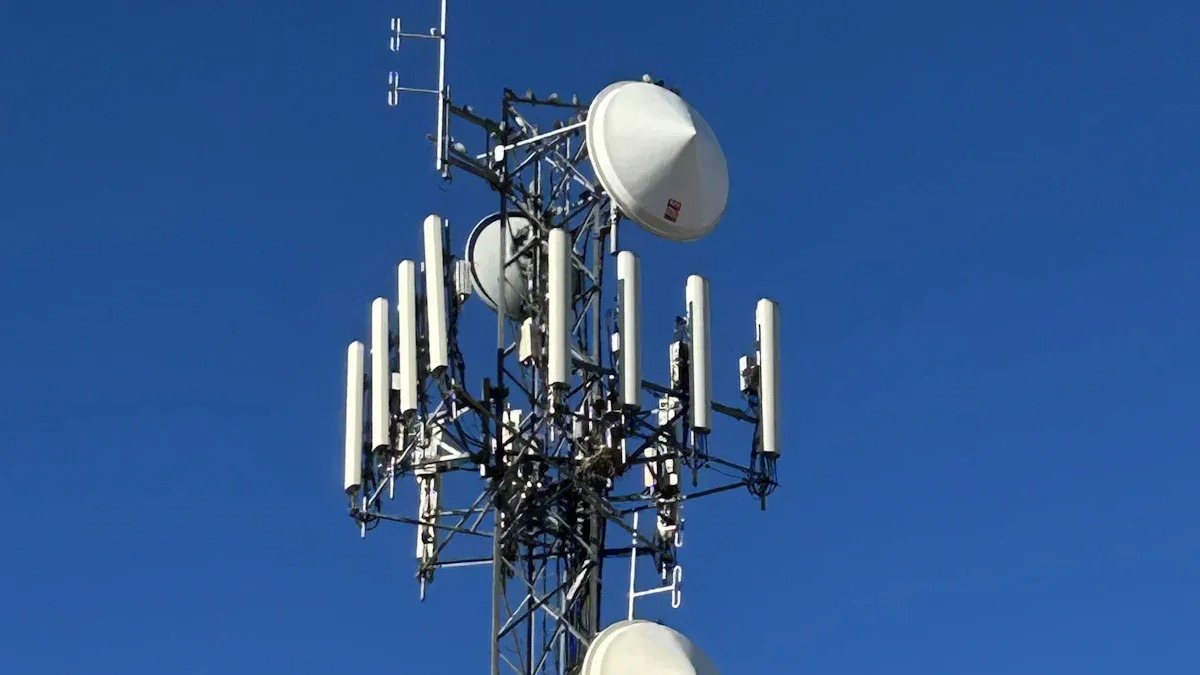
Quality plays a vital role in ensuring safety and reliability, especially in hazardous environments. I have seen firsthand how a robust industrial telephone communication system integrator can prevent accidents. In fact, 20% of frontline workers reported injuries due to inadequate communication. High-quality systems not only comply with industry regulations but also enhance overall performance. Choosing quality means fewer repairs and replacements, ultimately reducing long-term costs. Investing in a reliable emergency voice communication system or an explosionproof telephone system is a step toward a safer workplace. By opting for a turnkey industrial communication solution, businesses can benefit from one stop industrial communication services that streamline operations and improve safety measures.
Key Takeaways
- Prioritize quality in industrial telephone systems to enhance safety and reliability in hazardous environments.
- Invest in high-quality systems to reduce long-term maintenance costs and improve overall performance.
- Ensure proper installation to minimize risks and enhance system reliability, following strict safety guidelines.
- Implement regular maintenance strategies to extend system life and ensure compliance with safety standards.
- Stay informed about industry regulations to maintain compliance and build trust with clients.
Importance of Quality in Design and Engineering

When I think about the design and engineering of industrial telephone communication systems, I realize that quality is not just a feature; it’s a necessity. A well-designed system can make all the difference in ensuring safety and reliability, especially in hazardous environments. For instance, explosionproof telephone systems must be engineered with precision to prevent accidents.
Here are some key aspects that highlight the importance of quality in design and engineering:
- Sealed Enclosures: Strong, tightly sealed cases prevent flammable substances from entering and contain internal sparks.
- Non-Sparking Components: Internal parts are designed to avoid producing sparks, enhancing safety.
- Robust Materials: Durable materials resist corrosion, impact, and extreme temperatures, making them suitable for harsh environments.
- Low Power Consumption: These systems operate on low electrical power, reducing heat buildup and ignition risks.
- Specialized Wiring: Designed to prevent short circuits and electrical faults, ensuring safety.
I have seen firsthand how intrinsically safe circuitry plays a crucial role in protecting workers. Engineers design these circuits to limit electrical and thermal energy, preventing ignition in hazardous environments. Even under fault conditions, such as a wire breaking or shorting, no sparks or hot surfaces can occur. This is achieved through components like current-limiting resistors and voltage-limiting Zener diodes, which maintain low energy levels that cannot ignite flammable gases or dust.
Moreover, the design choices I encounter significantly affect the long-term reliability of these systems. For example, the JR200 Series telephones are crafted with weatherproof protection rated from IP54 to IP65. This ensures reliable operation in various environments. They are constructed from high-quality stainless steel or cold rolled steel, providing exceptional mechanical strength and corrosion resistance. The inclusion of a vandal-resistant armored cord handset reduces maintenance costs and downtime, showcasing how thoughtful design leads to lower total ownership costs.
In my experience as an industrial telephone communication system integrator, I have learned that investing in quality design and engineering not only enhances safety but also contributes to the overall efficiency of operations. By prioritizing quality, we can create systems that stand the test of time, ensuring that communication remains uninterrupted even in the most challenging conditions.
Quality in Installation
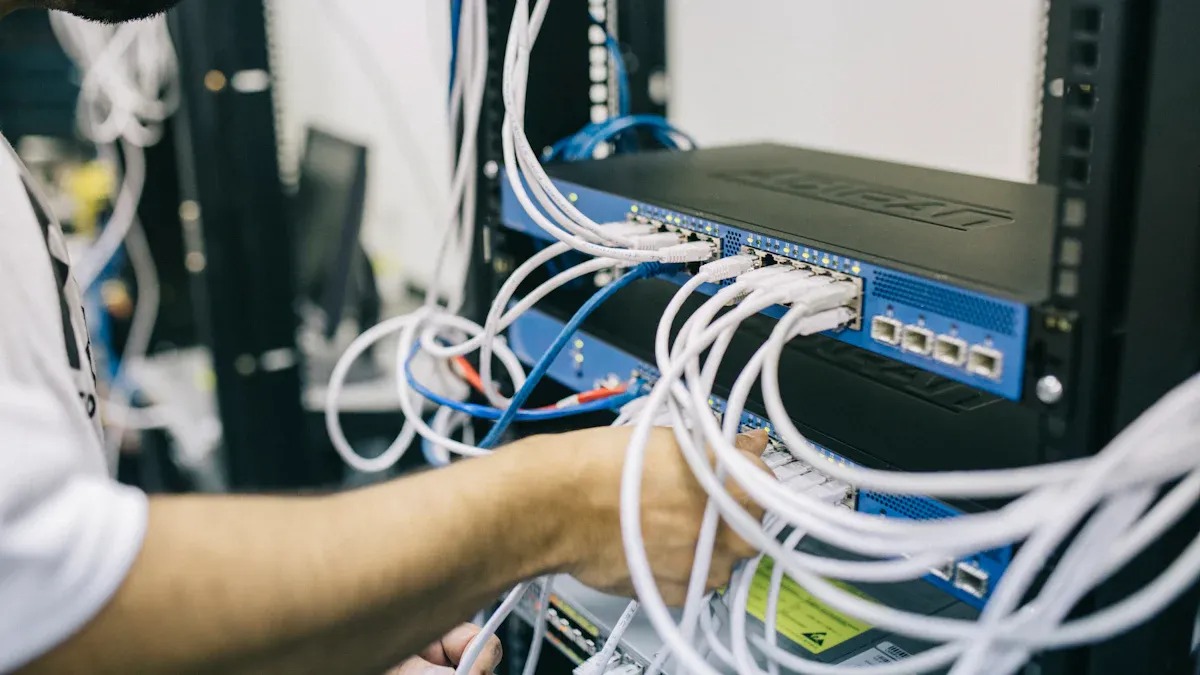
When I think about the installation of industrial telephone communication systems, I realize that this phase is just as crucial as design and engineering. A well-executed installation can significantly impact the system’s performance and safety. I have witnessed firsthand how poor installation practices can lead to failures, which can be costly and dangerous.
Here are some key reasons why quality in installation matters:
- Safety Assurance: Proper installation minimizes risks associated with hazardous environments. I always ensure that my team follows strict guidelines to prevent accidents.
- System Reliability: A correctly installed system operates efficiently and reduces the likelihood of malfunctions. I have seen systems that were installed poorly fail during critical moments, leading to communication breakdowns.
- Compliance with Standards: Adhering to installation standards is essential for ensuring safety and reliability. I make it a point to stay updated on the latest regulations and best practices.
To illustrate the importance of installation standards, I often refer to the following critical certifications:
| Standard | Description |
|---|---|
| ATEX and IECEx Certifications | Ensure equipment is safe for use in explosive atmospheres, preventing ignition of flammable gases, vapors, or dust. |
| National Electrical Code (NEC) | Provides guidelines for electrical installations in hazardous locations, ensuring safety and compliance with specific design and installation requirements. |
I always emphasize the need for thorough training for installation teams. Each member must understand the unique challenges posed by different environments, whether it’s an oil rig or a tunnel. I have found that investing in training pays off in the long run. A knowledgeable team can identify potential issues before they escalate, ensuring a smooth installation process.
In my experience, quality installation is not just about following a checklist. It requires attention to detail, a commitment to safety, and a proactive approach to problem-solving. By prioritizing quality in installation, I can help ensure that the systems I integrate perform reliably and safely, ultimately contributing to a safer workplace for everyone.
Maintenance and Quality Assurance
In my experience as an industrial telephone communication system integrator, I have learned that maintenance and quality assurance are critical for the longevity and reliability of communication systems. Regular maintenance activities help me resolve issues proactively, ensuring that systems operate smoothly. I have seen firsthand how implementing effective maintenance strategies boosts the reliability of equipment and systems, ultimately enhancing safety in hazardous environments.
Here are some key maintenance strategies that I prioritize:
- Regular Inspections: I conduct visual inspections to identify any cracks, corrosion, or damage to housing and seals. This step is crucial for maintaining the integrity of explosionproof telephone systems.
- Seal Integrity Tests: Ensuring that gaskets and O-rings are intact is vital for explosion protection. I always make this a part of my routine checks.
- Connection Checks: I verify that wiring, grounding, and network connectivity are secure. This simple step can prevent significant communication failures.
- Cleaning: I remove dirt, salt, or chemical buildup to maintain functionality. A clean system operates more efficiently and lasts longer.
The overall impact of regular upkeep cannot be overstated. It minimizes downtime, extends service life, and ensures compliance with safety certifications. A well-crafted maintenance strategy provides clear direction for maintenance activities and aligns with the organization’s business objectives.
Training staff is another essential aspect of effective maintenance. I emphasize the importance of equipping my team with the knowledge and skills needed to implement preventive and predictive maintenance. Utilizing modern technologies like Computerized Maintenance Management Systems (CMMS) and the Internet of Things (IoT) enhances our maintenance efficiency, allowing us to avoid unplanned downtimes.
By prioritizing maintenance and quality assurance, I can ensure that the systems I integrate perform reliably and safely, contributing to a safer workplace for everyone.
Long-term Cost-Effectiveness of Quality Systems
When I reflect on the long-term cost-effectiveness of quality systems, I realize that investing in high-quality industrial telephone communication systems pays off significantly over time. Initially, the upfront costs may seem daunting. However, I have learned that these investments lead to substantial savings in the long run.
Here are some key reasons why quality systems are cost-effective:
- Reduced Maintenance Costs: High-quality systems require less frequent repairs. I have seen how regular maintenance on inferior systems can quickly add up. By choosing quality, I minimize these ongoing expenses.
- Increased Reliability: Quality systems operate efficiently and consistently. I have experienced fewer breakdowns and communication failures, which means less downtime and more productivity.
- Longevity: Quality systems last longer. I have witnessed systems that continue to perform well even after years of use. This durability translates into lower replacement costs.
- Enhanced Safety: Investing in quality systems reduces the risk of accidents. I know that fewer accidents mean fewer costs associated with injuries and liability claims.
In my role as an industrial telephone communication system integrator, I prioritize quality because it aligns with my commitment to safety and efficiency. I encourage my clients to view these systems as long-term investments rather than short-term expenses.
Ultimately, the choice to invest in quality systems leads to a safer workplace and a more efficient operation. I have seen firsthand how this approach not only protects employees but also enhances the bottom line. By prioritizing quality, I can help businesses thrive in challenging environments.
Compliance with Industry Regulations
As an industrial telephone communication system integrator, I recognize that compliance with industry regulations is not just a legal obligation; it is a commitment to safety and excellence. Regulations shape how we design and install systems, ensuring they meet security and data protection standards. For instance, frameworks like the General Data Protection Regulation (GDPR) influence how we manage security risks and protect customer data. I have seen how these requirements drive us to adopt robust cybersecurity protocols, safeguarding our network equipment and critical infrastructure.
The consequences of non-compliance can be severe. I have witnessed companies face significant penalties for failing to adhere to regulations. Here are some potential repercussions:
| Type of Penalty | Description |
|---|---|
| Civil Fines | Fines can reach $500 per violation, with potential treble damages for willful violations. |
| Class Action Lawsuits | Groups can seek damages, leading to settlements that may reach millions or billions of dollars. |
| Operational Remedies | Companies may face injunctions requiring them to implement specific remedial measures. |
| Reputational Damage | Negative publicity can harm a company’s image and market standing. |
| Regulatory Scrutiny | Violations can trigger investigations by agencies like the FTC or state attorneys general. |
I have learned that staying informed about the latest regulations is crucial. It allows me to ensure that the systems I integrate not only comply with current standards but also anticipate future changes. This proactive approach enhances the reliability of our systems and builds trust with clients.
In my experience, prioritizing compliance leads to better designs and installations. It fosters a culture of safety and accountability, ultimately benefiting everyone involved. By committing to quality and compliance, I contribute to a safer workplace and a more sustainable future for the industry.
Quality is essential for safety, reliability, and compliance in explosionproof telephone systems. I have seen how prioritizing quality in design, installation, and maintenance leads to better performance and lower costs. For instance, in the manufacturing sector, advanced voice services have significantly improved operational efficiency and collaboration. Disrupted voice communication can lead to downtime, emphasizing the need for robust infrastructure. As an industrial telephone communication system integrator, I commit to quality to ensure the success of every communication system I implement. Together, we can create safer and more efficient workplaces.
FAQ
What are the key benefits of investing in quality communication systems?
Investing in quality systems enhances safety, reliability, and compliance. I have seen how these systems reduce maintenance costs and improve overall performance, leading to a more efficient workplace.
How does quality impact system installation?
Quality installation ensures safety and reliability. I always emphasize that proper installation minimizes risks and enhances system performance, preventing costly failures during critical moments.
Why is regular maintenance important for communication systems?
Regular maintenance keeps systems running smoothly. I prioritize inspections and checks to identify issues early, ensuring reliability and compliance with safety standards.
What certifications should I look for in communication systems?
Look for certifications like ATEX, CE, and ISO 9001. These ensure compliance with safety and quality standards. I always recommend verifying these certifications to guarantee system reliability.
How can I ensure my team is trained for quality installation and maintenance?
Invest in comprehensive training programs. I have found that knowledgeable teams can identify potential issues and implement effective solutions, leading to successful installations and maintenance.
Post time: Feb-03-2026