
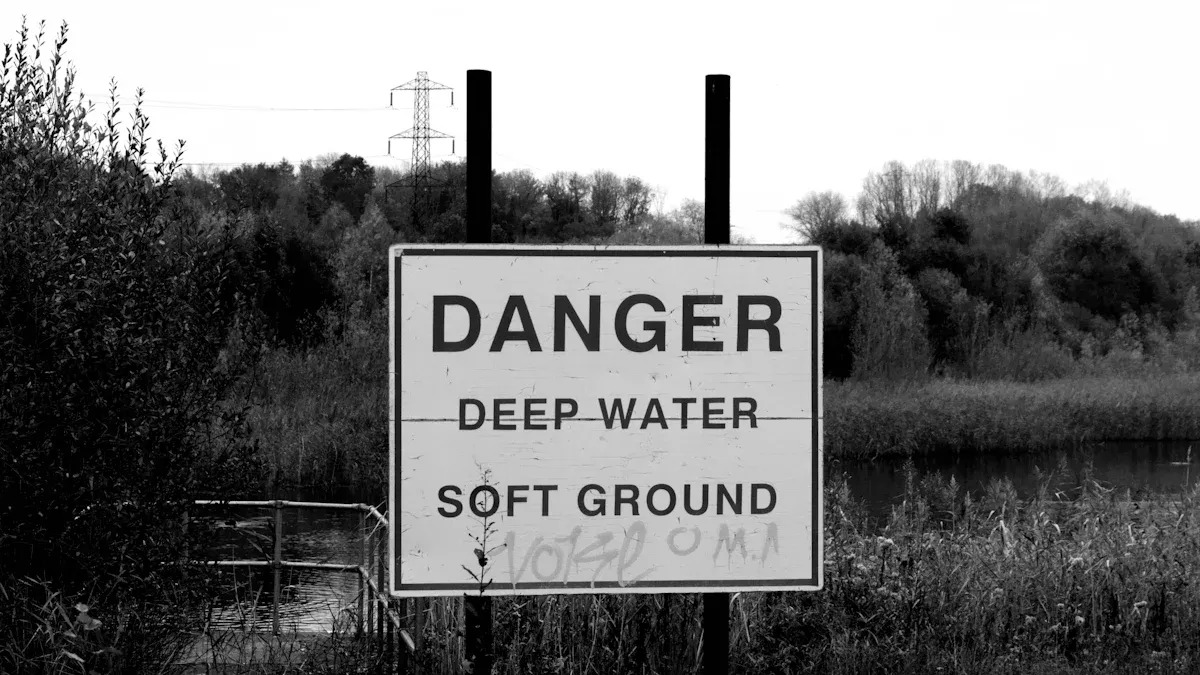
In hazardous oil and gas environments, explosionproof telephones are essential for ensuring safety. Reliable communication through industrial telephones can significantly reduce the risk of accidents, as approximately 80–90% of incidents stem from human factors, including communication failures. These specialized ATEX telephones are designed to withstand extreme conditions and prevent ignition, thereby enhancing workplace safety. With nearly 2.78 million fatalities reported annually due to poor safety systems, investing in effective hazardous area communication tools is crucial for protecting lives.
Key Takeaways
- Explosionproof telephones are crucial for safety in oil and gas environments, reducing the risk of accidents caused by communication failures.
- These specialized devices are designed to withstand extreme conditions and prevent ignition, making them essential for hazardous areas.
- Investing in explosionproof telephones helps companies comply with safety regulations, protecting workers and minimizing operational disruptions.
- Effective communication during emergencies can significantly improve response times and prevent catastrophic incidents.
- Failing to use explosionproof telephones can lead to severe consequences, including legal repercussions and financial losses.
Hazards in Oil and Gas Environments

Oil and gas environments present numerous hazards that can jeopardize worker safety and operational integrity. Understanding these risks is crucial for implementing effective safety measures, including the use of specialized communication devices like explosionproof telephones.
The following table outlines some of the most common hazards encountered in these environments:
| Hazard Type | Description |
|---|---|
| Explosive Atmosphere | The presence of flammable gases and vapors creates a constant risk of explosions during operations. |
| Extreme Noise Levels | Noise can exceed 110 dB(A), posing risks of hearing loss and hindering communication in emergencies. |
Flammable gases and vapors significantly increase the risk of explosions in oil and gas facilities. The following factors contribute to this heightened risk:
- Pressure Build-Up: High-pressure environments can lead to explosions if not managed properly.
- Leaks: Flammable gases or liquids can escape from pipelines or storage tanks, igniting upon contact with ignition sources.
- Ignition Sources: Various elements like sparks and hot surfaces can ignite flammable materials.
- Inadequate Ventilation: Poor ventilation allows flammable gases to accumulate, increasing ignition risk.
Regulatory standards govern safety communication devices in these hazardous environments. Key requirements include:
- HAZCOM plans must include information about labels and warnings used in the work environment.
- A list of all chemical hazards found in the workplace is required.
- Training requirements for appropriate personal protective equipment (PPE) must be outlined.
- Safety Data Sheets (SDS) must be accessible and formatted with specific sections such as hazard identification and first-aid measures.
Additionally, organizations must adhere to various regulations, including:
- OSHA regulations (29 CFR 1910 & 1926) cover occupational health and safety, including hazard communication.
- API standards such as API RP 75 and API STD 53 provide guidelines for safety management and blowout prevention.
- ISO standards like ISO 45001 focus on occupational health and safety management systems.
The leading causes of ignition in oil and gas facilities include:
- Flammable gases and liquids, such as methane and hydrogen sulfide, are prevalent in oil and gas facilities.
- Ignition sources include static electricity, welding equipment, and running engines.
- Accumulation of flammable gases in the presence of ignition sources can lead to flash fires or explosions.
In such high-risk environments, quality communication devices play a vital role in maintaining safety. Explosionproof telephones are specifically designed to enhance safety by preventing ignition in explosive atmospheres. Their construction significantly reduces the risk of accidents, protecting workers from potential explosions and communication failures. This capability is essential for minimizing accidents and injuries in these high-risk industries.
Features of Explosionproof Telephones
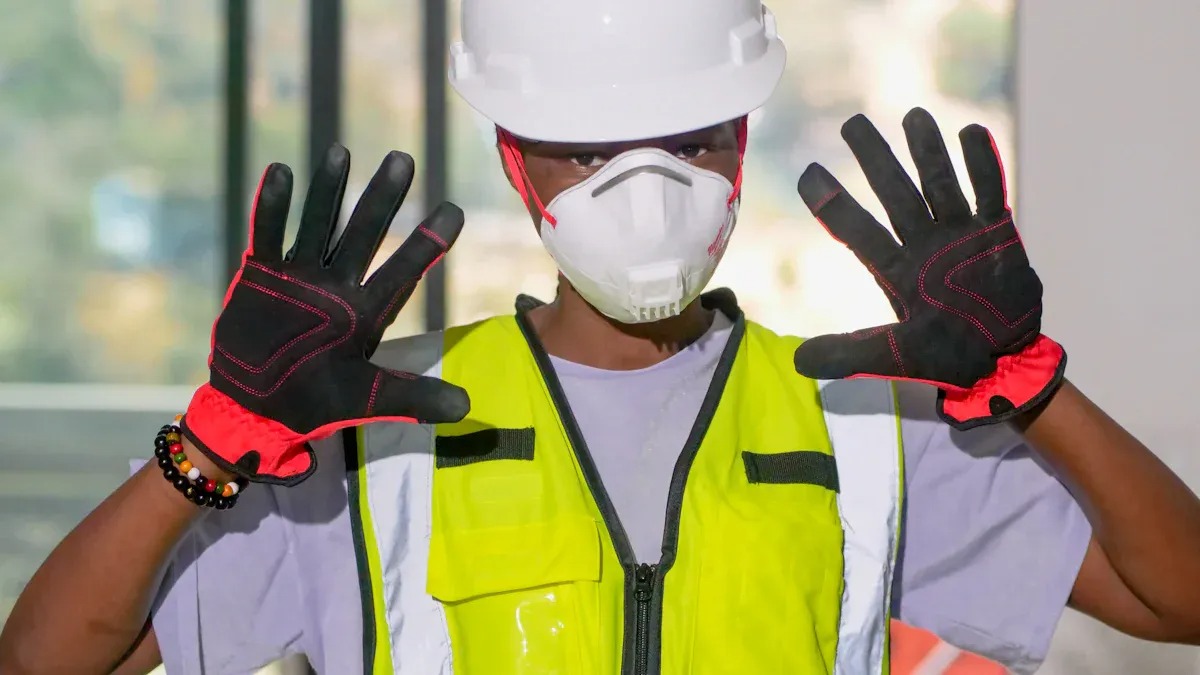
Explosionproof telephones possess several critical features that distinguish them from standard telephones used in industrial settings. These features enhance safety and reliability in hazardous environments, making them indispensable for oil and gas operations. Below is a comparison that highlights the key attributes of explosionproof telephones:
| Feature | Explosion-Proof Telephones | Standard Telephones |
|---|---|---|
| Certification and Approval | Must have ATEX, IECEx, NEC/CEC certifications for safety. | No specific certifications required. |
| Robust Construction | Made from corrosion-resistant materials like aluminum alloy. | Typically made from standard plastics. |
| Environmental Sealing (IP) | IP65 or higher for dust and water resistance. | No specific IP rating. |
| Acoustic Performance | Noise-canceling features for clear communication. | Standard audio quality. |
| Customization and Compatibility | Can be customized for specific operational needs. | Limited customization options. |
Key Features of Explosionproof Telephones
- Sealed Enclosures: Explosionproof telephones feature sealed enclosures that prevent flammable substances from entering. This design is crucial for maintaining safety in environments where explosive gases may be present.
- Non-Sparking Components: These devices utilize non-sparking materials to avoid ignition risks. This feature is vital in preventing accidents during operation.
- Robust Materials: The construction of explosionproof telephones includes advanced materials such as corrosion-resistant aluminum alloy and stainless steel. These materials provide significant resistance to physical damage and environmental factors.
- Low Power Consumption: Explosionproof telephones are designed to operate with low power consumption, minimizing heat buildup and further reducing the risk of ignition.
- Specialized Wiring: The internal wiring of these telephones is designed to prevent electrical faults, ensuring safe operation even in hazardous conditions.
Safety Certifications
To ensure their reliability, explosionproof telephones must meet stringent safety certifications. These include:
| Certification Type | Zone Classification | Temperature Class |
|---|---|---|
| II 2G Rx e ib [ib] mb IIC T6 Gb | Zone 1, 2 | T1 ~ T6 |
| III 2D Ex ib [ib] tb IIIC T135 ° | Zone 22 | -40 °C ≤ Ta ≤ +60 °C/+40°C |
Emergency Communication
During emergencies, such as fires or explosions, explosionproof telephones maintain communication through several features:
| Feature | Description |
|---|---|
| Material | Corrosion-resistant aluminum die-cast case |
| Protection | Resists dust, dirt, and water spray |
| Functionality | Suitable for extreme conditions like high humidity and exposure to seawater |
| Emergency Features | Explosion-proof beacon and loud speaker for incoming calls |
Case Studies of Explosionproof Telephones in Action
Explosionproof telephones have proven their value in various emergency situations within oil and gas facilities. Their strategic placement at critical points enhances safety and communication. Here are some notable case studies that highlight their effectiveness:
- Improved Emergency Response: In one incident at an offshore platform, the use of explosionproof telephones improved emergency response times by up to 30%. Workers quickly alerted safety teams without risking ignition, leading to faster evacuations and effective hazard mitigation.
- Preventing Catastrophes: During a fire outbreak in an oil refinery, explosionproof telephones facilitated communication among workers. They allowed for the rapid dissemination of important messages, ensuring that everyone followed safety protocols. This clear communication minimized confusion and helped maintain order during the crisis.
- Regulatory Compliance: A major oil company implemented explosionproof telephones across its facilities to comply with safety regulations. This decision not only protected workers but also prevented costly shutdowns. Reliable communication tools empowered employees to report hazards promptly, enhancing workplace vigilance.
- Real-Time Alerts: In another case, explosionproof telephones enabled real-time alerts during a gas leak. Workers used these devices to notify emergency responders immediately, preventing a potential explosion. The quick action taken due to effective communication saved lives and minimized damage.
These case studies demonstrate that explosionproof telephones are not just communication tools; they are vital components of safety systems in hazardous environments. Their ability to prevent fires and explosions ensures safety, while their role in facilitating communication during emergencies enhances overall operational efficiency.
Consequences of Not Using Explosionproof Telephones
Failing to use explosionproof telephones in hazardous oil and gas environments can lead to severe consequences. The risks associated with non-compliance are significant and can affect not only individual workers but also entire operations. Here are some critical outcomes of neglecting to implement these essential communication tools:
- Immediate Risk of Explosion: Standard consumer electronics can create sparks or high surface temperatures. This ignition risk can lead to catastrophic explosions, resulting in injuries or fatalities.
- Facility Shutdown: Regulatory bodies may impose shutdowns pending investigations after an incident. This disruption can lead to significant financial losses and operational delays.
- Legal Repercussions: Companies may face criminal prosecution for safety violations. Fines can reach up to $70,000 per violation, and repeat offenders may even face jail time.
- Loss of Access Privileges: Individuals involved in safety violations may permanently lose site access. This consequence can hinder their careers and impact their livelihoods.
- Company Liability: Organizations may expose themselves to liability claims potentially reaching millions. This financial burden can jeopardize the company’s future and reputation.
The risks extend beyond the immediate environment. Coworkers, contractors, and emergency responders also face dangers when communication fails. Historical incidents, such as the Piper Alpha disaster, illustrate the dire consequences of inadequate communication. During this tragedy, a temporary safety valve was left in place, and crucial documentation was inaccessible. This oversight led to a massive explosion, claiming 167 lives.
Industry recommendations emphasize the need for explosionproof telephones in hazardous locations. These devices are designed for Zone 1 and Zone 2 environments, ensuring safety in areas with moderate explosion risks. Their heavy-duty construction withstands impacts, water, and dust, making them ideal for demanding conditions.
Explosionproof telephones are indispensable for maintaining safety in oil and gas operations. Their specialized features protect against the unique hazards of these environments. The demand for these devices arises from increasing safety concerns and stringent regulations that require certified communication tools. Investing in explosionproof telephones not only meets legal requirements but also enhances overall safety culture. Companies that prioritize these communication tools can prevent accidents, reduce downtime, and improve their reputation. As the oil and gas sector continues to evolve, the adoption of reliable communication devices will remain essential for ensuring a safe workplace.
FAQ
What are explosionproof telephones?
Explosionproof telephones are specialized communication devices designed to operate safely in hazardous environments. They prevent ignition by using non-sparking materials and sealed enclosures, making them essential for oil and gas operations.
How do explosionproof telephones enhance safety?
These telephones enhance safety by providing reliable communication in explosive atmospheres. Their robust construction and safety certifications ensure they can withstand harsh conditions, reducing the risk of accidents and facilitating emergency responses.
Are explosionproof telephones compliant with safety regulations?
Yes, explosionproof telephones meet stringent safety regulations, including ATEX and IECEx certifications. These certifications ensure that the devices are safe for use in environments with flammable gases and vapors.
Where can explosionproof telephones be used?
Explosionproof telephones are suitable for various hazardous environments, including oil rigs, gas processing plants, refineries, and chemical facilities. Their design allows them to function effectively in extreme conditions.
How can companies ensure proper installation of explosionproof telephones?
Companies should engage certified professionals for installation. Proper installation ensures compliance with safety standards and maximizes the effectiveness of explosionproof telephones in preventing ignition and facilitating communication.
Post time: Jan-29-2026