
Introduction
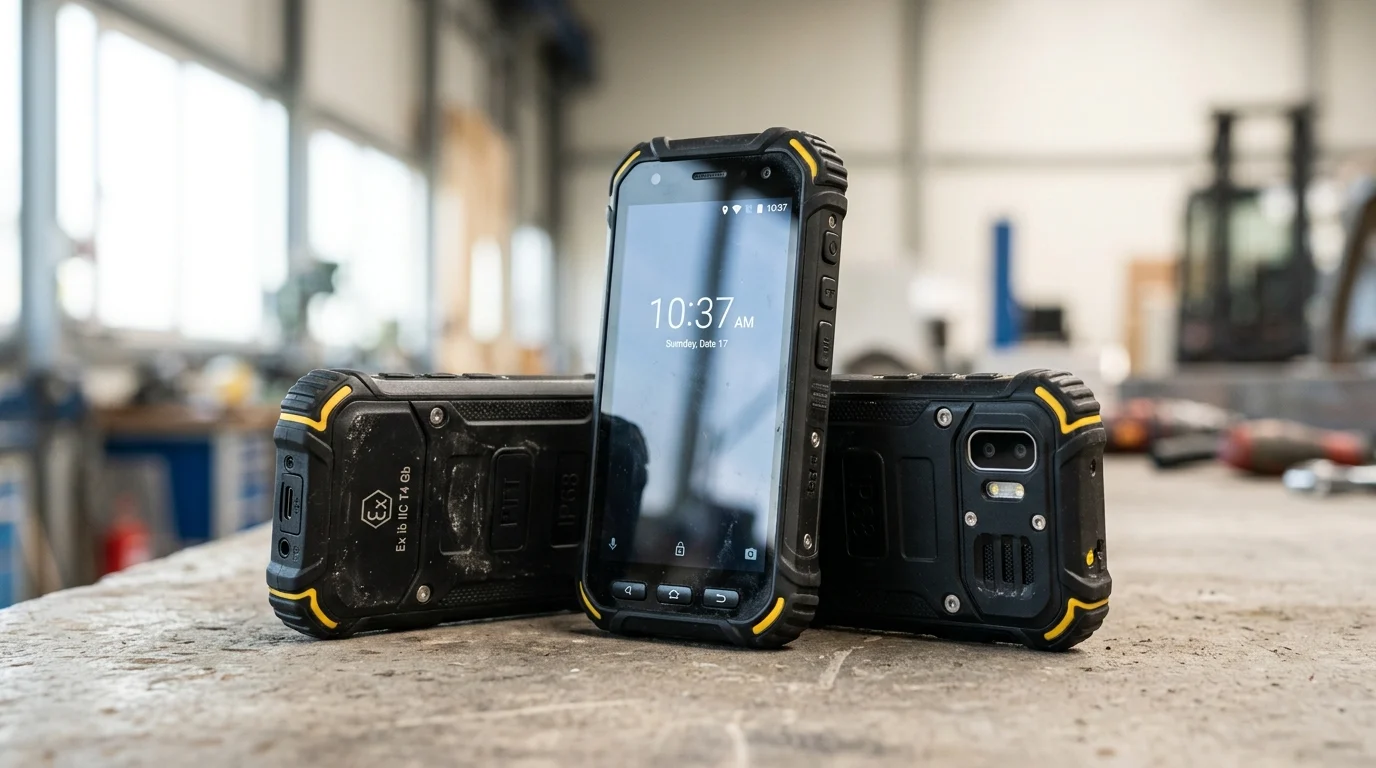
Choosing a phone for hazardous locations involves more than rugged hardware or long battery life; the critical question is whether it carries the right safety certifications for the specific zone, gas group, dust risk, and region of use. This article explains the main certification systems applied to explosion proof and intrinsically safe phones, why they matter for compliance and risk control, and how to read device markings correctly. By the end, you will be able to distinguish common standards, understand what they authorize, and assess whether a phone is suitable for your operating environment.
Why Explosion Proof Phone Certifications Matter
Deploying mobile communication devices in hazardous environments requires strict adherence to specialized safety standards. Explosion-proof and intrinsically safe phones are designed to operate safely in areas where flammable gases, vapors, or combustible dust are present. Understanding the certification frameworks governing these devices is not merely a compliance exercise; it is a fundamental pillar of industrial risk management.
Regulatory bodies worldwide mandate that any electronic equipment introduced into a classified hazardous area must carry appropriate certifications. Failure to utilize properly certified devices exposes industrial facilities to catastrophic ignition risks, regulatory penalties, and severe operational disruptions.
Impact on operating risk and insurance
The deployment of uncertified or improperly certified mobile devices in hazardous zones directly escalates operational risk. In the event of an industrial incident, investigators routinely examine equipment compliance. If an uncertified smartphone is identified as an ignition source, or even found present in the blast radius, the facility faces severe legal and financial repercussions.
Insurance policies for high-risk sectors, such as oil and gas or chemical manufacturing, contain strict clauses requiring absolute compliance with regional safety directives. Utilizing non-compliant devices can instantly void enterprise liability coverage. Furthermore, regulatory bodies such as OSHA (in the United States) or the HSE (in the United Kingdom) impose steep penalties for non-compliance. Fines for willful violations can exceed $150,000 per citation, while the broader financial impact of a resulting facility shutdown can easily surpass $1,000,000 per day in lost production.
Why certification requirements affect procurement
Because explosion-proof certifications dictate the engineering, testing, and manufacturing processes of a device, they fundamentally alter procurement cycles. Certified devices cannot be sourced through standard consumer electronics channels. Procurement teams must engage with specialized industrial distributors or original equipment manufacturers (OEMs) who maintain the necessary quality assurance systems.
This specialized supply chain impacts both lead times and Minimum Order Quantities (MOQs). While commercial smartphones can be procured in days, lead times for specialized Zone 1 or Class I, Division 1 certified phones frequently range from 6 to 12 weeks due to batch testing and stringent traceability requirements. Procurement departments must forecast device lifecycles accurately, factoring in these extended lead times and the premium costs associated with certified hardware, to ensure uninterrupted field operations.
Required Certifications by Region and Hazard
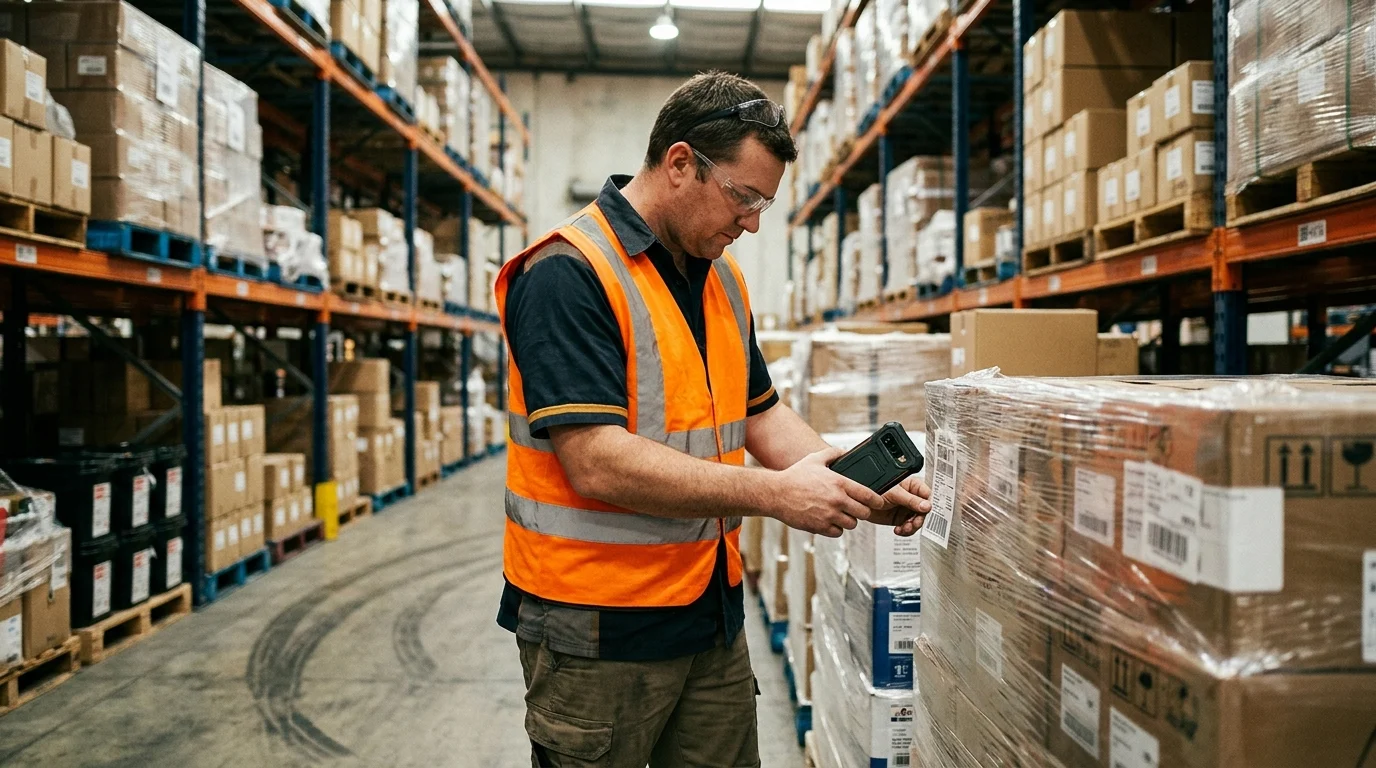
Hazardous area certifications are not universally standardized. Different regions rely on distinct regulatory frameworks to classify equipment safety. Understanding which certification applies to a specific geographic location and hazard type is essential for global compliance.
Core certifications used across markets
The global landscape for hazardous area equipment is governed by several major certification schemes. While there is a push toward harmonization through the IECEx system, regional mandates still dominate legal compliance requirements.
| Certification Scheme | Primary Region | Governing Authority/Standard |
|---|---|---|
| ATEX | European Union | EU Directive 2014/34/EU |
| IECEx | International | International Electrotechnical Commission |
| UL / CSA (HazLoc) | North America | OSHA / SCC (NEC/CEC codes) |
| NEPSI | China | National Supervision and Inspection Center |
| INMETRO | Brazil | National Institute of Metrology |
Multinational corporations often seek devices with dual or triple certifications (e.g., ATEX, IECEx, and UL) to standardize their global fleet, though these universally certified devices command a significant price premium.
Gas, dust, mining, temperature class, and equipment levels
Certifications categorize hazards by the type of combustible material, the likelihood of its presence, and the thermal limits of the environment. Under the ATEX/IECEx system, environments are divided into Zones (Zone 0, 1, and 2 for gases; Zone 20, 21, and 22 for dust). The North American system traditionally uses Classes and Divisions (e.g., Class I, Division 1 or 2).
Equipment must also be rated for specific Gas Groups (such as IIA for Propane, IIB for Ethylene, and IIC for Hydrogen) and Temperature Classes (T-Codes). The Temperature Class indicates the maximum surface temperature the device will reach under fault conditions. For example, a T4 rating guarantees the device surface will not exceed 135°C, making it safe for gases with higher ignition temperatures, whereas a stricter T6 rating ensures the surface stays below 85°C. Mining applications require separate Category M1 or M2 certifications due to the specific risks of firedamp (methane) and coal dust.
Explosion proof vs intrinsically safe
While often used interchangeably in casual conversation, “explosion proof” and “intrinsically safe” refer to completely different engineering protection methods. Explosion-proof (Ex d) enclosures are designed to contain an internal explosion and cool the escaping gases so they do not ignite the surrounding atmosphere. This method typically results in heavy, bulky metallic housings.
Conversely, intrinsically safe (IS or Ex i) design prevents the spark or thermal energy from occurring in the first place. IS devices strictly limit the electrical and thermal energy available in the circuit. For mobile phones, intrinsic safety is the standard approach, as it allows for lighter, more ergonomic designs. To achieve IS certification, the device’s circuitry is typically restricted to operating well below ignition thresholds, often limiting power characteristics to less than 1.2V or drawing under 100mA in critical sub-circuits.
How to Verify Compliance Beyond the Label
Relying solely on a physical label or an engraved Ex mark on a device chassis is insufficient for rigorous compliance auditing. Counterfeit devices and expired certifications present significant risks, requiring procurement and EHS (Environment, Health, and Safety) teams to verify compliance through official documentation and technical specifications.
Documents buyers should review
To definitively verify a device’s compliance, buyers must request and review several critical documents from the manufacturer. The foundational document is the Declaration of Conformity (DoC), which legally binds the manufacturer to the claimed standards. However, the DoC must be backed by a valid certificate from an independent Notified Body (such as SGS, TÜV, or UL).
Buyers should cross-reference the certificate number found on the device label with the Notified Body’s online database to ensure the certification has not been withdrawn or suspended. Additionally, manufacturers must hold a valid Quality Assurance Notification (QAN) or Quality Assessment Report (QAR). These reports confirm that the manufacturer’s production facilities undergo rigorous audits—typically required every 18 months—to guarantee that mass-produced units match the exact specifications of the tested prototype.
Regional approvals, carrier compatibility, and firmware changes
Hazardous area certification only covers ignition safety; a device must also function reliably as an enterprise smartphone. Buyers must verify regional telecommunications approvals, such as FCC (United States), CE (Europe), or PTCRB certifications, ensuring the device legally and technically operates on local cellular carrier networks.
Crucially, intrinsic safety certifications are inextricably linked to both the hardware and the authorized software state of the device. Unauthorized firmware modifications or OS updates can alter the processor’s power management profile. If an unapproved firmware update alters the peak current draw of the battery by even 50mA, it can technically push the device outside its certified thermal or electrical limits, instantly voiding the intrinsically safe certification. Buyers must ensure the OEM provides a controlled, certified pipeline for over-the-air (OTA) security and firmware updates.
How to Compare Certified Explosion Proof Phones
Comparing explosion-proof phones requires evaluating how well a device balances stringent safety mandates with modern enterprise mobility requirements. A device that is perfectly safe but lacks the processing power or battery life to run essential industrial applications will ultimately hinder field worker productivity.
Key criteria for side-by-side comparison
When evaluating certified devices side-by-side, procurement teams should look beyond the Ex rating to assess standard enterprise mobility metrics. Key criteria include battery capacity, ingress protection (IP rating), processor generation, screen visibility in direct sunlight, and compatibility with Mobile Device Management (MDM) platforms.
| Feature / Specification | Standard Rugged Phone | Zone 2 / Div 2 Certified | Zone 1 / Div 1 Certified |
|---|---|---|---|
| Hazard Suitability | Safe areas only | Occasional hazard presence | Continuous/frequent hazard |
| Battery Architecture | Removable, high capacity | Screwed-in or integrated | Fully encapsulated, non-removable |
| IP Rating | IP68 (1.5m for 30 min) | IP68 | IP64 to IP68 (design dependent) |
| Performance Specs | Current Gen CPU / High RAM | Mid-tier CPU / Medium RAM | Older Gen CPU / Lower RAM |
Additionally, verifying if a device holds Android Enterprise Recommended (AER) status is critical, as it guarantees a minimum baseline for deployment ease, security updates, and enterprise-grade hardware reliability.
Trade-offs among certification, durability, connectivity, and cost
The engineering required to achieve intrinsic safety necessitates significant trade-offs. To limit thermal output and electrical energy, manufacturers of Zone 1 / Division 1 devices must often throttle processor speeds, reduce battery capacities, and utilize older, thoroughly tested components rather than cutting-edge technology.
Cost is the most prominent trade-off. While a standard enterprise rugged phone might cost between $500 and $800, a moderately protected Zone 2 certified device typically ranges from $1,200 to $1,800. For highly restricted environments, a fully certified Zone 1 intrinsically safe smartphone can cost anywhere from $2,500 to $4,000 per unit. Organizations must carefully map their facility zones to avoid over-specifying; deploying a $3,500 Zone 1 device in a Zone 2 area represents unnecessary capital expenditure and forces users to deal with heavier, lower-performing hardware than strictly required.
How to Select the Right Certified Phone
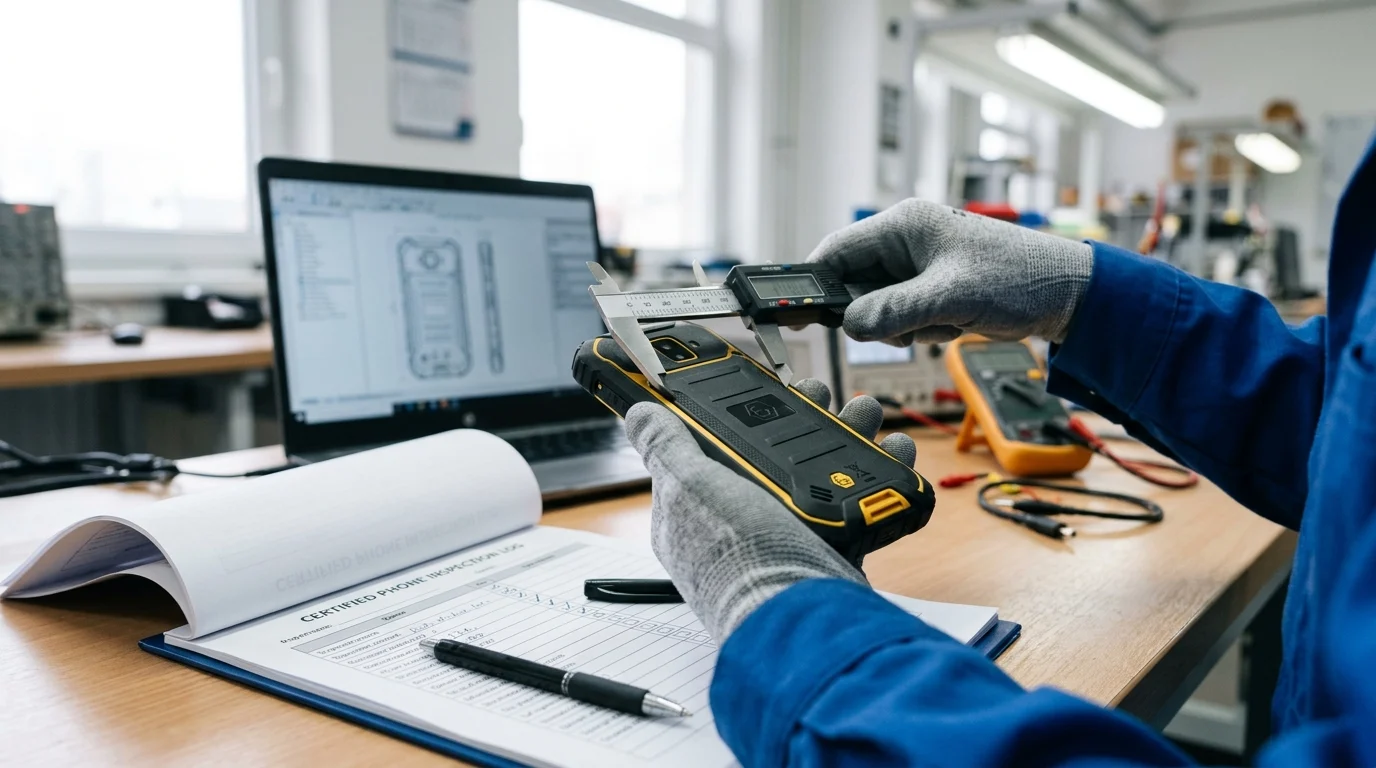
Selecting the right explosion-proof phone is a multidisciplinary process. It requires bridging the gap between the strict safety requirements dictated by EHS, the technical and security demands of the IT department, and the budget constraints managed by Procurement.
Step-by-step process for EHS, engineering, and procurement
The selection process must begin with EHS conducting a comprehensive hazard mapping of the facility to determine the exact Zones or Divisions where the devices will operate, as well as the specific Gas Groups and Temperature Classes present. Over-specifying restricts device options, while under-specifying introduces catastrophic risk.
Once the required certification baseline is established, Engineering and IT must define the software and connectivity requirements. This includes specifying required applications, assessing Wi-Fi or LTE/5G coverage in the hazardous areas, and confirming MDM compatibility. IT should mandate a device lifecycle support contract that guarantees at least 3 to 5 years of security patch updates. Finally, Procurement takes these combined specifications to source devices from authorized distributors, negotiating extended warranties and evaluating total cost of ownership (TCO) rather than just the upfront hardware price.
Decision criteria for multinational standardization
For multinational corporations, standardizing a single certified device model across a global fleet offers substantial operational efficiencies. However, standardizing requires selecting devices that carry multiple regional certifications (e.g., ATEX for European sites, UL/CSA for North American sites, and IECEx for Asia-Pacific).
While dual or triple-certified devices carry a higher initial unit cost, the long-term ROI is significant. Standardizing on a single hardware platform reduces IT overhead by allowing for a unified MDM profile and application stack. Furthermore, it streamlines the logistics of maintaining replacement stock. Quantitative industry analyses show that consolidating specialized mobile device SKUs globally can reduce spare pool inventory overhead by 20% to 30%, while dramatically reducing the administrative burden of tracking disparate regional compliance lifecycles.
Key Takeaways
- The most important conclusions and rationale for Explosion Proof Phones
- Specs, compliance, and risk checks worth validating before you commit
- Practical next steps and caveats readers can apply immediately
Frequently Asked Questions
What certifications are commonly required for explosion proof phones?
It depends on region and hazard. Common approvals are ATEX for the EU, IECEx for international projects, UL/CSA HazLoc for North America, NEPSI for China, and INMETRO for Brazil.
How do I know if a phone is suitable for my hazardous area?
Match the phone’s certificate to your site classification: Zone or Class/Division, gas or dust group, and temperature class. The marking on the certificate and nameplate must align with your area assessment.
Is IECEx certification enough for every country?
No. IECEx is widely recognized, but many countries still require local approvals such as ATEX, UL/CSA, NEPSI, or INMETRO. Always confirm legal requirements for the installation location.
Why should buyers avoid consumer phones in explosive areas?
Consumer phones are typically not certified for hazardous locations. Using them can create ignition risk, break site compliance, and may affect insurance coverage and incident liability.
Can Siniwo help source certified phones for industrial projects?
Yes. Siniwo supplies industrial communication products for hazardous environments and can help align explosion-proof phone options with project needs, certifications, and deployment requirements.
Post time: May-21-2026