
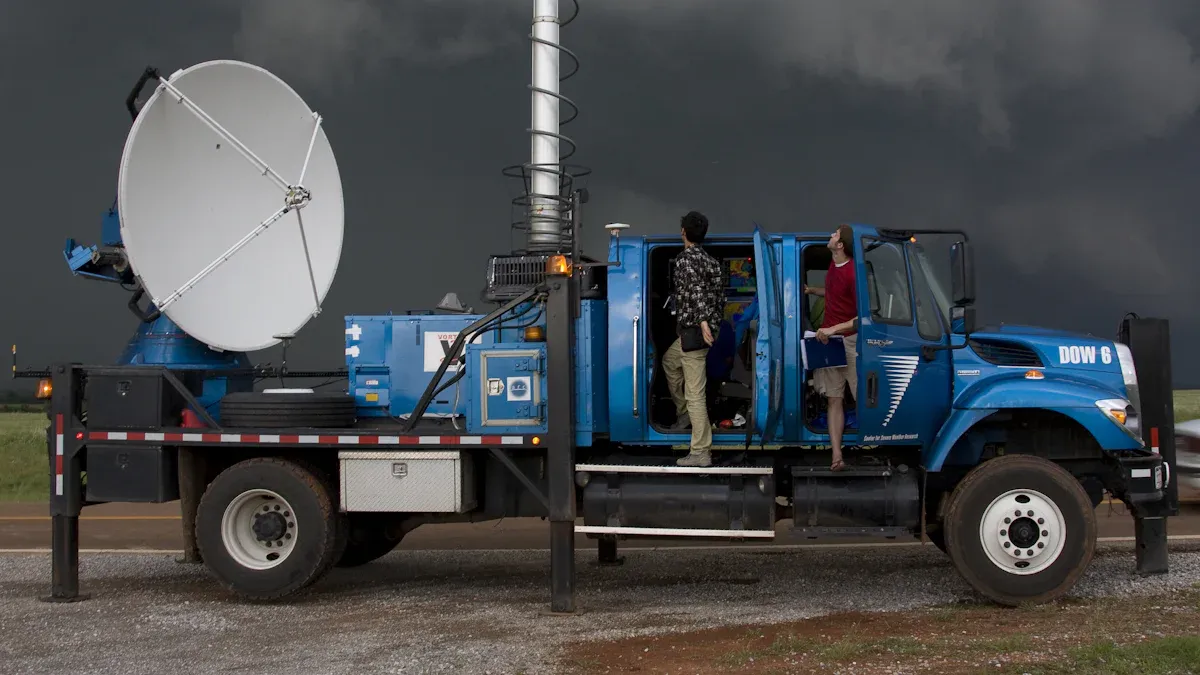
Weatherproof industrial telephones are equipped with essential features that guarantee reliable performance in harsh environments. These heavy duty industrial phones are designed to resist corrosion, withstand impacts, and maintain communication integrity. By utilizing high-quality materials and advanced technologies, they enhance user safety and ensure effective emergency voice communication systems in critical situations. Additionally, the waterproof dustproof industrial telephone models provide extra protection, while vandal resistant industrial phones offer durability against intentional damage, making them ideal for various industrial applications.
Key Takeaways
- Weatherproof industrial telephones are built to withstand harsh conditions, ensuring reliable communication in extreme environments.
- Key features like noise-canceling technology and adjustable volume enhance audio clarity, making conversations clear even in noisy settings.
- Investing in durable industrial telephones reduces long-term costs due to their longevity and lower maintenance needs.
Robust Durability
Impact and Vandal Resistance
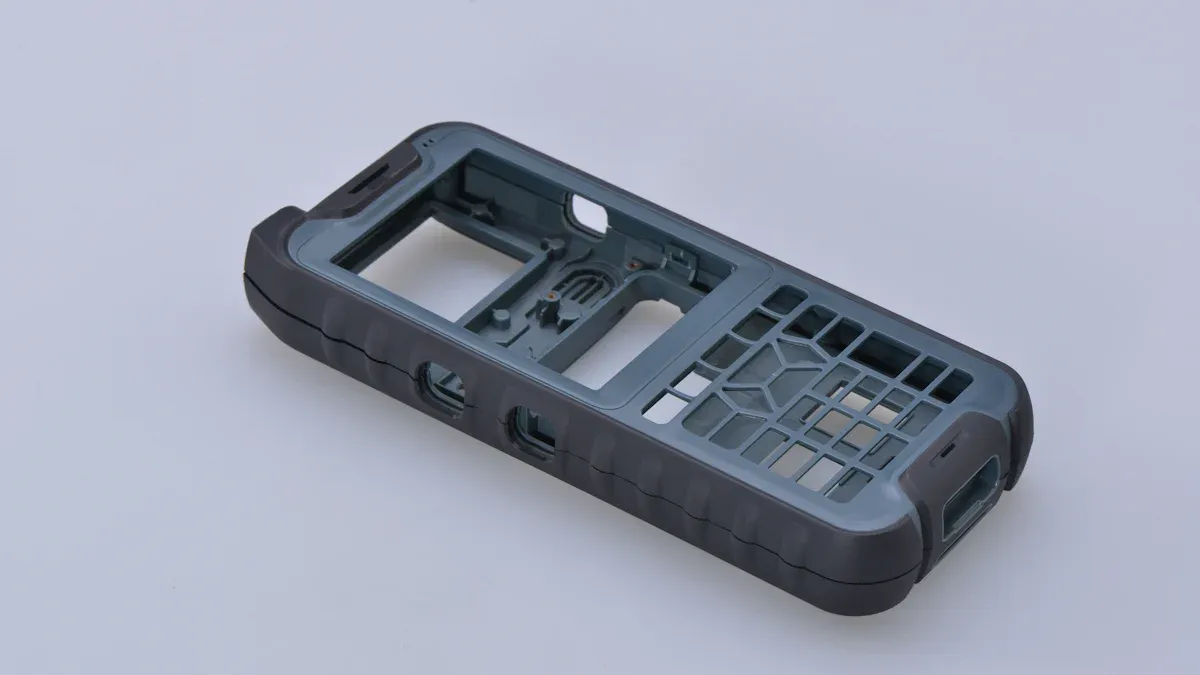
Industrial telephones designed for harsh environments must resist physical damage and vandalism. Manufacturers often build these phones to meet strict military and industry standards, such as MIL-STD-810G, which tests durability against shocks, drops, and extreme conditions. Phones classified as intrinsically safe or explosion-proof offer additional protection. For example:
| Feature | Intrinsically Safe Phones | Explosion-Proof Phones |
|---|---|---|
| Protection Mechanism | Limits energy output | Contains explosion within housing |
| Best For | Zone 0, Zone 1 (high-risk) | Zone 1, Zone 2 (moderate risk) |
| Durability | Standard rugged | Heavy-duty |
These classifications ensure the telephone can withstand impacts and prevent hazards in volatile environments. Vandal resistance often involves reinforced housings and tamper-proof components, which help maintain communication integrity even under intentional abuse.
High-Quality Materials
The choice of materials plays a crucial role in the durability of weatherproof industrial telephones. Manufacturers use metals and alloys that combine strength, corrosion resistance, and longevity. The following table summarizes common materials and their properties:
| Material Type | Properties |
|---|---|
| High-strength metal | Withstands external impact and harsh weather conditions. |
| Stainless steel | Provides durability and resistance to environmental stressors. |
| Aluminum alloy | Offers lightweight yet strong housing for weatherproof telephones. |
| Die-cast aluminum | Durable and resistant to harsh conditions, preventing damage. |
These materials typically last over 10 years with minimal maintenance, even in challenging environments. Stainless steel and die-cast aluminum stand out for their ability to resist corrosion and vandalism, making them ideal for industrial settings. The combination of robust materials and rigorous testing ensures that these telephones deliver reliable performance and protect users in critical situations.
Environmental Protection
IP Rating and Sealing
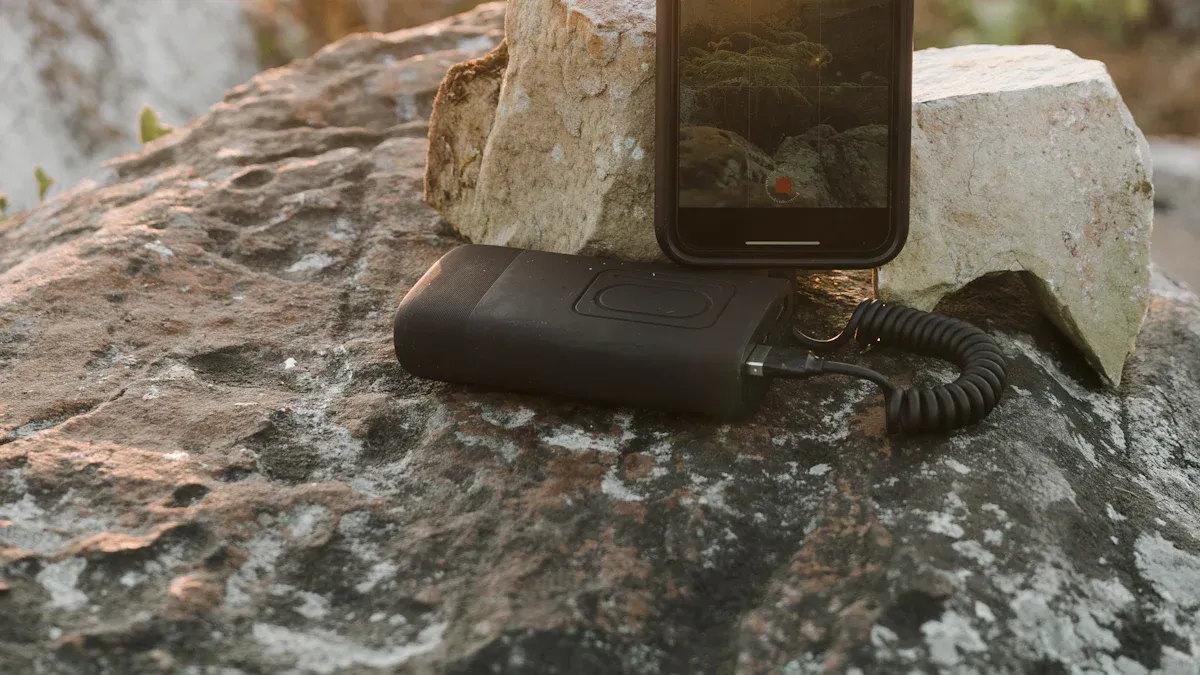
The IP (Ingress Protection) rating serves as a critical measure of an industrial telephone’s ability to withstand environmental hazards. For outdoor industrial telephones, a minimum IP rating of IP65 is essential. This rating indicates that the device is dust-tight and can endure water jets from any direction. Higher IP ratings provide even greater protection against dust and water, ensuring reliable communication in extreme weather conditions.
Key environmental hazards that weatherproof industrial telephones must withstand include:
- Harsh environments
- Moisture
- Dust
- Extreme temperatures
- Corrosive elements
Sealing mechanisms play a vital role in achieving these ratings. Manufacturers often use gaskets and seals made from durable materials to prevent moisture and dust ingress. These components ensure that the internal electronics remain protected, thus enhancing the longevity and reliability of the device.
Pressure Equalization Vents
Pressure equalization vents are another essential feature that contributes to the durability of industrial telephones in harsh environments. These vents allow for quick pressure equalization, which reduces pressure differentials that can occur due to temperature fluctuations.
The benefits of pressure equalization vents include:
- Preventing weakening of gaskets and seals
- Maintaining the integrity of the device
- Enhancing longevity in challenging conditions
By minimizing pressure differentials, these vents help ensure that the internal components remain intact and functional, even when exposed to extreme environmental conditions. This feature is particularly crucial for devices operating in areas with significant temperature changes, as it helps to prevent damage that could compromise communication capabilities.
Superior Audio Clarity
Noise-Canceling Technology
Noise-canceling technology plays a vital role in ensuring clear communication in industrial environments. These telephones effectively reduce background noise, especially in settings where noise levels exceed 90 dB. Advanced audio processing technologies, such as dynamic noise suppression, enhance speech intelligibility. Key features of noise-canceling technology include:
- High-power speakers and noise-canceling microphones filter out unwanted sounds.
- These devices focus on the speaker’s voice, ensuring clearer conversations.
- This technology is essential for maintaining safety and efficiency in noisy environments.
The following table summarizes various technologies that contribute to superior audio clarity in industrial telephones:
| Technology | Description |
|---|---|
| Beamforming Microphones | Enhance audio from specific directions, reducing surrounding noise for clearer conversations. |
| Noise Cancellation & AI Audio Processing | Removes unwanted sounds, creating a more immersive meeting experience. |
| Acoustic Echo Cancellation (AEC) | Prevents feedback loops by ensuring sound from speakers isn’t picked up by microphones. |
| DSP (Digital Signal Processing) | Adjusts audio levels dynamically for balanced sound and improved voice clarity. |
| Full-Duplex Audio | Allows natural two-way conversations without interruptions, unlike traditional speakerphones. |
Adjustable Volume and Hands-Free Options
Adjustable volume features in industrial telephones ensure users can hear important messages clearly, even in loud environments. The average decibel range for these features typically lies between 75 dB and 95 dB. This range supports effective communication, allowing users to adjust the volume according to their surroundings. The following table illustrates the adjustable volume capabilities of various industrial telephone models:
| Product Name | Adjustable Volume Decibel Range |
|---|---|
| Desk Phone with Built-In Ringer | Up to 80 dB SPL @ 1m |
| HD-40S Speech Amplified Phone | Up to 95 dB |
| AudioLarm II | 75-85 dB |
Hands-free options further enhance usability, allowing workers to communicate while performing tasks. This feature is particularly beneficial in environments where manual operation is necessary. Overall, superior audio clarity ensures that industrial telephones maintain effective communication, crucial for safety and operational efficiency.
Connectivity and Emergency Voice Communication System
Wired and Wireless Options
Industrial telephones designed for harsh environments offer both wired and wireless connectivity options. Wired systems provide high stability and consistent performance, making them the preferred choice for primary communication. They resist electromagnetic interference (EMI) better than wireless systems, which helps maintain clear and reliable connections in electrically noisy industrial settings.
Wireless systems serve as valuable backups when wired connections fail or are impractical. Although wireless telephones face more EMI challenges, proper management can improve their reliability. Wireless options also offer flexibility in installation and mobility, which proves useful in temporary setups or areas where wiring is difficult.
The following table highlights key differences between wired and wireless industrial telephone systems:
| Aspect | Wired Systems | Wireless Systems |
|---|---|---|
| Stability | High stability and performance | Less stable, used as backup |
| Electromagnetic Interference | More resistant to EMI | Prone to EMI, but can improve with management |
| Error Resistance | Lower probability of error occurrence | More error-resistant but not fail-proof |
| Use Case | Primary communication method | Temporary backup for failures |
Choosing the right connectivity depends on the environment and operational needs. Wired systems excel in reliability and continuous operation. Wireless systems add redundancy and flexibility, ensuring communication remains uninterrupted during emergencies or infrastructure issues.
Auto-Dial and Emergency Features
Emergency voice communication systems must connect users to help quickly and efficiently. Modern industrial telephones incorporate auto-dial functions that instantly call pre-programmed emergency numbers with a single button press. This feature eliminates delays caused by manual dialing and reduces human error during critical moments.
These systems also support automated alerts that notify multiple response teams simultaneously. By linking threat detection directly to emergency response activation, they minimize the time between incident recognition and coordinated action. This rapid connection proves vital because the first few minutes of an emergency often determine the outcome.
Real-time notifications keep users informed and ready to act. Delays in communication can cause confusion and panic, worsening dangerous situations. Industrial telephones with integrated emergency voice communication system features ensure timely, accurate information reaches all parties involved.
Additional emergency features include:
- Hands-free operation for quick response without needing to hold the handset
- Visual and audible alarms to attract attention in noisy or low-visibility environments
- Robust backup power to maintain operation during power outages
Together, these capabilities enhance safety and operational efficiency in harsh industrial settings. They guarantee that personnel can communicate clearly and rapidly when emergencies arise.
User-Friendly Design
Simple Interface and Controls
A user-friendly interface enhances the usability of weatherproof industrial telephones. These devices often feature consistent keypad functions, such as using ‘#’ for undo and ‘*’ for repeat. This design reduces confusion and enhances user control. Immediate menu selections increase efficiency for experienced users, while clear feedback on user actions confirms selections and minimizes errors.
The following table outlines common interface features that improve usability:
| Feature Description | Usability Benefit |
|---|---|
| Consistent keypad functions | Reduces confusion and enhances user control |
| Immediate menu selections | Increases efficiency for experienced users |
| Clear feedback on user actions | Confirms selections and reduces errors |
| Ability to undo selections | Prevents frustration from wrong choices |
| Menu options starting with frequently selected | Improves navigation speed for users |
| Unique language for each option | Enhances clarity and reduces cognitive load |
| Concise content | Minimizes irrelevant information and speeds up task completion |
| Regular status updates while on hold | Improves user experience by managing expectations |
These features ensure that users can operate the telephones effectively, even in high-pressure situations.
Versatile Mounting Options
Weatherproof industrial telephones offer versatile mounting options to accommodate various environments. Clients frequently request wall-mounted and pole-mounting solutions. These options provide flexibility in installation, allowing users to place telephones in optimal locations for accessibility and visibility.
The following table summarizes the most requested mounting options:
| Mounting Option | Description |
|---|---|
| Wall-Mounted | Frequently requested by industrial clients |
| Pole-Mounting | Frequently requested by industrial clients |
These mounting solutions enhance the functionality of industrial telephones, ensuring they remain accessible in diverse settings. By prioritizing user-friendly design, manufacturers create devices that support effective communication, especially during emergencies.
Reliability and Maintenance
Long Battery Life and Power Backup
Industrial telephones in harsh environments require dependable power sources to maintain continuous operation. Long battery life ensures that communication remains uninterrupted during power outages or emergencies. Many weatherproof industrial telephones incorporate rechargeable lithium-ion batteries or sealed lead-acid batteries designed for extended use. These batteries typically provide backup power ranging from several hours to multiple days, depending on the model and usage.
Power backup systems often include:
- Automatic switching to battery power when the main supply fails
- Battery health monitoring to alert maintenance teams before failure
- Low power consumption designs to maximize battery runtime
Reliable power backup prevents communication blackouts, which could jeopardize safety and operational efficiency. Industrial environments often face unstable power grids or sudden outages, making these features critical.
Mean Time Between Failures (MTBF)
Mean Time Between Failures (MTBF) measures the average operational time between inherent failures of a device. A higher MTBF indicates greater reliability and less frequent maintenance needs. Manufacturers usually provide MTBF data based on rigorous testing under simulated harsh conditions.
| MTBF Range | Reliability Level | Maintenance Impact |
|---|---|---|
| 50,000 – 100,000 hrs | High | Minimal downtime and repairs |
| 20,000 – 50,000 hrs | Moderate | Scheduled maintenance recommended |
| Below 20,000 hrs | Low | Frequent repairs and replacements |
Selecting industrial telephones with a high MTBF reduces operational disruptions and lowers maintenance costs. It also ensures that communication systems remain functional during critical periods. Maintenance teams benefit from predictable service intervals, allowing proactive upkeep rather than reactive fixes.
Tip: Prioritize devices with MTBF values exceeding 50,000 hours for mission-critical applications to maximize uptime and safety.
Compliance and Certifications
Industry and Military Standards
Weatherproof industrial telephones must comply with various industry and military standards to ensure safety and reliability in harsh environments. These standards provide guidelines for manufacturers, ensuring that devices can withstand extreme conditions. Key standards include:
- MIL-STD-810: This military standard tests equipment against environmental stresses such as temperature, humidity, and shock.
- ANSI/ISA 12.12.01: This standard outlines requirements for equipment used in hazardous locations, ensuring safety in explosive atmospheres.
Compliance with these standards assures users that the telephones will perform reliably, even in the most challenging conditions.
Safety and Quality Certifications
Safety and quality certifications play a crucial role in validating the performance of industrial telephones. These certifications ensure that devices meet specific safety requirements and quality benchmarks. The following table highlights essential certifications for industrial telephones in hazardous environments:
| Certification | Description |
|---|---|
| ATEX | Mandatory in the EU for equipment used in explosive atmospheres. |
| IECEx | Voluntary global certification system ensuring international compliance. |
| Class I Division 1/2 | Standards crucial for North American markets, indicating the level of danger present. |
These certifications provide peace of mind for users, confirming that the telephones can operate safely in potentially dangerous environments. By adhering to these compliance measures, manufacturers demonstrate their commitment to quality and user safety.
Cost-Effectiveness
Initial Investment vs. Longevity
Investing in weatherproof industrial telephones often requires a higher initial outlay compared to standard models. However, this upfront cost reflects their specialized design and durability. Key points to consider include:
- These telephones typically have a longer expected lifespan.
- They incur lower maintenance costs over time.
- The overall cost-effectiveness increases due to reduced need for replacements.
Despite the initial expense, the longevity of these devices makes them a wise investment for businesses operating in harsh environments.
Maintenance and Service Costs
Maintenance and service costs significantly impact the total cost of ownership for industrial telephones. Research indicates that over 50% of the total costs associated with mobile devices stem from lost worker productivity due to device failures. In contrast, rugged devices demonstrate a 52.7% lower total cost of ownership than consumer-grade devices over five years. For example, rugged devices cost approximately £7,771.36, while non-rugged devices can reach £16,459.66.
By choosing weatherproof industrial telephones, companies can minimize downtime and enhance productivity. These devices not only withstand harsh conditions but also reduce the frequency of repairs and replacements, ultimately leading to substantial savings.
Tip: Prioritize investing in rugged telephones to ensure long-term reliability and cost savings in demanding environments.
Supplier Reputation and Support
Customer Feedback and Case Studies
A supplier’s reputation significantly impacts the choice of weatherproof industrial telephones. Customers often share their experiences, highlighting both strengths and weaknesses. Common issues reported include:
| Common Issues | Description |
|---|---|
| Poor customer support | Many users report inadequate assistance from lesser-known brands. |
| Delayed replacements | Customers experience long wait times for product replacements. |
| Missing firmware updates | Some IP models lack necessary firmware updates, affecting functionality. |
| Unclear installation manuals | Users find the manuals difficult to understand, leading to installation issues. |
| Condensation inside housings | Rapid temperature changes cause condensation, suggesting seal defects. |
These insights help potential buyers gauge the reliability of different brands. Case studies showcasing successful implementations can further enhance a supplier’s credibility.
Warranty and Technical Assistance
A robust warranty and effective technical assistance are crucial for industrial telephone users. Customers value various types of support, including:
| Type of Assistance | Description |
|---|---|
| Technical Support Services | Maximizes software investment and accelerates ROI through effective support. |
| Enhanced Education Services | Provides access to online education content and personalized training for continuous learning. |
| AI-Powered Solutions | Offers self-service options for quick issue resolution, enhancing customer experience. |
Key benefits of technical assistance include:
- Assisting with technical issues and software troubleshooting.
- Ensuring prompt and efficient assistance to minimize downtime.
- Providing quick resolution times for all inquiries.
A strong warranty combined with comprehensive support ensures that users can rely on their weatherproof industrial telephones, enhancing overall operational efficiency.
Weatherproof industrial telephones offer essential features that ensure dependable communication in harsh environments. Key aspects include high durability, effective noise reduction, and integrated safety features. These elements enhance operational efficiency and safety. Organizations must make informed choices when selecting devices, prioritizing features like the emergency voice communication system to ensure rapid response during critical situations.
FAQ
What makes an industrial telephone weatherproof?
Weatherproof industrial telephones use sealed housings, durable materials, and high IP ratings to prevent dust, water, and corrosion from damaging internal components.
How do emergency features improve safety?
Emergency features like auto-dial and hands-free operation enable quick, reliable communication during crises, reducing response times and enhancing worker safety.
Can these telephones operate in explosive environments?
Yes, models with intrinsic safety or explosion-proof certifications meet strict standards, allowing safe use in hazardous zones with flammable gases or dust.
Post time: Mar-28-2026