

VoIP Handsfree AI Telephones fundamentally change railway communication. These advanced systems will deliver unparalleled safety and operational efficiency by 2026. They effectively minimize human error. Intelligent communication optimizes response times across the entire network. This technology ensures a safer and more efficient rail environment for everyone. It provides clear and instant communication capabilities.
Key Takeaways
- VoIP Handsfree AI Telephones make railway communication better. They use the internet for calls and let workers talk without holding a phone. This helps railways be safer and work better.
- These phones help in emergencies. They connect workers quickly to control centers. This helps reduce mistakes and makes sure everyone knows what is happening.
- AI in these phones finds problems early. It can see if equipment might break or if there are strange things on the tracks. This helps stop accidents before they happen.
- These phones save money and make work easier. They help teams talk faster and record everything. This helps railways make smart choices and use their resources well.
- These phones follow strict safety rules. They meet important global standards. This means they are reliable and safe for railway use.
The Critical Need for Advanced Railway Communication Systems
Current Limitations of Traditional Communication
Traditional railway communication systems face significant challenges. Many multi-point, antenna-based systems struggle to provide consistent radio frequency coverage inside tunnels and subways. This often requires increasing power levels to unsafe degrees to achieve adequate coverage. Older technologies like 3G/4G base stations do not meet modern demands, especially for passengers expecting widespread broadband connectivity. The existing GSM-R technology also needs to evolve. It struggles to meet increased requirements for efficient train control signaling, real-time data transmission, and accurate monitoring of railroad status.
These systems also have several failure points. Inadequate patch management and network segmentation allow vulnerabilities in older systems to be exploited. Communication protocols can be vulnerable, as seen in cyberattacks targeting weaknesses in man-in-the-middle defenses. Physical access to wayside network devices poses a significant threat. Railway location cabinets, which house critical equipment, often rely only on physical locks for security. This allows attackers to gain access, execute malicious code, and potentially cause service interruptions. Track circuits are prone to issues like corrosion and rail contamination, causing trains to ‘disappear’ from detection. Axle counters, while more robust, require manual resets after power failures, causing delays.
The Imperative for 2026 Upgrades
Regulatory compliance and safety standards primarily drive the need for railway communication upgrades. Federal agencies, such as the Federal Railroad Administration (FRA), mandate reliable communication systems. These regulations cover critical functions like real-time monitoring, incident response, and safety reporting. The regulatory landscape also emphasizes cybersecurity resilience, data privacy, and system reliability. These factors significantly influence the development and deployment strategies for new communication technologies in the rail sector. Upgrading by 2026 ensures railways meet these evolving standards and enhance overall operational integrity.
Understanding VoIP Handsfree AI Telephones

What Defines VoIP Handsfree AI Telephones?
VoIP Handsfree AI Telephones represent a significant leap in communication technology. They use Voice over Internet Protocol (VoIP) to transmit voice communications digitally over an internet connection. This eliminates the need for traditional telephone lines. The “handsfree” aspect allows users to communicate without holding a handset, which is crucial in dynamic railway environments. The integration of Artificial Intelligence (AI) elevates these devices beyond simple communication tools. AI capabilities enable intelligent processing, analysis, and automation of communication tasks. This combination creates a robust and adaptable system for modern railway operations.
Core Features and Capabilities of VoIP Handsfree AI Telephones
VoIP Handsfree AI Telephones offer a comprehensive suite of features designed for demanding railway settings. These systems incorporate AI-enabled voice recognition and multilingual support. This allows personnel to communicate effectively regardless of language barriers or background noise. They also provide video call capability and real-time facial detection. This enhances visual verification and security protocols. Integration with existing infrastructure is seamless. These telephones connect with CCTV systems, alarm systems, and GIS-based incident mapping. This provides a unified view of operational status and potential threats. Furthermore, the systems offer remote diagnostics and automatic fault alerts. This ensures proactive maintenance and minimizes downtime. These advanced capabilities make the Voip Handsfree AI telephon a vital asset for railway safety and efficiency.
Enhancing Railway Safety with VoIP Handsfree AI Telephones
Real-time Emergency Response and Coordination
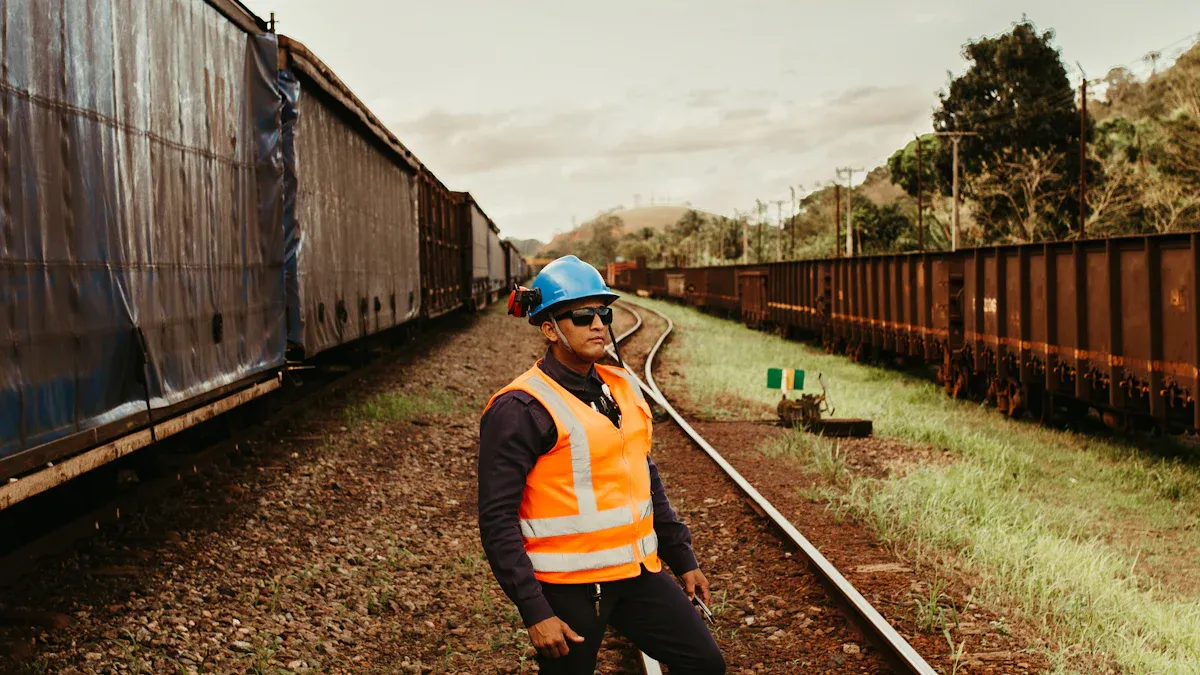
VoIP Handsfree AI Telephones significantly improve real-time emergency response and coordination within railway systems. These advanced communication tools provide immediate and reliable connections when incidents occur. For instance, rail transit systems often deploy dedicated blue light stations at strategic locations. These stations feature telephones for rapid emergency communication. Users activate these devices by lifting a handset or pressing a button. This action establishes a direct, open line to the operations control center (OCC) or rail control center (RCC). Protocols ensure prompt connectivity, often within seconds, minimizing response delays during critical incidents.
Users can report their precise location and incident details, including the nature of the emergency, affected tracks, and personnel involved. Operators confirm these details, assess the urgency, and initiate dispatch. This includes notifying train crews, activating ventilation systems, or summoning emergency services. The system also integrates emergency alerts with rail signaling infrastructure. This allows operators to trigger signaling protocols, such as automatic block restrictions or train stops. Furthermore, the system interfaces with emergency traction power disconnection mechanisms, enabling power cutoff if necessary. Industrial telephones, ruggedized for harsh environments with heavy-duty casings and loud speakers, serve as critical links. They provide instant communication channels for safety alerts, evacuation orders, or coordination with emergency services. These devices, now integrating VoIP and other IP solutions, expand their functionality and connectivity options, connecting ground crews, security personnel, and control towers for coordinating logistics and safety.
Reducing Human Error and Improving Situational Awareness
VoIP Handsfree AI Telephones play a crucial role in reducing human error and improving situational awareness for railway personnel. The hands-free capability allows workers to communicate without diverting their attention from critical tasks. This is especially important in dynamic and high-risk railway environments. A new roadmap introduces intelligent, hands-free operations powered by Agentic AI. This development aims to establish a new benchmark for productivity, safety, and compliance within critical infrastructure industries. By enabling hands-free and AI-driven operations, the potential for human error during critical tasks significantly reduces, thereby enhancing overall safety and efficiency.
AI functionalities also contribute to improved situational awareness. Virtual reality environments can dynamically update in real-time. This reflects the actual and evolving state of railway infrastructure. This allows operators and trainees to engage in continuously changing conditions. It enhances realism, improves situational awareness, and supports adaptive, data-driven simulation and training. AI agents analyze sensor data to flag anomalies and suggest routing or speed changes. This provides early warnings and richer situational awareness. They integrate data from SCADA, signaling logs, and camera systems, fusing inputs and running anomaly detection to flag unusual events. Anomaly alerts trigger operator prompts and recommendation cards. These offer context, predicted impacts, and suggested mitigations. This reduces cognitive load and shortens incident resolution time.
Proactive Threat Detection and Prevention with AI
AI capabilities within a Voip Handsfree AI telephon system enable proactive threat detection and prevention. This helps railways identify and mitigate risks before they escalate into major incidents. Video analytics converts CCTV footage into structured events. It detects people, vehicles, and unusual occurrences. This integrates with operations and maintenance systems. It extends video streams from security to operations, providing object detection, Automatic Number Plate Recognition (ANPR), and custom event streams. These integrate with dispatch tools. These events feed into workflow engines, supporting on-time decision-making and evidence-based incident reviews. This moves beyond siloed security functions.
AI models forecast component failures before they cause service disruptions. They consume temperature logs, vibration time series, and maintenance history. They predict remaining useful life and suggest interventions. This reduces unplanned downtime and helps plan works to fit timetables. Models flag degradation early, such as track geometry trends, wear patterns, and drainage performance. This provides crews with ranked work lists and risk assessments to schedule interventions. This proactive approach minimizes the likelihood of equipment failures causing accidents or delays.
Boosting Operational Efficiency with VoIP Handsfree AI Telephones
Streamlined Communication Workflows
VoIP Handsfree AI Telephones significantly streamline communication workflows within railway operations. They enable instant, clear communication across various teams. Personnel can initiate group calls with a simple voice command. This connects train operators, dispatchers, and maintenance crews simultaneously. The hands-free feature allows workers to perform tasks without interruption. This is crucial for safety and efficiency. AI-powered routing ensures messages reach the correct recipient quickly. Automated alerts can notify relevant personnel about schedule changes or operational issues. This reduces manual intervention and speeds up information dissemination. Integration with dispatch systems means communication logs are automatically recorded. This provides a clear audit trail for all interactions.
Cost Savings and Resource Optimization
These advanced communication systems deliver substantial cost savings and optimize resource allocation. VoIP technology eliminates the need for expensive traditional telephone lines. This reduces monthly communication expenses. AI capabilities contribute to more efficient staffing. For example, AI can analyze communication patterns to identify peak times. This helps managers deploy personnel more effectively. Remote diagnostics, a feature of these systems, minimizes maintenance costs. It allows technicians to identify and resolve issues without on-site visits. This reduces travel expenses and downtime. By improving overall operational efficiency, railways can achieve more with existing resources. This leads to better financial performance.
Data-Driven Decision Making
VoIP Handsfree AI Telephones provide valuable data for informed decision-making. The systems record communication logs, response times, and interaction patterns. AI analyzes this data to identify trends and potential bottlenecks. For instance, it can highlight frequently occurring issues or areas where communication delays happen. This information helps management refine operational procedures. It also supports targeted training programs for staff. Data-driven insights enable better resource deployment. Managers can allocate resources based on actual communication needs and operational demands. This predictive analysis helps railways anticipate future challenges. It allows them to make proactive adjustments. This ensures continuous improvement in safety and efficiency. A Voip Handsfree AI telephon becomes a central hub for actionable intelligence.
The Role of AI in Modern Railway Communication
AI for Predictive Maintenance and Anomaly Detection
Artificial intelligence significantly enhances railway communication through predictive maintenance and anomaly detection. AI-driven signaling and communication systems forecast potential failures. This ensures continuous and safe train operations. AI algorithms analyze real-time data from communication networks and signaling equipment. They detect anomalies or patterns indicating potential failures. Maintenance teams receive advance alerts to address and rectify issues. This prevents disruptions and ensures seamless train services.
AI continuously monitors network traffic to detect unusual patterns or suspicious activity. This helps identify threats like Man-in-the-Middle (MITM) attacks or unauthorized access attempts before they cause damage. AI utilizes deep packet inspection to scan railway network traffic in real-time. It identifies hidden cyber threats and prevents malware or unauthorized commands from reaching control systems. AI also employs predictive threat intelligence. It analyzes historical cyber threats to anticipate and mitigate future attacks. This enables railway operators to proactively strengthen their security measures. AI-based systems identify unusual behavior on tracks, such as foreign objects or suspicious movements. They trigger automatic alerts to prevent accidents.
AI-Powered Noise Reduction and Voice Command
AI-powered noise reduction and voice command capabilities revolutionize communication clarity and efficiency in railway environments. AI algorithms effectively filter out background noise. This ensures clear voice transmission even in loud operational settings. This feature is crucial for safety-critical communications between train operators, dispatchers, and maintenance crews. Clear communication reduces misunderstandings and improves response times during incidents.
Voice command functionality allows personnel to operate communication systems hands-free. Workers can initiate calls, send messages, or access information using simple voice prompts. This frees their hands for other critical tasks. It enhances safety and operational fluidity. AI understands various accents and speech patterns. This ensures reliable voice command execution across diverse workforces. These AI advancements make railway communication more intuitive, reliable, and efficient.
Integration and Compliance for VoIP Handsfree AI Telephones
Seamless Integration with Existing Systems
VoIP Handsfree AI Telephones offer seamless integration with existing railway communication and operational systems. These advanced devices connect effortlessly with legacy infrastructure, including signaling systems, public address systems, and control centers. This compatibility ensures a smooth transition without requiring a complete overhaul of current setups. They utilize open standards and protocols, which allows for easy data exchange and interoperability across different platforms. For instance, a Voip Handsfree AI telephon can link directly to CCTV networks, providing real-time video feeds during incidents. It also integrates with alarm systems, automatically triggering alerts when necessary. This unified approach creates a cohesive communication environment, enhancing overall operational awareness and response capabilities.
Adherence to International Safety Standards (CE, FCC)
Adherence to international safety standards is paramount for railway communication devices. These standards ensure the reliability, safety, and performance of equipment in demanding environments. VoIP Handsfree AI Telephones meet critical certifications, demonstrating their compliance with global requirements.
- CE certification: This confirms conformity with European Union health, safety, and environmental protection standards.
- FCC certification: This verifies the device’s electromagnetic compatibility for the United States market.
- RoHS certification: This ensures the absence of hazardous substances in the product’s materials.
- ISO 9001 certification: This signifies a robust quality management system in manufacturing.
The certification and licensing processes for railway communication devices involve several key steps to ensure compliance with global standards:
- Evaluation of Technical Documentation and System Performance Data: Authorities review detailed technical specifications and performance reports of the communication systems.
- Inspection and Testing of Communication Equipment: Physical inspection and rigorous testing of the hardware are conducted to verify functionality and adherence to standards.
- Approval of System Integration: The process ensures new communication systems integrate seamlessly into existing railway operations without causing disruptions.
- Issuance of Licenses: Upon successful completion of evaluations and tests, licenses are issued, authorizing the use of specific communication systems within railway networks.
- Regular Testing and Certification: Ongoing compliance is maintained through regular testing and recertification of communication equipment.
- Maintenance of Records: Documentation of adherence to standards is required.
- Implementation of Protocols: Protocols supporting reliable data transmission and emergency communication must be in place.
These rigorous processes guarantee that VoIP Handsfree AI Telephones operate safely and reliably within the complex railway ecosystem.
Implementation Roadmap and Future Outlook by 2026
Key Considerations for Adopting VoIP Handsfree AI Telephones
Adopting VoIP Handsfree AI Telephones requires careful planning. Railways must consider several key factors for successful integration. These factors include:
- Sustainability: Environmentally friendly solutions are increasingly important.
- Government Regulations: Policies and mandates drive smart infrastructure development.
- Demographics: Growing passenger and freight traffic, aging populations, and rapid urbanization demand better systems.
- Macroeconomics: Limited public funding, government initiatives, and partnership models influence investment.
- Microeconomics: Price sensitivity, demand for improved passenger experience, and stakeholder interests shape decisions.
- Technological Advancements: The rapid pace of telecommunications and technological change requires enhanced mobility.
These considerations guide railways in selecting and implementing the right communication solutions. They ensure systems meet current needs and future demands.
The Path to a Smarter Railway Network
The future of railway communication points towards a fully integrated smart network. This network utilizes advanced communication technologies. The global smart railway market shows significant growth. Experts project it to grow from USD 10.50 billion to USD 20.58 billion by 2021, with a Compound Annual Growth Rate (CAGR) of 14.4%. This growth highlights the increasing demand for smart railway solutions.
A smarter railway network offers numerous long-term benefits:
- Improved Timely Decision-Making: This applies to critical aspects like safety, scheduling, and system capacity.
- Enhanced Services: This includes integrated security, asset management, and predictive maintenance.
- Optimized Asset Usage: Railways ensure energy-efficient and safer operations from tracks to trains.
- Adaptability to Market Needs: The network can cope with rapidly changing demands.
- Fostering Innovation and Competitiveness: Advanced communication technologies and cross-border connections drive this.
By 2026, these advancements will create a more resilient, efficient, and safer railway system.
VoIP Handsfree AI Telephones fundamentally transform railway communication. They deliver unparalleled safety and efficiency benefits by 2026. This technology holds strategic importance for a modern, resilient, and intelligent railway system. Railways achieve enhanced operational capabilities. They ensure a safer environment for all stakeholders. This makes them essential for future rail infrastructure.
FAQ
What defines VoIP Handsfree AI Telephones for railways?
These devices use Voice over Internet Protocol for digital communication. They allow hands-free operation. Integrated AI processes, analyzes, and automates communication tasks. This creates a robust system for modern railway operations.
How do these telephones improve railway safety?
They enable real-time emergency response and coordination. They reduce human error through hands-free operation and AI-driven insights. AI also provides proactive threat detection. This helps prevent incidents before they escalate.
What operational efficiencies do VoIP Handsfree AI Telephones offer?
They streamline communication workflows. This includes instant group calls and automated alerts. They also lead to cost savings by eliminating traditional lines. Data-driven insights optimize resource allocation and decision-making.
Do these systems meet international safety standards?
Yes, they comply with critical certifications. These include CE, FCC, RoHS, and ISO 9001. These standards ensure reliability, safety, and performance in demanding railway environments. Rigorous testing guarantees compliance.
See Also
Top 5 Essential Commercial Air Fryers for High-Volume Kitchens
Crafting Delicious Air-Fried Onion Rings: A Breadcrumb-Free Recipe Guide
Dishwasher Safety: Can Your Air Fryer Basket Go in the Machine?
Discover 5 Essential Compact Air Fryers for Healthier Home Meals
Simple Steps to Prepare Perfect Air-Fried Steak Fingers at Home
Post time: Jan-14-2026