
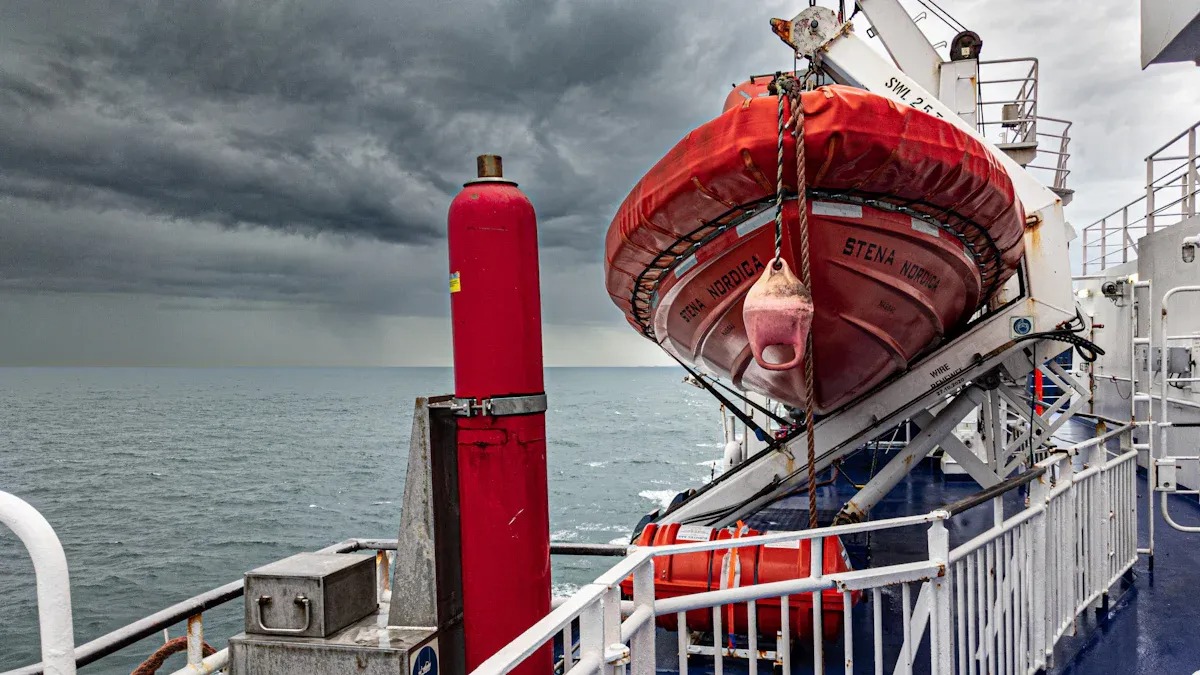
Marine handsets play a crucial role in ensuring safety and efficiency in ship operations. These devices facilitate clear communication between crew members, which is vital during emergencies and routine tasks. Shipyards should prioritize features such as durability, waterproofing, and compatibility with existing systems when selecting a marine communication handset supplier. A reliable ship communication handset enhances coordination and response times, making it an essential tool for effective maritime operations. Additionally, the marine console handset must be user-friendly to ensure seamless operation in high-pressure situations. For those looking for shipyard handset replacement options, it is important to consider models that integrate well with existing marine control console handsets to maintain operational continuity.
Key Takeaways
- Marine handsets are essential for clear communication in ship operations, enhancing safety and efficiency.
- Choose handsets with durability, waterproofing, and noise-cancelling features to ensure reliable performance in harsh conditions.
- Select devices that integrate well with existing systems to minimize installation costs and maintain operational continuity.
- Prioritize user-friendly interfaces and long battery life to support quick communication during emergencies.
- Investing in high-quality marine handsets leads to improved coordination, faster decision-making, and overall operational productivity.
Types of Marine Handsets
Marine handsets come in various types, each designed to meet specific communication needs in maritime environments. Understanding these types helps shipyards select the right equipment for their operations. Here are the primary categories of marine handsets:
- Analog Marine HandsetsAnalog handsets have been a staple in marine communication for many years. They operate using traditional radio waves. These devices offer natural sound quality, but clarity decreases with distance. They are often simpler in design and functionality, making them suitable for basic communication needs.
- Digital Marine HandsetsDigital handsets represent the modern evolution of marine communication. They utilize digital signals to transmit voice and data. These devices provide consistent sound quality, maintaining clarity even over long distances. Digital handsets often include advanced features, such as multi-channel support, making them ideal for professional and secure long-range communication.
To illustrate the differences between analog and digital marine handsets, consider the following table:
| Feature | Analog Radios | Digital Radios |
|---|---|---|
| Sound Quality | Natural sound, clarity decreases with distance | Consistent quality, minimal distortion |
| Signal Quality | Susceptible to static, weakens with distance | Strong signals, maintains clarity until threshold |
| Technical Features | Basic functionality, manual tuning | Advanced features, multi-channel support |
| Applications | Suitable for basic communication | Ideal for professional, secure long-range communication |
| Cost and Maintenance | Lower initial cost, simple design | Higher upfront cost, may require updates |
Choosing the right type of marine handset depends on the specific needs of the shipyard. Factors such as communication range, sound quality, and technical features play a crucial role in this decision-making process.
Key Features of Marine Handsets
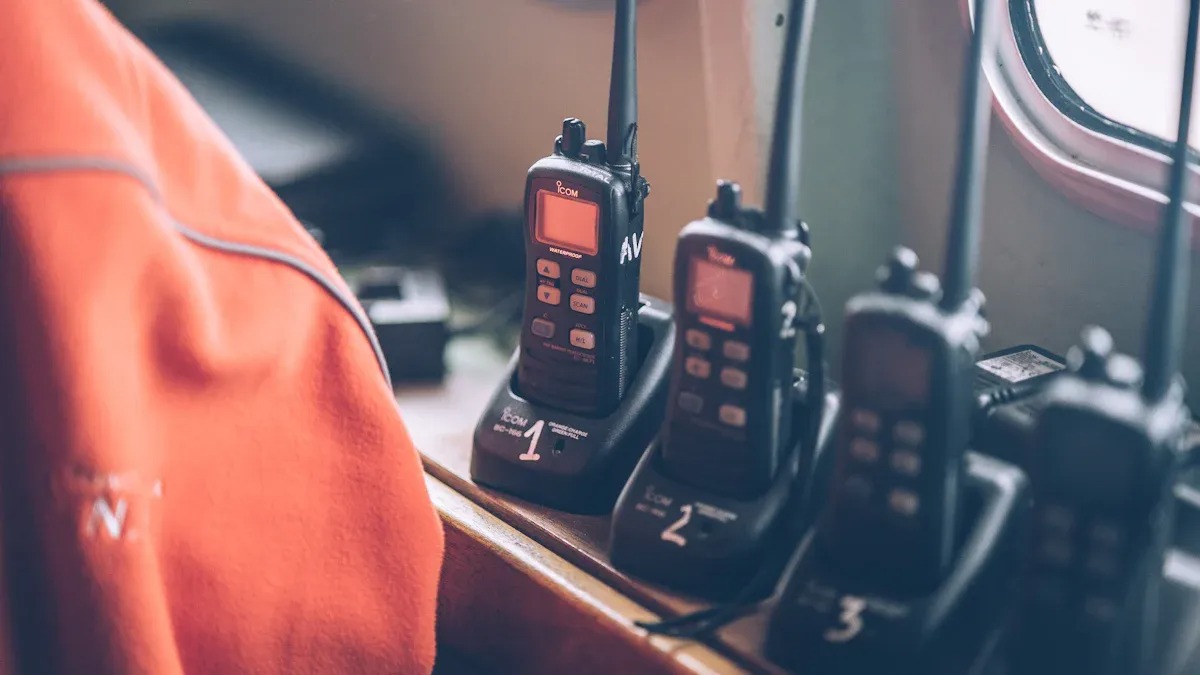
When selecting marine handsets, shipyards should focus on several key features that enhance communication and operational efficiency. These features ensure that crew members can communicate effectively, even in challenging environments. Here are the most important features to consider:
- DurabilityMarine handsets must withstand harsh conditions. They should be resistant to water, dust, and extreme temperatures. A robust design ensures longevity and reliability, reducing the need for frequent replacements.
- Noise-Cancelling TechnologyIn shipyards, wind, wave, and engine noise complicate communication among crew members. Poor communication quality can lead to misunderstandings, increased crew fatigue, and delayed reactions. Noise-cancelling systems enhance communication clarity while protecting hearing. This feature is essential for maintaining safety and efficiency during operations.
- User-Friendly InterfaceA simple and intuitive interface allows crew members to operate handsets quickly. In emergencies, every second counts. Handsets with easy-to-navigate menus and large buttons help ensure that crew members can communicate without confusion.
- Compatibility with Existing SystemsShipyards often use various communication systems. Handsets should integrate seamlessly with these systems. Compatibility reduces installation costs and ensures that crew members can transition smoothly between devices.
- Battery LifeLong battery life is crucial for marine handsets. Crew members may work long shifts without access to charging stations. Handsets with extended battery life minimize downtime and ensure continuous communication.
- Advanced FeaturesMany modern marine handsets come equipped with advanced features such as GPS tracking, emergency alerts, and multi-channel support. These features enhance operational capabilities and improve safety during critical situations.
By prioritizing these features, shipyards can select the right marine communication handset supplier that meets their specific needs. Investing in high-quality handsets leads to better communication, increased safety, and improved operational efficiency.
Safety Benefits of Marine Handsets

Marine handsets significantly enhance safety in ship operations. These devices provide reliable communication, which is crucial during emergencies. Clear communication can prevent accidents and ensure that crew members respond promptly to critical situations. Here are some key safety benefits of marine handsets:
- Regulatory ComplianceMarine handsets must adhere to strict regulatory standards. These standards ensure that electronic devices do not interfere with safety-critical systems. Compliance with electromagnetic compatibility (EMC) standards is essential. Additionally, environmental testing guarantees that handsets can withstand harsh maritime conditions, including vibration, shocks, and saline mist. The type-approval process involves rigorous testing to verify compliance with safety requirements set by classification societies.
- Emergency CommunicationIn emergencies, every second counts. Marine handsets allow crew members to communicate quickly and effectively. They can relay vital information about emergencies, such as fires or equipment failures. This rapid communication can save lives and minimize damage to the vessel.
- Noise ReductionMany marine environments are noisy, making communication challenging. Handsets equipped with noise-cancelling technology help reduce background noise. This feature ensures that crew members can hear each other clearly, even in loud conditions. Improved clarity leads to better understanding and quicker responses.
- Durability and ReliabilityMarine handsets are designed to endure the rigors of maritime life. Their robust construction makes them resistant to water, dust, and extreme temperatures. This durability ensures that handsets remain operational in challenging environments, reducing the risk of communication failures.
- Enhanced CoordinationEffective communication fosters better coordination among crew members. When everyone can communicate clearly, they can work together more efficiently. This teamwork is vital during complex operations, such as docking or navigating through narrow channels.
Enhancing Operational Efficiency
Marine handsets significantly enhance operational efficiency in shipyards. These devices streamline communication, allowing crew members to coordinate tasks effectively. Improved communication leads to faster decision-making and reduced downtime during operations. Here are some key ways marine handsets contribute to efficiency:
- Real-Time CommunicationMarine handsets enable instant communication among crew members. This capability allows teams to address issues as they arise. For example, real-time reporting provides immediate access to site reports and updates. Crew members can respond quickly to problems, facilitating quicker decisions.
- Mobile and Offline CapabilityMany modern marine handsets offer mobile and offline functionality. Technicians can log repairs in remote locations, ensuring data is captured even without connectivity. This feature is crucial for maintaining accurate records and improving workflow.
- Digital Permit to WorkIntegrating essential permits into work orders prevents unauthorized work. This integration enhances safety and ensures that all tasks comply with regulations. By streamlining the permit process, marine handsets help maintain operational flow.
- Heavy Asset TrackingMarine handsets can monitor complex assets, aiding in proactive maintenance. By predicting failures, crews can address issues before they escalate. This capability minimizes disruptions and keeps operations running smoothly.
- Enhanced Resource UtilizationShipyards using advanced marine communication systems report fewer delays due to improved planning and mobile access. Enhanced resource utilization across crews and materials leads to more efficient operations. This efficiency is vital for meeting project deadlines and maintaining productivity.
Buyer’s Checklist for Marine Handsets
Compatibility with Existing Systems
When selecting marine handsets, shipyards must ensure compatibility with existing communication systems. This compatibility minimizes installation costs and facilitates smooth transitions between devices. A marine communication handset supplier should provide detailed specifications to confirm integration capabilities. Shipyards can avoid operational disruptions by verifying that new handsets work seamlessly with current systems.
Delivery Timelines and Support
Timely delivery of marine handsets is crucial for maintaining operational schedules. Shipyards should inquire about delivery timelines from suppliers. The following table outlines typical delivery methods and their respective timelines:
| Delivery Method | Timeline |
|---|---|
| Same-day shipping | Starts within hours if ordered before 2 PM EST |
| Overnight shipping | Delivered within 24 hours, often by next business morning |
In addition to delivery, after-sales support is essential. Shipyards should evaluate the support services offered by manufacturers. Here are two notable suppliers and their support descriptions:
- Marine Technical Services (MTS):
- Personalized service
- Installation and setup
- Post-sales support
- Factory trained and certified technicians
- Comprehensive support from beginning to end
- Hostmost Group:
- Extensive global coverage
- 24/7 support
- Focus on safety and quality
- Over 30 years of experience
- High first-time fix rates
- Continuous staff training
Spare Parts and Maintenance Strategy
A robust maintenance strategy prolongs the lifespan of marine handsets. Shipyards should consider the following maintenance strategies:
| Maintenance Strategy | Description |
|---|---|
| Regular Inspections | Conduct routine checks for wear, damage, or corrosion to catch problems early. |
| Protective Coverings | Use special coatings or barriers to guard against physical damage and harsh conditions. |
| Correct Installation | Ensure cables are properly routed and secured to prevent electrical issues. |
| Environmental Control | Use dehumidifiers and maintain cleanliness to protect sensitive components. |
| Routine Maintenance | Include cleaning, testing, and repairs to keep systems in top condition. |
| High-Quality Materials | Choose cables and connectors that resist harsh environments to extend lifespan. |
Implementing these strategies helps maintain communication systems in optimal condition, ensuring reliability during critical operations.
Selecting a Marine Communication Handset Supplier
Choosing the right marine communication handset supplier is crucial for shipyards. Several factors influence this decision. Shipyards must evaluate suppliers based on their ability to meet specific operational needs. Here are key factors to consider:
| Factor | Description |
|---|---|
| Environmental Challenges | Shipboard systems face extreme conditions such as heat, cold, and corrosive salt spray. |
| Phase Stability | Coaxial cables must maintain phase matching over varying temperatures to ensure system performance. |
| Signal Integrity | Requirements include signal-to-noise ratio, low loss, and shielding to prevent external interference. |
Shipyards should also assess the supplier’s reputation and experience in the industry. A supplier with a proven track record can provide valuable insights and support. Additionally, consider the range of products offered. A diverse selection allows shipyards to find handsets that fit their specific requirements.
Another important aspect is the level of customer support provided. Suppliers should offer comprehensive after-sales support, including installation and maintenance services. This support ensures that shipyards can address any issues quickly and efficiently.
Finally, shipyards should evaluate the supplier’s compliance with international standards. Suppliers that meet certifications such as ATEX, CE, and ISO9001 demonstrate their commitment to quality and safety. This compliance is essential for ensuring that marine communication systems operate reliably in demanding environments.
By carefully considering these factors, shipyards can select a marine communication handset supplier that meets their needs and enhances operational efficiency.
Selecting the right marine handsets is crucial for enhancing safety and efficiency in ship operations. These devices facilitate effective communication by integrating various channels into a single platform. This integration allows crew members to coordinate seamlessly, reducing miscommunication and speeding up decision-making in shipyards.
Shipyards should prioritize specifications during procurement. Investing in high-quality handsets leads to improved operational productivity and safety. By focusing on the right features, shipyards can ensure reliable communication, ultimately benefiting their overall operations.
FAQ
What are marine handsets used for?
Marine handsets facilitate communication among crew members on ships. They ensure clear and reliable communication during routine operations and emergencies, enhancing safety and efficiency.
How do I choose the right marine handset?
Select a marine handset based on durability, compatibility with existing systems, battery life, and advanced features. Consider the specific communication needs of your shipyard.
Are marine handsets waterproof?
Yes, many marine handsets are designed to be waterproof and resistant to harsh environmental conditions. Look for devices with high IP ratings to ensure durability in maritime settings.
What maintenance is required for marine handsets?
Regular inspections, protective coverings, and routine cleaning help maintain marine handsets. Ensure proper installation and environmental control to prolong their lifespan.
How can I ensure compliance with regulations?
Choose marine handsets that meet international standards such as ATEX, CE, and ISO9001. Verify that the supplier provides documentation confirming compliance with safety and quality requirements.
Post time: Feb-04-2026