
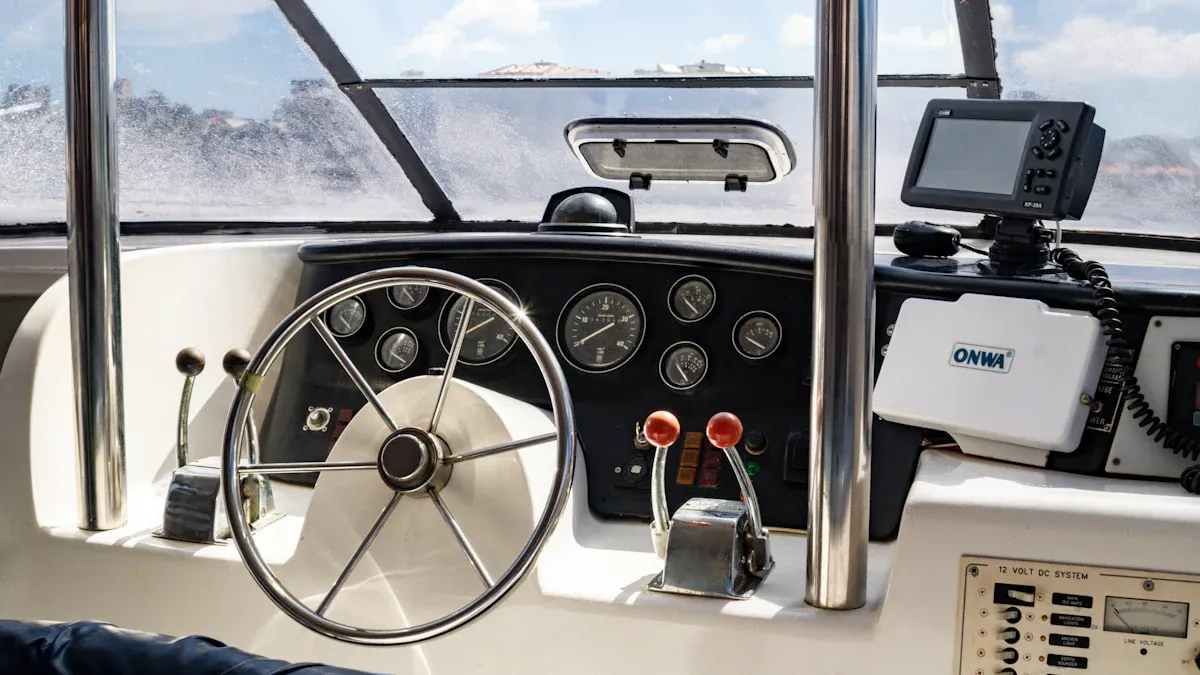
Marine console systems demand robust communication solutions. An IP67 waterproof handset is absolutely essential for these environments. These devices provide critical durability and reliability, withstanding extreme maritime conditions. Uninterrupted communication and operational safety are paramount. Communication system downtime in maritime operations can lead to significant financial implications, making robust systems vital. A reliable Engine Control Console handset and a functional Push to Talk handset for vessels prevent such costly disruptions. Investing in quality Weatherproof Telephones ensures continuous operation.
Key Takeaways
- IP67 weatherproof handsets are vital for marine console systems. They protect against dust and water immersion. This ensures reliable communication at sea.
- These handsets enhance safety and efficiency on vessels. They allow clear communication during emergencies and daily operations. This reduces risks and improves task coordination.
- IP67 handsets offer long-term benefits. Their durability reduces the need for frequent replacements. This saves money on repairs and maintenance.
- Marine handsets must meet strict international standards. These include IEC, IMO, and SOLAS. Compliance ensures safety and proper function with other vessel systems.
- Proper installation and regular maintenance are important. They ensure optimal performance and extend the life of IP67 handsets. This keeps communication systems reliable.
Understanding IP67: The Foundation for Durable Weatherproof Telephones
Decoding the IP Rating: Ingress Protection Explained
The IP rating system provides a clear standard for a device’s resistance to solids and liquids. IP stands for Ingress Protection. This rating consists of two digits. The first digit indicates protection against solid particles, while the second digit specifies protection against liquids. For marine environments, an IP67 rating is crucial.
The ’6′ in IP67 signifies complete protection against dust. This means the device is dust-tight, preventing any ingress of dust particles. An IP67 enclosure offers maximum defense against solid objects and airborne particles, corresponding to level 6. This level also protects against contact with objects larger than 1mm in diameter, such as wires or small tools.
The ’7′ in an IP67 rating indicates robust liquid protection. A device with this rating can withstand immersion in water up to 1 meter deep for 30 minutes. This test specifically assesses a device’s ability to handle the static pressure of being submerged. It differs from tests for dynamic forces like powerful water jets. This level of protection ensures the device remains functional even after temporary submersion.
Beyond Water: Protection Against Salt, Humidity, and Vibration
Marine environments present challenges beyond simple water immersion. Salt, humidity, and constant vibration also threaten electronic equipment. Effective Weatherproof Telephones must withstand these harsh conditions. Salt spray causes corrosion, degrading materials and compromising electrical connections. High humidity can lead to condensation and internal component damage. Continuous vibration from vessel engines and movement can loosen connections and cause structural fatigue.
Manufacturers employ various tests to ensure durability against these factors. Cyclic Corrosion Testing (CCT) combines salt spray with drying and humidity cycles, simulating real-world marine exposure. Other common tests include the Neutral Salt Spray Test (NSS), which uses a sodium chloride mist, and the Acetic Acid Salt Spray Test (ASS), suitable for aluminum and zinc coatings. The Copper Accelerated Acetic Acid Salt Spray Test (CASS) offers a more aggressive evaluation for highly corrosion-resistant coatings. Additionally, standards like IEC 60068-2-11 specifically address salt mist testing for electronic products. These rigorous tests ensure marine communication devices maintain reliability and longevity in demanding sea conditions.
The Indispensable Role of IP67 Handsets in Marine Console Systems
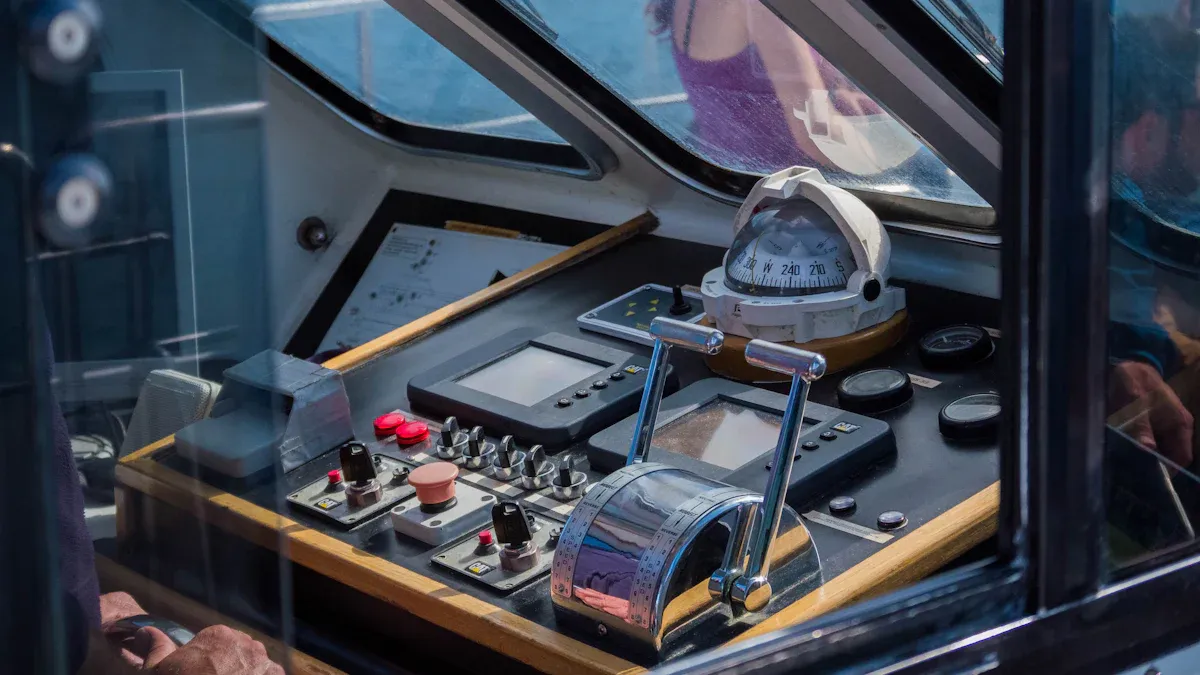
IP67 handsets play a crucial role in marine console systems. They provide reliable communication in challenging environments. These devices enhance safety and improve operational efficiency. Their robust design also contributes to longevity and reduces maintenance costs.
Ensuring Critical Communication in Harsh Conditions
Marine environments demand unwavering communication. IP67 handsets deliver this reliability. They withstand extreme conditions, ensuring clear voice transmission even amidst noise and spray. Reliable onboard communication systems act as ‘lifelines’. They connect crews, coordinate logistics, and manage emergencies in real-time. Their effectiveness directly influences the speed and coordination of crew responses during incidents.
Communication failures can have severe consequences. For example, unclear VHF communications and delayed response times contributed to 60% of communication failures during the Stena Feronia Collision. This led to a failure in taking timely and effective collision avoidance measures. Similarly, inadequate bridge team communication and a failure to convey critical information resulted in inappropriate responses during the Hamburg Grounding Incident. Communication problems constituted roughly 45% of contributing factors in that event. In both incidents, teamwork issues stemming from communication problems led to slow responses to emergencies and inappropriate decision-making. Ineffective VHF communication, delayed responses to warning signals, and a lack of concise risk warnings directly impacted the speed and effectiveness of crew actions. IP67 handsets prevent such critical communication breakdowns. They ensure crews can always communicate effectively, even when facing the most adverse weather or operational challenges.
Enhancing Safety and Operational Efficiency
IP67 handsets significantly enhance safety on vessels. They provide a direct and reliable link for emergency communications. Crew members can quickly report incidents, request assistance, or coordinate evacuation procedures. This immediate communication capability reduces response times during critical situations. It minimizes risks to personnel and assets. For example, a crew member can instantly alert the bridge about a fire or a man overboard situation. This rapid notification allows for swift action.
Beyond emergencies, these handsets boost operational efficiency. They facilitate seamless coordination among different departments on a vessel. Deck crews, engine room personnel, and bridge officers can communicate clearly and consistently. This improves task execution and decision-making. For instance, precise communication during docking maneuvers or cargo operations prevents errors and speeds up processes. The robust nature of IP67 devices means they remain functional through daily wear and tear. This ensures continuous operational flow without communication interruptions.
Longevity and Reduced Maintenance Costs
Investing in IP67 weatherproof handsets offers long-term benefits. Their superior durability translates directly into extended product life. These devices resist damage from water, dust, salt, and vibrations. This inherent toughness means they do not require frequent replacements. Vessels experience fewer communication system failures. This reduces the need for costly repairs and maintenance.
Traditional, non-rugged handsets often fail prematurely in marine settings. Exposure to the elements quickly degrades their components. This leads to higher total cost of ownership due to constant repair or replacement cycles. IP67 handsets, however, withstand these harsh conditions for years. This reliability minimizes downtime for communication systems. It also frees up maintenance budgets for other critical vessel needs. Companies like Joiwo, with their focus on in-house manufacturing and adherence to international standards like ISO9001, ensure the quality and stability of their products. This commitment to quality directly contributes to the longevity and reduced maintenance costs of their weatherproof telephones.
Key Features and Compliance for 2026 Marine Weatherproof Telephones
Essential Features of a High-Quality IP67 Marine Handset
A high-quality IP67 marine handset offers specific features crucial for reliable operation at sea. Its design prioritizes durability and functionality in harsh environments. Manufacturers build these handsets with robust, impact-resistant casings. They often use marine-grade plastics or reinforced rubber to withstand drops and impacts. The keypad features large, tactile buttons. This allows for easy operation even when users wear gloves or face challenging conditions. Backlighting on the keypad and display ensures visibility in low-light situations.
Audio clarity remains paramount. High-quality handsets incorporate noise-canceling microphones and powerful speakers. These components ensure clear communication despite engine noise, wind, or waves. A secure, comfortable grip prevents accidental drops. Many models include a coiled cord that resists tangling and stretching. Long battery life is another critical feature. It ensures the handset remains operational during extended shifts or emergencies. Furthermore, these devices often support various connectivity options, including wired and wireless interfaces, for seamless integration into existing systems.
Navigating Marine Compliance Standards (e.g., IEC, IMO, SOLAS)
Marine communication equipment must meet stringent international compliance standards. These standards ensure safety, reliability, and interoperability across the global maritime industry. Key organizations like the International Electrotechnical Commission (IEC) and the International Maritime Organization (IMO) establish these regulations. The Safety of Life at Sea (SOLAS) convention also sets critical requirements for vessels.
IEC 60945 outlines specific performance and testing standards for marine navigation and radiocommunication equipment. Devices must demonstrate strong electromagnetic compatibility (EMC). This ensures they function correctly near other electronics without excessive electromagnetic interference. Equipment also needs durability in a maritime environment. It must withstand extreme temperatures, high humidity, vessel movement and vibration, and high salt levels. Operation and usability are also important. Devices must be readable in various lighting conditions and meet specific requirements for safe marine operation. Power supply compliance requires tolerance to common shipboard issues, such as transient surges and voltage variations. Finally, safety remains a core concern. Devices must meet minimum safety standards, including those for electromagnetic radiation, thermal safety, hazardous materials emissions, electrical grounding, and fail-safe software design.
SOLAS Chapter IV specifically regulates communication equipment on commercial vessels. Recent revisions, applicable from January 1, 2024, have updated several requirements. For instance, HF direct-printing telegraphy (NBDP) is no longer mandatory for distress communications in sea areas A3/A4. NAVTEX, EGC, and HF NBDP receivers are also no longer mandatory. However, ships must still have receivers for Maritime Safety Information (MSI) and search and rescue related information throughout their voyage. Requirements for two-way VHF radiotelephone apparatus and SARTs have moved from SOLAS Chapter III to Chapter IV. The definition of Sea Area A3 now depends on the ship’s recognized mobile satellite service (RMSS) ship earth station (SES). VHF emergency position indicating radio beacons (EPIRBs) are no longer acceptable for GMDSS purposes. New performance standards for radio installations were introduced in Regulation IV/14 for equipment installed after January 1, 2024, with a delayed implementation until January 1, 2028, due to supply chain issues. Adhering to these standards ensures the safety and operational readiness of all marine communication systems, including Weatherproof Telephones.
Seamless Integration with Modern Marine Console Systems
Modern marine console systems demand seamless integration with communication devices. This ensures efficient data flow and centralized control. Standardized communication protocols play a vital role in achieving this. They allow devices from different manufacturers to communicate without interference. This leads to improved safety and reduced repair costs. The integration process also becomes easier. A single ‘backbone’ wire replaces numerous individual wires, leading to better organization.
Today’s industry standard is NMEA 2000 (N2K). This plug-and-play networking system allows for quick and easy installation of new equipment. N2K uses a compact binary message format. It supports a disciplined multiple-talker, multiple-listener data network. This allows several units to simultaneously transmit and receive data through a single, standardized cable. All N2K-compliant gear can communicate with each other. Boat owners can purchase and install equipment based on options and functionality they prefer, rather than manufacturer compatibility. N2K equipment exchanges information around 52 times faster than NMEA 0183, processing 250,000 bits per second versus 4,800 bits per second. N2K is a bi-directional multitransmitter/multi-receiver instrument network. It uses a single wire or “backbone” cable running the length of the vessel to interconnect electronic equipment. All electronics plug into the backbone cable using a standardized waterproof connector. This greatly simplifies future installations and system expansion. It also makes removing damaged equipment for repair or connecting a laptop for troubleshooting easier. N2K provides a robust installation infrastructure. It is neater, more efficient, and less costly to set up, maintain, and upgrade. This modular nature allows for flexible upgrades, replacing devices one at a time.
Selecting the Right IP67 Weatherproof Handset for Your Vessel
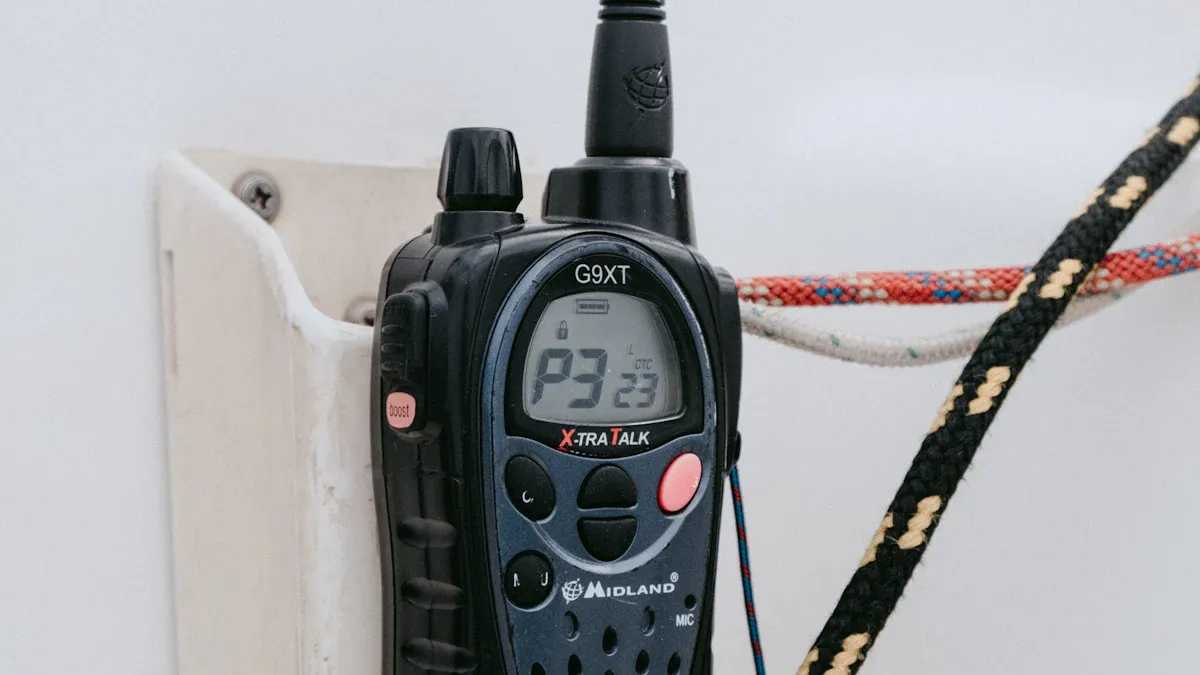
Choosing the correct IP67 weatherproof handset requires careful consideration. Vessel operators must align the handset’s capabilities with the specific demands of their marine environment and operational needs. This ensures optimal performance and longevity.
Assessing Your Specific Marine Environment and Needs
Vessel operators must first evaluate their unique marine environment. Different operational areas present distinct challenges. For instance, vessels operating in polar regions face extreme conditions. These include unpredictable weather, Arctic cyclones, and rapid sea ice drift. Icy waters remain highly unpredictable. Out-of-date nautical charts pose a risk due to changing bottom topography from melting glaciers. Climate change causes difficulty in predicting and mitigating hazardous weather events. Fog, sea-spray icing, atmospheric rivers, and unusual storms are common. Extreme weather effects challenge ships sailing in northern waters. The Arctic experiences a growing number of extreme events and weather variability, affecting ship stability and maneuverability. Polar lows, extreme marine storms, are recorded more often, creating strong winds and rogue waves. Atmospheric rivers, long and concentrated water vapors, significantly reduce sea ice recovery and impact navigation. Handsets for such environments need enhanced cold resistance and robust impact protection. Conversely, tropical operations might prioritize heat resistance and UV stability.
Evaluating Durability, Ergonomics, and Connectivity Options
Durability extends beyond the IP67 rating. Operators should examine the handset’s construction materials. Marine-grade plastics and reinforced rubber offer superior impact resistance. The keypad design is also important. Large, tactile buttons allow for easy operation, even with gloved hands. Backlighting ensures visibility in all lighting conditions. Ergonomics play a crucial role in user comfort and efficiency. A secure, comfortable grip prevents accidental drops. A coiled cord resists tangling. Connectivity options are equally vital. Handsets should support wired connections for stability and wireless options for flexibility. Compatibility with NMEA 2000 or other vessel communication protocols ensures seamless integration.
Considering Future-Proofing and Scalability for Marine Telephones
Investing in marine telephones means looking ahead. Operators should select handsets that can adapt to evolving technology. This involves choosing devices with modular designs or software-upgradable features. Scalability is also a key factor. The communication system should easily expand to accommodate new equipment or increased vessel size. This prevents costly overhauls later. Choosing a system that supports open standards facilitates integration with future technologies. This ensures the Weatherproof Telephones remain relevant and effective for years to come.
Installation and Maintenance Best Practices for IP67 Handsets
Proper Installation Techniques for Optimal Performance
Correct installation ensures IP67 handsets perform reliably. Installers should mount the handset in an easily accessible location within the console. They must secure all mounting hardware tightly to prevent vibration-induced loosening. Proper cable management is crucial. Route cables away from heat sources, sharp edges, and areas of high traffic. Use marine-grade cable ties and conduits to protect wiring from physical damage and environmental exposure. Ensure all connections are watertight and sealed according to manufacturer specifications. This prevents water ingress at connection points, maintaining the IP67 integrity of the overall system.
Routine Maintenance and Inspection for Longevity
Regular maintenance extends the lifespan of IP67 handsets. Users should clean the handset regularly with fresh water to remove salt residue and dirt. They must inspect seals and connectors for any signs of wear, cracks, or corrosion. VHF handheld radios should be checked monthly, though this becomes impractical if the transceiver is of a sealed type. For general marine wiring:
- Inspect waterproofed marine wiring at least once a year or before each boating season.
- Conduct visual inspections after exposure to harsh weather conditions or saltwater.
Replace any damaged components promptly to prevent further issues. This proactive approach ensures the continued reliability of Weatherproof Telephones.
Troubleshooting Common Issues with Marine Weatherproof Telephones
Even robust IP67 handsets can encounter issues. If a handset has no audio, first check the volume settings and cable connections. A loose or corroded connection often causes intermittent sound. For power-related problems, verify the power supply and fuse. Ensure the handset receives adequate voltage. If connectivity issues arise, inspect the network cables and ensure proper integration with the marine console system. Consult the manufacturer’s manual for specific diagnostic steps. Many common problems have simple solutions, preventing unnecessary replacements.
The Future of Weatherproof Telephones in Marine Consoles
Emerging Technologies and Enhanced Durability
The future of marine communication promises even greater resilience and functionality. Manufacturers continuously innovate, pushing the boundaries of material science. They now utilize advanced corrosion-resistant alloys. These materials withstand aggressive substances like chemicals, saltwater, and extreme temperatures. This extends the lifespan of critical components. For example, stainless steel resists rust due to its chromium content. Alloying elements like nickel and molybdenum further enhance its resistance to pitting. Nickel-based superalloys, such as Inconel, offer exceptional strength and stability in highly corrosive environments. Titanium alloys provide lightweight durability with excellent corrosion resistance. These advancements ensure Weatherproof Telephones can endure increasingly harsh conditions. Beyond materials, integrated smart sensors will monitor device health. This allows for predictive maintenance, preventing failures before they occur. Enhanced wireless protocols will also offer faster, more reliable connections across the vessel.
Sustainability and Environmental Considerations
The maritime industry increasingly focuses on environmental responsibility. This trend extends to the design and manufacturing of marine electronics. Future Weatherproof Telephones will prioritize sustainability. Manufacturers will use eco-friendly materials. They will also adopt production processes that minimize waste and energy consumption. Devices will feature longer lifespans, reducing the need for frequent replacements. This decreases electronic waste. Energy efficiency will also become a key design factor. Handsets will consume less power, extending battery life and reducing the vessel’s overall energy footprint. Companies will also consider the entire product lifecycle. This includes responsible sourcing of materials and end-of-life recycling programs. These efforts contribute to a greener, more sustainable maritime future.
Investing in IP67 weatherproof handsets represents a fundamental requirement for any modern vessel. These robust devices are critical for ensuring reliable communication, enhancing safety, and promoting operational longevity within marine console systems. They provide essential protection against the harsh maritime environment. Prioritizing durable and compliant communication equipment effectively safeguards both crew and valuable assets in 2026 and beyond. This commitment ensures continuous, secure operations at sea.
FAQ
What does IP67 mean for a marine handset?
IP67 signifies robust protection. The ’6′ means it is dust-tight, preventing any dust ingress. The ’7′ indicates it withstands immersion in water up to 1 meter deep for 30 minutes. This ensures durability in harsh marine environments.
Why are IP67 handsets essential for marine console systems?
IP67 handsets provide critical reliability for marine console systems. They ensure uninterrupted communication and operational safety. These devices withstand extreme conditions like salt, humidity, and vibration. This prevents costly communication breakdowns at sea.
How do marine compliance standards affect handset selection?
Marine compliance standards like IEC, IMO, and SOLAS ensure safety and interoperability. They dictate performance requirements for equipment. Selecting a compliant handset guarantees it meets industry benchmarks. This ensures reliable operation and integration with other vessel systems.
Can IP67 handsets integrate with modern marine console systems?
Yes, IP67 handsets integrate seamlessly with modern marine console systems. They often support standardized communication protocols like NMEA 2000. This allows for efficient data flow and centralized control. Such integration simplifies installation and future upgrades.
What maintenance do IP67 marine handsets require?
IP67 marine handsets require routine cleaning with fresh water. Users should inspect seals and connectors for wear or corrosion. Promptly replace any damaged components. This proactive maintenance ensures longevity and continued reliable performance.
Post time: Jan-19-2026