

Safety remains paramount in oil and gas communication. The industry ranks as the seventh safest based on recordable incidents, with a significant reduction in fatal injuries reported. Compliance with hazardous area telephone standards, including ATEX and IECEx certification, directly contributes to this safety by ensuring equipment, such as explosionproof telephones, operates reliably in hazardous environments. These standards prevent ignition sources, fostering trust with customers and enhancing operational efficiency. By integrating advanced technologies like ATEX telephones and intrinsically safe communication systems, companies can further improve safety measures and communication capabilities.
Key Takeaways
- ATEX and IECEx certifications ensure safety in hazardous environments, minimizing the risk of explosions and protecting personnel.
- Companies must follow specific steps to obtain ATEX and IECEx certifications, including hazard classification and quality assurance.
- Investing in certified communication equipment enhances operational efficiency and fosters trust with clients and partners.
- Non-compliance with hazardous area standards can lead to severe penalties, including fines and reputational damage.
- Choosing the right certification depends on operational needs, geographical scope, and safety requirements.
Understanding ATEX Certification
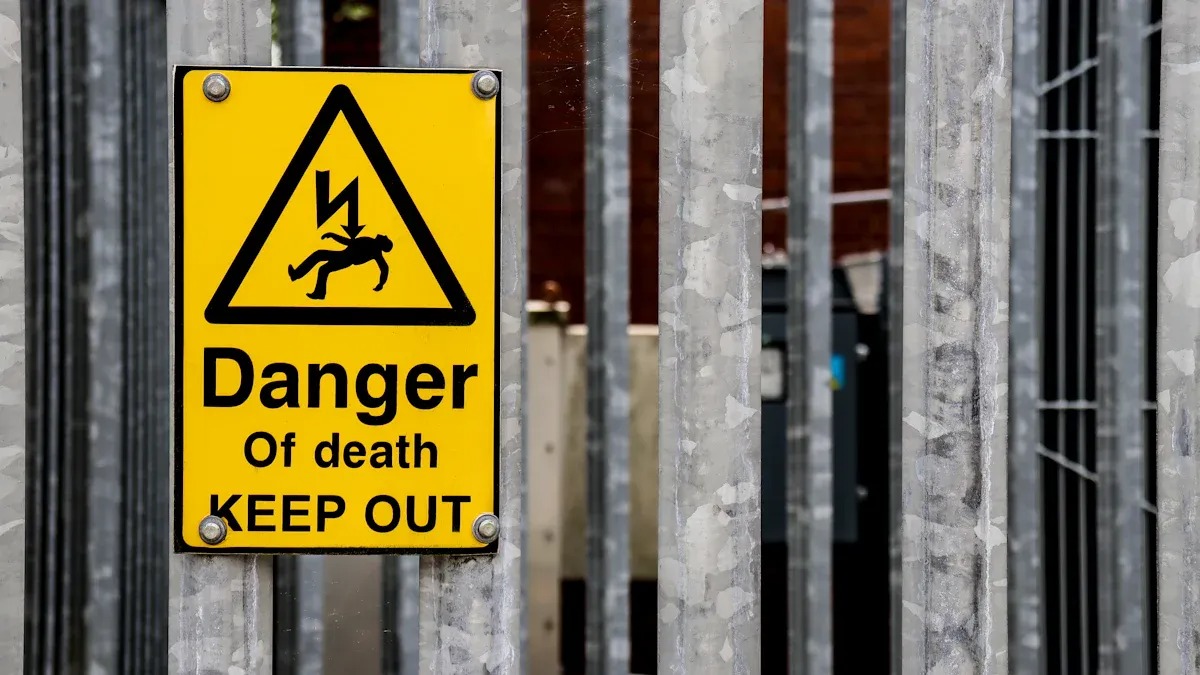
ATEX certification plays a crucial role in ensuring safety in hazardous environments, particularly in the oil and gas industry. This certification confirms that equipment meets stringent safety standards, minimizing the risk of explosions caused by flammable substances. Understanding the requirements for ATEX certification is essential for any organization operating in these high-risk areas.
To obtain ATEX certification for communication equipment, companies must follow several key steps:
- Hazardous Area Classification: Identify and classify areas based on the presence of flammable substances.
- Determine Equipment Group and Category: Sort equipment into the correct group and category for compliance.
- Implementation of EU-Type Examination: Submit equipment for conformity assessment by a notified body.
- Quality Assurance or Production Quality: Ensure manufacturing processes meet high standards through quality assurance notifications.
- Technical Documentation Compilation: Compile a technical file demonstrating compliance with ATEX directives.
- Declaration of Conformity and CE Marking: Self-declare conformity and attach the CE mark with the Ex symbol.
- Maintaining Compliance: Monitor equipment post-certification to ensure ongoing adherence to ATEX directives.
ATEX certification addresses various hazards present in oil and gas facilities, including:
- Flammable dust, gas, mist, or vapor
- Size of potential releases
- Pressure and temperature considerations
- Ventilation issues
- Size of the hazardous area
- Other potentially explosive materials
The classification of hazardous areas under ATEX is divided into specific zones, each defined by the likelihood of explosive atmospheres. The following table outlines these zones:
| Zone | Definition | Typical Environment |
|---|---|---|
| Zone 0 | Constant or long-term presence of explosive gases | Inside fuel tanks, reactor vessels |
| Zone 1 | Likely presence of explosive gases during normal operation | Around pump seals, process valves |
| Zone 2 | Rare presence of explosive gases, only for short periods | Ventilation ducts, storage areas |
Non-compliance with ATEX certification can lead to severe consequences. Companies may face hefty fines, legal action, and reputational damage. The penalties can vary significantly, as illustrated below:
| Type of Penalty | Description |
|---|---|
| Fines | Range from €50,000 to €10 million depending on the severity of non-compliance. |
| Operational Shutdowns | Costs incurred from halting operations due to non-compliance. |
| Equipment Replacement | Financial burden from replacing non-compliant equipment. |
Understanding IECEx Certification
IECEx certification serves as a vital assurance for equipment used in hazardous environments, particularly in the oil and gas industry. This certification confirms that communication devices meet international safety standards, specifically the IEC 60079 series. These standards are essential for the safe design, testing, and marking of electrical and mechanical products exposed to flammable gases, vapors, or dust.
To obtain IECEx certification for communication equipment, manufacturers must follow a structured process:
- Application: Manufacturers submit an application to an IECEx Certification Body.
- Evaluation: The Certification Body evaluates the equipment against international standards.
- Factory Inspection: An on-site assessment of the manufacturer’s facilities is conducted.
- Certification: If all requirements are met, an IECEx Certificate of Conformity is issued.
This certification process ensures that equipment not only meets safety standards but also maintains consistent manufacturing practices. Manufacturers receive several critical documents during this process, including:
- A Test Report (ExTR) verifying compliance with technical standards.
- A Quality Assessment Report (QAR) ensuring consistent manufacturing practices.
- A Certificate of Conformity (CoC) issued by an accredited IECEx Certification Body (ExCB).
The IECEx certification process emphasizes the importance of safety in environments where explosive atmospheres may exist. By adhering to these rigorous standards, companies can significantly reduce the risk of accidents and enhance operational efficiency.
In the oil and gas sector, where communication is crucial, IECEx certification provides peace of mind. It assures stakeholders that the equipment used for communication, such as explosion-proof telephones, meets the highest safety standards. This commitment to safety not only protects employees but also fosters trust with clients and partners.
Comparing ATEX and IECEx
When evaluating ATEX and IECEx certifications, organizations must consider several key factors. Both certifications aim to ensure safety in hazardous environments, but they differ in scope, application, and recognition.
Key Differences
- Geographical Scope:
- ATEX primarily applies within the European Union. It aligns with EU directives and regulations.
- IECEx has a global reach. It provides an internationally recognized framework for equipment used in explosive atmospheres.
- Certification Process:
- ATEX requires compliance with specific EU directives. Manufacturers must undergo a rigorous evaluation process by a notified body.
- IECEx involves a more streamlined process. Manufacturers submit their equipment to an IECEx Certification Body for assessment.
- Documentation:
- ATEX certification includes a Declaration of Conformity and CE marking.
- IECEx certification provides a Test Report (ExTR) and a Certificate of Conformity (CoC).
Similarities
Despite their differences, ATEX and IECEx share common goals:
- Safety Assurance: Both certifications ensure that equipment meets stringent safety standards, minimizing the risk of explosions.
- Hazardous Area Classification: Each certification requires a thorough understanding of hazardous area classifications, ensuring proper equipment selection.
Summary Table
| Aspect | ATEX | IECEx |
|---|---|---|
| Scope | EU only | Global |
| Certification Process | Notified body evaluation | IECEx Certification Body |
| Documentation | Declaration of Conformity | Test Report (ExTR) |
| Focus | EU directives | International standards |
Implications for Communication Equipment
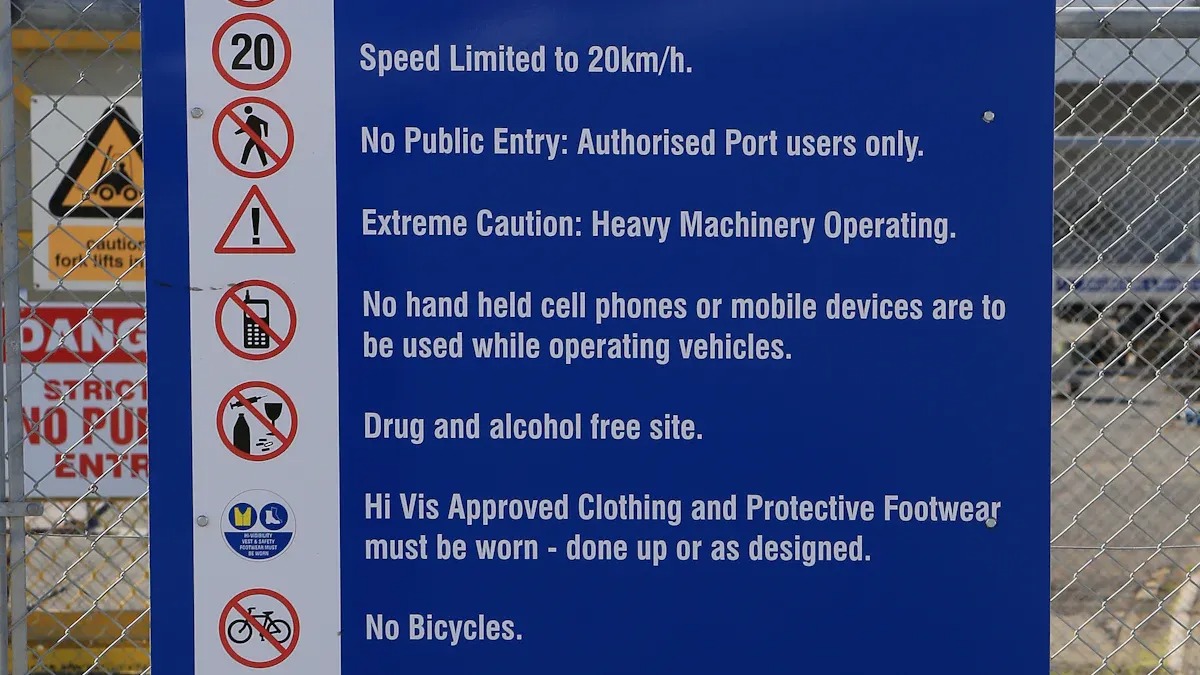
The implications of ATEX and IECEx certifications for communication equipment in the oil and gas industry are significant. These certifications ensure that equipment operates safely in hazardous environments. Companies must prioritize the selection of communication devices that comply with hazardous area telephone standards. This compliance not only protects employees but also enhances operational efficiency.
When choosing communication equipment, organizations should consider several factors:
- Safety Features: Equipment must include intrinsic safety measures. These features prevent ignition sources in explosive atmospheres.
- Durability: Communication devices should withstand harsh environmental conditions. Equipment must resist corrosion, moisture, and extreme temperatures.
- Ease of Use: User-friendly interfaces enhance communication during emergencies. Simple designs allow quick access to critical functions.
- Integration Capabilities: Equipment should integrate seamlessly with existing systems. This compatibility ensures smooth communication across various platforms.
Investing in certified communication equipment yields numerous benefits. First, it minimizes the risk of accidents, safeguarding personnel and assets. Second, it fosters trust among stakeholders. Clients and partners appreciate a commitment to safety and compliance. Third, it enhances operational efficiency. Reliable communication systems streamline processes and reduce downtime.
Organizations that neglect to adhere to hazardous area telephone standards face serious consequences. Non-compliance can lead to accidents, legal penalties, and reputational damage. Therefore, companies must prioritize the acquisition of certified communication equipment. By doing so, they not only comply with regulations but also create a safer working environment.
Hazardous Area Telephone Standards
Hazardous area telephone standards play a crucial role in ensuring safety in environments where flammable gases, vapors, or dust may be present. These standards dictate the design, testing, and use of communication equipment in such areas. Compliance with these standards not only protects personnel but also enhances operational efficiency.
In Europe, the ATEX standard governs hazardous areas. This regulation ensures that equipment meets strict safety requirements. In contrast, the United States follows the National Electrical Code (NEC), which outlines safety measures for electrical installations. Additionally, the IECEx standard serves as an international guideline accepted in various member countries. The main distinction lies in the geographical acceptance of these standards, which can impact equipment selection and compliance strategies.
Organizations must prioritize the selection of communication devices that adhere to hazardous area telephone standards. Key considerations include:
- Intrinsic Safety: Equipment must prevent ignition sources in explosive atmospheres.
- Durability: Devices should withstand harsh environmental conditions, including moisture and extreme temperatures.
- User-Friendliness: Simple interfaces enhance communication during emergencies, allowing quick access to critical functions.
Investing in compliant communication equipment yields significant benefits. It minimizes the risk of accidents, fosters trust among stakeholders, and enhances overall operational efficiency. Companies that neglect these standards risk severe consequences, including legal penalties and reputational damage. Therefore, prioritizing hazardous area telephone standards is essential for any organization operating in high-risk environments.
By ensuring that communication systems meet these rigorous standards, companies can create a safer working environment. This commitment to safety not only protects employees but also builds confidence with clients and partners.
Choosing the Right Certification for Your Facility
Selecting the appropriate certification for communication equipment in oil and gas facilities is crucial. Organizations must consider several factors to ensure safety and compliance. Here are key aspects to evaluate:
- Intended Purpose of the Application: Understanding the specific application helps in selecting equipment that minimizes risks and meets safety standards.
- Quality of Components: High-quality components are essential for reliability and safety in hazardous environments.
- Durability: Equipment must withstand harsh operating conditions to ensure long-term reliability and safety.
- Cost Considerations: Evaluating the total cost, including installation and maintenance, is vital for making informed investment decisions.
When deciding between ATEX and IECEx certifications, operational needs play a significant role. Here are some considerations:
- Global and Regional Compliance: IECEx is recognized internationally, making it ideal for operations outside Europe. ATEX is crucial for compliance within the EU.
- Safety in Hazardous Environments: Both certifications ensure that communication devices do not create sparks or excessive heat, which is vital in explosive atmospheres.
- Adaptability to Conditions: Devices certified under either standard can function in extreme temperatures, ensuring reliability in various operational environments.
To further illustrate the implications of choosing between ATEX and IECEx certified communication equipment, consider the following table:
| Aspect | ATEX Certification | IECEx Certification |
|---|---|---|
| Compliance | EU safety regulations | International standard |
| Maintenance Implications | Unqualified repairs can invalidate certification | Unqualified repairs can invalidate certification |
| Operational Safety | Ensures safe communication in explosive atmospheres | Ensures safe communication in explosive atmospheres |
| Equipment Durability | Can operate in extreme conditions | Can operate in extreme conditions |
By carefully evaluating these factors, organizations can select the right certification that aligns with their operational needs and enhances safety. This decision not only protects personnel but also fosters trust with clients and partners, ultimately leading to improved operational efficiency.
In summary, both ATEX and IECEx certifications play vital roles in ensuring safety in hazardous environments. While ATEX is mandatory within the EU, IECEx offers global recognition. Both certifications focus on preventing ignition sources and ensuring equipment operates safely in explosive atmospheres.
Selecting the right certification is crucial for organizations. It standardizes safety protocols, increases transparency, and streamlines reporting. Companies must prioritize compliance to enhance safety and foster trust with clients.
Ultimately, investing in certified communication equipment not only protects personnel but also boosts operational efficiency. By adhering to these standards, organizations can create safer work environments and reduce the risk of incidents.
FAQ
What is the main purpose of ATEX certification?
ATEX certification ensures that equipment operates safely in explosive atmospheres. It minimizes the risk of ignition from electrical devices, protecting personnel and assets in hazardous environments.
How does IECEx certification differ from ATEX?
IECEx certification provides international recognition for equipment used in explosive atmospheres. Unlike ATEX, which is EU-specific, IECEx applies globally, facilitating trade and compliance across borders.
Why is compliance with hazardous area standards important?
Compliance with hazardous area standards protects employees and prevents accidents. It fosters trust with clients and partners, enhancing operational efficiency and safeguarding company reputation.
What types of equipment require ATEX or IECEx certification?
Equipment that operates in potentially explosive environments, such as communication devices, pumps, and motors, requires ATEX or IECEx certification to ensure safety and compliance.
How can companies ensure ongoing compliance with ATEX and IECEx?
Companies should regularly inspect and maintain certified equipment. They must also stay updated on regulatory changes and conduct employee training to ensure adherence to safety standards.
Post time: Feb-05-2026