
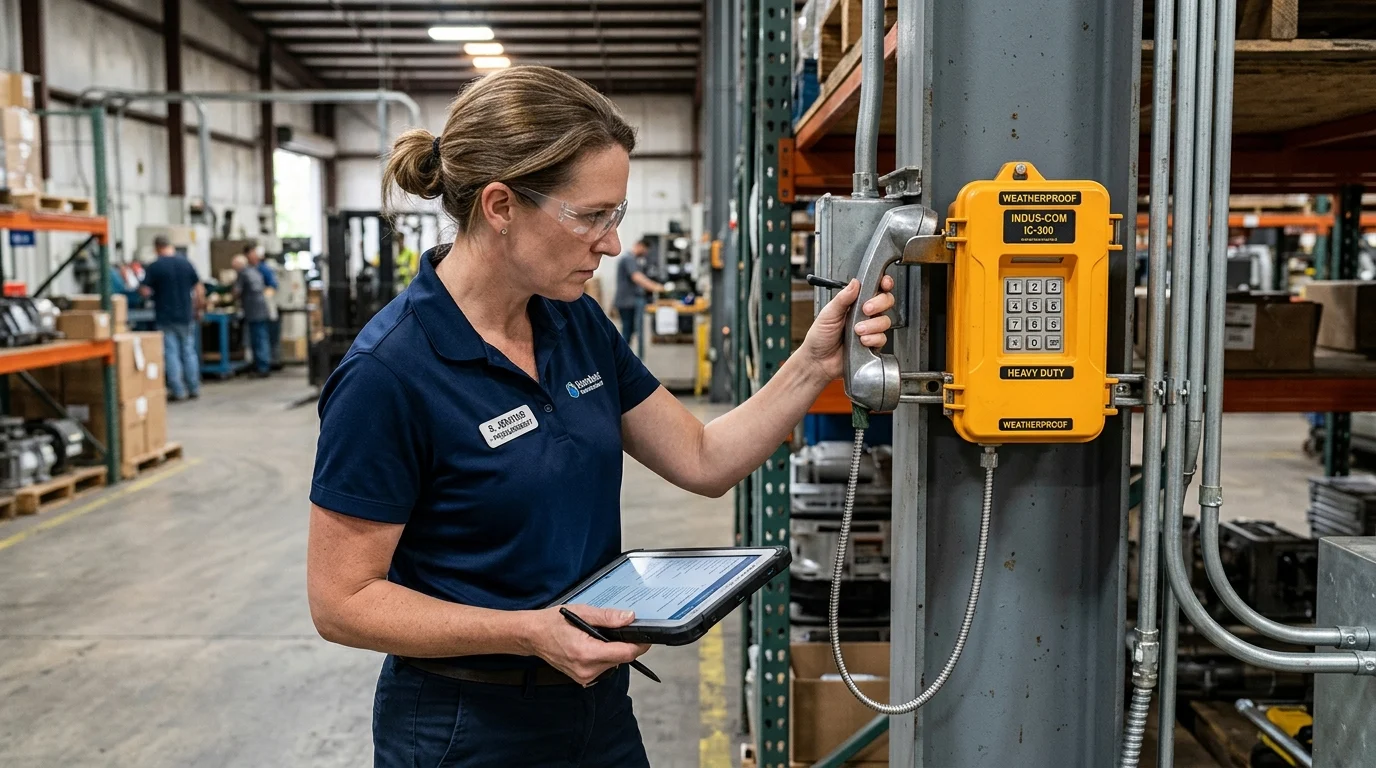
For B2B buyers and integrators, the specification sheet mitigates operational risk. Poorly specified systems cause frequent replacements, escalating maintenance costs, and degraded audio during critical moments. Defining weatherproof features allows buyers to standardize Request for Quotation (RFQ) processes and establish clear vendor benchmarks.
Understanding the correlation between hardware specifications and lifecycle costs maximizes procurement ROI. Buyers must align physical robustness with site-specific environmental hazards, ensuring the hardware delivers uninterrupted service over a projected ten- to fifteen-year lifespan.
Harsh-environment use cases and buying criteria
Industrial telecommunications equipment is engineered for sectors where standard electronics fail, including underground mining, offshore platforms, highway tunnels, and heavy manufacturing. Buyers prioritize extreme ingress protection, acoustic performance in high-noise areas, and mechanical durability against blunt-force impacts.
Buyer segments that need weatherproof models
Primary procurement segments include Engineering, Procurement, and Construction (EPC) firms, telecommunication distributors, and facility managers. EPC contractors purchase in bulk for infrastructure projects, requiring strict adherence to tender specifications. Distributors seek versatile models serving multiple industries, prioritizing competitive margins and reliable supply chains.
Commercial risks of underdefined specifications
Failing to define adequate weatherproof specifications exposes buyers to commercial liabilities. Substandard equipment suffers from corrosion, water ingress, or electronic failure, leading to expensive emergency replacements. In regulated industries, non-functioning emergency systems can result in severe fines or site closures.
Key Weatherproof Features to Prioritize
When evaluating a waterproof industrial phone, procurement teams must assess weatherproof features that guarantee operational continuity, from external enclosure metallurgy to internal printed circuit board (PCB) protection. Understanding these components helps buyers distinguish between superficially ruggedized devices and genuine industrial-grade hardware.
Evaluations should systematically review housing integrity, temperature resilience, peripheral protection, and electrical stability. Suppliers cutting costs often compromise secondary weatherproofing elements like acoustic membranes or cable glands. Buyers must mandate detailed technical drawings and material data sheets during sourcing.
A robust industrial telephone combines multiple protective technologies. B2B buyers must ensure the following critical features are explicitly stated in technical documentation and verified through independent testing.
IP rating, sealed housing, and corrosion resistance
The foundational weatherproofing metric is the Ingress Protection (IP) rating, with IP66 or IP67 standard for outdoor industrial applications. Enclosures should be die-cast aluminum, cold-rolled steel, or marine-grade stainless steel. Powder-coated finishes are essential to prevent oxidation and chemical corrosion in saline or acidic environments.
Temperature tolerance, UV stability, and anti-condensation design
Industrial units must operate flawlessly across extreme temperatures, typically -40°C to +70°C. UV-stable polycarbonate or fiberglass prevents embrittlement in exposed plastics. Anti-condensation measures, like internal heating elements or venting valves, prevent moisture buildup on PCBs during rapid temperature fluctuations.
Handset, keypad, cable, and acoustic protection
Peripheral components are frequent failure points. Handsets need armored stainless-steel lanyards with high tensile strength. Keypads must be fully sealed using membrane or metallic piezo-switches to prevent particulate ingress. Acoustic components require hydrophobic membranes that transmit sound while blocking water, paired with noise-canceling microphones for loud environments.
Surge protection, EMC shielding, and power stability
Outdoor installations are susceptible to lightning and electrical surges. Industrial telephones must incorporate robust overvoltage protection and electromagnetic compatibility (EMC) shielding. This ensures stable power and prevents signal interference near high-voltage machinery or railway traction systems.
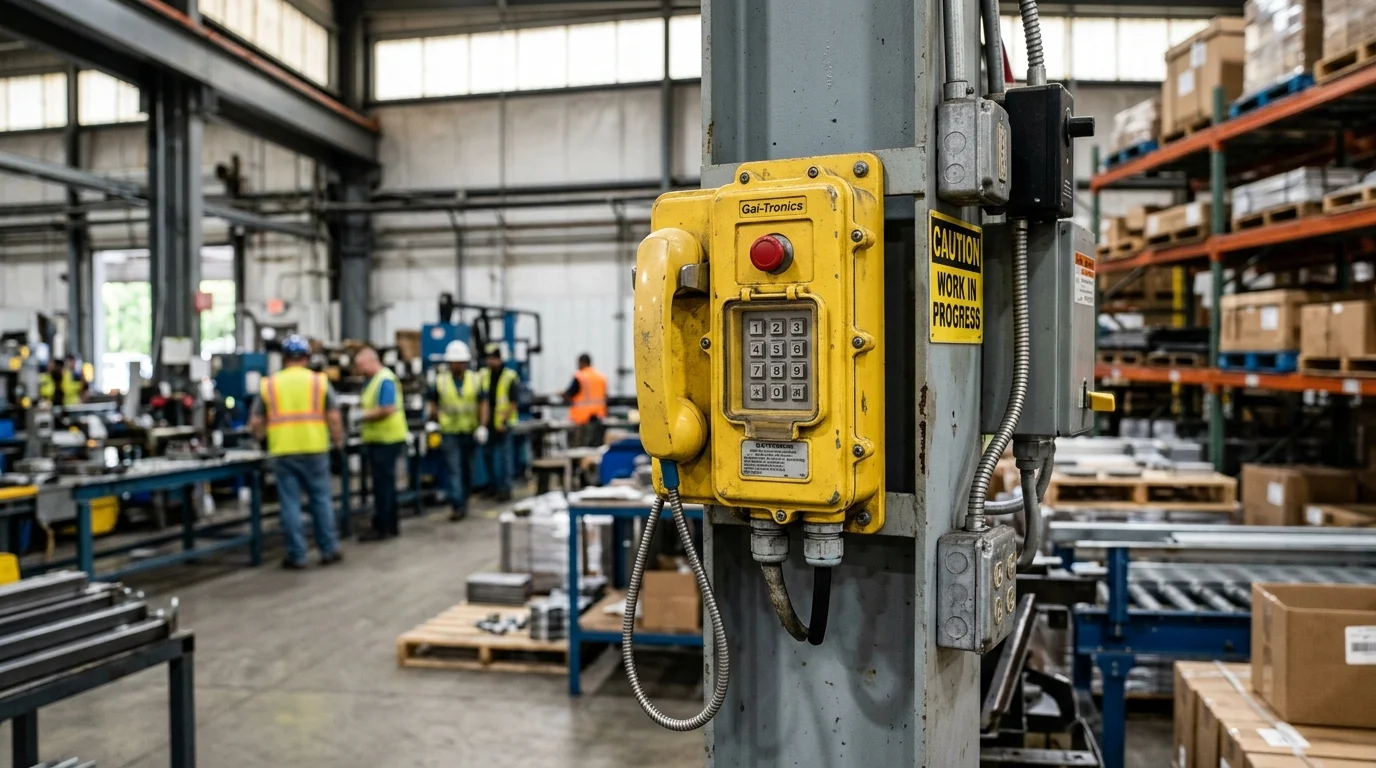
How to Compare Models Across Technical and Commercial Criteria
Evaluating suppliers requires a structured approach balancing upfront capital expenditure (CAPEX) with ongoing operational expenditure (OPEX). Standardized comparison matrices help objectively score competing models, preventing the pitfall of selecting vendors based solely on the lowest unit price, which obscures long-term maintenance costs.
The comparison must evaluate communication protocols, mechanical durability, and customization capabilities. Aligning these technical parameters with budgetary constraints helps buyers identify the optimal outdoor telephone system delivering maximum value.
| Feature Category | Basic Standard | Premium Industrial Standard | Impact on Total Cost of Ownership (TCO) |
|---|---|---|---|
| Enclosure Material | Polycarbonate | Die-cast Aluminum / Stainless Steel | Reduces replacement frequency by 3x in harsh environments. |
| Ingress Protection | IP54 | IP66 / IP67 | Prevents water/dust damage, lowering maintenance OPEX. |
| Vandal Resistance | IK08 | IK10 | Mitigates repair costs from deliberate or accidental impacts. |
| Connectivity | Analog | SIP / VoIP with PoE | Lowers cabling costs and centralizes remote management. |
Building a specification comparison table
A rigorous comparison table standardizes vendor proposals. Buyers should mandate suppliers populate an RFQ template detailing exact IP/IK ratings, mean time between failures (MTBF), warranty periods, and unit weights. This side-by-side analysis highlights discrepancies between claimed ruggedness and actual engineering specifications.
Analog vs SIP vs GSM: installation and lifecycle cost
Communication protocols significantly impact lifecycle costs. Analog systems utilize existing copper, offering low upfront costs but limited diagnostics. SIP/VoIP models require Power over Ethernet (PoE) but drastically reduce OPEX through centralized remote monitoring. GSM/LTE models eliminate cabling costs entirely, ideal for remote deployments.
Benchmarks for audio clarity, ingress protection, and vandal resistance
Objective benchmarks must be established. Audio output should achieve 80-90 decibels at one meter for high-noise areas. Ingress protection must adhere to IEC 60529 standards (IP66 minimum), while vandal resistance should meet IK10 (IEC 62262), ensuring the enclosure withstands a 20-joule impact.
Compliance and Certification Requirements
Navigating the regulatory landscape is critical in B2B procurement. Industrial equipment is subject to strict standards governing electrical safety, environmental protection, and hazardous area operation. Deploying uncertified equipment jeopardizes worker safety, invalidates insurance policies, and causes project commissioning failures.
Procurement teams must demand comprehensive documentation before issuing a purchase order. Legitimate manufacturers maintain accessible repositories of compliance certificates and test reports from recognized laboratories. Verifying these documents is a non-negotiable step in supplier qualification.
Furthermore, buyers importing a weatherproof telephone must ensure the product complies with destination country market-access regulations. Customs authorities routinely impound shipments lacking appropriate conformity markings, causing costly delays and supply chain disruptions.
Market-access standards to verify before ordering
Before finalizing contracts, buyers must confirm equipment meets regional telecommunications and safety standards. This includes verifying local network voltage compatibility and ensuring the product possesses necessary import certifications to prevent customs clearance issues.
ATEX, IECEx, CE, FCC, and RoHS considerations
For explosive atmospheres (e.g., oil refineries), ATEX (Europe) or IECEx (International) certifications are mandatory to ensure devices cannot ignite ambient gases. Standard weatherproof units must carry CE (Europe) or FCC (USA) markings for electromagnetic compatibility and adhere to RoHS directives restricting hazardous substances.
Test reports, traceability records, and quality documents
Suppliers must provide verifiable third-party test reports for IP and IK ratings. Procurement teams should request ISO 9001 certificates and ensure manufacturers maintain strict component traceability records. This guarantees replacement parts match original specifications throughout the product’s lifespan.
How to Source Suppliers and Control Quality
Sourcing reliable manufacturers requires rigorous due diligence. The market includes Original Equipment Manufacturers (OEMs), Original Design Manufacturers (ODMs), and trading companies. B2B buyers should prioritize direct partnerships with established OEMs or ODMs to secure competitive pricing, ensure quality control, and facilitate custom engineering.
Effective quality control begins before mass production by auditing manufacturing facilities, assessing supply chain resilience, and evaluating in-house testing capabilities. Robust supplier relationships rely on transparency, clear technical expectations, and a mutually agreed-upon quality assurance framework.
Procurement teams must negotiate commercial terms aligning with inventory strategies. This includes establishing flexible Minimum Order Quantities (MOQs), securing reliable lead times, and guaranteeing long-term spare parts availability to support the installed base.
Supplier qualification for OEM and ODM projects
Qualifying suppliers involves verifying engineering capabilities and production capacity. Buyers should conduct factory audits—physically or via third-party agencies—to assess assembly lines, soldering quality, and burn-in testing. Capable OEMs possess dedicated R&D teams for custom firmware or unique enclosure designs.
Negotiating MOQ, samples, lead times, and spare parts
Initial negotiations should secure prototype samples for field testing before bulk orders. Typical MOQs for customized industrial models range from 50 to 100 units. Buyers must negotiate guaranteed lead times and mandate a Service Level Agreement (SLA) ensuring spare parts remain available for five to seven years.
Inspection, pilot orders, and reliability testing
Risk mitigation involves executing pilot orders for field deployment prior to full-scale rollout. Procurement teams should implement Acceptable Quality Limit (AQL) standards for pre-shipment inspections. Reliability testing must verify acoustic performance, conduct random water ingress tests, and confirm electrical safety compliance.
Packaging, Logistics, and After-Sales Cost Factors
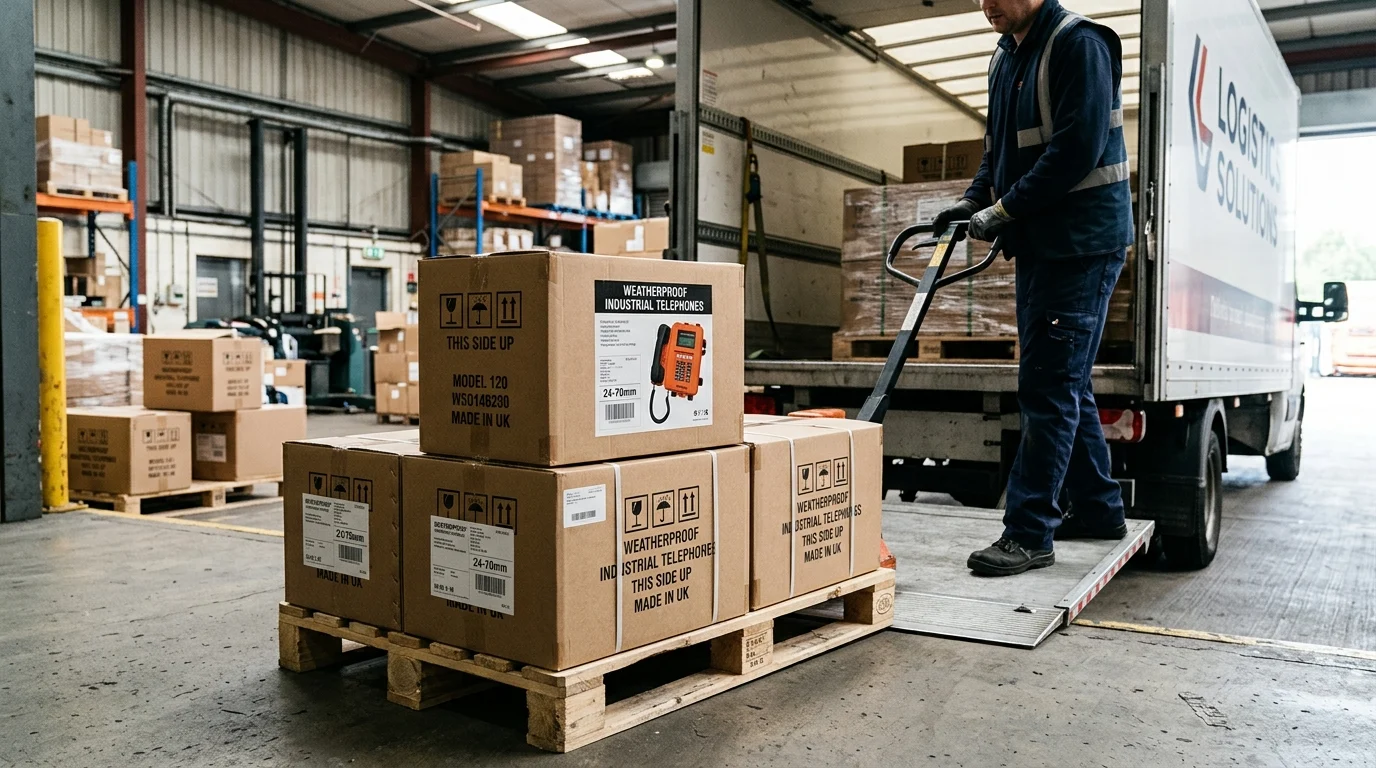
The total landed cost of an outdoor emergency telephone waterproof is heavily influenced by logistics and packaging. Industrial telephones are heavy; inadequate packaging causes severe mechanical damage during transcontinental shipping. Procurement teams must specify export-grade packaging standards in contracts to mitigate transit risks.
Beyond freight, buyers must account for customs duties, warehousing, and after-sales support logistics. Efficient supply chain management requires optimizing pallet configurations to maximize container space and accurately classifying products under correct Harmonized System (HS) codes to minimize import tariffs.
After-sales support represents a significant portion of TCO. Comprehensive warranties and efficient Returns Material Authorization (RMA) mechanisms are vital. Contracts should clearly define responsibilities for shipping costs associated with warranty repairs and replacement parts.
| Logistics Factor | Standard Consumer Packaging | Industrial Export Packaging | Cost / Risk Impact |
|---|---|---|---|
| Encasement | Cardboard Box | Plywood Crate / Double-corrugated | Prevents crushing under heavy pallet loads. |
| Internal Protection | Bubble Wrap | Custom EPE Foam & Desiccant | Absorbs shock and prevents sea-freight moisture damage. |
| Palletization | Standard Wood | Fumigated / Plastic Pallets | Ensures compliance with ISPM 15 international shipping laws. |
Export packaging for moisture, shock, and long transit
Export packaging must protect against high humidity, temperature extremes, and physical shock. Buyers should mandate custom-molded EPE foam inserts, moisture-absorbing desiccants, and vacuum-sealed anti-static bags. For large bulk orders, heavy-duty plywood crates prevent structural damage.
Freight, customs, warehousing, and landed cost
Optimizing freight requires accurate volumetric weight calculations and collaborating with freight forwarders for cost-effective routing. Correct HS code classification is critical for predicting duties and avoiding customs delays. Final landed cost calculations must integrate freight, insurance, duties, and initial warehousing.
Warranty, replacement parts, and technical support
Standard B2B warranties for industrial equipment should cover 24 to 36 months. Contracts must outline procedures for rapid replacement part deployment to minimize downtime. Buyers should ensure suppliers provide robust technical support, including installation manuals, troubleshooting guides, and remote diagnostic assistance.
Industrial Telephone FAQ for B2B Buyers
Procurement professionals frequently encounter specific challenges when sourcing industrial communication hardware. Addressing common inquiries streamlines the RFQ process and aligns buyer-manufacturer expectations. Understanding commercial terms, environmental testing validation, and lifecycle expectations is essential for successful procurement.
Anticipating these questions allows buyers to structure vendor evaluations effectively. This ensures critical parameters are addressed early in negotiations, preventing costly misunderstandings during production or deployment.
Typical MOQ for weatherproof orders
Minimum Order Quantities (MOQs) for standard off-the-shelf weatherproof models typically start at 1 to 10 units. However, OEM/ODM orders requiring custom branding, specialized firmware, or unique enclosure colors generally require MOQs of 50 to 100 units to offset manufacturing setup costs.
How to verify IP rating and environmental test claims
Buyers should never accept self-certified IP ratings for critical infrastructure. Verification requires requesting full, unredacted test reports from certified independent laboratories (e.g., SGS, TÜV, Intertek). Reports must match the exact model number and outline specific testing methodologies simulating water and dust ingress.
Best Incoterms and packaging terms for imports
For experienced importers, Free On Board (FOB) or Free Carrier (FCA) are preferred Incoterms, allowing buyers to control freight costs and consolidate shipments. Contracts should explicitly state “export-grade seaworthy packaging” to legally bind suppliers to high standards, minimizing transit damage risks.
Estimating service life and replacement-cycle cost
High-quality industrial telephones in harsh environments should offer a Mean Time Between Failures (MTBF) exceeding 50,000 hours. Buyers should model a 7- to 10-year replacement cycle for core units, factoring in minor OPEX for replacing high-wear peripherals like handset cords or keypads every 3 to 5 years.
Related reading: weatherproof telephone
Key Takeaways
- Wholesale sourcing and supply-chain implications for Industrial Telephone
- Specifications, compliance, and commercial terms buyers should validate
- Actionable recommendations for distributors and procurement teams