
Industrial SIP phones and VoIP emergency telephones are vital components of an industrial communication system. These devices guarantee dependable communication in challenging environments, including mining sites and outdoor settings. They significantly enhance safety by offering immediate access to assistance during emergencies. Heavy duty emergency phones for mining and outdoor SIP emergency call stations are indispensable tools for safeguarding personnel and assets.
Key Takeaways
- Industrial SIP phones are built to last, using durable materials like stainless steel and reinforced designs to withstand harsh conditions.
- VoIP emergency telephones enhance safety in industries like oil and gas, mining, and transportation by providing immediate communication during emergencies.
- When buying emergency telephones, prioritize features like environmental protection ratings, temperature tolerance, and compliance with safety standards.
Key Features of Industrial SIP Phones
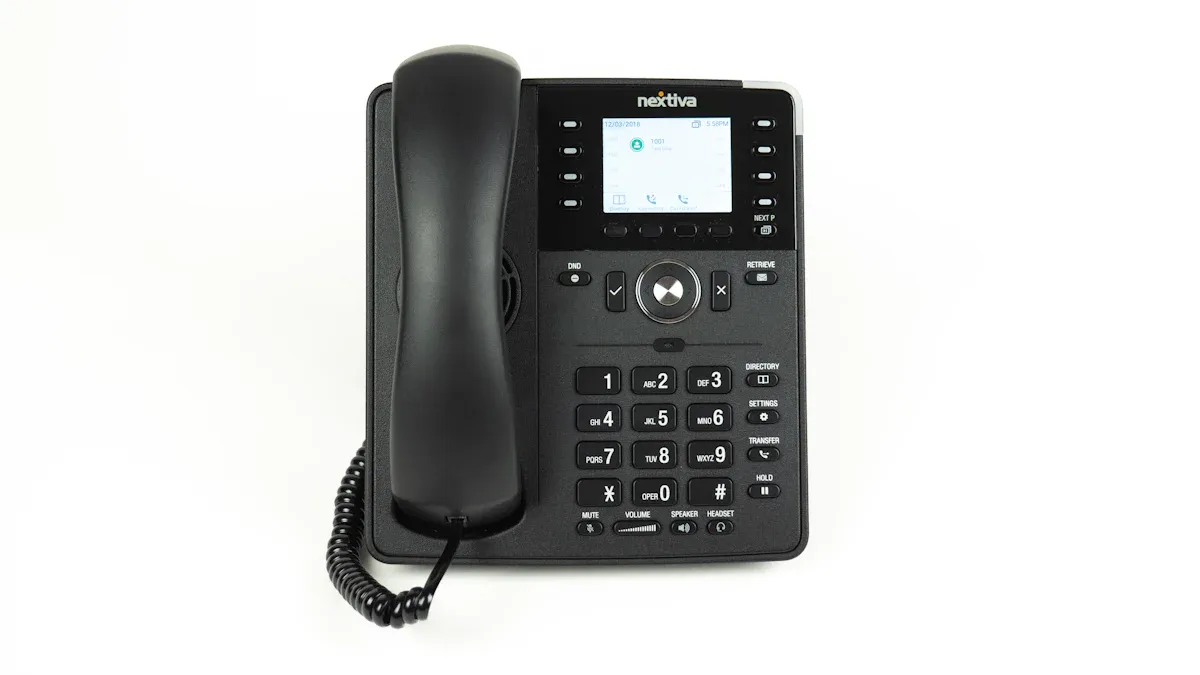
Industrial SIP phones are engineered to withstand the rigors of harsh environments while providing reliable communication. Their design incorporates several key features that enhance durability, functionality, and user experience.
- Durable Materials: Industrial SIP phones utilize materials that ensure longevity and resilience. Common materials include:
- 316 Stainless Steel: This material offers high corrosion resistance, making it ideal for environments exposed to moisture and chemicals.
- Durable Plastics: These are used for enclosures to withstand physical impacts and harsh weather conditions.
- Corrosion-resistant Coatings: These coatings protect devices from rust and damage, extending their operational life.
- Reinforced PCB Layouts: These layouts enhance durability against environmental stressors, ensuring consistent performance.
- Conformal Coatings: These coatings provide moisture and dust protection, further safeguarding the internal components.
- Waterproof and Dustproof Ratings: Industrial SIP phones often feature high IP ratings, which indicate their resistance to dust and water. The following table summarizes common ratings:
| IP Rating | Description |
|---|---|
| IP65 | Dust-tight and protected against water jets |
| IP66 | Dust-tight and protected against powerful water jets |
| IP67 | Dust-tight and can withstand temporary immersion in water |
- Power Resilience: Maintaining functionality during power outages or network failures is crucial. Industrial SIP phones employ various methods to ensure continuous operation:
| Method | Description |
|---|---|
| Backup Batteries | These batteries keep VoIP phones operational during power outages. |
| Emergency Generators | Generators supply power to phones, ensuring they remain functional when the main power fails. |
| UPS Systems | Uninterruptible Power Supply systems keep network equipment and VoIP phones running during outages. |
- Temperature Tolerance: Many industrial SIP phones operate effectively in extreme temperature ranges, typically from -30°C to +70°C (-22°F to 158°F). This capability makes them suitable for diverse environments, including freezer units and foundries.
- Anti-Vandal Features: Security is paramount in industrial settings. Common anti-vandal features include:
| Feature | Description |
|---|---|
| Robust Housing Materials | Enclosures made from marine-grade stainless steel or impact-resistant polycarbonate. |
| Reinforced Interface Protection | Displays and keypads shielded with tempered glass or ballistic-rated acrylic. |
| Sealed Construction | IP65 or higher ratings for dust and water resistance, preventing internal exposure. |
| Anti-Tamper Hardware | Tamper-proof screws deter unauthorized access. |
- Integration with Existing Systems: Industrial SIP phones seamlessly integrate with existing communication systems in factories and plants. Key features include:
| Feature/Benefit | Description |
|---|---|
| IP65+ Ratings | Resists dust, oil, and coolant splashes common in industrial environments |
| Noise-Canceling | Equipped with microphones and amplified speakers for clarity in high-noise areas |
| Power over Ethernet (PoE) | Simplifies installation and reduces downtime during power fluctuations |
| PBX/Cloud Integration | Allows centralized call management for seamless communication across departments |
These features collectively ensure that Industrial SIP phones provide robust, reliable communication solutions tailored for harsh environments.
Applications of VoIP Emergency Telephones

VoIP emergency telephones play a crucial role in various industries, especially in hazardous environments. Their deployment enhances safety and communication, ensuring rapid responses during emergencies. Below are some key applications of these devices:
- Oil and Gas Industry: VoIP emergency telephones are essential in oil and gas facilities. They feature explosion-proof designs that allow for immediate voice communication in hazardous areas like refineries and drilling platforms. These devices often include emergency buttons or paging intercom systems to trigger alerts during incidents. This setup ensures a rapid response and improves coordination between field personnel and control rooms. Key benefits include:
- Faster emergency response
- Improved coordination between field and control room
- Higher operational visibility
- Stronger compliance with safety regulations
- Enhanced safety culture across facilities
- Mining Operations: In mining, VoIP emergency telephones are vital for ensuring safety. They provide immediate access to communication in strategic locations near hazards. Their rugged construction withstands harsh conditions, while clear audio communication supports push-to-talk functionality. The integration with emergency systems allows for broadcasting alerts and instructions. The following table summarizes the benefits of using VoIP emergency telephones in mining:
| Feature | Description |
|---|---|
| Rugged Construction | Built with weatherproof and explosion-resistant enclosures to withstand harsh conditions. |
| Clear Audio Communication | Supports push-to-talk functionality with noise-canceling microphones for clear communication. |
| Integration with Emergency Systems | Can be integrated with PA systems to broadcast alerts and instructions. |
| Location-Specific Reporting | Enables quick pinpointing of incidents for emergency responders. |
- Transportation Hubs: Airports and train stations are critical areas for emergency communication. VoIP emergency telephones enhance safety by allowing quick reporting of emergencies. These systems are equipped with blue light phones that provide immediate assistance. Their presence significantly improves overall security in crowded environments.
- Power Plants and Utilities: VoIP emergency telephones serve various functions in power plants. They ensure reliable communication during emergencies, connecting personnel to control rooms and emergency services. The following table outlines typical applications of VoIP emergency telephones in this sector:
| Type of VoIP Emergency Telephone | Application in Power Plants and Utilities |
|---|---|
| Wall Mount Waterproof Power Plant Telephone | Designed for outdoor use, ensuring reliability in emergencies. |
| VoIP Help Point | Provides immediate assistance in critical situations. |
| VoIP Emergency Call Station | Allows for quick communication during emergencies. |
| VoIP SOS Telephone | Used for urgent calls in hazardous areas. |
| Handsfree VoIP Telephone | Enables hands-free communication for safety. |
| Dual Button VoIP Intercom | Facilitates quick access to emergency services. |
| Emergency Phone Tower | Offers a visible and accessible emergency communication point. |
| Broadcasting Telephones | Used for announcements and alerts in emergency situations. |
| Elevator Telephone | Ensures communication in case of elevator emergencies. |
- Public Infrastructure: VoIP emergency telephones are integrated into public infrastructure to enhance emergency response. The process typically involves the following steps:
- Caller dials 9-1-1: A VoIP subscriber places an emergency call.
- Location & Emergency Identified: The subscriber’s location is pulled in real-time.
- Call Routed to Correct PSAP: The call is transferred to the appropriate dispatch center, ensuring local responders can act without delay.
These applications demonstrate the versatility and importance of VoIP emergency telephones across various sectors. Their ability to provide reliable communication in hazardous environments significantly enhances safety and operational efficiency.
Compliance Standards for Emergency Telephones
Compliance standards play a crucial role in ensuring the safety and reliability of industrial SIP and VoIP emergency telephones. These standards guarantee that devices can operate effectively in hazardous environments. Key compliance standards include:
| Compliance Standard | Description |
|---|---|
| Safety Certifications | Devices must meet international standards for use in explosive or hazardous zones. |
| Durability & Enclosure | Phones should survive dust, water, impact, and extreme temperatures. Common ratings include IP67/IP68, NEMA 4X, and IK10, with operational ranges from -30°C to +70°C. |
| Security | Emergency telephones must protect against eavesdropping and unauthorized access. Standards such as TLS, SRTP, 802.1x, and HTTPS ensure secure communication and firmware updates. |
These compliance standards ensure that industrial SIP phones provide reliable communication in challenging conditions. Adhering to these standards not only enhances safety but also promotes operational efficiency. Organizations must prioritize compliance when selecting emergency telephones to safeguard personnel and assets effectively.
Note: Always verify that the selected emergency telephone meets the necessary compliance standards for your specific industry and environment.
Buying Guide for Industrial SIP & VoIP Emergency Telephones
Selecting the right industrial SIP and VoIP emergency telephone requires careful consideration of several factors. Here are key aspects to evaluate:
| Factor | Description |
|---|---|
| Environmental Protection Rating | Look for IP ratings of at least IP65; IP67 or IP68 is preferable for full dust and water immersion resistance. |
| Temperature Range | Ensure the device operates within your site’s ambient conditions—typically -30°C to +70°C (-22°F to 158°F). |
| Connectivity Type | Determine whether you need analog, digital, or VoIP support and verify compatibility with your PBX. |
| Material Construction | Stainless steel or polycarbonate housings resist corrosion and impact. Gaskets should be UV-stable. |
| Audio Performance | Check decibel output for speakers and noise-canceling capabilities, especially in high-decibel workplaces. |
| Certifications | Required certifications depend on region and environment—common ones include UL, CSA, ATEX, IECEx. |
| Mounting Options | Wall, pole, pedestal, or flush-mount configurations affect accessibility and protection level. |
| Power Requirements | Analog phones usually draw line power; VoIP models may need PoE or AC adapters. |
When purchasing, avoid common mistakes that can lead to issues down the line:
- Ignoring security protocols, which can expose systems to fraud and breaches.
- Misjudging bandwidth requirements, affecting call quality and reliability.
- Delaying system migration from legacy systems, limiting productivity and adaptability.
Additionally, consider installation and maintenance requirements. The environment impacts the durability and functionality of the emergency phone. Ease of maintenance affects communication reliability during emergencies. Availability of parts ensures quick repairs, reducing downtime in critical situations.
Tip: Always verify warranty and after-sales support. A solid warranty provides peace of mind and indicates the manufacturer’s confidence in their product.
By evaluating these factors, organizations can select the most suitable industrial SIP phone for their needs, ensuring effective communication in emergencies.
Industrial SIP and VoIP emergency telephones play a crucial role in enhancing safety in harsh environments. Their durability, compliance with standards, and advanced features ensure reliable communication during emergencies.
When selecting the right emergency telephone, consider the following best practices:
- Ensure durability and environmental resilience.
- Verify compliance with ADA, NFPA, and local standards.
- Choose appropriate power options like PoE or battery-backed systems.
- Opt for models with dual-mode connectivity for redundancy.
- Incorporate visibility features such as illuminated housings.
By following these guidelines, organizations can enhance safety and communication effectively.
FAQ
What is the difference between SIP and VoIP emergency telephones?
SIP telephones use the Session Initiation Protocol for communication, while VoIP telephones transmit voice over the Internet. Both serve emergency communication needs.
Are industrial SIP phones weatherproof?
Yes, many industrial SIP phones feature high IP ratings, ensuring they are waterproof and dustproof, suitable for harsh environments.
How do I maintain my VoIP emergency telephone?
Regularly check connections, clean the device, and ensure software updates are applied. This maintenance ensures optimal performance and reliability.
Post time: Mar-08-2026