
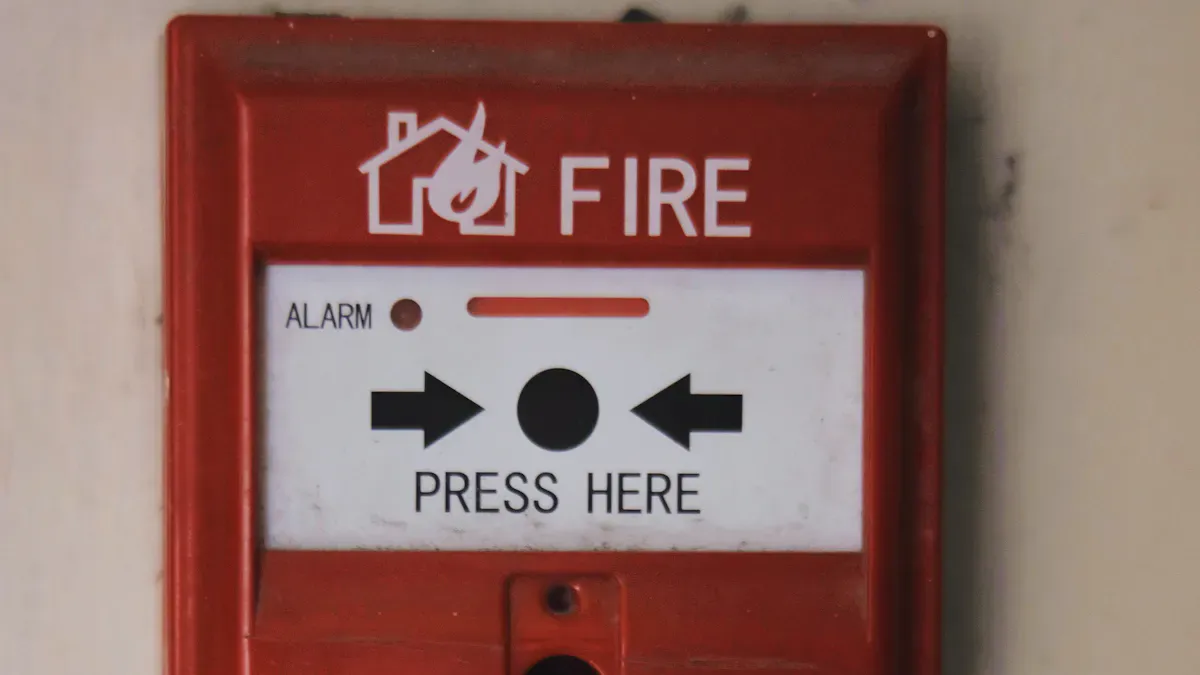
Tunnel emergencies demand effective communication to ensure safety and operational efficiency. Selecting the right emergency voice communication system for highway tunnels is vital for managing crises effectively. Factors influencing this decision include audio clarity, coverage area, and integration with existing tunnel communication systems. A reliable emergency communication system for tunnels enhances coordination and can save lives in critical situations. Additionally, an emergency intercom system for railway tunnels plays a crucial role in facilitating communication during emergencies.
Key Takeaways
- Prioritize audio clarity in emergency voice communication systems. Clear messages can save lives during tunnel emergencies.
- Ensure comprehensive coverage in tunnels. Use technologies like repeaters and amplifiers to maintain communication throughout the entire tunnel.
- Integrate communication systems with other safety technologies. This enhances coordination and improves overall safety during emergencies.
Key Features of Emergency Voice Communication Systems

Audio Clarity
Audio clarity is paramount in emergency voice communication systems. Clear audio ensures that messages are understood quickly and accurately during crises. In tunnel environments, where noise levels can be high and visibility low, the ability to convey instructions effectively can significantly impact evacuation outcomes.
A study highlights the importance of sound types in emergencies. The table below illustrates the preference levels for different sound types and their impact on evacuation:
| Sound Type | Preference Level | Impact on Evacuation |
|---|---|---|
| Bells | High | Effective guidance |
| Whistles | High | Effective guidance |
| Clicking | Low | Less effective |
Emergency voice communication systems must prioritize high-quality audio output. This feature allows personnel to receive critical information without confusion, ultimately enhancing safety.
Coverage Area
Achieving comprehensive coverage in tunnels presents unique challenges. Emergency voice communication systems must address issues such as signal obstruction and equipment fragility. The table below outlines common challenges faced in ensuring full coverage:
| Challenge Type | Description |
|---|---|
| Signal Obstruction | The system addresses severe signal shielding and multipath fading, which are common in tunnel environments. |
| Equipment Fragility | The proposed system maintains high survivability even with significant node damage, indicating robustness. |
| Complex Layouts | The hierarchical and heterogeneous design of the system allows it to adapt to complex tunnel layouts effectively. |
To ensure reliable communication throughout the tunnel, systems often utilize single frequency repeaters and bi-directional amplifiers (BDAs). These technologies extend radio signals, ensuring continuous coverage from the front to the tail of trains and with ground personnel outside the tunnel.
Integration with Other Systems
Integrating emergency voice communication systems with other tunnel management technologies enhances overall safety and operational efficiency. These systems can connect seamlessly with fire alarms, ventilation controls, and other safety mechanisms through a centralized command structure. This integration allows for coordinated responses to emergencies, ensuring that all systems work in harmony.
Benefits of integration include:
- Easy integration with various devices, facilitating cost-effective enhancements to safety and security.
- Enhanced security through access control and video surveillance for real-time monitoring.
- Scalability to meet growing needs, suitable for diverse applications.
For instance, the SOS pole system can be integrated into the SCADA management and control system, allowing for effective administration and control of equipment and calls. This integration not only improves decision-making during emergencies but also ensures continuous connectivity through the emergency voice communication system.
Compliance with Safety Regulations
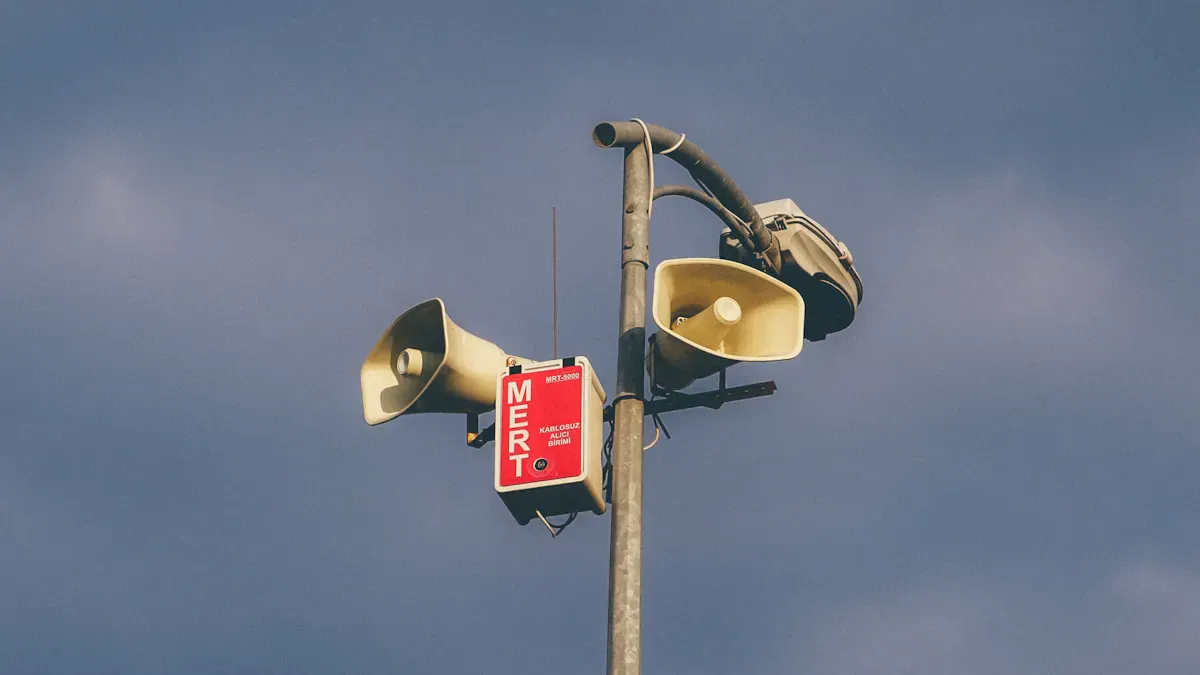
Ensuring compliance with safety regulations is crucial when selecting an emergency voice communication system for tunnels. Adhering to these regulations not only enhances safety but also mitigates legal risks associated with non-compliance.
National and Local Standards
Emergency voice communication systems must meet both national and local standards. These standards dictate the minimum requirements for performance, reliability, and safety. Organizations such as the National Fire Protection Association (NFPA) and the Occupational Safety and Health Administration (OSHA) provide guidelines that help tunnel operators implement effective communication systems.
Local regulations may vary significantly based on geographic location. Tunnel operators should consult local authorities to ensure compliance with specific requirements. This proactive approach helps avoid potential fines and enhances the overall safety of tunnel operations.
Certification Requirements
Certification plays a vital role in validating the effectiveness of emergency voice communication systems. Systems must undergo rigorous testing to ensure they meet established safety standards. Certifications from recognized bodies, such as Underwriters Laboratories (UL) or the International Organization for Standardization (ISO), provide assurance that the system has been evaluated for quality and performance.
Operators should prioritize systems that possess relevant certifications. This not only guarantees compliance but also instills confidence in the system’s reliability during emergencies.
Regular Audits and Inspections
Regular audits and inspections are essential for maintaining the integrity of emergency voice communication systems. These evaluations help identify potential issues before they escalate into serious problems.
According to industry guidelines, audits and inspections should occur weekly. This frequency ensures that systems remain functional and compliant with safety regulations. The table below summarizes the recommended frequency for these evaluations:
| Requirement Type | Frequency |
|---|---|
| Audits and Inspections | Weekly |
Conducting these assessments allows operators to address any deficiencies promptly. Regular maintenance and updates to the system can significantly enhance its performance during emergencies.
Reliability and Maintenance of Systems
System Durability
Reliability in tunnel environments depends heavily on system durability. The table below highlights critical factors that ensure emergency voice communication systems perform well under harsh conditions:
| Factor | Explanation |
|---|---|
| Durability in Harsh Conditions | Systems must be weatherproof (dust-tight, waterproof), shock resistant, and temperature resistant to withstand dust, moisture, impacts, and extreme temperatures common in tunnels and mines. |
| Coverage Area and Signal Penetration | Reliable communication requires strong signal penetration in rocky, deep tunnels. Use of leaky feeder systems, repeaters, and extenders ensures coverage throughout extensive underground areas. |
| Safety and Emergency Communication | Systems should support real-time monitoring of worker locations and environmental hazards, have dedicated emergency channels, and enable two-way communication for rapid emergency response. |
| Battery Life and Power Management | Radios need long-lasting, rechargeable batteries and backup power solutions to maintain operation during extended shifts and power outages common in tunnel environments. |
Durability also depends on materials and design features. Emergency voice communication systems in tunnels often include:
- High ingress protection ratings such as IP65, IP67, or IP68 to resist dust, water jets, and temporary submersion.
- Sealed enclosures with rubber gaskets and corrosion-resistant housings to prevent moisture and particulate ingress.
- Ruggedized construction using die-cast aluminum, stainless steel, and reinforced polycarbonate for resistance to corrosion and physical impacts.
- Shock-absorbing mounts to reduce vibration effects and thermal management systems to prevent overheating.
- Vandal-resistant features and simple illuminated user interfaces for low-light conditions.
- Compliance with safety certifications like ATEX and EN 50155.
These features ensure continuous, reliable operation despite the demanding tunnel environment.
Maintenance Protocols
Regular maintenance and testing play a vital role in system reliability and longevity. Operators must inspect radios, repeaters, and base stations frequently to detect faults early. Proactive maintenance prevents costly downtime and ensures the emergency voice communication system functions efficiently when needed most. Scheduled checks help identify wear, battery health, and signal integrity issues, allowing timely repairs or replacements. This approach extends the system’s operational lifespan and maintains safety standards.
Emergency Backup Options
Backup solutions guarantee continuous operation during power failures or system faults. The table below summarizes common backup options:
| Backup Option | Description |
|---|---|
| Backup Power Systems | Comprehensive solutions to keep communication systems running during outages. |
| Battery Backup Units (BBUs) | Provide uninterrupted functionality with automatic recharging and emergency power off switches. |
Additional features of backup systems include:
- Use of Lithium Iron Phosphate (LiFePO4) batteries for enhanced safety and durability.
- Backup durations of 12, 24, or 48 hours to cover extended outages.
- Automatic recharging capabilities and support for emergency power off (EPO) switches.
- Independent power sources for tunnel telephones, ensuring operation even during main power loss.
- Redundant power options such as UPS integration to maintain communication lines open.
These backup measures allow emergency responders to maintain communication and coordinate efforts without interruption, which is critical in tunnel emergencies.
Cost Analysis of Emergency Voice Communication Systems
Initial Investment vs. Long-term Value
When selecting an emergency voice communication system, tunnel operators must weigh initial costs against long-term benefits. Investing in high-quality systems may incur higher upfront expenses. However, these systems often deliver superior reliability and performance, which can save lives during emergencies.
Budgeting for Maintenance
Ongoing maintenance is crucial for ensuring the reliability of emergency communication systems. Operators should consider the following when budgeting:
- Emergency communication systems must perform reliably during critical moments.
- Budgeting should account for redundancy and live monitoring to ensure systems remain operational.
- Preparedness in emergency communication requires regular review and maintenance.
By allocating sufficient resources for maintenance, operators can prevent costly failures and enhance overall safety.
Cost of Non-compliance
Non-compliance with safety regulations can lead to significant financial repercussions. Authorities may withhold occupancy permits if a facility fails to pass public safety communications tests. Additionally, operators face risks such as:
- Monetary fines for non-compliance.
- Legal risks arising from inadequate emergency communication systems.
The eCFR outlines that individuals or entities violating communication requirements face civil penalties, which can escalate based on the severity of the violation. For instance, a civil penalty may be imposed for violations, with increased penalties for willful or grossly negligent violations. Each day a violation continues is treated as a separate offense.
Overall, the financial and legal risks associated with non-compliance underscore the importance of investing in effective emergency voice communication systems.
Choosing the right emergency voice communication system for tunnels requires careful consideration of several factors. Operators must assess audio clarity, coverage area, and compliance with safety regulations.
Consulting experts can provide tailored solutions, such as portable communication systems that ensure reliable connectivity in challenging environments.
Resources like NLT Digital Solutions and Becker Wholesale Mine Supply offer advanced systems designed for safety and efficiency.
Evaluating specific tunnel needs and seeking expert advice will enhance emergency preparedness and response.
FAQ
What is an emergency voice communication system?
An emergency voice communication system allows real-time communication during crises, ensuring clear instructions and coordination among personnel in tunnels.
How often should these systems be tested?
Operators should conduct weekly audits and inspections to ensure functionality and compliance with safety regulations.
What are the key benefits of system integration?
Integrating emergency communication systems enhances safety, improves response times, and allows for coordinated actions with other safety mechanisms in tunnels.
Post time: Mar-27-2026