
Introduction
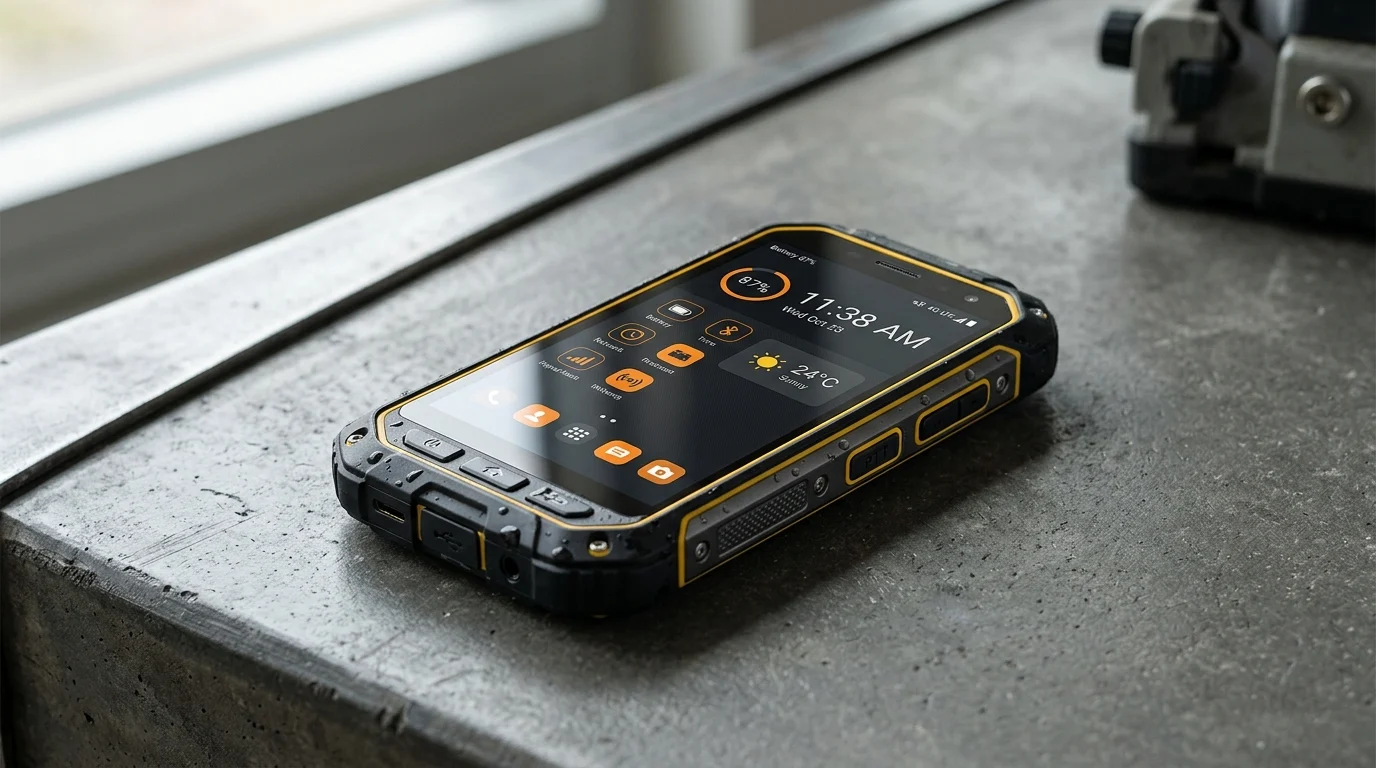
Choosing between a waterproof industrial phone and an explosion-proof model is not just about durability; it is about matching the device to the actual hazard on site. Although both are built for demanding environments, a waterproof unit is designed to resist water, dust, and physical impact, while an explosion-proof phone is engineered to prevent ignition in hazardous atmospheres. This distinction affects worker safety, regulatory compliance, and the risk of costly downtime. The discussion below explains how these phones differ in design, certification, and intended use so you can identify which type fits specific industrial conditions.
Why Explosion-Proof vs Waterproof Industrial Phones Matter
Industrial communication networks rely on specialized hardware to maintain connectivity in harsh environments. Plant managers and procurement engineers frequently evaluate ruggedized devices to equip their workforce, yet conflating a waterproof industrial phone with an explosion-proof unit remains a critical industry oversight. While both device categories feature reinforced housings and withstand extreme physical abuse, their fundamental engineering mandates address entirely distinct environmental threats.
Safety risks and site classification
The deployment of mobile communication in hazardous areas requires strict adherence to site classifications, typically governed by ATEX in Europe or the National Electrical Code (NEC) in North America. Facilities are divided into zones or divisions based on the probability of explosive atmospheres. For example, ATEX Zone 0 represents an area where an explosive mixture of gas, vapor, or mist is continuously present. The minimum ignition energy (MIE) for common industrial gases like hydrogen is as low as 0.017 millijoules. A standard waterproof industrial phone, lacking intrinsic safety circuitry, can easily generate an internal micro-spark exceeding this threshold during a simple incoming call or screen activation, leading to catastrophic ignition.
Downtime and operational impact
Beyond immediate safety hazards, deploying inadequate communication hardware directly impacts operational continuity. In sectors such as petrochemical refining or offshore drilling, unplanned downtime carries severe financial penalties, often exceeding $300,000 per day. If a device fails due to internal corrosion from chemical exposure or triggers a localized safety shutdown due to a compliance audit failure, the resulting halt in production dwarfs the initial capital expenditure of the hardware. Utilizing the correctly certified device ensures that critical communication channels remain open during emergency protocols without introducing secondary ignition risks.
Common specification mistakes
A pervasive specification error occurs when procurement teams assume that a high Ingress Protection (IP) rating guarantees safety in volatile atmospheres. An IP68-rated waterproof industrial phone is engineered to prevent water and dust ingress, often certified to survive submersion in 1.5 meters of water for 30 minutes. However, a hermetically sealed enclosure does not prevent internal electrical faults, thermal runaway in the battery, or surface temperature spikes. Placing a standard IP68 device in a Class I, Division 1 environment violates OSHA regulations and voids facility insurance policies, as the device is not designed to limit its operational thermal output or contain an internal blast.
Explosion-Proof vs Waterproof Phones: Key Differences
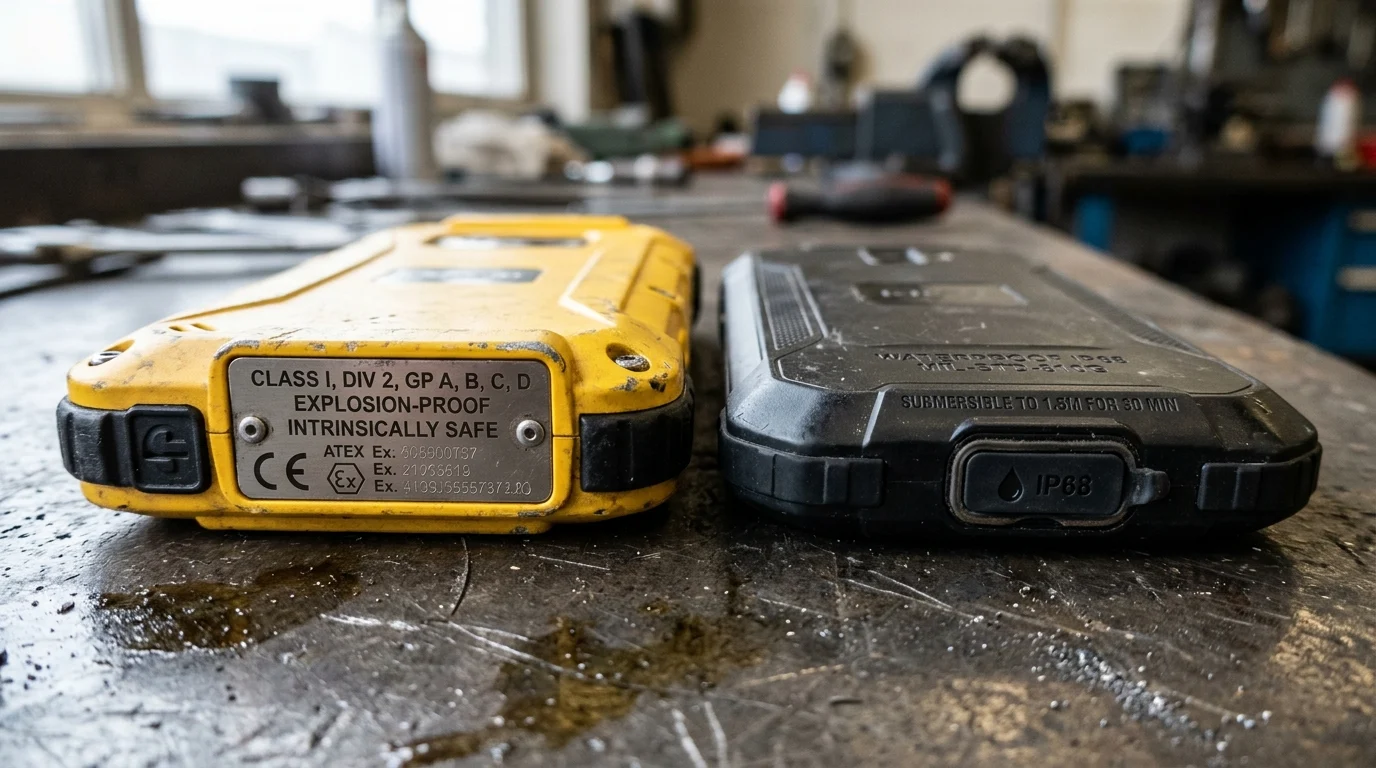
Differentiating between explosion-proof and waterproof industrial phones requires examining their core architectural principles. One focuses on managing electrical and thermal energy, while the other focuses exclusively on maintaining an impenetrable physical barrier against environmental elements.
How explosion-proof phones prevent ignition
Devices designed for hazardous areas utilize Intrinsic Safety (IS) or Explosion-Proof (Ex) methodologies. Intrinsic safety is the most common approach for mobile electronics, engineered to keep available electrical and thermal energy far below the ignition threshold of a specific gas or dust mixture. Circuit boards are designed with redundant current limiters, specialized resistors, and conformal coatings. Even in the event of a short circuit, an intrinsically safe phone will not release a spark exceeding 0.2 millijoules or reach a surface temperature that could ignite ambient vapors. These devices are strictly regulated by temperature classes; for instance, a T4 classification ensures the device surface will never exceed 135°C under any operational load.
How waterproof phones use IP ratings
Conversely, a waterproof industrial phone relies on the IEC 60529 standard to define its Ingress Protection (IP) rating. The architecture utilizes physical barriers: vulcanized rubber gaskets, hydrophobic acoustic meshes over microphones, and potting compounds encasing sensitive components. A common industrial standard is IP67, completely preventing dust ingress and protecting against immersion up to 1 meter for 30 minutes. More advanced IP69K ratings indicate resistance to high-pressure, high-temperature washdowns (80°C water at 100 bar pressure), making them ideal for food processing and heavy manufacturing, but entirely irrelevant to gas ignition prevention.
Protection scope comparison
To clarify the operational boundaries of these devices, the following table outlines their distinct protection scopes.
| Feature | Explosion-Proof / Intrinsically Safe Phone | Waterproof Industrial Phone |
|---|---|---|
| Primary Engineering Goal | Prevent ignition of external ambient atmospheres | Prevent internal damage from liquid and solid ingress |
| Governing Standards | ATEX, IECEx, UL 913, CSA | IEC 60529 (IP Ratings), MIL-STD-810H |
| Electrical Energy Management | Strictly limited current/voltage; redundant safety circuits | Unregulated internal current; focus is on processing power |
| Thermal Output Constraint | Strictly regulated (e.g., T4 class limits surface to 135°C) | Unregulated; processors may run hot under heavy load |
| Enclosure Integrity | Anti-static plastics to prevent electrostatic discharge (ESD) | Impact resistant, hermetically sealed, hydrophobic vents |
Technical Specifications and Compliance Standards
Validating the capabilities of industrial communication devices requires a thorough understanding of international compliance frameworks and the underlying hardware specifications that dictate device pricing, maintenance, and longevity.
Required certifications and testing
Regulatory compliance for hazardous environments is non-negotiable and strictly enforced by global bodies. In Europe, devices must comply with the ATEX Directive 2014/34/EU, while global operations often rely on the IECEx framework. These certifications require rigorous third-party testing by Notified Bodies to ensure the device cannot ignite specific gas groups (e.g., Group IIC for hydrogen and acetylene). In contrast, a standard waterproof industrial phone only requires IP certification testing, which is generally conducted by independent ISO/IEC 17025 accredited laboratories to verify water column pressure resistance, without any mandate for electrical spark suppression or thermal limits.
Battery, materials, and hardware design
Battery chemistry and housing materials represent major divergence points between the two categories. Explosion-proof phones typically utilize specially modified lithium-ion batteries with hardwired protection circuits to prevent thermal runaway, often limiting capacity to around 3,000 to 4,000 mAh to restrict potential energy release. The external casings use anti-static materials to prevent electrostatic discharge build-up. A waterproof industrial phone, unburdened by intrinsic safety energy limits, frequently features massive batteries exceeding 8,000 mAh for multi-shift operation. Their housings prioritize impact absorption using thick Thermoplastic Polyurethane (TPU) bumpers and toughened glass screens, focusing on drop survival from heights of 1.5 to 2 meters rather than anti-static properties.
Cost and lifecycle considerations
These engineering disparities create a significant delta in procurement costs. A high-quality waterproof industrial phone typically ranges from $300 to $800, depending on processor speed, camera optics, and MIL-STD-810H ruggedness certifications. In stark contrast, an intrinsically safe smartphone certified for ATEX Zone 1/21 carries a substantial premium, with unit costs ranging from $1,200 to over $3,500. While the waterproof device may have a shorter operational lifecycle of 2 to 3 years due to rapid software obsolescence in general industrial use, explosion-proof devices are often maintained for 4 to 6 years, supported by specialized vendors offering long-term firmware stability and certified repair protocols.
How to Choose the Right Industrial Phone
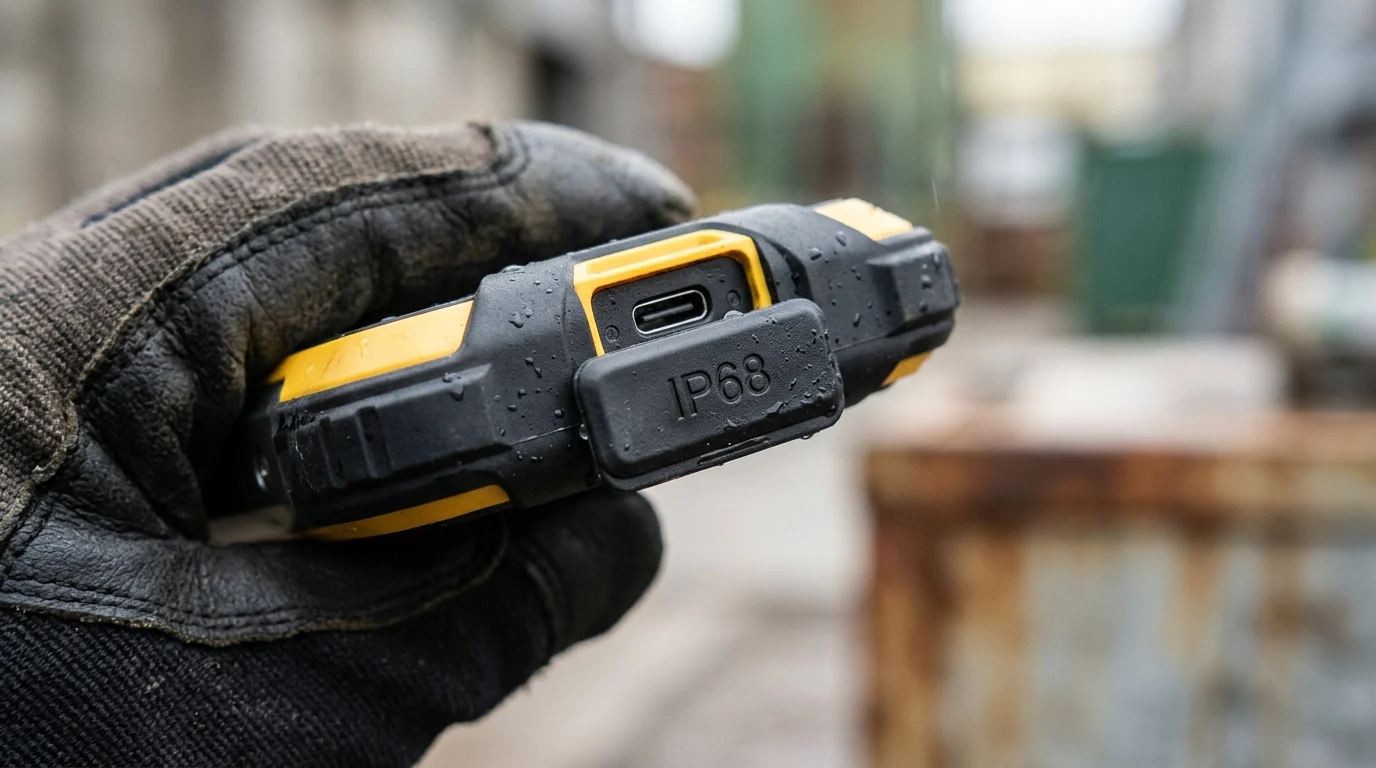
Selecting the appropriate communication hardware demands a systematic approach, aligning device specifications with the precise environmental realities of the deployment site to optimize both workforce safety and capital expenditure.
Environment-based selection steps
The selection process must begin with a comprehensive site audit and risk assessment. Safety engineers must map the facility to identify all classified hazardous areas and document the specific gas, vapor, or dust groups present, alongside their auto-ignition temperatures. If a worker’s route intersects with an ATEX Zone 1 or Zone 2 area, an intrinsically safe device is mandatory, regardless of how brief the exposure. For environments dominated strictly by environmental exposure—such as outdoor logistics yards, maritime ports, or heavy manufacturing—evaluating the required IP rating and drop resistance specifications takes precedence.
When waterproof protection is enough
Over-specifying equipment by purchasing explosion-proof devices for non-hazardous areas results in wasted budget and reduced device functionality. A rugged waterproof industrial phone is the optimal choice for sectors like agriculture, construction, commercial fleet management, and food processing. In these environments, combustible atmospheric concentrations remain well below the 1% Lower Explosive Limit (LEL) threshold. The following matrix aids in determining the appropriate hardware investment based on operational context.
| Industry / Application | Primary Environmental Hazard | Recommended Device Profile | Estimated Cost Band (USD) |
|---|---|---|---|
| Oil Refining / Chemical Plants | Continuous or intermittent explosive gases (Zone 0/1) | Intrinsically Safe / ATEX Zone 1 Smartphone | $1,500 – $3,500 |
| Mining (Underground) | Methane gas, combustible coal dust | MSHA Certified Explosion-Proof Device | $1,200 – $2,800 |
| Food & Beverage Processing | High-pressure chemical washdowns, humidity | Waterproof Industrial Phone (IP69K) | $400 – $900 |
| Construction / Logistics | Heavy rain, mud, concrete dust, drops | Waterproof Industrial Phone (IP68, MIL-STD) | $300 – $700 |
How to verify vendor documentation
Once a device category is selected, rigorous verification of vendor documentation is critical to ensure compliance and avoid liability. For explosion-proof devices, buyers must request the official Declaration of Conformity (DoC) and verify the Notified Body number stamped on the device against international databases like the IECEx equipment certification register. For a waterproof industrial phone, procurement teams should scrutinize the IP testing reports to confirm the exact parameters of the IP68 claim—specifically the depth and duration of submersion, as the IP68 standard allows manufacturers to define their own testing parameters provided they exceed the baseline of 1 meter for 30 minutes. Ensuring the vendor provides a clear Minimum Order Quantity (MOQ) policy and a guaranteed multi-year warranty will further secure the enterprise investment.
Key Takeaways
- The most important conclusions and rationale for Waterproof Industrial Phone
- Specs, compliance, and risk checks worth validating before you commit
- Practical next steps and caveats readers can apply immediately
Frequently Asked Questions
Is a waterproof industrial phone safe in hazardous gas areas?
No. IP ratings only block water and dust. Hazardous areas require explosion-proof or intrinsically safe certification such as ATEX or NEC-compliant models.
What does IP68 mean on an industrial phone?
IP68 means strong dust sealing and water resistance, typically including temporary submersion. It does not certify the phone for explosive atmospheres.
When should I choose an explosion-proof phone instead of a waterproof one?
Choose explosion-proof phones for oil, gas, mining, chemical, or dust-risk zones. Choose waterproof phones for rain, washdown, offshore weather, or wet industrial areas without ignition risk.
Can one phone be both explosion-proof and waterproof?
Yes. Some industrial models combine hazardous-area certification with high IP protection. Always verify both the Ex certification and the IP rating on the product datasheet.
How can Siniwo help select the right industrial phone?
Siniwo can match site conditions, required certifications, and installation needs, then provide design, integration, and maintenance support for harsh or hazardous environments.
Post time: Apr-23-2026