
Selecting a durable marine console handset is crucial for effective ship communication. Harsh maritime environments pose significant challenges, such as extreme temperatures, constant vibrations from engines, corrosive salt spray, and high humidity. These factors can severely impact performance and durability. I believe that understanding these challenges helps me choose the right device. Essential features like weatherproofing and compliance with maritime standards ensure reliability. Investing in an IP67 waterproof handset for ships can safeguard against these elements, enhancing maritime communication safety. Additionally, Siniwo marine solutions provide advanced options that cater to the specific needs of maritime operations, ensuring seamless and secure communication on board.
Key Takeaways
- Choose marine console handsets with a high IP67 rating for maximum weatherproofing. This protects against dust and water, ensuring reliable communication in harsh conditions.
- Invest in durable materials like fiberglass and UV-resistant plastics. These materials enhance longevity and reduce the need for frequent replacements.
- Prioritize compliance with maritime standards such as SOLAS and IEC 60945. This ensures safety and reliability, crucial for effective maritime operations.
- Look for ergonomic designs that minimize operator fatigue. Features like adjustable seating and easy-to-reach controls enhance comfort during long hours at sea.
- Select handsets with advanced connectivity options like digital switching systems. These features improve operational efficiency and simplify onboard communication.
Weatherproofing in Marine Console Handsets
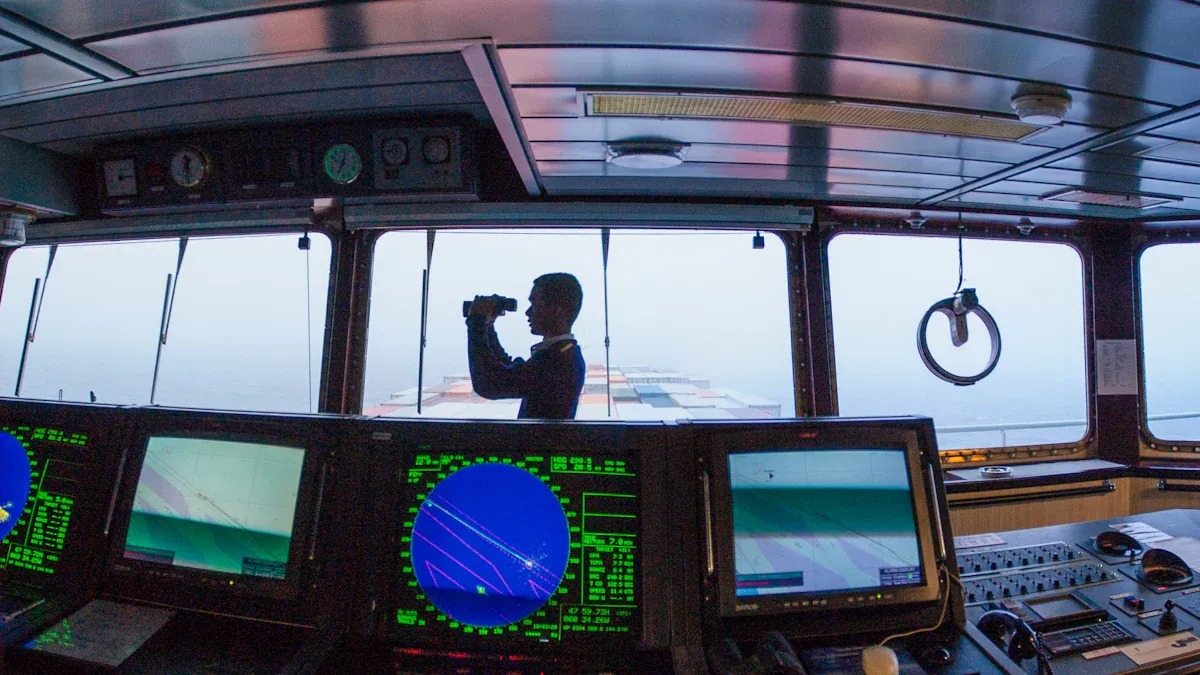
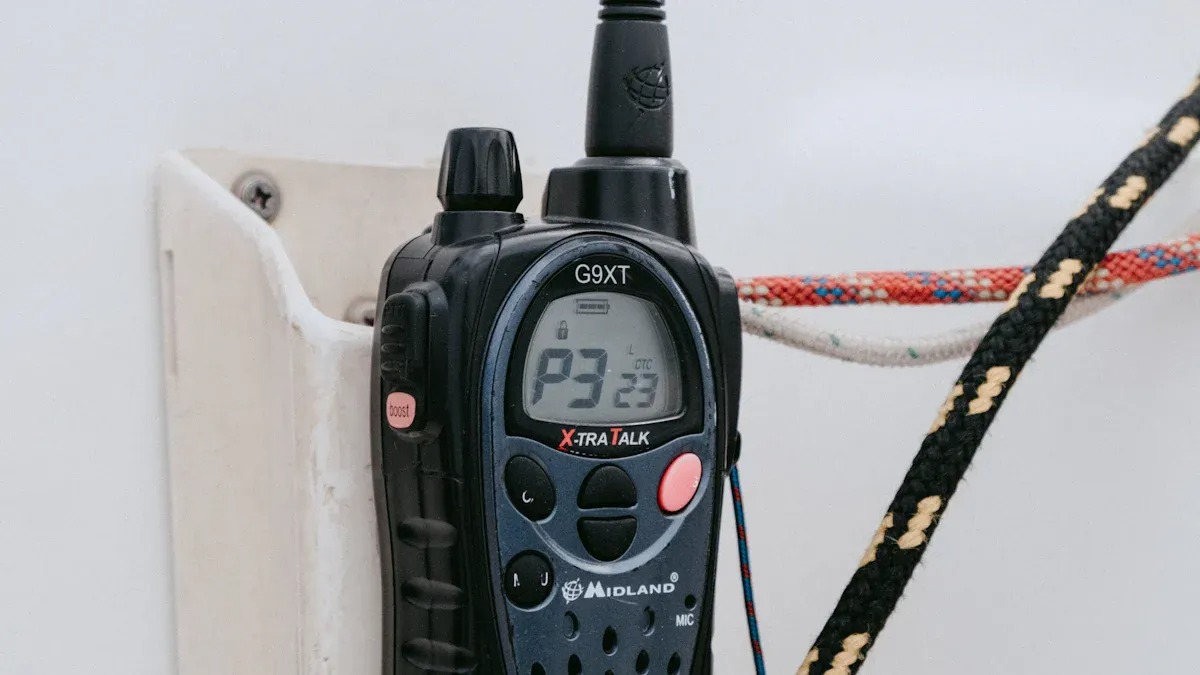
Weatherproofing is a critical feature for marine console handsets. I have learned that these devices must endure harsh conditions, including rain, salt spray, and humidity. A reliable marine console handset should have a high Ingress Protection (IP) rating. The IP67 rating is particularly important. It guarantees complete protection against dust and immersion in water up to 1 meter for 30 minutes. This level of protection ensures that communication remains operational even in extreme maritime conditions.
Here are some key aspects of weatherproofing that I consider essential:
| Feature | Description |
|---|---|
| IP67 Rating | Provides complete protection against dust and immersion in water up to 1 meter for 30 minutes. |
| Importance in Marine Systems | Ensures reliable communication and operational safety in extreme maritime conditions. |
| Compliance Standards | Must meet IEC, IMO, and SOLAS standards for safety and functionality with vessel systems. |
| Durability Benefits | Reduces need for frequent replacements, saving on repairs and maintenance costs. |
| Additional Protection | Must withstand salt, humidity, and vibration, ensuring longevity in harsh marine environments. |
Inadequate IP ratings can lead to water intrusion. This intrusion can cause short circuits and damage connected systems. Saltwater is particularly corrosive. Even minimal exposure can result in rapid internal component degradation. This degradation can lead to unpredictable failures that may leave users stranded.
I also find that the materials used in the construction of marine console handsets play a significant role in their weatherproofing capabilities. Effective materials include:
| Material | Description |
|---|---|
| Epoxy Resins | Used for potting and encapsulating electronic components to protect against moisture and corrosion. |
| Potting Compounds | Effective for sealing and protecting sensitive electronics in marine environments. |
| Fiberglass Resins | Commonly used in boat repairs, can be applied with precision for weatherproofing applications. |
| 3D Printed Shells | Useful for creating custom molds for encapsulation, enhancing protection against water ingress. |
| JB Weld | A low-budget option for securing and weatherproofing exposed sensor boards. |
| Wax | Can be used for sealing but has limitations due to melting point; suitable for certain applications. |
| Professional Potting | Hot-melt compounds that reduce waste and mess, ideal for more permanent installations. |
Moreover, I have noticed that quality marine audio products utilize specialized plastics. For instance, Centrex 814 is engineered to resist the damaging effects of UV rays. This prevents issues such as fading, cracking, and overall material degradation.
To ensure the longevity of marine console handsets, I recommend the following practices:
- Use UV-resistant materials to prevent fading and discoloration.
- Adhere to industry-standard testing procedures to confirm reliability under extreme conditions.
- Ensure that the design allows for functionality despite prolonged exposure to elements.
By prioritizing weatherproofing, I can ensure that my marine console handsets remain functional and reliable, even in the most challenging maritime environments.
Durability of Marine Console Handsets
Durability stands as a cornerstone feature for marine console handsets. I recognize that these devices must endure extreme conditions, including high humidity, salt exposure, and physical shocks from waves and vibrations. A robust marine console handset should resist these challenges to maintain reliable communication on board.
One of the most critical aspects of durability is the shock and vibration resistance ratings. These ratings indicate how well a device can withstand mechanical stress. I have learned that a high rating ensures the handset remains operational despite the harsh conditions of maritime environments. This capability is vital for maintaining the operational integrity of the handsets. They must function reliably even when exposed to extreme temperatures and physical shocks.
Here are some key factors that contribute to the durability of marine console handsets:
- Material Quality: The materials used in construction play a significant role in durability. High-quality plastics and metals resist corrosion and wear. I prefer handsets made from materials like fiberglass or specialized UV-resistant plastics. These materials can withstand the elements better than standard options.
- Shock Absorption: Many marine console handsets feature built-in shock-absorbing mechanisms. These mechanisms help protect internal components from damage during rough seas. I find that handsets with rubberized casings or reinforced structures offer better protection against impacts.
- Vibration Resistance: Handsets designed for marine use often include features that minimize the effects of vibrations. This design ensures that the device remains functional even when subjected to constant movement. I appreciate handsets that have been tested for vibration resistance, as they provide peace of mind during turbulent conditions.
- Sealing and Protection: Effective sealing against moisture and dust is essential for durability. I look for handsets with gaskets and seals that prevent water ingress. This feature is crucial for maintaining functionality over time, especially in saltwater environments.
In my experience, investing in a durable marine console handset pays off in the long run. It reduces the need for frequent replacements and repairs, ultimately saving money. I recommend considering these durability factors when selecting a marine console handset to ensure it meets the demands of maritime operations.
Compliance with Maritime Standards for Marine Console Handsets
Compliance with maritime standards is essential when selecting marine console handsets. I have learned that these standards ensure safety, reliability, and performance in challenging marine environments. Adhering to these regulations helps me choose devices that can withstand the rigors of life at sea.
Several key international standards guide the selection of marine console handsets. Here’s a summary of these important standards:
| Standard | Description |
|---|---|
| IEC 60945 | This standard focuses on maritime navigation and radiocommunication equipment, ensuring reliability in marine environments. |
| IACS UR E10 | This unified requirement addresses type approval for electrical and electronic equipment on ships, emphasizing performance under harsh conditions. |
| DNV-CG-0339 | This classification guideline ensures compliance with safety and performance standards for marine electronics. |
I find that compliance with SOLAS (Safety of Life at Sea) and IEC standards significantly impacts my selection process. Here are some key points I consider:
- Compliance with SOLAS ensures that marine console handsets meet essential safety requirements for life at sea.
- IEC 60945 addresses environmental and electromagnetic compatibility (EMC) standards, which are critical for the reliability of marine equipment.
- Adhering to these standards influences my selection process by ensuring that equipment is not only safe but also suitable for the operational environment.
By prioritizing compliance with these maritime standards, I can ensure that the marine console handsets I choose will perform reliably and safely. This focus on standards ultimately enhances communication and operational efficiency on board.
Ergonomic Design of Marine Console Handsets
Ergonomic design plays a vital role in the functionality of marine console handsets. I have found that a well-designed handset can significantly enhance comfort and usability for operators. This design is especially important during long hours at sea, where fatigue can impact performance.
One of the key ergonomic features I value is the smart, ergonomic console layout. This layout is designed for optimal accessibility and comfort. It allows me to reach controls easily without straining. Additionally, features like tilt hydraulic steering with power assist enhance maneuverability. This design reduces physical strain during operation, making it easier to navigate challenging waters.
Here are some common ergonomic features I appreciate in marine console handsets:
| Ergonomic Feature | Description |
|---|---|
| Smart, ergonomic console layout | Designed for optimal accessibility and comfort for marine professionals. |
| Tilt Hydraulic Steering with Power Assist | Enhances maneuverability and reduces physical strain during operation. |
| Helm design | Features a large dash for multi-function displays and easy-to-read gauges. |
I have noticed that ergonomic design reduces operator fatigue during extended marine operations. It minimizes the risk of musculoskeletal injuries, which enhances crew efficiency and alertness. Here are some benefits I have experienced:
- Ergonomic design minimizes physical strain, crucial in marine environments where operators face excessive stress.
- High workloads in challenging conditions can lead to fatigue and increased risk of human error.
- Effective ergonomic practices help manage fatigue and improve crew performance and safety.
Moreover, I have found that ergonomic seating provides lumbar support and cushioning. This feature reduces fatigue during long periods on the water. Proper helm design, including adjustable seating and easy-to-reach controls, decreases strain on the operator. This enhances comfort and control, allowing me to focus on navigation and communication.
In my experience, investing in ergonomic marine console handsets pays off. These handsets not only improve comfort but also enhance overall operational efficiency.
Connectivity Options for Marine Console Handsets
Connectivity options are vital for marine console handsets. I have found that modern handsets offer various ways to connect with onboard systems. These connections enhance communication and improve overall functionality.
One of the most significant advancements is the use of digital switching systems. These systems replace traditional mechanical switches with digitally controlled power distribution modules. This change simplifies operations and increases reliability. I appreciate how these systems allow for more precise control over various functions on board.
Another impressive feature is SmartCraft® digital technology. This technology integrates engine performance data with other onboard systems, such as audio, GPS, and radar. I find that having all this information in one display makes it easier to monitor and manage different aspects of the vessel.
Additionally, the integration of digital communication systems, like SportLink®, allows marine console handsets to manage various onboard electronics effectively. This unification leads to improved coordination among devices, such as VHF radios equipped with emergency signaling features like DSC. These enhancements not only simplify operations but also significantly improve safety and the overall boating experience.
Here’s a summary of some key connectivity options I consider essential:
| Connectivity Option | Description |
|---|---|
| Digital Switching Systems | Replace traditional mechanical switches with digitally controlled power distribution modules. |
| SmartCraft® Digital Tech | Integrates engine performance data with onboard systems like audio, GPS, and radar into one display. |
In my experience, choosing a marine console handset with robust connectivity options enhances operational efficiency. It allows me to focus on navigation and communication without worrying about system compatibility.
Installation and Maintenance of Marine Console Handsets
Installing and maintaining marine console handsets is crucial for ensuring long-term reliability. I have learned that following proper installation procedures can significantly enhance the performance of these devices. Here are the steps I recommend for a successful installation:
- Measure your console space to determine available width, depth, and proximity to other instruments.
- Identify the mounting surface type, whether it’s fiberglass, plastic, metal, or wood. This helps in choosing the appropriate mounting method.
- Check the dimensions of your handset and case to ensure compatibility with the mount.
- Select the mount type based on your intended use: clamp-on or magnetic for temporary use, screw-mounted for permanent setups, or quick-release for frequent removal.
- Evaluate environmental exposure to choose materials that resist UV and salt spray.
- Test the adjustability of the mount to ensure it allows for easy rotation and one-handed operation.
- Avoid mounts with pure plastic construction, no rubber padding, vague compatibility claims, or lack of customer reviews on durability.
Once installed, I find that regular maintenance is essential for keeping marine console handsets in optimal condition. While specific frequencies for maintenance may not be directly mentioned in guidelines, I always refer to the manufacturer’s instruction manual. This manual provides valuable insights into maintaining operational efficiency and compliance with performance standards.
Common maintenance issues I encounter with marine console handsets include:
- Hull and structural repairs due to damage from grounding or collisions.
- Electrical system repairs, such as faulty wiring and blown fuses.
- Plumbing and water system repairs, including leaks and pump failures.
By staying proactive with installation and maintenance, I can ensure that my marine console handsets remain functional and reliable, even in the most demanding maritime environments.
In summary, I recognize that selecting a marine console handset involves considering several essential features. These include weatherproofing, durability, compliance with maritime standards, ergonomic design, and connectivity options. Prioritizing these features ensures effective communication in challenging maritime environments.
I have learned that investing in high-quality handsets leads to long-term benefits. For instance, they enhance communication, improve safety, and contribute to a better overall boating experience. By following recommendations from maritime organizations, I can make informed choices that enhance reliability in maritime operations.
Remember, a reliable marine console handset is not just a tool; it’s a lifeline at sea.
FAQ
What is the importance of weatherproofing in marine console handsets?
Weatherproofing protects handsets from harsh maritime conditions. I find that a high IP rating, like IP67, ensures devices resist water and dust, maintaining reliable communication even in extreme environments.
How do I choose the right marine console handset for my needs?
I recommend considering factors like durability, compliance with maritime standards, and connectivity options. Assess your specific operational requirements to select a handset that meets your needs effectively.
What maintenance practices should I follow for marine console handsets?
Regularly inspect for damage, clean the device, and check connections. I also recommend following the manufacturer’s guidelines for maintenance to ensure optimal performance and longevity.
Can I install marine console handsets myself?
Yes, I have successfully installed handsets myself. Ensure you follow proper installation procedures and use the right tools. If unsure, consult a professional for assistance.
What are the common connectivity options in modern marine console handsets?
Modern handsets often feature digital switching systems and SmartCraft® technology. These options enhance communication and integrate various onboard systems for improved functionality.
Post time: Feb-05-2026