
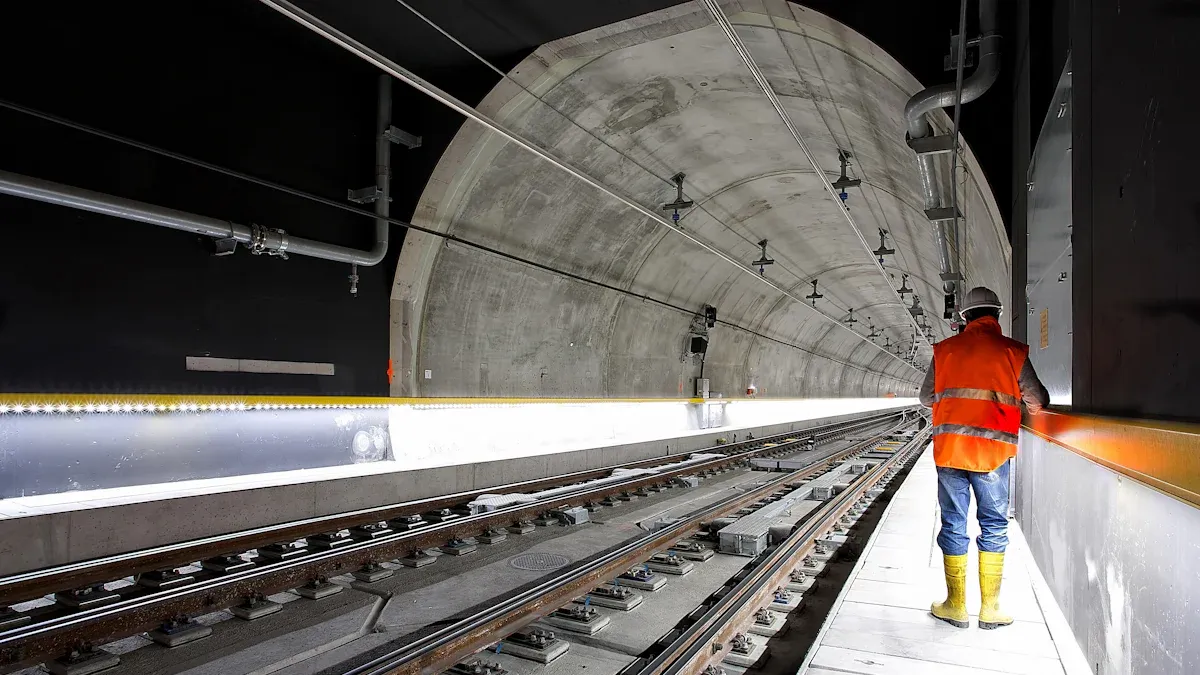
Effective communication plays a critical role during tunnel emergencies. In confined spaces, clear and timely information can save lives. A visual emergency telephone for tunnel use significantly enhances safety by providing both audible and visual alerts. These visual emergency telephone systems address challenges such as limited visibility and high noise levels, ensuring that individuals receive crucial instructions even in the most demanding situations. Additionally, a fiber optic telephone can be integrated into the tunnel emergency telephone system to improve connectivity. This is essential for long-haul tunnel communication, allowing for seamless communication across extensive distances. Furthermore, a pipeline corridor emergency telephone can be implemented to ensure safety in adjacent areas, providing a comprehensive approach to emergency communication.
Key Takeaways
- Visual emergency telephone systems combine visual and auditory signals to improve communication during tunnel emergencies.
- Training programs are essential for educating users about the system, ensuring effective emergency responses.
- Integrating these systems with existing infrastructure enhances safety and communication efficiency in long-haul tunnels.
Challenges in Tunnel Communication

Limited Visibility
Limited visibility poses a significant challenge in tunnel communication. Inadequate lighting standards often hinder the ability of individuals to locate emergency communication devices. According to the NFPA 130 Standard, which governs fire protection and life safety for transit systems, emergency lighting requirements are crucial. However, many tunnel systems were constructed before these standards were established, leading to compliance challenges. As a result, poor visibility can make it difficult for individuals to find visual emergency telephones during critical moments.
| Evidence Type | Description |
|---|---|
| NFPA 130 Standard | Governs fire protection and life safety for transit systems, including emergency lighting requirements. |
| Compliance Challenges | Many tunnel systems were built before NFPA 130 existed or before its requirements became specific. |
| Impact on Visibility | Inadequate lighting standards hinder visibility, making it difficult to locate emergency devices. |
Noise and Distraction
Noise and distractions significantly impact communication effectiveness in tunnels. High noise levels can increase cognitive load, making it challenging for individuals to concentrate on emergency instructions. Research indicates that distractions, whether avoidable or unavoidable, can lead to communication breakdowns. For instance, irrelevant chatter during emergencies can add to background noise, reducing clarity. Effective communication requires clear declarations of emergencies and the use of closed-loop communication to counteract physiological stress responses, such as tunnel vision.
- Distractions and interruptions can significantly impact communication effectiveness during emergencies.
- Awareness of the risks of interruptions is crucial for all staff.
- Noise acts as a distraction, reducing communication clarity.
- Systems should be designed to minimize distractions, such as reducing unnecessary alarms.
Emergency Response Delays
Emergency response delays often occur due to communication barriers in tunnels. Research shows that tunnel users can take between 5 to 15 minutes to decide on their actions during emergencies. This delay can significantly hinder evacuation efforts. The enclosed nature of tunnels complicates emergency response further, as limited ventilation and structural constraints can impede firefighting and rescue operations.
- Tunnel users may take considerable time to decide on actions during emergencies.
- The enclosed nature of tunnels complicates emergency response due to limited ventilation.
These challenges highlight the need for effective communication systems, such as visual emergency telephones, to enhance safety and streamline emergency responses in tunnel environments.
Proposed Solutions for Visual Emergency Telephone Systems
Overview of Visual Emergency Telephone Systems
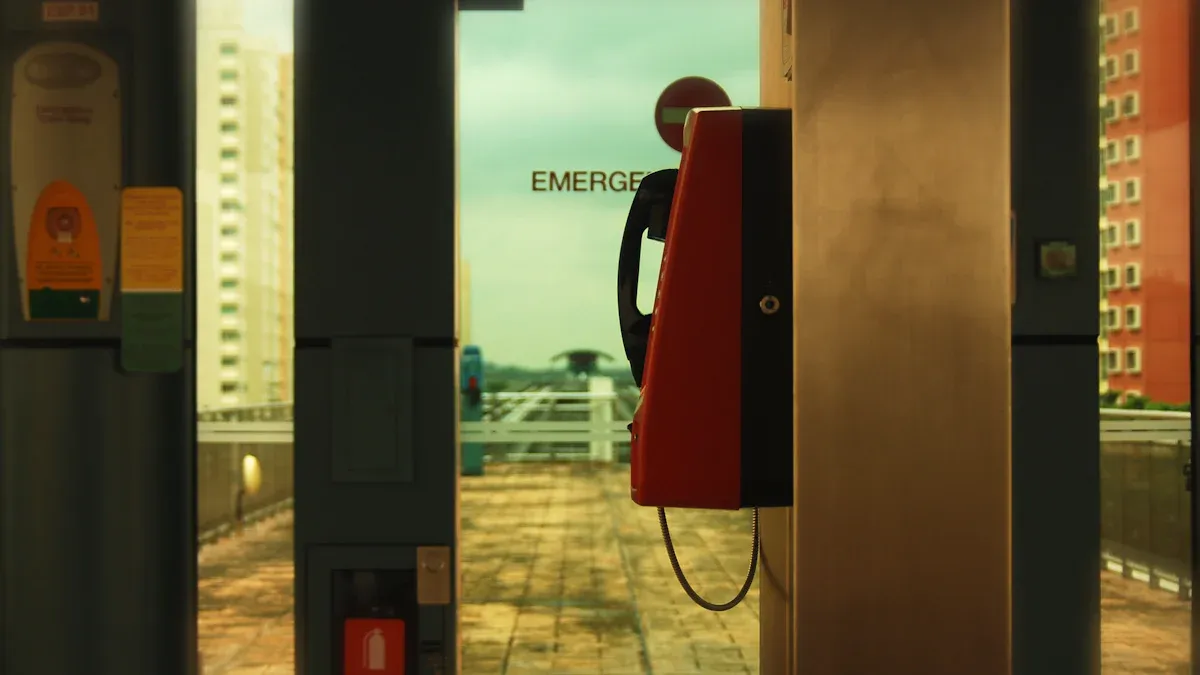
Visual emergency telephone systems serve as a critical communication tool in tunnel environments. These systems combine visual and auditory signals to ensure that individuals receive timely alerts and instructions during emergencies. Key components of these systems include:
| Component | Functionality |
|---|---|
| Nurse Call Annunciator | Monitors up to 48 individual zones; can be combined for larger facilities. |
| Call Stations | Customizable options including call cord, push button, and string pull cord. |
| Corridor Light Fixture | Indicates the location of the call above the entryway to the room. |
| Control Module | Distinguishes between emergency and regular calls through different signals. |
| 24VDC Power Supply | Powers the entire system. |
These components work together to create a reliable communication network that addresses the unique challenges of long-haul tunnels. For instance, the system provides alternative communication methods in areas with weak or no cellular reception, ensuring connectivity where traditional systems fail.
Integration with Existing Infrastructure
Integrating visual emergency telephone systems with existing tunnel infrastructure is essential for maximizing their effectiveness. This process involves assessing current communication systems and identifying gaps that the new system can fill. The integration should consider:
- Compatibility with existing power supplies and communication networks.
- The need for retrofitting or upgrading current infrastructure to accommodate new technology.
- Ensuring that the system meets international safety standards, such as maintaining luminance levels of at least 150 cd/m² and a minimum contrast ratio of 5:1 for visibility.
By addressing these factors, stakeholders can create a seamless communication environment that enhances safety and efficiency during emergencies.
Training and Awareness Programs
Training and awareness programs play a vital role in the successful implementation of visual emergency telephone systems. These programs should focus on educating tunnel users and emergency responders about the system’s functionalities and proper usage. Key elements of effective training include:
- Hands-on demonstrations of the visual emergency telephone system to familiarize users with its features.
- Regular drills to practice emergency response procedures, ensuring that individuals know how to access and utilize the system effectively.
- Awareness campaigns to inform all tunnel users about the importance of the system and how it can aid in emergency situations.
Such initiatives not only enhance user confidence but also contribute to a culture of safety within tunnel environments.
Features of the Visual Emergency Telephone System
Visual Indicators and Alerts
Visual indicators and alerts form a crucial part of the visual emergency telephone system. User studies reveal that different colors of alerting lights convey varying levels of hazard. Red lights serve as the most effective warning signal. Additionally, the speed of the light’s flash rate influences perceived urgency; faster rates indicate greater danger. Combining visual signals with auditory alarms enhances the effectiveness of these alerts during emergencies. This dual approach ensures that individuals receive clear and immediate notifications, even in high-stress situations.
User-Friendly Interface
A user-friendly interface is essential for the success of any emergency communication system. The visual emergency telephone system features intuitive controls that allow users to operate it with minimal training. Large buttons and clear labeling ensure that individuals can quickly access emergency services. Furthermore, the system provides visual prompts that guide users through the process, reducing confusion during critical moments. This design prioritizes ease of use, enabling quick responses in emergencies.
Connectivity and Reliability
Connectivity and reliability are paramount in emergency situations. The visual emergency telephone system utilizes robust technology to maintain communication even in challenging environments. It integrates seamlessly with existing infrastructure, ensuring that users can access help without interruption. Regular maintenance is vital to prevent common issues, such as device temperature failures and undervoltage problems. A proactive maintenance schedule can mitigate these risks, ensuring that the system remains operational when needed most.
Implementation Strategies for Visual Emergency Telephone Systems
Pilot Projects and Testing
Implementing visual emergency telephone systems requires careful planning. Organizations should initiate pilot projects to test the system in real-world scenarios. These projects allow stakeholders to evaluate the system’s effectiveness and identify potential issues before full-scale deployment. Testing should include various emergency situations to ensure the system performs reliably under different conditions. Feedback from users during these trials can guide necessary adjustments.
Stakeholder Engagement
Engaging stakeholders is crucial for successful implementation. Key stakeholders include tunnel operators, emergency responders, and local authorities. Regular meetings and workshops can facilitate open communication and collaboration. Stakeholders should participate in the design and testing phases to ensure the system meets their needs. Their insights can help refine the system and enhance its overall effectiveness.
Tip: Establishing a stakeholder advisory group can provide ongoing support and feedback throughout the implementation process.
Budgeting and Funding Considerations
Budgeting for visual emergency telephone systems involves several factors. Organizations must account for equipment costs, installation, and maintenance. They should also consider potential funding sources, such as government grants or public-private partnerships. A detailed budget plan can help secure necessary resources and ensure the project remains financially viable.
By addressing these implementation strategies, organizations can enhance the safety and effectiveness of communication systems in long-haul tunnels.
Case Studies and Results of Visual Emergency Telephone Systems
Successful Implementations
Several case studies highlight the successful implementation of visual emergency telephone systems in long-haul tunnels. One notable example is the Flenja Tunnel in Norway. The Norwegian Public Road Administration (Vegvesenet) deployed Norphonic Heavy Duty VoIP Telephones for emergency communications. This system significantly improved emergency response times and provided easy access for stranded motorists. Additionally, the system’s future upgradeability ensures long-term effectiveness.
Lessons Learned
The deployment of visual emergency telephone systems has yielded valuable lessons for future projects. Key takeaways include:
- A modular design simplifies maintenance and allows for easier visual inspections and functional checks.
- Modular replacement capabilities reduce repair time and complexity, lowering life-cycle costs while improving system availability.
- Tailored communication solutions are essential for reliable operation in challenging tunnel environments.
- Careful design, rigorous testing, and professional implementation enhance communication reliability and operational safety.
- These lessons set a new standard for communication systems in tunnels, contributing to industry best practices and safer operations worldwide.
Impact on Safety Metrics
The introduction of visual emergency telephone systems has positively impacted safety metrics in tunnel environments. Enhanced communication capabilities lead to quicker emergency responses, reducing evacuation times. Improved user awareness of emergency protocols also contributes to a safer environment. Overall, these systems play a crucial role in minimizing risks and ensuring the safety of tunnel users.
The implementation of visual emergency telephone systems significantly enhances communication in long-haul tunnels. Key points include:
| Main Point | Description |
|---|---|
| Communication Efficiency | The implementation reduced phone-communication time by 22%, improving efficiency without increasing mortality or transportation time. |
| Miscommunication Issues | Conventional communication methods led to stress and misidentification of patient information, which the app aimed to mitigate. |
| Real-Time Information Sharing | The app’s ability to share visual information helped ED staff prepare for incoming patients, enhancing clinical practice quality. |
| Suitability for Patients | The NSER mobile app is particularly beneficial for patients needing emergency interventions, though less so for those in critical situations like cardiac arrest. |
These systems can dramatically improve safety outcomes. Stakeholders should explore and implement these technologies to protect tunnel users effectively.
FAQ
What is a visual emergency telephone system?
A visual emergency telephone system combines visual and auditory signals to enhance communication during emergencies in tunnel environments.
How does this system improve safety?
This system provides clear alerts and instructions, reducing response times and minimizing confusion during emergencies.
Are there training programs for users?
Yes, training programs educate users on the system’s functionalities and proper usage to ensure effective emergency responses.
Post time: Mar-24-2026