
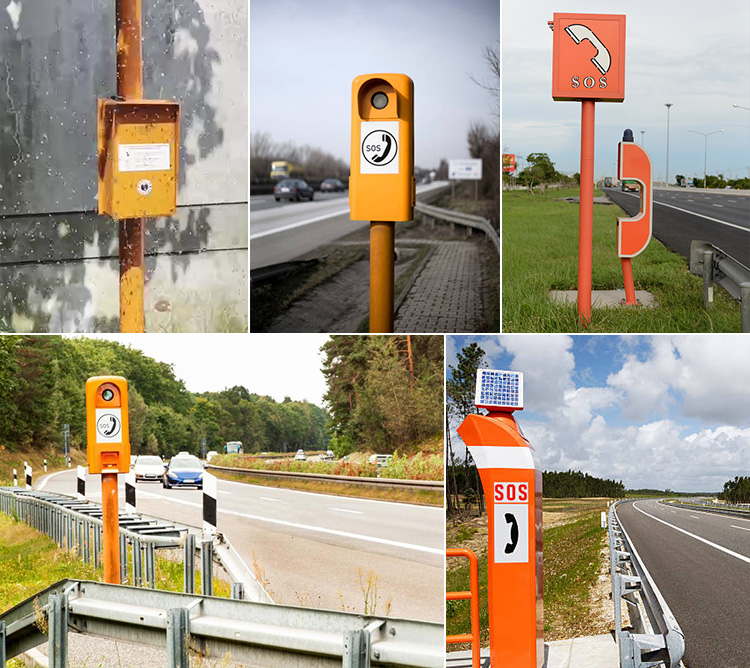
Our Weatherproof Telephones with advanced IP ratings offer superior durability, providing reliability and long-term cost savings that far outweigh their initial cost, making them a crucial and worthwhile investment for public and industrial environments. Similarly, a Vandal Resistant Telephone also offers significant advantages in harsh settings.
Key Takeaways
- Weatherproof telephones are very important for communication in tough places. They work when regular phones fail.
- Advanced IP ratings and military standards show how strong these phones are. They protect against dust, water, and hard impacts.
- These phones help keep people safe and operations running. They reduce costly breakdowns and maintenance.
- Investing in weatherproof phones saves money over time. They last longer and prevent expensive communication failures.
- Choose phones with the right IP ratings and certifications. This ensures they meet your specific needs and environment.
The Indispensable Value of Weatherproof Telephones in Demanding Environments
Why Durability is Non-Negotiable for Critical Communication
In demanding environments, communication systems face constant threats. Extreme temperatures, dust, moisture, and physical impact can quickly disable standard equipment. Critical operations, such as those in manufacturing plants or public safety, depend on uninterrupted communication. A communication breakdown can lead to severe consequences. Therefore, durability in communication devices is not merely a preference; it is an absolute necessity. Robust construction ensures devices continue functioning when they are needed most. This reliability directly impacts safety, efficiency, and operational continuity. Weatherproof Telephones specifically address these challenges. They offer a resilient solution designed to withstand harsh conditions.
The Cost of Communication Failure in Public and Industrial Settings
Communication failures carry significant costs in both public and industrial sectors. In industrial settings, a simple communication lapse can halt production, causing substantial financial losses. It can also create hazardous situations for workers, leading to injuries or even fatalities. Public spaces, like transportation hubs or emergency services, rely on instant, clear communication. A failure here can delay emergency responses, compromise public safety, and erode trust. The financial implications extend beyond immediate losses; they include repair costs, legal liabilities, and damage to reputation. For example, a factory shutdown due to a non-functional phone costs thousands per hour. An emergency service unable to communicate effectively risks lives. Investing in durable communication tools, such as Weatherproof Telephones, prevents these costly scenarios. It safeguards personnel, protects assets, and maintains operational integrity.
Decoding Advanced IP Ratings and Military-Grade Durability for Weatherproof Telephones
Understanding IP67 Waterproofing and Beyond
Advanced Ingress Protection (IP) ratings are crucial for devices operating in challenging environments. An IP67 rating signifies a device offers complete protection against dust and can withstand temporary water immersion. For telecommunication devices to achieve an IP67 rating, they must undergo rigorous testing.
- Dust Test (the “6”): The enclosure must prevent any dust from entering. This test occurs inside a sealed dust chamber using fine talcum powder. The device must show zero dust ingress.
- Water Immersion Test (the “7”): The device must withstand 1 meter of water depth for 30 minutes. No harmful quantity of water may enter the enclosure.
While IP67 offers robust protection, IP68 provides even greater water resistance.
| Feature | IP67 | IP68 |
|---|---|---|
| Dust Protection | Complete (Level 6) | Complete (Level 6) |
| Water Depth | Up to 1 meter | Beyond 1 meter (manufacturer specified) |
| Immersion Time | Maximum 30 minutes | Continuous (manufacturer specified) |
| Testing Standard | IEC 60529 standardized | IEC 60529 + manufacturer specifications |
IP68 devices can withstand immersion in fresh water at depths greater than one meter for a duration specified by the manufacturer, typically up to 1.5 meters for 30 minutes. This offers an increased safety margin for accidental immersion.
The Rigor of Military-Grade Durability (MIL-STD-810G/H)
Beyond IP ratings, military-grade durability standards like MIL-STD-810G/H ensure devices perform under extreme conditions. This standard involves a comprehensive suite of environmental stress tests. These tests simulate real-world challenges devices might face.
- Low Pressure Altitude Testing (Method 500)
- High Temperature Testing (Method 501)
- Low Temperature Testing (Method 502)
- Temperature Shock Testing (Method 503)
- Rain Testing (Method 506)
- Humidity Testing (Method 507)
- Salt Fog Testing (Method 509)
- Sand and Dust Testing (Method 510)
- Shock Testing (Method 516)
- Vibration Testing (Method 514)
These are just a few examples from a much longer list, demonstrating the thoroughness of MIL-STD-810 testing.
How These Standards Protect Your Weatherproof Telephones
Advanced IP ratings and military-grade durability significantly enhance the longevity and operational reliability of Weatherproof Telephones. These certifications reduce failure rates by 35% in extreme environments. Devices last 50% longer on average, significantly reducing electronic waste. Industrial companies save up to 30% on maintenance costs by using certified devices.
These standards prevent common failure modes in outdoor telephone installations.
- Reliability during heavy rain or river crossings.
- Protection against sand and dust in desert operations.
- Resistance to mud and vibration in off-road conditions.
- Longer service life for LED and infrared systems.
- Safety when washing vehicles or equipment.
MIL-STD-810 addresses a wide range of environmental conditions that could cause failure. This includes low pressure, high/low temperatures, temperature shock, rain, humidity, fungus, salt fog, sand, dust, and various vibrations. The combination of MIL-STD-810 and high IP ratings prevents failures from extreme shock, temperature, and ingress of small particles like dust and water.
Beyond Basic Protection: The Operational Advantages of Weatherproof Telephones
Ensuring Uninterrupted Communication in Extreme Conditions
Weatherproof telephones offer more than just basic protection; they guarantee communication continuity in the harshest environments. These devices feature IP-rated protection, ensuring complete dust and water resistance. For example, an IP66 rating guarantees full protection from dust and heavy water jets. Their rugged construction uses robust materials like stainless steel or high-grade polymers. This design resists impact, corrosion, and wear, ensuring functionality even after bumps or falls. Weatherproof and waterproof designs protect internal components from water ingress. This makes them functional in rain, snow, and high-humidity environments. Dustproof features prevent particulates from entering enclosures. Specialized coatings protect against corrosion from salt, chemicals, or other corrosive agents. These phones also operate reliably in temperatures ranging from -40°C to +65°C, ensuring continuous service in extreme cold or heat.
Enhancing Safety and Emergency Response Capabilities
These robust communication tools significantly enhance safety and emergency response. They maintain connectivity in signal-blocked areas, such as underground tunnels or high-rise buildings. This extends coverage into challenging locations. Weatherproof telephones enable real-time voice and video transmission from the field to command centers. This facilitates rapid information sharing and coordinated rescue efforts. They integrate with public address and dispatch systems, ensuring emergency instructions reach all personnel instantly. Automated alerts trigger alarms when sensors detect hazardous conditions. This broadcasts evacuation instructions, streamlining incident response. Centralized management allows supervisors to monitor events and issue commands across multiple zones. This coordinates with first responders, reducing confusion and improving response times. Emergency call stations and duress buttons provide immediate contact with emergency services. Audible alarms and flashing lights offer rapid notification, complemented by visual notification systems in noisy environments.
Significant Reduction in Downtime and Maintenance for Weatherproof Telephones
The inherent durability of these communication devices leads to a significant reduction in downtime and maintenance. Their robust construction and resistance to environmental factors mean fewer breakdowns. This minimizes the need for frequent repairs or replacements. Businesses avoid costly operational interruptions. They ensure continuous communication, which is vital for productivity and safety. This reliability translates into substantial long-term savings. Companies spend less on parts, labor, and lost productivity. The initial investment in high-quality, durable communication solutions pays off through consistent performance and reduced operational expenditures.
Real-World Impact: Weatherproof Telephones in Action
Critical Communication in Industrial and Manufacturing Plants
Industrial and manufacturing plants rely on robust communication. These environments often present harsh conditions. A large chemical plant faced communication challenges. Mobile device restrictions in hazardous areas limited their options. After implementing intrinsically safe phone cases, the plant saw significant communication improvements. No safety incidents related to mobile device use occurred after this change. Weatherproof telephones are vital in heavy industries like oil and gas, mining, and construction sites. These areas often have dust, wet conditions, or chemical harshness. Oil rigs, for example, depend on these phones. They link offshore personnel with onshore control centers. This ensures safety and continuous operations. These telephones feature rugged enclosures, often IP66 or IP67-rated. This protects them from moisture, dust, high salinity, and extreme temperatures. They are widely used in outdoor facilities, including chemical plants and tunnels.
Reliable Connectivity in Public Spaces and Transportation Hubs
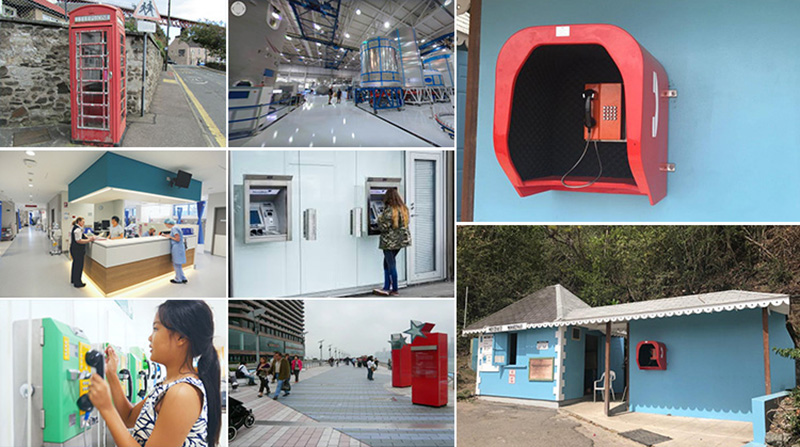
Public spaces and transportation hubs demand reliable communication for safety. Weatherproof telephones provide fast and dependable communication in these environments. They feature durable, high-visibility systems. This allows for quick responses in high-traffic and high-risk areas. Transit and specialty phones maintain consistent performance. They work well in high-noise or exposed environments. Blue light phones offer a highly visible, direct line to emergency services. Their construction resists weather, vandalism, and heavy use. This ensures reliable performance in real-world public settings. These phones ensure messages are heard. They help people reach assistance quickly, even on noisy transit platforms. They offer a simple way to get help for various emergencies. This includes medical issues or feeling unsafe. They communicate directly with two-way radios. This ensures immediate alerts even without cell service or external power. They also improve accessibility for emergency communication systems in mass transportation. They enable travelers and personnel to respond to emergencies.
Enduring Performance in Outdoor and Remote Work Sites
Remote work sites, such as mining operations or offshore oil rigs, require continuous communication. Weatherproof satellite phones, like the Iridium 9555, ensure connectivity in inaccessible areas. Traditional cellular networks are often unavailable there. These phones offer rugged durability. They resist dust, shock, and water. This reduces equipment failure risks. They provide clear voice quality over satellite. This enables reliable calls in the most remote areas. It ensures real-time coordination and effective decision-making. These devices support SMS messages and short email texts. This provides additional communication options for field reports. They have long battery life. This suits extended shifts or multi-day operations with limited power access. A durable, retractable external antenna ensures optimal signal reception. This works even in areas with weak satellite signals. They function in extreme temperatures, from -20°C to +60°C. This ensures consistent communication in harsh climates. J&R Offshore SIP-based Telephones are industrial units. They are seawater resistant and weatherproof to IP67. They operate in dirty or exposed marine areas. Norphonic telephone systems include Voice Sound Quality (VSQ) as a standard feature. This ensures loud and clear sound in noisy ambient areas.
The Compelling ROI of Investing in Weatherproof Telephones

Investing in weatherproof telephones offers significant returns, extending far beyond their initial purchase price. These robust communication tools deliver substantial long-term financial and operational benefits.
Calculating Long-Term Savings and Reduced Total Cost of Ownership
Weatherproof telephones significantly reduce the total cost of ownership (TCO) for communication infrastructure. Their inherent durability means fewer breakdowns and less frequent need for repairs or replacements. Standard telephones often fail quickly in harsh environments, requiring constant maintenance and costly downtime. Weatherproof models, built to withstand extreme conditions, minimize these expenses.
Consider the following:
- Reduced Repair Costs: Weatherproof telephones feature impact-resistant casings and sealed components. This design protects them from physical damage, dust, and moisture. Businesses spend less on parts and labor for repairs.
- Extended Lifespan: These devices last significantly longer than conventional phones in challenging settings. Their extended operational life defers replacement costs, providing greater value over time.
- Minimized Downtime: Communication failures can halt operations, leading to substantial financial losses. Weatherproof telephones ensure continuous communication, preventing costly interruptions and maintaining productivity.
- Lower Installation Costs: While initial installation might be similar, the reduced need for protective enclosures or specialized environmental controls for the phones themselves can offer savings.
By preventing frequent failures and extending service life, weatherproof telephones transform a recurring expense into a long-term asset. This strategic investment leads to considerable savings over the operational lifespan of the equipment.
Boosting Operational Efficiency and Productivity
Reliable communication forms the backbone of efficient operations, especially in demanding environments. Weatherproof telephones directly enhance productivity by ensuring seamless information exchange.
Rugged phones are specifically designed for industries like construction. They withstand drops, extreme temperatures, and chemical spillages. This ensures they remain functional in harsh environments. Construction projects increasingly depend on real-time updates and constant connectivity. If a device breaks or loses power, communication between teams stops. This hinders productivity and potentially halts critical operations. Features like NFC, push-to-talk, push-to-message, and push-to-locate on rugged smartphones enable instant updates on job progression. They allow quick resource reallocation and immediate communication of changes. All these capabilities directly contribute to improved worker productivity by preventing delays and ensuring smooth coordination.
Industrial weatherproof telephones feature impact-resistant casings. These casings endure heavy impacts, accidental drops, and rough handling common on outdoor construction sites. This durability minimizes repair costs and extends the device’s lifespan. It also ensures continuous communication. Many models boast an IP65 or higher rating. This makes them resistant to dust, water, and other environmental hazards. Workers confidently make calls without equipment failure due to rain, dust storms, or corrosive substances. This directly prevents communication breakdowns that would otherwise hinder productivity. Uninterrupted communication allows teams to coordinate tasks efficiently, share critical information instantly, and respond quickly to changing conditions. This streamlined workflow reduces errors and optimizes resource utilization, leading to higher output and better project outcomes.
Mitigating Risks and Ensuring Business Continuity
In critical environments, communication systems play a vital role in risk management and business continuity. Weatherproof telephones are indispensable tools for these functions.
They provide reliable communication during emergencies. This includes natural disasters, industrial accidents, or security threats. Their robust design ensures functionality when other systems fail. This allows personnel to report incidents, request assistance, and receive critical instructions. This capability is crucial for protecting lives and assets.
For example, in a chemical plant, an emergency call from a weatherproof telephone can initiate immediate safety protocols. This prevents a minor incident from escalating into a major catastrophe. In public spaces, these phones provide a direct link to emergency services. This ensures rapid response times during critical events.
By guaranteeing communication availability, weatherproof telephones help organizations:
- Enhance Safety: They enable quick alerts and coordinated responses during emergencies, protecting employees and the public.
- Comply with Regulations: Many industries have strict safety and communication standards. Weatherproof telephones help meet these requirements, avoiding penalties and legal liabilities.
- Maintain Operations: Even during adverse events, the ability to communicate helps manage the situation. This minimizes disruption and ensures a faster return to normal operations.
- Protect Reputation: Reliable emergency communication demonstrates a commitment to safety and responsibility. This safeguards an organization’s public image and trust.
Investing in weatherproof telephones is a proactive step in risk mitigation. It secures operational resilience and ensures business continuity, even in the face of unforeseen challenges.
Selecting the Right Weatherproof Telephones for Your Needs
Choosing the correct weatherproof telephone requires careful consideration. Organizations must evaluate their specific operational context. This ensures they invest in the most suitable communication solution.
Assessing Environmental Challenges and Specific Requirements
Organizations must first identify the unique environmental challenges their communication systems face. Manufacturing facilities, for example, present several obstacles.
- Interference: Machinery and equipment generate electromagnetic interference. This disrupts wireless signals. It leads to data loss or degraded communication quality.
- Signal attenuation: Large metal structures and concrete walls attenuate wireless signals. This reduces signal strength. It creates dead zones where communication is unreliable.
- High density of devices: Many wireless devices operate simultaneously. This congests networks. It causes delays and reduces throughput.
- High noise levels: Manufacturing processes, machinery, and equipment produce high noise levels. This adversely affects communication.
- Workstation distance: Workstations are often spaced for efficiency. This creates distance between employees.
- Social distancing: Health guidelines, like staying six feet apart, create additional communication challenges.
These factors highlight the need for robust, clear communication solutions.
Key Features and Certifications to Prioritize (e.g., ATEX, CE, FCC)
Specific environments demand particular certifications and features. For explosive atmospheres, ATEX certification is crucial. Joiwo products, for instance, meet ATEX standards for Zone 1 and Zone 2. They feature robust GRP material and IP66 protection. They handle large temperature differences, high humidity, seawater exposure, dust, corrosive atmospheres, and explosive gases. Their explosion protection rating is II 2G Ex e ib [ib] mb IIC T4 Gb; II 2D Ex ib [ib] tb IIIC T135 °Db.
For global market access, CE and FCC certifications are vital.
| Feature | FCC Certification | CE Certification |
|---|---|---|
| Regulatory Body | Federal Communications Commission (FCC) in the US | European Commission (EC) in Europe |
| Purpose | Regulates communications; ensures devices do not interfere and are safe. | Regulates goods in EEA; ensures products meet EU directives, safety, and performance. |
| Applicability | Electronic goods operating at 9 kHz or higher, sold in the United States. | Products sold or manufactured in the European Economic Area (EEA). |
FCC primarily regulates EMC emissions testing. CE Marking requires both EMC emissions and immunity testing, plus product safety testing. Both certifications are critical for bringing products to market. Failure to comply leads to monetary penalties and legal action. No single certificate covers all markets. Manufacturers aiming for broad global market access need both.
Customization and Integration for Seamless System Performance
Weatherproof telephones often require customization to meet specific industry needs.
- Keypad and Handset Design: Customization allows for ease of use with gloves or in low-light conditions.
- Mounting Options: Designs can accommodate pole, wall, flush, or pedestal installations.
- Keypad Configurations: Options include full keypads, limited keypads, or auto-dial only.
Seamless integration with existing communication systems is also essential. This ensures the new telephones function effectively within the broader infrastructure. Joiwo provides one-stop service from design and integration to installation and maintenance. This ensures optimal system performance.
Investing in weatherproof telephones with advanced IP ratings represents a strategic decision, not just an expense. These devices guarantee reliable communication, enhance safety, and provide substantial long-term financial benefits. Organizations must prioritize these robust communication solutions. They are essential for operational resilience and success in any challenging environment. Embrace durable communication’s future. This secures operations and protects investments.
FAQ
What is an IP rating, and why is it important for telephones?
An IP rating indicates a device’s protection against solids and liquids. For telephones, it ensures resistance to dust and water. This prevents damage in harsh environments, guaranteeing reliable communication. It protects internal components from environmental threats.
What does “military-grade durability” mean for a telephone?
Military-grade durability means a telephone meets MIL-STD-810 standards. It undergoes rigorous tests for shock, vibration, and temperature extremes. This ensures performance in the most challenging conditions. It signifies exceptional resilience beyond typical consumer products.
How do weatherproof telephones save money in the long run?
Weatherproof telephones reduce repair and replacement costs. Their durability minimizes downtime and maintenance needs. This leads to significant long-term savings and a lower total cost of ownership. They prevent costly operational interruptions.
What certifications should one look for in weatherproof telephones?
Look for IP ratings (e.g., IP67, IP68) and MIL-STD-810. For specific hazards, check ATEX certification. CE and FCC marks ensure compliance with international safety and quality standards. These certifications guarantee product reliability and safety.
See Also
Discover If Your Air Fryer Basket Is Dishwasher Safe Today
Best 2024 Air Fryer Alternatives Beyond BrandsMart for Your Kitchen
Essential Industrial Air Fryers for High-Volume Commercial Kitchens
Enhance Your Air Fryer Pan With These Essential Accessory Upgrades
Top 5 Compact 0.8 KG Air Fryers for Healthier Meals
Post time: Jan-15-2026