

Dispatcher consoles and Push to Talk handsets offer instant, reliable, and secure communication for industrial sites. This immediate communication capability mitigates risks and ensures safety in complex industrial environments. An effective emergency dispatching communication system, much like a military radio handset, enables rapid response and coordinated actions during emergencies. These advanced industrial communication systems are vital for operational continuity.
Key Takeaways
- Industrial sites need better communication. Old systems make it hard to reach workers. They also cause safety problems.
- Dispatcher consoles help manage everything. They bring all communication into one place. This helps dispatchers make quick decisions.
- Push-to-Talk (PTT) handsets help workers in the field. They give instant, clear messages. These devices are strong and work in tough places.
- New systems use smart technology. This includes AI and GPS. They make operations safer and more efficient.
- Upgrading now helps your business. It keeps you safe from new rules. It also prepares you for future changes.
The Critical Need for Advanced Industrial Emergency Communication
Current Communication Challenges in Industrial Settings
Industrial sites face many communication hurdles. Reaching field workers presents a significant challenge. These sites often employ diverse teams, including full-time staff, contractors, and subcontractors. They work across different shifts and age groups. Relying on managers for communication often leads to inconsistent information. Important details can be missed, especially during busy times.
Poor communication also directly impacts health and safety. Studies show many employees have faced unsafe situations due to communication failures. This highlights a serious risk. Communicating in multiple languages is another common difficulty. Many industrial sectors, like construction, have a multicultural workforce. This includes a higher number of foreign-born workers. Rapid policy changes, such as those during health crises, also create problems. Traditional methods like printed memos or emails are too slow for timely updates. They also make compliance tracking difficult.
- Reaching Field Workers: Diverse workforces across shifts and age ranges make consistent communication difficult.
- Health and Safety: Communication failures contribute significantly to workplace injuries and fatalities.
- Communicating in Multiple Languages: Multicultural teams require effective multilingual communication strategies.
- Rapid Policy Changes: Quickly disseminating clear information about evolving policies is challenging with outdated methods.
High Stakes of Industrial Emergencies
Industrial emergencies carry extremely high stakes. A communication breakdown during these events can have severe consequences. It can lead to increased injuries or even fatalities among personnel. Operations can suffer significant downtime. This results in substantial financial losses for the company. Environmental damage is another serious risk. Ineffective communication can delay critical response actions. This delay allows incidents to escalate rapidly. It prevents quick containment and mitigation efforts.
For example, a chemical spill requires immediate, precise instructions. Without them, the spill could spread, harming workers and the environment. A fire needs instant coordination among response teams. Any delay puts lives and property at greater risk. Therefore, clear and immediate communication is not just beneficial; it is essential for survival and recovery. It protects human lives, safeguards valuable assets, and preserves the environment. The cost of inadequate communication far outweighs the investment in advanced systems.
How Dispatcher Consoles Revolutionize Command and Control

Centralized Communication Hub Capabilities
Dispatcher consoles serve as the central nervous system for industrial operations. They bring all communication channels into one place. A communication hub must be easily accessible to all team members. This includes staff regardless of their role or location. An intuitive interface helps users quickly find information. Features like search functions, tagging, and filters are crucial. The hub also provides immediate updates and notifications. This keeps teams informed about important events or changes. Everyone stays current and responds promptly. Automated notifications can be set for specific events. Integration with other tools is essential for seamless information exchange. The hub integrates with project management software or document repositories. This centralizes data access. It allows participation in discussions without leaving the hub.
Enhanced Situational Awareness for Dispatchers
Dispatcher consoles significantly improve a dispatcher’s understanding of an ongoing situation. They provide specific data points for better awareness. Dispatchers track units on active patrol directly within the console environment through mapping. Live video feeds give real-time visual information to responders. This includes criminal locations, civilian presence, and operational hazards. AUX I/O enables dispatchers to control external devices. They can unlock doors, open gates, or power up emergency radio sites. Logging recorders catalog audio recordings and associated metadata. This ensures easy retrieval and a secure chain of evidence. Live social media feeds integrate critical information. This includes weather updates or incident reports. Seamless PSAP integrations allow dispatchers to see and share vital call information in real time. Pre-plan sharing enables the exchange of data like building layouts and hazardous materials. Real-time updates and insights provide live status updates on units. This tracks availability and helps allocate resources. PSAP Chat facilitates communication between dispatchers and other dispatch centers.
Streamlined Incident Management and Decision-Making
Dispatcher consoles streamline incident management workflows. They connect dispatchers and first responders. This enhances communications and provides a critical safety link across emergency command centers. They also offer streamlined security solutions. These solutions support awareness and action for everyday and emergency incidents. This includes public safety dispatch consoles, CAD, incident management, and workflow automation. In high-stakes industrial operations, dispatch consoles are crucial for rapid information dissemination and resource coordination. They enable dispatchers to synchronize shipments and organize machinery. They also provide real-time information to first responders during emergencies. The technology must be robust, reliable, and user-friendly. This facilitates quick decision-making and prevents delays or missteps. Such errors can have serious repercussions.
- Integrated Technology: Supports multiple screens, radio systems, CAD software, and communication tools in one interface.
- Optimized Workflow: Allows dispatchers to manage multiple communication channels without delay.
- Real-Time Mapping and Tracking: Integrates GIS mapping and location tracking. This provides real-time information on personnel and equipment. Dispatchers quickly identify the closest units for emergencies and enhance safety.
- Predictive Analytics: Utilizes historical data to anticipate future incidents or equipment breakdowns. This allows for proactive preparation and more accurate response paths.
- Unified Communication Platforms: Combines voice, video, and data communications for seamless coordination. This happens across various channels from a single point of contact.
- Enhanced User Interfaces: Features intuitive and user-friendly interfaces with customizable dashboards. This reduces dispatcher workload and improves efficiency.
- Data-Driven Decision-Making: Integrates data analytics to provide predictive insights. This supports informed decisions regarding issues like logistic bottlenecks or mechanical breakdowns.
Push-to-Talk Handsets: Empowering On-Site Personnel
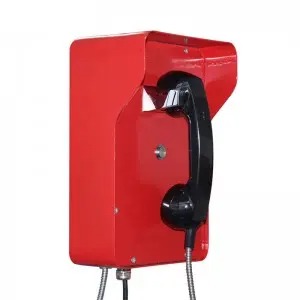
Instant, Reliable Communication for Field Teams
Push-to-Talk (PTT) handsets provide field teams with immediate and dependable communication. These devices ensure workers stay connected across vast industrial sites. Field workers and technicians receive job updates, safety alerts, and schedule changes instantly. Urgent updates transmit in seconds. This eliminates delays in decision-making. It also ensures immediate notification for time-sensitive information like emergency alerts or shift changes. Instant messaging supports real-time, two-way communication. Employees respond instantly to updates, confirm shift swaps, or ask quick questions. This fosters a sense of connection, especially for remote and frontline employees. It also increases participation in internal communications. PTT handsets are accessible on various devices, including smartphones. This ensures field teams receive critical information regardless of their location. Organizations with diverse workforces send messages in multiple languages. This ensures all employees understand critical information.
Ruggedness and Durability for Harsh Environments
Industrial environments demand communication tools that withstand extreme conditions. PTT handsets are built for ruggedness and durability. They meet stringent international standards.
| Standard | Description |
|---|---|
| IP65 | Dust tight and protected against water jets. |
| IP66 | Dust tight and protected against powerful water jets. |
| IP67 | Dust tight and protected against immersion in water up to 1 meter for 30 minutes. |
| IP68 | Dust tight and protected against continuous immersion in water beyond 1 meter. |
| IP69K | Dust tight and protected against high-pressure, high-temperature water jets. |
| MIL-STD-810G | Assesses equipment durability in various environmental conditions, including shock, vibration, and temperature extremes. |
These ratings ensure devices resist dust, water, and physical impact. For example, an IP68 rating means a device can handle prolonged water submersion. MIL-STD-810G certification indicates military-grade durability. This makes PTT handsets ideal for the toughest industrial applications.
Key Features for Industrial Use
PTT handsets offer essential features tailored for industrial operations. They are simple to use for any team. Workers often use an app on their own mobile devices. PTT technology facilitates clear communication and connectivity for frontline workers across various levels and locations. It uses cellular networks or Wi-Fi. Some PTT devices offer advanced features like live translation. This improves communication for bilingual workers. It also enhances safety and prevents hidden labor costs.
Modern PTT radios include integrated GPS Tracking and Geo-Fencing. This pinpoints workers on a live map. Geo-fencing automatically triggers alarms when units enter or exit predefined hazardous areas. Location-Based Group Calling automatically creates talkgroups when radios enter the same geo-fence. Over-the-Air Device Lock and Wipe protects lost or stolen handsets. Dispatch can remotely freeze a lost handset or scrub data. AES-256 Encrypted and MCPTT Secure Channels prevent eavesdropping. Active Noise Cancellation and Loud, Clear Audio ensure only voice transmits. Multi-Bearer Connectivity allows seamless switching between LTE/5G, Wi-Fi, and satellite. This ensures communication even if one network fails.
Improving Team Coordination and Safety
Push-to-Talk (PTT) handsets significantly enhance team coordination and safety across industrial sites. These devices allow teams to stay in touch, share updates, and receive instructions without delay. This instant connection provides quick and continuous access to support and guidance. Field teams quickly communicate with multiple team members simultaneously. This is vital for coordinating efforts on large sites or during emergencies.
PTT solutions optimize team coordination and efficiency. They include centralized team management, dispatch control, real-time location tracking, and group call functionalities. These features enhance communication for teams of any size, including multiple departments or remote teams. Real-time voice communication offers a simple, reliable solution for small teams needing fast, instant voice connectivity. This ensures crystal-clear audio and secure channels for coordinating events or operations.
In high-stakes situations, an emergency SOS button initiates instant livestreaming with supervisors. This provides immediate visibility and allows for real-time support and critical guidance. This feature improves safety and assurance. A 2-Way POC PTT Radio allows technicians to send voice messages instantly and receive immediate feedback from supervisors. This enhances productivity and safety through hands-free operation. Real-time GPS tracking provides location monitoring. This is essential for coordinating teams and resources effectively.
Industries like security and emergency response rely on PTT for advanced mission-critical communication. First responders use PTT for rapid coordination. This enables quick decision-making and resource deployment to save lives. Police and fire departments coordinate during incidents to stay informed and synchronized. This leads to faster response times and improved situational awareness. Healthcare and Emergency Medical Services also use PTT devices. They facilitate quick communication among medical teams in hospitals and emergency vehicles. This supports coordination during patient transfers, emergency responses, and routine operations. Secure channels ensure patient confidentiality.
Advanced location services provide security leaders with visibility into asset tracking, staff locations, and team preparedness. This improves oversight and decision-making during routine operations and emergencies. It also helps assure accountability and timely surveillance. PTT connects over Wi-Fi or LTE, enabling real-time communication globally. This ensures teams are always reachable. They can communicate with their Global Security Operations Center (GSOC), even when distributed across campuses or performing transnational duties. PTT allows 1:1, group, or organization-wide communication. This is crucial for incident response. It ensures personnel receive relevant information without distraction. End-to-end encryption (E2EE) is foundational to PTT. It ensures sensitive communications and data remain secure from unauthorized access. This is vital for maintaining operational integrity during critical situations.
Synergy: Dispatcher Consoles and PTT Handsets for Unmatched Control
The combination of dispatcher consoles and Push-to-Talk (PTT) handsets creates a powerful, integrated communication system. This synergy provides industrial sites with unparalleled control over their operations and emergency responses. Dispatchers gain a comprehensive overview, while field personnel receive immediate, actionable information. This integrated approach ensures every team member stays connected and informed, leading to safer and more efficient operations.
Real-Time Information Exchange and Seamless Communication
Dispatcher consoles serve as the central communication control systems. They provide a hardware or software interface for dispatchers to manage the organization’s radio network. Dispatchers control talk groups, voice channels, and patch different radio systems together. Modern systems integrate these consoles with Computer-Aided Dispatch (CAD) platforms. This allows seamless communication of commands to field units through the radio network.
The migration to IP-based networks, including 4G and 5G, standardizes internal communications on the IP protocol. This transforms the communication channel into a transport layer for diverse data sources. It enables sophisticated orchestration of information. For example, specialized software applications like SmartPTT Enterprise and TRBOnet Enterprise are PC-based client-server dispatcher software. They connect directly to MOTOTRBO repeaters via IP protocol. This provides enhanced control over radio subscribers without needing control stations. Multicast audio streams use standard voice codecs to digitize and compress voice. They send it via Real-Time Protocol (RTP), allowing many dispatch consoles to participate efficiently.
Furthermore, solutions like iTalkie™ add walkie-talkie, messaging, and phone-like intercom features to mobile computers. This peer-to-peer solution provides serverless one-to-one calls and presence over Wi-Fi networks. iTalkie™ delivers clear audio in real-time. Immediate reception occurs upon pressing the PTT button, avoiding delays found in record-then-send mechanisms. This allows private calls from radios to route automatically to individual dispatchers or clients on IP networks. IP users can then communicate with voice and text with radio users.
Coordinated Emergency Response and Incident Resolution
The seamless integration of dispatcher consoles and PTT handsets significantly enhances coordinated emergency response and incident resolution. Dispatchers, with their centralized view, can quickly assess situations and disseminate critical information to all relevant field teams simultaneously. PTT handsets ensure that on-site personnel receive these instructions instantly, allowing for rapid and synchronized actions. This eliminates communication delays that can escalate emergencies.
For instance, during a chemical spill, the dispatcher receives real-time sensor data and immediately broadcasts instructions to hazmat teams via PTT. Field teams, equipped with rugged handsets, confirm receipt and report back on conditions, all in real-time. This continuous loop of information exchange enables dispatchers to make informed decisions and adjust strategies as the incident evolves. The system facilitates quick resource allocation, directing the nearest and most appropriate units to the scene. This coordinated effort minimizes response times, reduces potential harm, and ensures a more efficient resolution of the incident.
Geospatial Awareness and Resource Tracking
Modern dispatching systems integrate advanced geospatial awareness capabilities. These features provide dispatchers with a clear, real-time understanding of their operational environment and resource locations.
| Capability | Description | Benefit |
|---|---|---|
| Modern Mapping & GIS | Provides real-time maps with custom data layers (traffic, assets, weather conditions). | Lowers fuel costs and prevents penalties by routing units around traffic, ensuring the fastest, most efficient path. |
| Automated Vehicle Location (AVL) | GPS tracking for constant, real-time view of vehicle position and speed, paired with unit status tracking. | Gives dispatchers total visibility, allowing for smarter, faster assignments. |
Dispatchers track emergency units in real-time. This allows them to deploy the nearest available units quickly. Dynamic mapping displays up-to-date information on traffic conditions and potential obstacles. This integration with GPS technology provides real-time tracking of emergency vehicles and personnel.
Real-time situational awareness (RTSA) continuously monitors and analyzes information within a given environment. Geographic Information System (GIS) technology connects data to a map, integrating location and descriptive information. Real-time GIS capabilities simultaneously ingest, integrate, analyze, and display streaming data from various sensors, devices, and social media. This includes advanced vehicle location (AVL) capabilities for tracking multiple units simultaneously. The system also provides building diagrams and floor plans for enhanced situational clarity. Advanced mapping combined with real-time officer awareness leads to faster, more informed responses. This comprehensive geospatial awareness ensures dispatchers always know where their resources are and how to best deploy them.
Why Upgrade Now: The 2026 Imperative for Your Emergency Dispatching Communication System
Technological Advancements in Modern Dispatching Systems
Modern dispatching systems have undergone significant transformation. They now integrate advanced technologies to boost operational efficiency and response times. Artificial Intelligence (AI) and Machine Learning (ML) are central to these advancements. These technologies enable real-time tracking and automated decision-making. They predict demand patterns and optimize resource allocation. This allows dispatchers to become proactive strategists. Predictive analytics plays a crucial role. It anticipates future dispatch needs by analyzing historical data and trends. AI-driven systems forecast demand and optimize scheduling. This reduces errors and enhances overall satisfaction.
GPS technology has revolutionized dispatch operations. It provides real-time visibility into the location and status of vehicles. This improves route optimization and ensures accurate arrival estimates. The Internet of Things (IoT) further enhances this capability. IoT sensors provide real-time data streams on vehicle diagnostics, fuel levels, and cargo conditions. This enables predictive maintenance and reduces downtime. Integration with IoT allows continuous monitoring of vehicles and operational conditions. This enhances decision-making and enables swift responses to disruptions.
Modern systems also feature automated scheduling tools. These tools match jobs with the most suitable service providers. They consider criteria like skill set and location. This streamlines dispatch processes. Cloud-based software solutions offer flexibility, scalability, and accessibility. Dispatchers manage operations from anywhere. This ensures business continuity. Mobile apps and devices empower drivers and field personnel. They provide real-time communication, turn-by-turn navigation, and electronic logging. This bridges the gap between dispatchers and their mobile workforce. Advanced telematics combine location data with vehicle diagnostics and driver behavior monitoring. This offers a holistic view of fleet operations. It improves safety, efficiency, and compliance.
Modern dispatching systems offer a suite of powerful features:
- AI-Powered Scheduling: Predictive job assignment, dynamic rescheduling, and capacity optimization.
- Integrated CRM: Bi-directional synchronization with major CRMs and automated task creation from sales data.
- Route Intelligence: Live traffic adaptation and multi-stop optimization.
- Unified Communications: Role-based messaging, task journals, and automated customer notifications.
- Real-Time Visibility: GPS tracking for crews, machine-learning-based ETAs, and digital proof of work.
- Automation Suite: Auto-dispatch rules, digital workflows, and instant invoice generation.
- Advanced Analytics: Performance dashboards, cost-per-job tracking, and predictive capacity planning.
These advancements ensure an emergency dispatching communication system remains at the forefront of operational excellence.
Compliance and Evolving Regulatory Pressures
The regulatory landscape for communication systems is constantly evolving. Companies face increasing pressure to comply with stricter privacy and security laws. Failure to comply can result in significant penalties. For example, the Federal Communications Commission (FCC) has fined major U.S. telecom carriers millions for sharing customer location data without consent. This highlights regulatory enforcement against data privacy violations.
Individual state privacy regulations, like the California Consumer Privacy Act (CPRA), are also increasing. These laws require consumer consent for sensitive data collection. They also mandate opt-out options for data sharing and the right to data deletion. Companies face stiff penalties for inadequate safeguards against data breaches. A telecom distributor, for instance, received a €6.5 million fine after a ransomware attack exposed personal data due to negligent security.
The data communication system market is regulated by government policies and industry standards. Data privacy regulations such as GDPR and CCPA also play a role. This environment necessitates communication solutions with built-in governance. Such solutions ensure clear roles, permissions, automatic compliance checks, and audit trails. They do not require detective work. The regulatory landscape increasingly emphasizes cybersecurity and data privacy. This influences adoption patterns. Manufacturers prioritize secure communication protocols and compliance-driven infrastructure investments. Upgrading your emergency dispatching communication system ensures your operations meet these stringent requirements. It protects your organization from legal and financial repercussions.
Future-Proofing Operations with Scalable Infrastructure
Investing in a modern emergency dispatching communication system is an investment in the future. Industrial operations require infrastructure that can adapt to growth and technological changes. A scalable system allows organizations to expand their communication capabilities as their needs evolve. This avoids costly overhauls every few years.
Future-proofing operations means choosing a system that integrates new technologies seamlessly. It should support emerging standards and protocols. This ensures long-term viability and competitive advantage. A flexible infrastructure can incorporate new devices, software, and communication channels. This happens without disrupting existing operations. This adaptability is crucial for maintaining business continuity. It also allows for rapid response to unforeseen challenges. By upgrading now, organizations secure a robust and resilient communication backbone. This backbone supports current demands and prepares them for the innovations of tomorrow.
Cost-Benefit Analysis of Enhanced Safety and Efficiency
Upgrading an industrial communication system represents a significant investment. However, the benefits in terms of enhanced safety and operational efficiency far outweigh the costs. A thorough cost-benefit analysis reveals the substantial return on investment for modernizing communication infrastructure.
Enhanced communication directly improves safety across industrial sites. It significantly reduces frontline errors and team misunderstandings. Clear communication, especially with features like AI translation, removes language barriers. This ensures all team members understand critical instructions. Workers can quickly report safety concerns. This allows for immediate action and prevents incidents from escalating. An advanced system provides a complete record of communication. This preserves critical information for audits and investigations. It also supports training initiatives. Multi-language crews benefit from translation and transcripts. This ensures everyone understands critical updates and reduces missteps. Smooth shift changes become possible. Workers can quickly log in and access tasks, safety concerns, and priorities. This minimizes downtime and ensures continuous safety.
Modern communication systems also drive significant efficiency gains. Wireless networks enable real-time automation and monitoring. They allow continuous monitoring of machines and systems. This facilitates predictive maintenance and real-time adjustments. It reduces downtime and boosts output. For example, sensors wirelessly transmit data like temperature, vibration, and speed to a centralized control system. This provides immediate insights. Increased mobility and flexibility are other key advantages. Wireless solutions allow machines and operators to relocate easily. This avoids costly re-cabling. This flexibility is crucial for modern modular production environments. It streamlines automation processes and enhances operational efficiency. New technologies, such as Automated Guided Vehicles (AGVs) and moving robots, integrate easily.
In aviation ground handling, industrial wireless communication coordinates pilots, ground staff, and operations centers. Wireless headsets eliminate miscommunication during high-pressure aircraft turnaround operations. This enhances punctuality and safety. Major airlines like Cathay Pacific and American Airlines rely on such systems. They streamline refueling, maintenance, and loading operations.
Integrated communication systems are crucial for streamlining operations in manufacturing. They enhance safety and boost productivity. These systems reduce errors and ensure harmonious functioning of the manufacturing process. They enable real-time data sharing and coordination across various parts of a manufacturing facility. This helps to quickly address operational bottlenecks. It ensures smooth production lines without interruptions. Investing in a robust emergency dispatching communication system provides a clear path to a safer, more productive industrial environment.
Upgrading to a 2026 emergency dispatching communication system represents a critical investment for industrial sites. This integration ensures superior command and control. It safeguards personnel, assets, and operational continuity. Modern systems provide unmatched reliability and efficiency. They prepare operations for future challenges. Act now to secure a safer, more efficient future for your industrial operations. This strategic move protects your workforce and enhances productivity.
FAQ
What is the main benefit of upgrading to a 2026 emergency dispatching communication system?
Upgrading ensures superior command and control for industrial sites. It safeguards personnel, assets, and operations. This investment provides unmatched reliability and efficiency. It also prepares operations for future challenges.
How do dispatcher consoles and PTT handsets work together?
Dispatcher consoles provide a central hub for managing communications. PTT handsets empower field teams with instant, reliable communication. Together, they create a seamless system. This allows real-time information exchange and coordinated emergency responses.
Why is ruggedness important for industrial communication devices?
Industrial environments are often harsh. Rugged devices withstand dust, water, and physical impact. This ensures reliable communication even in extreme conditions. It prevents device failure during critical operations.
What role does AI play in modern dispatching systems?
AI enhances modern dispatching systems. It enables real-time tracking and automated decision-making. AI predicts demand patterns and optimizes resource allocation. This helps dispatchers become proactive strategists.
Post time: Jan-28-2026