
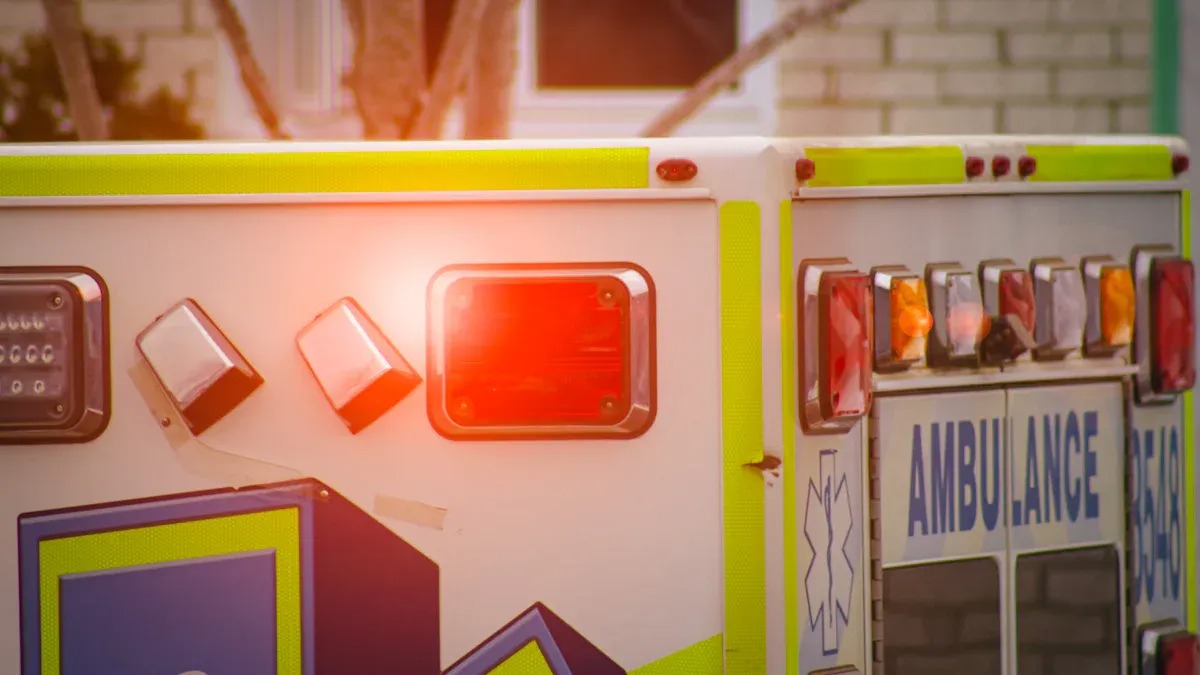
Effective communication plays a vital role in emergencies, directly impacting response outcomes. Research shows that clear communication can minimize treatment delays by up to 39%, which is crucial in time-sensitive situations. Essential features, such as caller location identification and real-time data access, enhance the effectiveness of Emergency Help Point Call Stations and SOS Emergency Telephones, ensuring rapid response and improved public safety communication within industrial communication systems.
Key Takeaways
- Ensure clear visibility of Emergency Help Point Call Stations with effective signage and lighting. This helps individuals locate assistance quickly during emergencies.
- Design Emergency Help Point Call Stations to be user-friendly. Incorporate features like multi-modal interaction and simplified navigation to accommodate diverse populations.
- Prioritize reliable communication by using stable power sources and various technologies. This ensures that help is accessible without delay during emergencies.
Clear Visibility of Emergency Help Point Call Stations
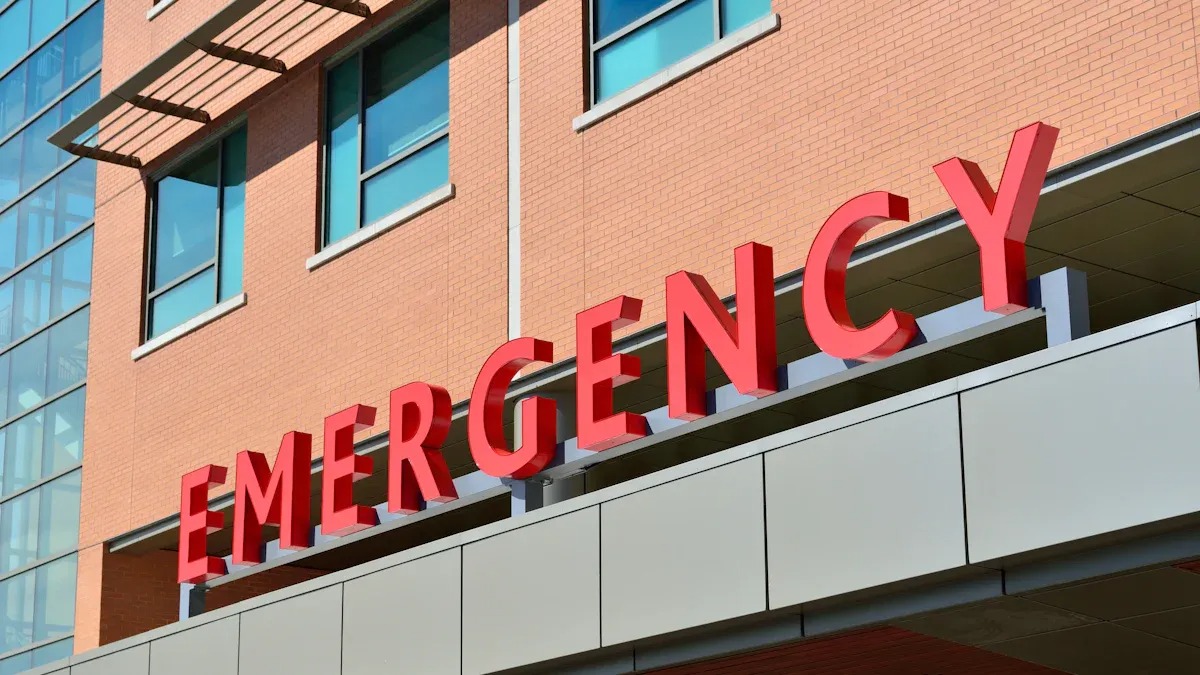
Clear visibility is crucial for Emergency Help Point Call Stations. In emergencies, individuals must quickly locate these stations to seek assistance. Effective signage and lighting solutions significantly enhance visibility, especially during nighttime or adverse weather conditions.
Several lighting options can improve the visibility of these stations. For instance, roof-mounted LED light bars provide 360-degree illumination, ensuring that the stations remain visible from all angles. These lights are energy-efficient and can be easily reprogrammed to suit different situations. Surface-mounted lights, installed above the call station, can flash various colors and patterns, drawing attention when needed.
Scene lighting increases visibility around the station, enhancing safety for personnel working in low-light conditions. Patient loading lights brightly illuminate the area when doors open, making it easier for individuals to access the station. Ground lights also play a vital role; they activate automatically with door operation, ensuring safe entry and exit.
By implementing these lighting solutions, stakeholders can significantly improve the effectiveness of Emergency Help Point Call Stations. Enhanced visibility not only aids in quick identification but also fosters a sense of security among the public, knowing help is readily accessible.
User-Friendly Design of Emergency Help Point Call Stations
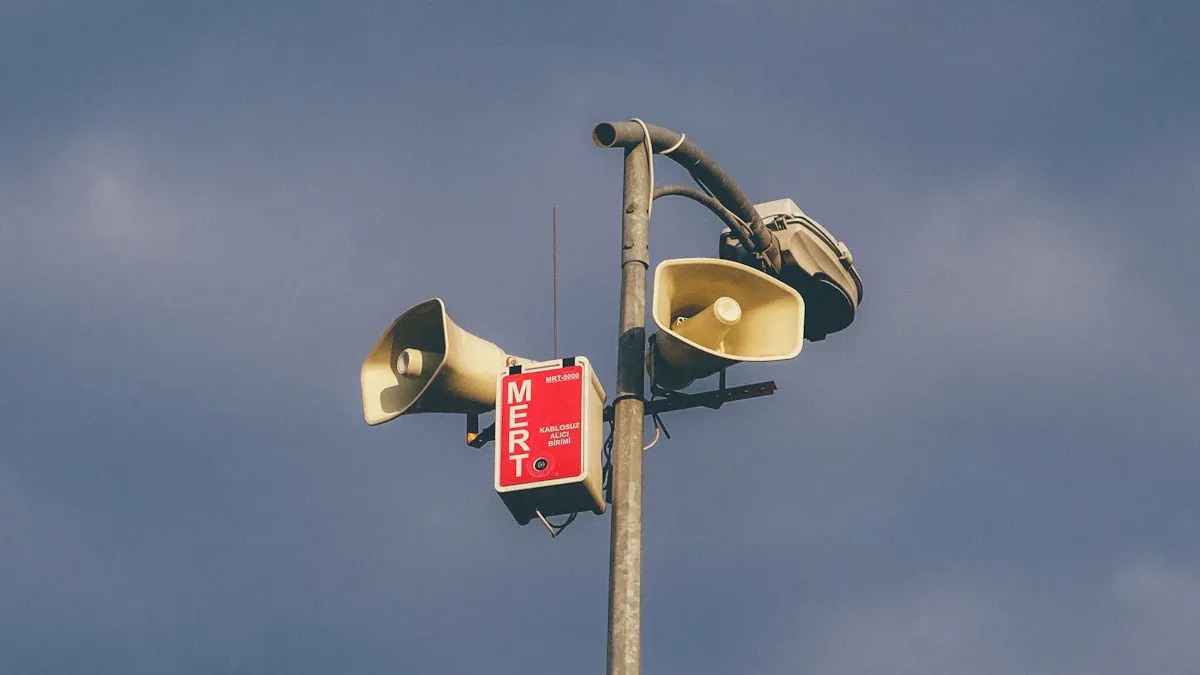
A user-friendly design is essential for Emergency Help Point Call Stations. These stations must accommodate diverse populations, ensuring that everyone can access help when needed. Several design elements enhance usability:
| Design Element | Description |
|---|---|
| Multi-modal interaction | Offers diverse communication channels (voice, text, sign language) to accommodate various needs. |
| Simplified navigation | Features a prominent emergency button and intuitive layouts to reduce cognitive load. |
| Pre-registration and personal profiles | Allows users to store personal information for quicker response times. |
| Reliability and trust | Provides real-time updates and feedback to enhance user confidence. |
| In-app tutorials and simulated drills | Improves user preparedness through guided walkthroughs and accessible tutorials. |
Accessibility features also play a crucial role in the design of Emergency Help Point Call Stations. These features ensure that individuals with disabilities can effectively use the stations. Recommended accessibility features include:
| Accessibility Feature | Description |
|---|---|
| Contact Information | Regularly update and communicate contact details for individuals needing assistance. |
| Electronic and Telephone Information | Include alternate communication methods (e.g., email, phone/text) in contact information. |
| Communicate and Document Special Needs | Discuss and document individual assistance needs in emergency plans. |
| Buddy Systems | Implement a buddy system for individuals needing assistance during emergencies. |
| Assess Emergency Route for Barriers | Ensure the path to the Emergency Assembly Point is wheelchair accessible. |
| Alternative Communication Methods | Use large print signs or verbal announcements for individuals with visual impairments. |
| Areas of Refuge | Identify and familiarize with Areas of Refuge for wheelchair users to wait for assistance. |
By prioritizing user-friendly design, stakeholders can significantly enhance the effectiveness of Emergency Help Point Call Stations. These features not only improve accessibility but also foster confidence among users, ensuring they can seek help without hesitation.
Reliable Communication in Emergency Help Point Call Stations
Reliable communication is essential for the effectiveness of Emergency Help Point Call Stations. These stations must maintain operational readiness during emergencies, ensuring that individuals can reach help without delay. Organizations should implement several strategies to enhance communication reliability.
First, stable power sources are crucial. Backup power solutions, such as generators or uninterruptible power supplies (UPS), ensure that communication tools function effectively during outages. Additionally, renewable energy options like solar panels can provide sustainable power.
Next, various communication technologies enhance reliability. Consider the following options:
- Mobile app access: Functions via mobile data, operational even without an office network.
- SMS messaging: Reliable during outages, reaching all mobile devices without requiring broadband.
- Voice calls: Automated calls provide clear instructions, useful in high-stress situations.
- Offline capabilities: Some systems can operate without internet, supporting essential communications.
Organizations must also conduct vulnerability assessments to identify areas susceptible to disruption. They should catalog all voice and data systems critical for emergency response and evaluate environmental risks that could impact communication.
“The EMTEL Committee focuses on emergency communication services, addressing scenarios such as communication between individuals and authorities, and ensuring accessibility and interoperability of emergency communications.”
By prioritizing these strategies, stakeholders can significantly improve the reliability of Emergency Help Point Call Stations, ultimately enhancing public safety.
Durability and Weather Resistance of Emergency Help Point Call Stations
Durability and weather resistance are critical features of Emergency Help Point Call Stations. These stations must withstand harsh environmental conditions to ensure reliable operation when needed most. Extreme weather events, such as blizzards and hurricanes, can significantly impact emergency response systems. Studies show that during such events, the volume and nature of emergency calls change, complicating resource allocation and response times for emergency medical services (EMS). Therefore, robust design and construction are essential.
To meet these challenges, manufacturers adhere to strict industry standards for weather resistance. The following table outlines the IP ratings that indicate the level of protection against dust and water:
| Weather Resistance | IP Rating |
|---|---|
| Metro/Subway Station VoIP Emergency Phone | IP65 |
| Heavy Industry Emergency Telephone Systems | IP66–IP67 |
These ratings ensure that Emergency Help Point Call Stations remain operational in various conditions, from heavy rain to extreme temperatures. The use of high-quality materials and protective coatings further enhances their resilience.
Stakeholders must prioritize the durability of these stations. By investing in weather-resistant designs, they can ensure that help remains accessible, even in the most challenging situations. This commitment to quality not only improves public safety but also instills confidence in the community.
Regular Maintenance of Emergency Help Point Call Stations
Regular maintenance of Emergency Help Point Call Stations is vital for ensuring their optimal functionality. A well-maintained station can significantly enhance public safety during emergencies. Organizations should follow a structured maintenance schedule to keep these systems operational. Here are some recommended practices:
- Start with your most critical asset: Identify essential equipment and test maintenance approaches on it.
- Gather manufacturer guidelines and historical data: Review documentation for recommended maintenance intervals and analyze past performance data.
- Set your initial maintenance intervals: Use manufacturer recommendations as a baseline and adjust based on specific operating conditions.
- Execute, track, and refine your program: Follow standardized procedures, document findings, and regularly review data to optimize maintenance intervals.
Timing and frequency of maintenance tasks should align with usage patterns and historical data. Prioritize critical equipment that impacts safety or efficiency for more frequent maintenance. Flexibility in the schedule allows for real-time adjustments based on operational demands.
The cost implications of maintenance choices are significant. While reactive maintenance may seem cheaper initially, it incurs higher long-term costs due to emergency repairs and unplanned downtime. Preventive maintenance, though it involves ongoing costs, leads to predictable expenses and reduced downtime, ultimately lowering overall costs.
Training for personnel responsible for maintaining these stations is also essential. Mandatory training should cover interactions with individuals who have hearing or speech disabilities. Regular refresher training ensures that staff remains prepared to handle emergencies effectively.
By prioritizing regular maintenance, stakeholders can ensure that Emergency Help Point Call Stations remain reliable and accessible when needed most.
Emergency Help Point Call Stations play a crucial role in enhancing safety and accessibility. Key features such as clear visibility, user-friendly design, reliable communication, durability, and regular maintenance significantly improve public safety.
Stakeholders must prioritize these features in emergency planning to ensure effective responses during critical situations.
“Investing in these essential elements fosters a safer environment for all.”
FAQ
What are Emergency Help Point Call Stations?
Emergency Help Point Call Stations are communication devices designed to provide immediate assistance during emergencies. They connect users to emergency services quickly and efficiently.
How do these stations ensure reliability?
These stations utilize stable power sources, diverse communication technologies, and regular maintenance to ensure operational readiness during emergencies.
Why is user-friendly design important?
User-friendly design enhances accessibility for all individuals, including those with disabilities. It ensures that everyone can easily seek help when needed.
Post time: Jan-30-2026